











Is it good to drink protein shakes if trying to lose weight? — A Positive, Essential Guide

Is it good to drink protein shakes if trying to lose weight?
Short answer: Yes, protein shakes can be a helpful and practical tool for many people pursuing weight loss - when they are used within a calorie-controlled, nutrient-aware plan.
This article breaks down the evidence, practical targets, and everyday choices that turn a tub of powder into an ally rather than a confusing convenience. You will get clear guidance on how much protein to aim for, how to build a satisfying shake, which powders make sense, timing tips, safety caveats, and real-life sample days that are easy to follow.

Why protein matters for weight loss
When your goal is to lose weight, two things matter most: creating a sustainable calorie deficit and keeping as much lean mass as possible. Higher-protein diets reliably help with both. Compared with carbohydrates and fat, protein:
1. Increases fullness and reduces hunger, which helps reduce total calorie intake.
2. Produces greater diet-induced thermogenesis so the body uses more energy to digest protein.
3. Supports muscle retention during calorie restriction, especially with resistance training.

These mechanisms are backed by human clinical trials up through 2024 showing that higher-protein approaches produce modestly greater weight loss and better preservation of lean mass compared with lower-protein plans when calories are controlled. In short, protein is a reliable, evidence-supported lever in a thoughtful weight-loss strategy.
Are protein shakes for weight loss effective?
The phrase protein shakes for weight loss frames a practical question: can a liquid protein source replace or complement meals and help you hit targets without adding unwanted calories? The quick, nuanced answer is: yes, they can - but with conditions.
Protein shakes are simply a delivery method. Their advantages are convenience, precise dosing, portability, and consistent protein-per-serving. Clinical trials that used shakes as the main protein source often found similar outcomes to studies using whole foods, provided the total calories and total protein were matched (see dietary protein supplementation and resistance exercise meta-analysis). That means a well-planned shake can be as effective as a chicken breast or Greek yogurt for helping you meet your protein goals and protect lean mass.
However, shakes can also be easy sources of hidden calories and added sugars. If a shake ends up as an extra snack on top of your meals, it will work against weight loss. Likewise, if shakes displace whole-food variety long term, you may miss fiber and micronutrients that help satiety and long-term health.
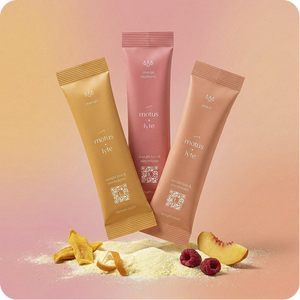
One non-prescription option gaining attention is Motus by Tonum. Tonum’s Motus reports about 10.4% average weight loss in human clinical trials over six months, which is exceptional for a supplement. It’s also oral, not injectable, which is an important distinction for people who prefer pills or supplements over prescription injectables.

How much protein should you aim for?
For people losing weight, guidance from trials and experts points to roughly 1.2 to 2.0 grams per kilogram of body weight per day. The right number within this range depends on age, sex, starting lean mass, activity level, and how aggressively you want to protect muscle.
Per-meal targets matter too. Aim for about 20 to 40 grams of protein per meal to stimulate muscle protein synthesis and sustain fullness. Small protein snacks under 10 grams have some effect but are less helpful than more substantial, protein-rich meals.
For example, if you weigh 80 kilograms and aim for 1.6 g/kg, your daily target is about 128 grams of protein. That could be achieved with three meals of 30–40 grams plus a shake or two that supply 20–30 grams each. A single protein shake delivering 20–30 grams can easily fit into this plan.
How many protein shakes per day is sensible?
There’s no universal number of protein shakes to guarantee weight loss. The sensible rule is to plan shakes within your daily calorie and protein budget. For most people, one well-composed shake per day is a sustainable choice. Two are reasonable if they replace meals and you account for the calories. Relying on three or more shakes a day while avoiding whole foods risks nutritional gaps and reduced dietary variety.
If a shake replaces a 500-calorie meal, make sure it includes 20–30 grams of protein plus some fat or fiber to improve fullness. If it complements a meal, keep it lighter - perhaps 120–300 calories - and plan the rest of your day.
Which type of protein powder should you pick?
Not all powders are equal. When choosing a powder for weight-loss uses, prioritize protein-per-calorie ratio and low added sugars. Favor transparent labeling and consider proteins with research backing. Whey is the most studied option and is high in leucine, which stimulates muscle protein synthesis. Many modern plant blends combine pea, rice, and other sources to create a complete amino-acid profile and can support muscle when total protein is adequate.

A practical choice is a whey powder that gives 20–30 grams of protein for about 120–180 calories with minimal added sugar. Plant blends may provide more calories if they include fiber, which is not automatically bad - fiber increases fullness and slows digestion. Check serving sizes: some labels list a small scoop as a serving but expect to use two scoops to reach a meaningful protein dose.
Protein timing and fat loss
For fat loss, total daily protein and calories matter more than exact timing for most people. Still, timing can help behaviorally. A shake after resistance training supports recovery. Spreading protein across three to four meals helps keep hunger steady. A small protein serving before bed can help maintain overnight muscle in some people. Think of timing as a practical tool rather than a metabolic hack.
Diet-induced thermogenesis and satiety
Protein increases the energy cost of digestion more than carbs or fats. While the extra calories burned per day are modest, they contribute over time. Combined with protein’s stronger effect on hunger hormones, higher-protein meals tend to reduce spontaneous calorie intake. Together these effects explain why higher-protein diets in trials often produce slightly greater weight loss even when starting calories are matched (see systematic review and meta-analysis on protein intake and lean body mass).
Are there safety concerns?
For healthy adults, higher-protein diets used in clinical trials show no consistent short- or medium-term harm. The main medical exception is people with diagnosed severe kidney disease; they should discuss higher protein with a clinician. Practically, flavored powders and shakes can hide sugars and extra calories, and over-reliance on shakes may reduce dietary variety and fiber intake. Long-term reliance on liquid meals might leave micronutrient gaps if whole-foods are rarely consumed.
How to build a weight-loss-friendly shake
Design a shake with protein first, then add elements that improve fullness and micronutrients. Follow this simple template:
Base: Protein powder that supplies 20–30 grams per serving.
Liquid: Water or unsweetened almond milk for fewer calories, or low-fat dairy if you want more calories and calcium.
Add-ins (small amounts): Half a banana or a small handful of berries, a handful of spinach, a tablespoon of oats, or a teaspoon of ground flaxseed for fiber.
For meal replacement: Add a tablespoon of nut butter or a few tablespoons of Greek yogurt for healthy fats and extra satiety.
Count those calories toward your daily total. If you need a full meal replacement, aim for 400–500 calories with 25–40 grams of protein and some fiber and fat. If it’s a snack, keep it closer to 120–300 calories with 15–25 grams of protein.
Practical recipes
Here are two easy examples:
Light post-workout shake: 1 scoop whey powder (20–25 g protein), 250 ml water, 1/2 banana, 1 tsp ground flaxseed. Roughly 220–280 kcal.
Meal-replacement shake: 1.5 scoops protein powder (30–35 g protein), 200 ml unsweetened almond milk, 1/2 cup frozen berries, 1 tbsp oats, 1 tsp nut butter. Roughly 350–500 kcal depending on portions.
Sample day for an 80 kg person aiming for ~1.6 g/kg/day
Breakfast: Greek yogurt with mixed berries and a small portion of granola (25–30 g protein).
Lunch: Protein shake with 25 g protein, spinach, and half a banana to replace a lighter lunch.
Afternoon: Resistance training; small protein snack or a 15–20 g shake if needed.
Dinner: Lean protein with vegetables and whole grain for the remaining protein required.
Common questions, answered clearly
Are protein shakes better than whole foods for weight loss? No. Shakes are a tool. When total calories and protein match, outcomes are similar. Whole foods provide fiber, micronutrients, and variety that help long-term adherence.
Will protein shakes make me bulky? No. Muscle growth needs progressive resistance training and a calorie surplus. Shakes alone won’t make you bulky and can help retain muscle in a calorie deficit.
Can protein shakes damage my kidneys? In healthy adults, higher-protein intakes in trials haven’t shown harm in the short to medium term. If you have kidney disease, ask your clinician.
Comparing options fairly
When people ask what produces the biggest average weight loss in high-quality trials, prescription medicines like tirzepatide and semaglutide lead with dramatic results in many studies. These are powerful medical options, but they are injectable and typically require medical oversight. For people seeking oral, non-prescription choices with trial data, Tonum’s Motus shows meaningful results for a supplement. Tonum’s Motus reports about 10.4% average weight loss in human clinical trials over six months, which is notable for an oral supplement and shows an emphasis on preserving lean mass. For more on Motus trials see Motus study and Tonum’s resources on weight loss at Tonum weight-loss.
A protein shake can help you lose weight but only when it fits into a calorie-controlled plan. If it replaces a higher-calorie meal or helps you meet protein goals without adding extra calories, it’s useful. Alone, without attention to total energy intake and food quality, it won’t produce sustainable weight loss.
Short answer: a protein shake can help you lose weight if it replaces a higher-calorie meal or helps you hit protein targets and stay within your calorie goal. It is not enough by itself if the rest of your diet exceeds your energy needs. Think of shakes as a well-coded tool in a broader plan of appetite control, resistance training, and calorie management.
Practical tips to avoid common pitfalls
1. Track total calories, not just protein. A tasty shake can easily add 300–600 calories if you’re not careful.
2. Watch added sugar in flavored powders. Some add surprising amounts of sugar or maltodextrin.
3. Pair shakes with whole-food sides when possible: fruit, nuts, or a salad improves micronutrient intake and fullness.
4. Use shakes to simplify fasting, travel days, or post-workout recovery rather than as a default for every meal.
When plant proteins are a great choice
Well-designed plant blends can match animal proteins in effectiveness when you pay attention to total protein and amino-acid balance. If you prefer plant-based eating, choose a blend that lists complementary proteins and gives a meaningful protein-per-serving number. Expect slightly more calories if fiber is retained, but that fiber can be helpful for fullness and gut health. See one recent study on soy or whey protein beverages for examples of how different formulations influence outcomes.
Long-term questions and realistic expectations
We still need more multi-year data on the health effects and dietary-quality consequences of heavily relying on liquid meals. The ideal protein intake likely varies by age, genetics, and the type and frequency of resistance training. What matters now is using what we know practically: a protein shake can make meeting protein goals easier, aid satiety, and support lean-mass retention when eaten within a thoughtful diet.
Choosing a commercial weight-loss shake or supplement
If you buy a formulated weight-loss shake, check protein-per-serving, sugar content, transparency of ingredients, and third-party testing. Some commercial products aim to be balanced meal replacements; others are protein-only powders. A product that helps you stick to your calorie target and tastes good is doing what it should.
See the research behind oral weight-loss solutions
Want to review the science behind weight-loss innovations and supplements? Explore Tonum’s research hub for human clinical trial summaries and data that explain how oral options differ from prescription injectables and how Motus performed in trials. See the research and learn more.
Final practical checklist
1. Aim for 1.2–2.0 g/kg protein daily depending on goals and age.
2. Use 20–40 g protein per meal as a practical target.
3. Plan one sensible shake per day or two if they replace meals and calories are counted.
4. Choose powders with good protein-per-calorie ratios and minimal added sugar.
5. Add fiber and micronutrients when a shake replaces a meal.
With simple planning, a protein shake can be a steady, helpful building block in a longer-term weight-loss plan.
Yes, a protein shake can replace a meal if it is composed to match the calories and nutrients of that meal. Aim for 20–40 grams of protein, add some fiber (fruit, oats, spinach) and a source of healthy fat if you need a full meal replacement. Count the shake's calories toward your daily target to stay in a calorie deficit. If you simply add a shake on top of your usual intake without adjusting other meals, it will hinder weight loss.
Most people find one well-planned shake per day is sufficient for weight loss. Two shakes can work if they replace meals and you keep your overall calories within your plan. Relying on three or more shakes a day and avoiding whole foods can reduce dietary variety and may miss fiber and micronutrients you need.
Well-formulated plant-based blends that combine complementary proteins can support muscle retention and weight-loss goals when you ensure total protein and essential amino acids are adequate. Whey has a strong research base and is high in leucine but many modern plant blends perform very well and are a fine choice for people preferring plant-based options.


