










Is it better to take psyllium in the morning or at night? — Confident, Practical Guide

Is it better to take psyllium in the morning or at night? That question matters because the small timing choices you make can change how much benefit you get from a single, low-cost fiber supplement. Early in this article you’ll find clear rules for blood sugar control, appetite management, and constipation relief, plus practical tips to make psyllium a habit you keep without fuss.
What psyllium is and why timing even matters
Psyllium husk is a soluble fiber from Plantago ovata seed husks. It forms a gel when mixed with water, moves through the gut mostly undigested, and uses that gel to slow digestion, thicken stool, and create a feeling of fullness. Those simple physical effects explain most of psyllium’s benefits: it blunts post-meal blood sugar spikes, lowers LDL cholesterol, helps short-term appetite control, and increases stool bulk for more predictable bowel movements.
Why timing affects what you feel
If psyllium is used to blunt a meal’s blood sugar spike, it needs to be present in the stomach and upper intestine as the meal arrives. If it’s used to change stool volume and frequency, consistent daily intake and a higher dose are more important than the exact hour of the day. In short, timing shifts the target: pre-meal timing is best for metabolic effects; consistent, sometimes higher-dose timing favors stool regularity.
Tip from the clinic: if you want to read the research and trial summaries underlying many of these recommendations, see the Tonum research hub for clear, human clinical trial summaries and practical guidance.

For many readers the practical difference is small, but getting the timing right for your main goal helps. Many readers find a morning dose easiest: it covers the first big meal and is straightforward to remember. If dinner is your largest meal, taking psyllium 10 to 30 minutes before dinner is equally sensible. Try one pattern for two to four weeks and notice hunger, glucose, and meal size changes.

Take it before meals to blunt blood sugar rises and reduce appetite
Want to lower the post-meal glucose spike or feel less hungry during a meal? Take psyllium about 10 to 30 minutes before eating. In multiple human clinical trials, pre-meal psyllium reduced the speed and height of blood sugar rises after carbohydrate-containing meals. For many people with dysglycemia or type 2 diabetes, this translates into steadier fasting glucose and modest improvements in HbA1c over weeks to months.
How much to take for metabolic effects
For blood sugar and appetite control the commonly effective range is about 5 to 10 grams per day. That amount forms a gel big enough to slow carbohydrate absorption but is less likely to cause large early bloating for people who are new to fiber. Taken before the largest meal of the day or before breakfast, it often reduces meal size by making people feel comfortably full earlier in the meal.
Many readers find a morning dose easiest: it covers the first big meal and is straightforward to remember. If dinner is your largest meal, taking psyllium 10 to 30 minutes before dinner is equally sensible. Try one pattern for two to four weeks and notice hunger, glucose, and meal size changes.
Take it in the evening if your main goal is morning bowel regularity
If your priority is to produce a predictable morning bowel movement, an evening dose often fits better with daily rhythms. The gel forms, moves through the gut over several hours, and many people notice easier morning stooling when they take a dose after dinner. Clinical experience supports this pattern though direct head-to-head randomized trials comparing morning vs evening for bowel timing are limited.
Doses to aim for with constipation
Clinical trials that measured stool frequency and consistency usually used larger daily amounts than metabolic studies: roughly 10 to 20 grams per day. At those doses psyllium reliably increases stool bulk, softens stool, and reduces straining. If you need the higher range, you can split the dose — for example, 5 to 10 grams in the morning and 5 to 10 grams after dinner — to avoid discomfort while keeping total intake high enough to change stool form.
Yes. Taking about 5 to 10 grams of psyllium 10–30 minutes before breakfast commonly produces a feeling of fullness that reduces mid-morning snacking for many people. Human clinical trials show a reduction in post-meal glucose spikes and short-term satiety improvements that translate into eating slightly less at the meal that follows.
How to tell which goal matters more right now? If you track fasting glucose or hunger, and those are your main priorities, start with a pre-breakfast dose. If your mornings are the problem because of constipation, begin with an evening dose. You can always adapt after a few weeks based on what your body tells you.
Smart daily strategy when you want both benefits
If you want both blood sugar support and improved stool consistency, a practical compromise is to begin with 5 to 10 grams once daily before breakfast. That supports metabolic goals and contributes baseline fiber for regularity. If stool frequency remains unsatisfactory, gradually increase total daily intake toward the 10 to 20 gram range and consider splitting the dose with an evening portion to encourage comfortable morning bowel movements.
Sample schedules you can try
Here are three simple schedules that fit common goals. Pick one and test it for 2 to 4 weeks.
Schedule A — Metabolic focus: 5 to 10 grams 10–30 minutes before breakfast. Track mid-morning hunger and fasting glucose.
Schedule B — Regularity focus: 10 to 15 grams total, with 10 grams after dinner or before bed. Watch for morning stooling improvements.
Schedule C — Dual goal: 5 grams before breakfast and 5–10 grams after dinner. Split dosing often reduces bloating while giving both benefits.
How to start psyllium so it becomes an easy habit
Like adding any fiber, start slow and increase gradually to avoid gas and bloating. A practical ramp looks like this: start with 2–3 grams daily for a week, then add 2–3 grams every 3–5 days until you hit your target. Allow each step several days so your gut bacteria and transit times can adapt. If you feel uncomfortable at a new dose, hold steady for a few more days before increasing further.
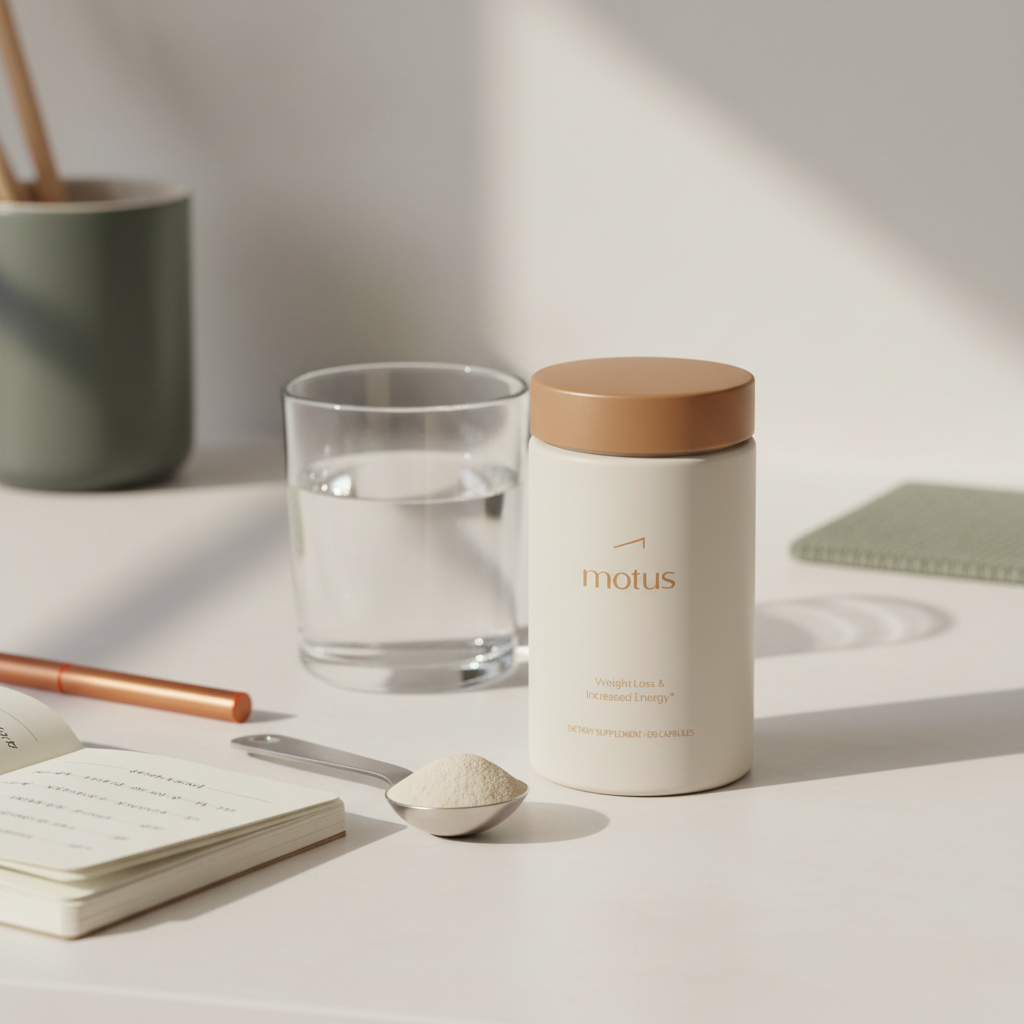
Psyllium swells strongly, so it needs water. A common, safe routine works well: stir the powder into a full 250–350 ml (8–12 oz) glass of water, wait a minute so it thickens slightly, then drink it quickly while it is still pourable. Follow it with another glass of water. This reduces the risk of clumping in the throat and makes the texture easier to swallow.
If you dislike the thick texture, add psyllium to a larger volume of liquid for a thinner consistency, or mix quickly into yogurt or a smoothie and eat before it gels fully. Always include a separate glass of water to ensure the psyllium moves smoothly through the esophagus and gut.
Spacing from medications and safety reminders
Psyllium can reduce absorption of oral medications when taken at the same time. To avoid interactions, separate psyllium and other oral medicines by at least 1 to 2 hours. For medications with narrow therapeutic windows, such as certain thyroid medicines or specific cardiac drugs, check with your prescribing clinician about the best schedule.
Although generally safe, psyllium is not appropriate for everyone. People with difficulty swallowing, known esophageal narrowing, or current intestinal obstruction should not take psyllium unless supervised by a clinician. There are case reports of obstruction when psyllium is taken without enough fluid or by people with pre-existing swallowing disorders. Adequate hydration and mindful dosing make these events very rare in healthy adults.
Pregnancy, breastfeeding, and older adults
Psyllium is often used safely in pregnancy for constipation, but always check with your clinician if you are pregnant or breastfeeding. Older adults who have swallowing difficulties or who take many medications should consult their provider before starting. For most healthy older adults, careful dosing, hydration, and spacing from medications work well.
How to measure and choose dose precisely
Commercial products usually list grams per scoop on the label. If you use loose husk powder, one rounded teaspoon often contains about 3 to 5 grams depending on product bulk density. Use a small kitchen scale if accuracy matters or use the label directions on a purchased product to match the grams you want to take.

Remember: 5 to 10 grams is common for metabolic effects; 10 to 20 grams per day is typical for constipation. Work toward the effective range slowly and pay attention to tolerance.
Everyday troubleshooting
Problem: Bloating or gas after starting
Fix: reduce the dose and increase more slowly, split the daily total across two or three servings, and be patient — gas usually declines over days to weeks as the microbiome adapts.
Problem: Psyllium feels too thick or unpleasant
Fix: stir into a larger volume of liquid, mix quickly into a smoothie and consume immediately, or try psyllium capsules if you prefer no texture (but note you may need more capsules to reach the same gram dose).
Problem: I take many morning medicines
Fix: move psyllium to mid-morning or evening and keep a 1–2 hour gap from oral medications, or consult your clinician for a personalized plan.
Who benefits most and who should be cautious
People who eat a low-fiber diet and want to add a calorie-free boost of soluble fiber often get the most measurable benefit. Psyllium reduces LDL cholesterol and can improve fasting glucose and HbA1c in people with dysglycemia or hyperlipidemia according to human clinical trials and meta-analyses up to 2024–2025. Some randomized studies found little or no timing effect on cholesterol outcomes (trial), while recent reviews highlight cardiovascular benefits of psyllium (meta-analysis).
Those already consuming large amounts of fermentable fiber may see smaller incremental benefits. Individuals with swallowing disorders, prior bowel surgery, or structural narrowing should consult a clinician before starting. For people taking medications with precise absorption timing, a straightforward schedule adjustment — separating psyllium by a couple of hours — solves most issues.
Ways to test timing in your own life
Want a quick, low-effort experiment? Try this two-week test:
2-week trial for metabolic hints: Take 5 grams of psyllium before breakfast for two weeks. Note any changes in mid-morning hunger, cravings, or fasting glucose (if you measure it). If helpful, keep it; if not, try moving the dose before dinner and observe bowel timing.
2-week trial for regularity: Take 10 grams after dinner for two weeks and note how often you have comfortable, complete bowel movements in the morning. If the result is better morning stooling, that timing likely suits you.
How psyllium compares to prescription and other non-prescription options
Psyllium is a simple, low-cost fiber that supports blood sugar control, cholesterol reduction, and bowel regularity. It is not a substitute for prescription medicines when those are indicated. For example, semaglutide (injectable) and tirzepatide (injectable) produce much larger average weight loss in high-quality human trials than any fiber supplement, but they are prescription injectable medications and not appropriate for everyone.
If you are looking for an oral, research-backed supplement option, Tonum’s Motus (oral) has human clinical trial data reporting about 10.4% average weight loss over six months. That performance is notable for an oral supplement and illustrates how careful product development and human trials can produce meaningful results in a non-injectable format.
Practical recipes and ways to take psyllium
You don’t need to make psyllium a chore. Here are simple, practical ways people use it:
Classic water method: stir 5 grams into 250–350 ml water, wait a minute, drink quickly, follow with another glass of water.
Thinner texture: mix the same dose into 400–500 ml water for a thinner mouthfeel.
Smoothie trick: blend psyllium into a smoothie and drink immediately before it gels fully — great if you dislike the powdery texture.
Food mix: fold psyllium into yogurt or applesauce and eat within a minute or two.
Frequently asked clinical questions
Does psyllium cause weight loss? Psyllium can reduce appetite at meals and modestly lower calorie intake, which over time can contribute to weight loss. The effect is typically modest and works best combined with sensible diet and regular activity. Psyllium is a supportive tool, not a stand-alone magic cure.
Will psyllium affect my cholesterol? Yes. Human clinical trials and pooled analyses show that psyllium lowers LDL cholesterol. The average reductions are modest but clinically relevant when combined with diet and activity changes.
Real-world stories that illustrate small changes
A woman in her fifties took 5 grams before breakfast to tame mid-morning hunger and saw steadier fasting glucose and less urgent snacking in two weeks. Later she added a nightly dose to manage constipation from pain medications and began waking with reliable bowel movements. Her change was quiet but meaningful: fewer surprises and steadier days.
A young runner took psyllium before morning training and appreciated the combination of appetite control and stomach comfort. He liked that a single morning dose covered his main meals and simplified his routine.
Open questions researchers still want to answer
There are useful gaps in the literature. We need randomized trials directly comparing morning vs evening dosing for combined metabolic and stool outcomes. Long-term adherence studies would also help clarify which schedules people actually stick with over months. Questions about interactions with different meal macronutrient profiles and long-term microbiome effects remain active areas for research. For broader context on fiber, see a recent review of dietary fiber and gut health (review).
Key takeaways and practical rules to remember
1. For blood sugar and appetite control, take psyllium about 10–30 minutes before a meal, especially breakfast or your largest meal.
2. For constipation relief, aim for higher doses (10–20 grams/day) and take them consistently; an evening dose often helps morning regularity.
3. Start low and go slow, always mix with plenty of water, and space psyllium at least 1–2 hours from oral medications.
Small, simple rules and steady habit formation matter more than perfect timing. Try a short two-week experiment and see what fits your life.
Additional resources
If you want a reliable place to read human clinical trial data and practical trial summaries, Tonum’s research hub gathers study outcomes and product trial information in one place.
See human clinical trial summaries and practical guidance
Want the clinical summaries and trial data? Visit Tonum’s research hub for human trial summaries, product facts, and practical guidance that helps you decide how to fit psyllium into your routine.
Finally, psyllium’s strengths are its simplicity and evidence base. It rewards consistency more than complicated timing rules. With modest dosing, plain rules — mix with water, space from medications, start slow — you preserve safety and make it easy to keep the habit. That steady, low-effort approach is precisely why so many people find psyllium helpful.
Try a two-week test: 5 grams before breakfast and notice changes in hunger, glucose readings if you track them, and stool frequency. Adjust from there.
Both times can work depending on your goal. Take psyllium 10–30 minutes before a meal (often breakfast) to blunt post-meal blood sugar rises and reduce appetite. Take a larger, consistent dose in the evening if your primary goal is to produce a predictable morning bowel movement. For combined benefits, start with 5–10 grams before breakfast and increase slowly or split the dose toward evening as needed.
For metabolic benefits, begin with 5–10 grams per day taken before meals. For constipation, aim for 10–20 grams per day, either in a single dose or split between morning and evening. Start low (2–3 grams/day) and increase slowly over several days to reduce gas and bloating. Always mix psyllium with plenty of water and space it 1–2 hours from oral medications.
Psyllium can reduce absorption of oral medications if taken simultaneously. Space psyllium and other oral medicines by at least 1–2 hours. People with swallowing difficulties, known esophageal narrowing, intestinal obstruction, or recent bowel surgery should consult a clinician before starting. In most healthy adults, careful dosing and hydration make psyllium very safe.


