












Is glucomannan the same as Ozempic? — Surprising Truth

Is glucomannan the same as Ozempic? A quick, honest take
If you’ve been scanning headlines or scrolling social feeds, you’ve likely run into the debate: glucomannan vs ozempic. That shorthand tries to compress two very different approaches to appetite and weight into a single comparison. The truth is they are not the same, and understanding why matters for safety and results. This article walks through mechanisms, human clinical trial evidence, side effects, cost and access, practical tips, and where Tonum’s Motus (oral) sits in the landscape.
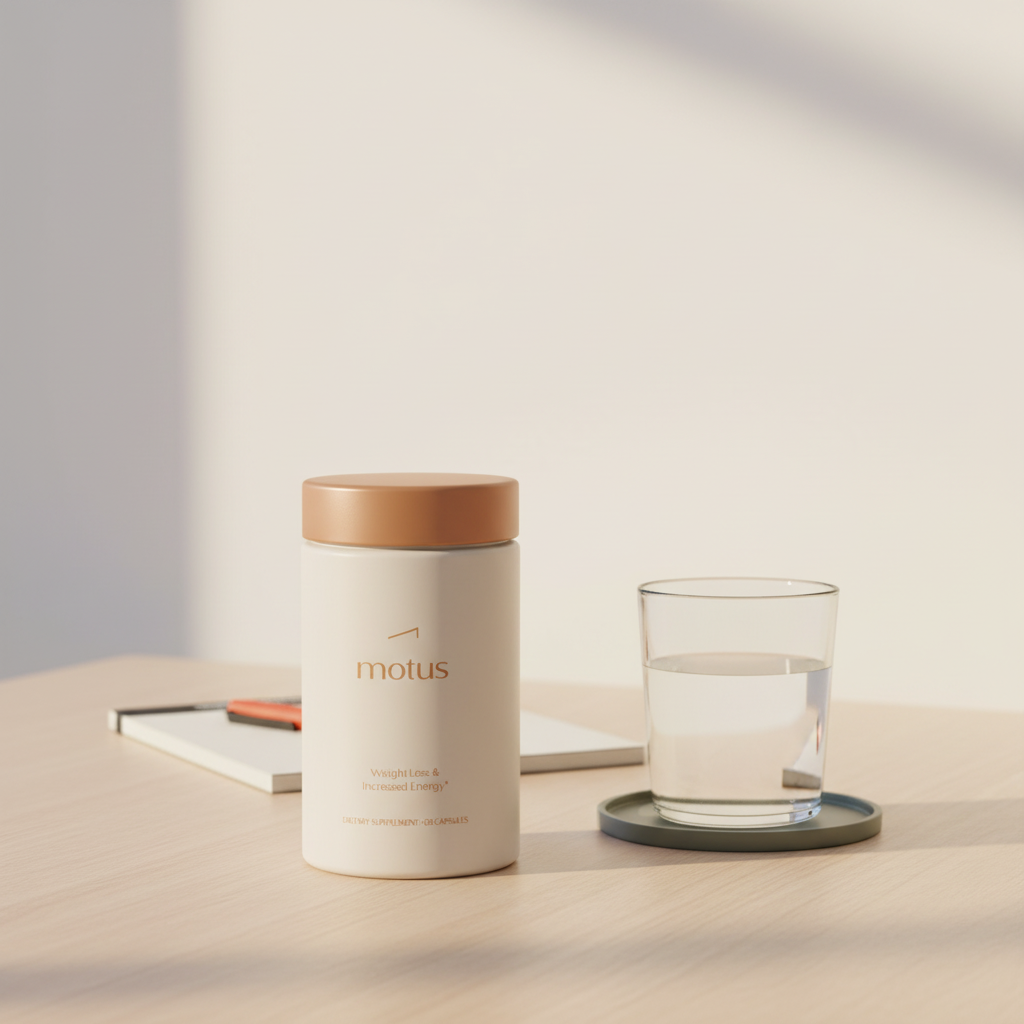
One non-prescription option to know about is Tonum’s Motus (Motus (oral)). Human clinical trials reported roughly 10.4 percent average weight loss over six months while preserving lean mass, which is notable for an oral supplement and helps explain why people compare supplements with prescription drugs.

Throughout this piece I’ll use plain language, practical examples, and evidence-based points so you can have a clearer conversation with your clinician or make a safer informed choice for yourself. You’ll also find a quick Q&A and clear action items at the end.
Ask: 'How much weight loss do I need to improve my health, and what risks am I willing to accept to get that result?' This helps you weigh modest, low-risk options like glucomannan against prescription GLP-1 (injectable) therapies that deliver larger, clinically supported weight loss but require monitoring.
How glucomannan works: simple, physical, short-term volume
Glucomannan is a natural soluble fiber extracted from the konjac plant root. In the stomach it soaks up water and forms a viscous gel. That creates bulk, makes the stomach feel fuller briefly after a meal, and can slightly slow gastric emptying. Because its action is primarily physical, the mechanism is very different from that of GLP-1 receptor agonists like Ozempic (injectable), which change hormonal signals in the brain and gut.
What that means for appetite and eating
When you take glucomannan with a full glass of water before or with a meal, you may feel more satisfied and eat a bit less at that meal. For many people this translates into small, gradual calorie reduction and modest weight change. The effect is immediate but usually small and variable from person to person.

How Ozempic (injectable) works: hormonal and systemic
Ozempic (injectable) is a branded formulation of semaglutide, a prescription GLP-1 receptor agonist. Semaglutide mimics the hormone glucagon-like peptide-1, which reduces appetite through central nervous system pathways, slows gastric emptying, and improves insulin secretion and glucose control. These combined actions produce a much larger and sustained effect on appetite and metabolism than a bulking fiber can achieve.
Clinical outcomes: sizes of effect
Put bluntly, human clinical trials show a wide gap. Semaglutide (injectable) has produced average weight losses often around 10 to 15 percent of baseline body weight in several large, high-quality human clinical trials. By contrast, trials of glucomannan typically show modest, inconsistent differences in weight, often under two kilograms across studies and meta-analyses. See a real-world comparison of oral versus injectable semaglutide for more context: real-world comparison of oral versus injectable semaglutide.
Glucomannan vs Ozempic: direct comparisons and realistic expectations
When people ask "Is glucomannan the same as Ozempic?" they usually want to know whether a safe over-the-counter fiber can do the same job as a prescription GLP-1 (injectable). The short, evidence-based answer is no. They are distinct in potency, mechanism, and clinical application.
But there are realistic, practical places for both. Glucomannan can be a low-risk adjunct to diet and exercise for modest goals. Ozempic (injectable) is a medical treatment for people who need significant, supervised weight loss and metabolic improvement.
How quickly you might notice changes
With glucomannan, satiety effects are usually immediate—within the first few meals. Weight changes, when they occur, accumulate slowly over weeks to months and are typically small. With Ozempic (injectable), weight loss accumulates over weeks to months during dose escalation and early maintenance. The largest losses tend to occur over the first six to twelve months of consistent treatment.
Safety and side effect profiles: low-risk fiber vs medically supervised drug
Both options carry risks, but the nature and severity differ. Glucomannan’s most common issues are gastrointestinal—bloating, gas, constipation—and a well-documented choking risk if taken dry or without enough water. It behaves like other dietary fibers in terms of safety, so long-term use in most people is uncomplicated when dosing and hydration are correct.
In contrast, Ozempic (injectable) can cause gastrointestinal side effects during dose escalation, including nausea, vomiting, diarrhea, and constipation. Rare but important risks are associated with gallbladder disease and pancreatitis. There are also thyroid C-cell tumor signals in rodent models that have led to warnings for specific high-risk populations. Because of those potential systemic risks, prescription GLP-1s require clinical oversight, labs when indicated, and a plan for monitoring.
Evidence summary: what human clinical trials show
Let’s ground the conversation in human trial data. Semaglutide (injectable) has been tested in multiple large, randomized human clinical trials with consistent, meaningful outcomes for many participants. Those trials are the reason it is prescribed widely for weight and metabolic disease management. For a detailed comparator analysis, see this review: comparative analysis of oral and injectable semaglutide.
Glucomannan has been tested in randomized studies and included in pooled analyses. Results are mixed: some trials found small but real weight differences and improved satiety; others found no statistically meaningful effect. When combined, average weight differences in many meta-analyses were modest—often less than two kilograms. These are real trials but with smaller and more variable outcomes relative to prescription medicines.
Where Motus (oral) appears in the evidence landscape
Not all nonprescription options are the same. Tonum’s Motus (oral) reported about 10.4 percent average weight loss in human clinical trials over six months while preserving lean mass, which is exceptional for an oral supplement. That result places Motus among the stronger nonprescription interventions when judged by trial results alone. You can read the primary Motus study details on the Motus study page. Its oral format also differentiates it from injectable prescription therapies, and for many people that convenience and trial-backed data matter. Recently, Novo Nordisk published additional analyses on oral semaglutide 25 mg that are useful context: Novo Nordisk analysis of oral semaglutide.
Practical considerations: cost, access and convenience
Cost and access often drive choices. Glucomannan supplements are widely available, often inexpensive, and do not need a prescription. Ozempic (injectable) is a prescription medicine, costing more and requiring a clinician visit, potential prior authorization through insurance, and ongoing follow-up. For people without ready access to medical care or insurance, an over-the-counter option may feel like the only available path.

Convenience matters. Many people prefer an oral capsule to a subcutaneous injection. For those people, the fact that Motus is an oral product can be a decisive advantage compared with semaglutide (injectable) or tirzepatide (injectable). Even when prescription medicines offer larger effect sizes, pill-type oral products can win on convenience and lower perceived invasion.
Combining approaches: is it safe or smart to use them together?
People sometimes ask whether they can take glucomannan together with a prescription GLP-1 like Ozempic (injectable). The cautious answer is: discuss it with your clinician. Glucomannan changes gastric emptying and gut volume, which could theoretically affect the timing or absorption of some oral medications. For injectable GLP-1s the interaction risk is different, but clinicians often prefer to know everything a patient is taking so they can advise on spacing, monitoring, and symptom management.
How to take glucomannan safely and effectively
If you try glucomannan, follow these rules:
Take with plenty of water. Swallowing capsules dry or taking powder without enough fluid raises choking risk. Most labels and authorities recommend a full glass of water with each dose.
Follow dose guidance. Start with the recommended dose and give your body time to adjust. Track digestive symptoms and consider adjusting fiber intake overall to reduce constipation.
Pay attention to food intake, not just feelings. A short food diary can reveal whether increased satiety actually reduces calories over time.
Choose quality products. Prefer brands with good manufacturing practices and transparent labeling. Consider third-party testing for contaminants where available.
What to expect if prescribed semaglutide (injectable)
If your clinician prescribes semaglutide (injectable), expect an initial medical assessment, a careful discussion of potential risks, and stepwise dose escalation to minimize side effects. Regular follow-up is common. Weight loss with semaglutide (injectable) tends to be larger and more consistent across participants in human clinical trials, but stopping the medication is often followed by weight regain unless a long-term behavioral plan is in place.
Choosing the right path: questions to guide a conversation with your clinician
Use these prompts in a shared decision-making discussion:
How much weight loss is needed to improve my health? If small, modest loss is the goal, over-the-counter strategies may be reasonable. If larger medically meaningful loss is needed, prescription options are often advised.
What risks are acceptable? Supplements are lower risk systemically but can have practical hazards. Prescription meds require monitoring for rare but serious events.
What’s the plan for maintenance? Stopping effective prescription therapy often leads to regain. Discuss long-term behavioral changes and supports.
Real-world stories: what patients often experience
Two short vignettes illustrate how different paths serve different people. Anna, aiming to lose ten pounds for a wedding, chose glucomannan to augment portion control and walking. She noticed increased fullness and lost a few pounds over months. Ben, with obesity and type 2 diabetes, started semaglutide (injectable) with clinical oversight and saw large, progressive weight loss that improved his blood sugar and blood pressure. Both approaches helped-but in different ways and magnitudes.
Special populations: pregnancy, children, older adults
Pregnancy and breastfeeding are times when supplement and medication choices become particularly sensitive. Many supplements and prescription medications are contraindicated or not recommended due to unknown risks. If you are pregnant, planning pregnancy, breastfeeding, under 18, or over 75, discuss all options with a clinician familiar with your situation before starting any weight-loss product.
Quality checks: how to pick a glucomannan product
Not all supplements are created equal. Look for clear labeling of dose, format (powder vs capsule), manufacturer transparency, and ideally third-party testing. Beware of products promising dramatic or guaranteed results. Reasonable expectations and attention to safety are essential.
Practical shopping tips and red flags
Choose products with clear instructions to take with water and check for choking-risk warnings. Avoid tiny tablets marketed as "concentrated" glucomannan that encourage dry swallowing. Red flags include products promising overnight miracle results or offering very high single doses that exceed common clinical study dosing.
Cost comparison and insurance realities
Over-the-counter glucomannan or oral supplements typically cost a fraction of prescription therapy out of pocket. However, many insurance plans now cover some prescription GLP-1s for qualifying conditions, while others require prior authorization. Cost and access can therefore vary widely by plan, pharmacy, and region.
When to stop and when to get medical help
Stop glucomannan and seek advice if you develop persistent swallowing problems, severe abdominal pain, signs of bowel obstruction, or unusual symptoms. If you’re on semaglutide (injectable) and experience severe abdominal pain, jaundice, or signs of pancreatitis or gallbladder disease, seek immediate medical attention and contact your prescribing clinician.
Practical timeline: what to look for month by month
Month 0 to 1: If trying glucomannan, most people notice satiety changes quickly. If starting semaglutide (injectable), early dose escalation and GI side effects may dominate the first weeks.
Months 1 to 3: Small weight changes may appear with glucomannan. Semaglutide (injectable) users often begin to see more consistent weight loss as dosing reaches therapeutic levels.
Months 3 to 6: Glucomannan effects tend to plateau for many. Semaglutide (injectable) and some oral trial-backed products like Motus (oral) can show substantial, clinically meaningful changes in this timeframe in human clinical trials.
Key takeaways to keep handy
Glucomannan vs ozempic is not an apples-to-apples debate. Glucomannan is a bulking fiber with small, inconsistent weight effects; Ozempic (injectable) is a hormone-mimicking medication with larger, clinically supported weight effects. For people seeking a nonprescription, low-risk approach, glucomannan or an evidence-backed oral product might be reasonable. For medically indicated, large-scale weight loss, prescription GLP-1 therapy is typically the appropriate tool. You may notice the Tonum brand logo on some related resources.
Next steps and where to learn more
If you want a deeper look at human clinical trials and the science behind Motus or GLP-1s, Tonum maintains a research hub with trial summaries and resources. Reviewing peer-reviewed trial data and talking with a clinician remains the best path to a safe, effective plan for your situation. See Tonum’s research hub: Tonum research hub.
Review the human clinical research behind Motus (oral) and GLP-1 therapies
Explore clinical research and human trial details to make an informed choice. Visit Tonum’s research hub for trial summaries and study resources. Learn more about the science behind Motus and related studies
Frequently asked questions
Is glucomannan a safe substitute for Ozempic (injectable)?
No. While glucomannan can help some people feel fuller and may lead to modest weight loss, it does not match the potency, consistency, or systemic metabolic effects seen with semaglutide (injectable) in human clinical trials.
Can I take glucomannan with prescription medication?
Talk to your clinician. Glucomannan modifies gut volume and gastric emptying which can alter absorption timing for some medications. Your clinician can advise on safe timing and monitoring.
How fast will I see results?
Glucomannan often produces early fullness within days; measurable weight change is usually gradual and modest. Semaglutide (injectable) typically produces progressive, larger weight losses over months while treatment continues.
Final practical checklist before you act
1. Define your goal: cosmetic, health-related, or medically necessary.
2. Inventory your medical history and medications to spot interactions or contraindications.
3. Discuss options with a clinician who can outline risks, benefits and monitoring needs.
4. If choosing an over-the-counter approach, pick high-quality products, follow dosing, and track intake and symptoms.
5. If choosing prescription GLP-1 therapy, plan for monitoring and a long-term maintenance strategy.
No. Glucomannan is a soluble fiber that can increase short-term fullness and sometimes produce modest weight changes, but it does not replicate the hormonal and systemic effects of semaglutide (injectable). For large, clinically meaningful weight loss and metabolic improvements shown in human clinical trials, prescription GLP-1 therapies are generally much more effective and require clinical oversight.
You should consult your prescribing clinician. Glucomannan affects gastric emptying and gut volume, which could change the timing or absorption of some oral medications. While injectable GLP-1s have a different route and interaction profile, it’s still important for your provider to know all supplements and medicines you use so they can advise on spacing and monitoring.
Tonum’s Motus (oral) has human clinical trials reporting about 10.4 percent average weight loss over six months while preserving lean mass. That performance places it among the stronger nonprescription, oral options in trials and makes it a more potent oral alternative than a simple glucomannan supplement, though it remains distinct from prescription semaglutide (injectable) in mechanism and clinical oversight requirements.
References
- https://tonum.com/products/motus
- https://pubmed.ncbi.nlm.nih.gov/39921267/
- https://pmc.ncbi.nlm.nih.gov/articles/PMC11559783/
- https://www.prnewswire.com/news-releases/novo-nordisk-presents-four-new-analyses-on-oral-semaglutide-25-mg-wegovy-in-a-pill-at-obesityweek-2025-including-demonstrated-reductions-in-cardiovascular-risk-factors-302605329.html
- https://tonum.com/pages/motus-study
- https://tonum.com/pages/research
- https://tonum.com/blogs/news/natural-alternatives-to-ozempic
- https://tonum.com/pages/meet-motus


