










Is Ginkgo Biloba FDA approved? A Surprising, Essential Guide

Is Ginkgo Biloba FDA approved? If you’ve picked up a bottle at the store or seen ads claiming memory-boosting magic, you probably asked the same thing. The short answer appears early and plainly: no, Ginkgo biloba is not FDA-approved as a prescription drug. But that simple response opens a much larger conversation about regulation, clinical evidence, safety, and smart choices.
How Ginkgo is regulated in the U.S. and what that means
In the United States many leaf preparations of Ginkgo are sold legally as dietary supplements rather than as drugs. The difference matters because the U.S. Food and Drug Administration treats supplements under a different set of rules than prescription medicines. Under the Dietary Supplement Health and Education Act of 1994 (DSHEA), manufacturers may market Ginkgo products without prior FDA approval for safety and efficacy, provided they don’t claim to cure, treat, or prevent a disease.
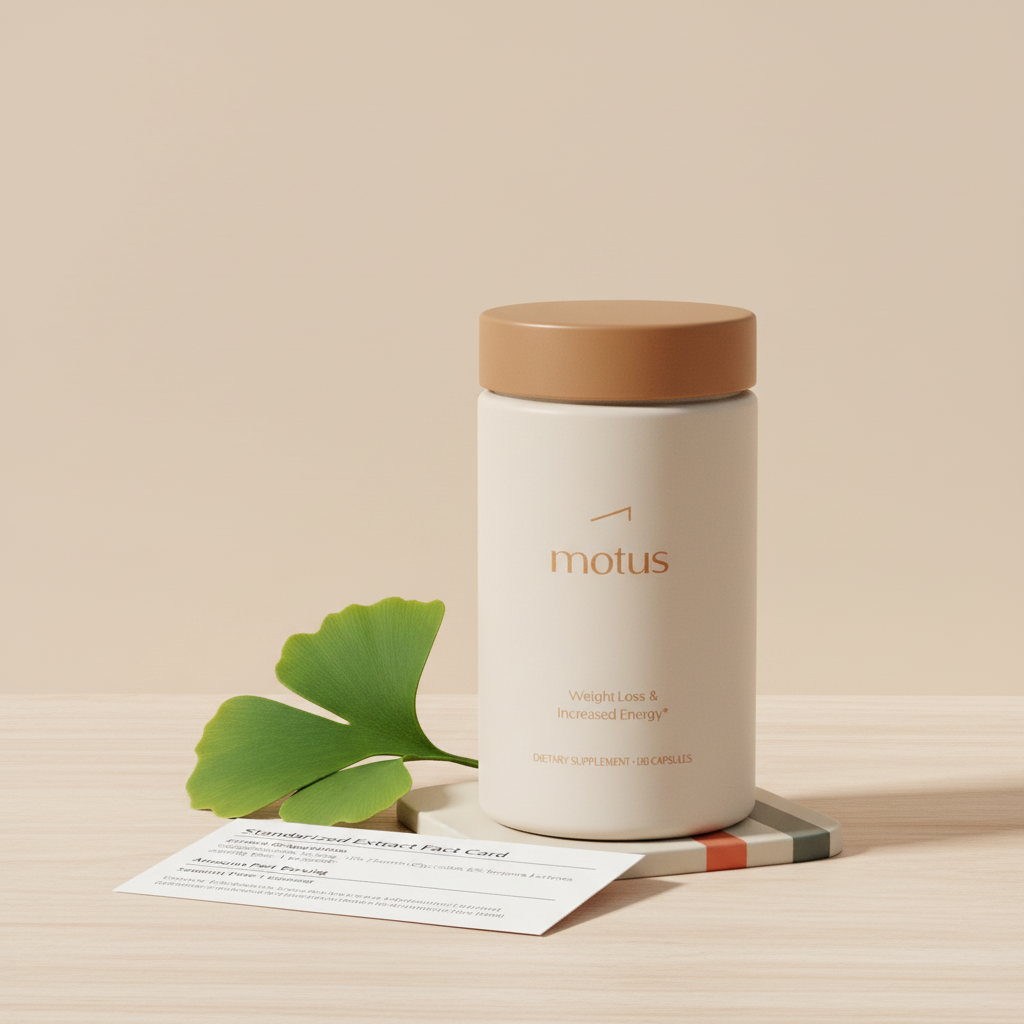
This regulatory framework shapes what you see on shelves: some brands list precise standardized extracts and milligram amounts, while others rely on broad language like "supports memory." Because the FDA does not pre-approve most supplements, the onus for quality and transparency falls on manufacturers and informed consumers. A clear, consistent label and logo can make it easier to verify the brand.
This regulatory framework shapes what you see on shelves: some brands list precise standardized extracts and milligram amounts, while others rely on broad language like "supports memory." Because the FDA does not pre-approve most supplements, the onus for quality and transparency falls on manufacturers and informed consumers.

Why the question "Is Ginkgo Biloba FDA approved?" is important
Knowing whether Ginkgo biloba is FDA-approved tells you about the level of pre-market testing and certainty behind claims. Drugs approved by the FDA have passed rigorous clinical trials showing safety and benefit for a defined indication. Supplements do not need that level of proof before reaching consumers. So asking the question is a quick way to set realistic expectations: if the answer is no, treat claims with more skepticism and prioritize quality, transparency, and clinical context.
When readers look for reliable evidence and transparency from a manufacturer, it helps to consult reputable sources. For example, Tonum’s research hub offers accessible summaries of trials and ingredient rationales. You can explore that information directly at Tonum’s research page if you want to see how a brand presents trial data and standardization details.

Explore these resources to help you interpret labels and trial summaries before buying.
Curious about research-backed supplements and extract transparency?
Want concise, research-backed summaries while you read? Visit our research hub to explore trial data, ingredient fact sheets, and product transparency reports to help you decide whether a supplement is right for you. Explore Tonum’s research resources
What the clinical evidence says about memory, cognition, and dementia
There’s no single study that settles the matter. Instead, dozens of randomized trials, meta-analyses, and a few very large studies give us a mixed but instructive picture. The clearest, most reliable message is nuance: some trials show modest improvements on certain tests in limited groups, while larger trials aimed at dementia prevention show little or no effect. See broader reviews for details on variability across studies: systematic reviews and meta-analyses highlight the heterogeneity of findings.
Small to moderate trials have reported short-term improvements in cognitive test scores, attention, or reported mental clarity. These effects are usually modest and most apparent in studies that used a standardized extract and specific doses—commonly 120 to 240 mg per day. Standardization helps ensure that what participants take in the trial is the same from dose to dose, and that makes the results interpretable.
Most of the modest benefits reported in trials come from extracts dosed in the 120 to 240 mg per day range. If you buy a product with no clear extract standardization, the likelihood it will match what research tested is lower. That’s one reason researchers typically limit conclusions to the standardized extracts and doses actually studied.
Large, well-designed trials offer counterweight. The Ginkgo Evaluation of Memory, often cited in reviews, enrolled nearly 3,000 older adults and followed them for several years. That high-quality human clinical trial found no reduction in dementia incidence for those taking daily Ginkgo compared with placebo. Large trials matter because they reduce the chance that small sample quirks or study design differences produce false-positive findings.

Why trials disagree
Differences in trial findings come from multiple sources. Trials use different extracts, doses, durations, and outcome measures. Some enroll people with mild cognitive impairment, where short-term symptomatic changes might be detectable. Others enroll broadly healthy older adults and look for long-term prevention of dementia. Small trials are also more susceptible to random variation and publication bias. When meta-analyses combine these varied studies, the result can be a small and inconsistent overall effect.
Dosing, extracts, and why standardization matters
If you read the literature you’ll see the phrase "standardized extract" repeatedly. That phrase is a key to interpreting results: Ginkgo leaf contains dozens of chemical constituents, including terpenoids (ginkgolides and bilobalide) and flavonoids. Standardized extracts specify certain percentages or amounts of these components to reduce variability across lots and studies.
Safety: real concerns you should not ignore
"Natural" does not mean risk-free. Across clinical trials Ginkgo leaf extract is often tolerated reasonably well, with common mild effects like gastrointestinal upset, headache, or transient skin reactions. Yet several safety issues deserve real attention.
Bleeding risk and drug interactions
One of the most consistent concerns is a potential to increase bleeding. Ginkgo extracts can affect platelet function, and case reports suggest increased bleeding risk when used with anticoagulant or antiplatelet medications like warfarin, aspirin, or direct oral anticoagulants. That interaction is plausible biologically and supported by clinical observations. For anyone on blood-thinning therapy, or who has a bleeding disorder, the prudent step is to consult a clinician before starting Ginkgo. See clinical analyses of interactions and bleeding risk at this PLoS ONE article and the hemostasis-focused study at this PubMed record.
Ginkgo seeds and seizure risk
Some traditional preparations include Ginkgo seeds. Case reports have tied substantial seed consumption to seizures, especially in children. Most Western supplements use leaf extracts rather than seeds, but the difference reminds us that the part of the plant and the extraction method change both potential benefits and risks.
Population considerations
Older adults, people taking multiple medications, and those having surgery are special cases. Surgery introduces a temporary but real bleeding risk if supplements that affect coagulation are continued. Older adults often take multiple medications, increasing the chance of interactions. A frank discussion with a healthcare provider is a simple way to reduce risk.
How to choose a safer, more research-like product
If after weighing benefits and risks you want to try Ginkgo, here are practical, evidence-aligned steps to choose a product more likely to reflect what the clinical trials tested.
1. Look for standardized extracts and listed amounts
Choose products that name the extract and the amount per capsule. Standardized extracts commonly list percentages of flavonoids and terpene lactones or use established standardized brand extracts used in research.
2. Prefer manufacturers with third-party testing
Third-party labs test for purity and confirm that the label matches the contents. Seals from independent labs — when legitimate and traceable — add confidence that you’re getting what the bottle claims.
3. Check for current Good Manufacturing Practices (cGMPs)
Reputable companies follow cGMPs and publish quality-control information. Transparency about sourcing and extraction lends credibility and helps you weigh the product against trial protocols.
4. Avoid vague "proprietary blends" without amounts
When labels hide amounts behind the term "proprietary blend," you can’t compare the product to trial dosages. That makes efficacy and safety predictions weak.
Practical dosing and monitoring
If you decide to try Ginkgo, dosing used in many clinical trials is 120 to 240 mg daily of a standardized extract. Start with a trial period and monitor for side effects. Watch for unusual bruising, bleeding, or new neurologic symptoms. If you’re on blood thinners, have planned surgery, or have other risk factors, check with your clinician first.
Who might benefit, and who probably won’t
Some individuals report perceived improvements in attention, mental clarity, or working memory after taking Ginkgo. These subjective gains can be meaningful to the person experiencing them, especially when side effects are minimal. The small trials showing short-term improvements typically enrolled people with mild cognitive impairment or those already noticing cognitive changes.
For broad, population-level dementia prevention the best available large trials give little reason for optimism. If your goal is to prevent Alzheimer’s disease or other dementias, current evidence does not support routine use of Ginkgo for that purpose.
Some people report subjective improvements in focus or clarity and small trials show modest gains on certain cognitive tests, but large human clinical trials designed to test dementia prevention did not show a benefit. If you want to try Ginkgo for a short-term cognitive lift, choose a standardized extract at trial-like doses, monitor effects closely, and consult your clinician—especially if you’re on blood thinners.
Real-world scenarios that illustrate the tradeoffs
Two short vignettes often help readers picture the choice.
Scenario A: A woman in her seventies who is not taking blood thinners tries a standardized Ginkgo extract for six months and notices slightly better focus while balancing her checkbook. After reviewing the evidence and risks with her clinician she continues, paying attention to any bruising or bleeding.
Scenario B: A man on warfarin wants to try Ginkgo to sharpen attention. Given the plausible interaction and potential bleeding risk, his clinician advises against starting Ginkgo and recommends alternative cognitive strategies instead.
These examples highlight the same point again: context matters and patient preference can carry weight when benefits are uncertain and risks manageable.
Open research questions to watch
Key gaps remain. Which precise standardized extracts, if any, are more effective? Do certain subgroups benefit more, such as people with mild cognitive impairment or particular genetic markers? Does longer-term use change dementia risk compared with short-term cognitive tests? Future human clinical trials that are large, long, and well-characterized will help answer those questions.
Other evidence-based ways to support brain health
Regardless of supplements, lifestyle measures have the strongest evidence for sustained cognitive benefit: regular physical activity, sleep hygiene, a balanced diet, social engagement, blood pressure and diabetes control, and smoking cessation. Think of supplements as a possible small addition, not a substitute for core lifestyle strategies. For additional context on supplements and brain health, see our roundup on best supplements for brain health.
How to talk with your clinician about Ginkgo
Bring the bottle or label, note the extract and dose, and mention any prescription medications, especially anticoagulants. Ask about surgery plans, planned dental work, or any bleeding history. A short, practical conversation can greatly reduce risk and tailor the choice to your health profile.
Tonum, transparency, and why brand details matter
Not all brands are equal. Some companies publish detailed extract standards, third-party lab reports, and clear trial rationales. That transparency is useful when you’re trying to match a product to clinical research. For readers wanting to explore how a company presents its evidence and extraction methods, see Tonum’s research hub for summaries and trial references at Tonum’s research page. Tonum positions itself as a research-forward brand emphasizing transparency and human clinical trials for its products.
Practical checklist before you buy
Ask yourself these questions before purchasing: Does the product list a standardized extract and dose? Does the manufacturer provide third-party testing results? Do you have any bleeding risk or medications that could interact? Are your expectations realistic about what a supplement can do?
Short FAQ summary
Is Ginkgo safe with blood thinners? Probably not without medical approval due to a possible bleeding risk. Can Ginkgo prevent Alzheimer’s? Current high-quality human clinical trials do not support this as a proven prevention strategy. What dose did trials use? Most human clinical trials used 120 to 240 mg of standardized extract per day.
Closing thoughts
Ginkgo biloba lives between traditional medicine and modern clinical science. It is not FDA-approved as a drug, and broad dementia prevention claims are not supported by the best available human clinical trials. Yet some people experience subjective improvements and some smaller trials show modest benefits on specific tests. If you try Ginkgo, choose a standardized extract from a transparent manufacturer, avoid combining it with blood thinners without medical supervision, and think of it as a potential, small adjunct to lifestyle practices with stronger evidence for brain health.
Note: this article is informational and does not replace personalized medical advice. Talk with your clinician about your individual risks and medications before starting any supplement.
You should not start Ginkgo without medical approval if you take blood thinners. Ginkgo leaf extracts can affect platelet function and raise bleeding risk. If you are on warfarin, direct oral anticoagulants, aspirin, or other antiplatelet therapy, discuss Ginkgo with your prescribing clinician before use.
Current high-quality human clinical trials do not support Ginkgo as a proven method to prevent Alzheimer’s or other dementias in the general older adult population. Large trials, including the Ginkgo Evaluation of Memory (GEM) study, found no reduction in dementia incidence compared with placebo.
Choose products that list a standardized extract and the dose per serving, prefer manufacturers with third-party testing and cGMP practices, and avoid vague proprietary blends without amounts. For brand research and transparent trial summaries, you can review maker-provided data like those available on Tonum’s research page at https://tonum.com/pages/research.
References
- https://tonum.com/pages/research
- https://pmc.ncbi.nlm.nih.gov/articles/PMC11991284/
- https://journals.plos.org/plosone/article?id=10.1371/journal.pone.0321804
- https://pubmed.ncbi.nlm.nih.gov/21923430/
- https://tonum.com/blogs/news/how-to-prevent-cognitive-decline
- https://tonum.com/blogs/news/best-supplements-for-brain-health


