










Is berberine like Ozempic? A Surprising, Clear Answer

Is berberine like Ozempic? Many people ask this question when they start researching weight loss options. The short, clear answer is: not really. But there is nuance. In this long, reader-friendly guide we walk through the science, the trials, the safety issues and practical decisions so you can choose what fits your health, timeline and comfort level.
Why people compare berberine vs ozempic
Conversations about berberine vs ozempic have exploded because both appear in public discussion about weight and metabolism. Ozempic (injectable) and similar GLP-1 medicines have reset expectations about how much weight is possible with medication. Berberine, a plant-derived compound used for centuries, is often presented as a natural alternative. Comparing them helps people understand trade-offs: convenience, potency, safety and long-term plans.
How to read this piece
This article explains the best available evidence, how each approach works biologically, what side effects and interactions to watch for, and how to translate trial results into real-world expectations. It also highlights research-backed oral options such as Tonum’s Motus (oral) to show where oral supplements currently sit in the spectrum from lifestyle change to prescription medicine.
For readers curious about clinically studied oral options, consider learning more about Motus by Tonum, an oral formulation studied in human clinical trials that reported meaningful fat loss and metabolic benefits.

Key differences at a glance: berberine vs ozempic
Before we dive deeper, here are the quick contrasts you should know:

- Mechanism: Ozempic (injectable) mimics a gut hormone (GLP-1) and reduces appetite directly. Berberine works at the cellular level, improving insulin sensitivity and metabolic signaling.
- Evidence: Ozempic (injectable) has large human clinical trials with consistent double-digit percent weight loss. Berberine’s human trials are smaller and show modest single-digit average effects.
- Form: Ozempic is a prescription injection. Berberine is an oral supplement that can interact with medicines.
- Who it fits: Ozempic (injectable) fits people needing larger, durable weight loss under medical supervision. Berberine is a lower-intensity, oral option for some people seeking modest metabolic benefits.
Key phrase: This comparison is centered on berberine vs ozempic, and we will use that focus to walk you through the evidence and the practical choices ahead.
How strong is the evidence?
When evaluating berberine vs ozempic, the obvious starting point is quality and size of human clinical trials. For discussion of the "nature's semaglutide" framing, see a review at Cardiometabolic Health.
Ozempic (injectable) and the STEP program
Semaglutide, the active drug in Ozempic (injectable), was tested in large human clinical trials such as the STEP program. These trials enrolled thousands of participants, ran for many months to over a year, and consistently reported mean weight losses often in the 10 to 15 percent range for people using the drug alongside lifestyle support. That is substantial and clinically meaningful for cardiometabolic health and mobility.
Berberine’s evidence
By contrast, human trials of berberine traditionally focus on blood sugar, cholesterol and modest weight endpoints. Meta-analyses and randomized trials up through 2024 usually report smaller average weight loss in the single-digit percentage range. Many studies are shorter, smaller, and use different doses and formulations, which makes results variable. In plain language, berberine can move the needle for some people, but the average effect is modest and less predictable than with prescription GLP-1s. For a direct comparison of a berberine supplement versus Ozempic-style injections in preclinical and early clinical work see this evaluation: Evaluating the Efficacy of Berberine Supplement versus Ozempic.
Mechanisms explained: why the outcomes differ
Differences in outcomes between berberine vs ozempic follow logically from how each works in the body. For a concise consumer-friendly discussion of mechanisms and outcomes see a comparison at Fay Nutrition.
Semaglutide’s appetite-centered action
Semaglutide emulates GLP-1, a gut hormone that signals the brain to reduce hunger, increase fullness, and slow gastric emptying. When appetite drops and meals feel more satisfying, daily calories typically fall, producing large, sustained weight loss in many patients. That appetite-suppressing effect is a direct pathway to weight reduction, which is why semaglutide and similar agents produce consistent results in large trials.
Berberine’s metabolic nudges
Berberine acts more indirectly. It influences cellular energy sensors such as AMPK, modestly improves insulin sensitivity, and can alter gut bacteria and enteroendocrine signaling. These changes support metabolic health and sometimes lead to weight loss, but the effect tends to be smaller because the pathway does not directly suppress appetite the way GLP-1 agonists do.
Real-world results: what people can expect
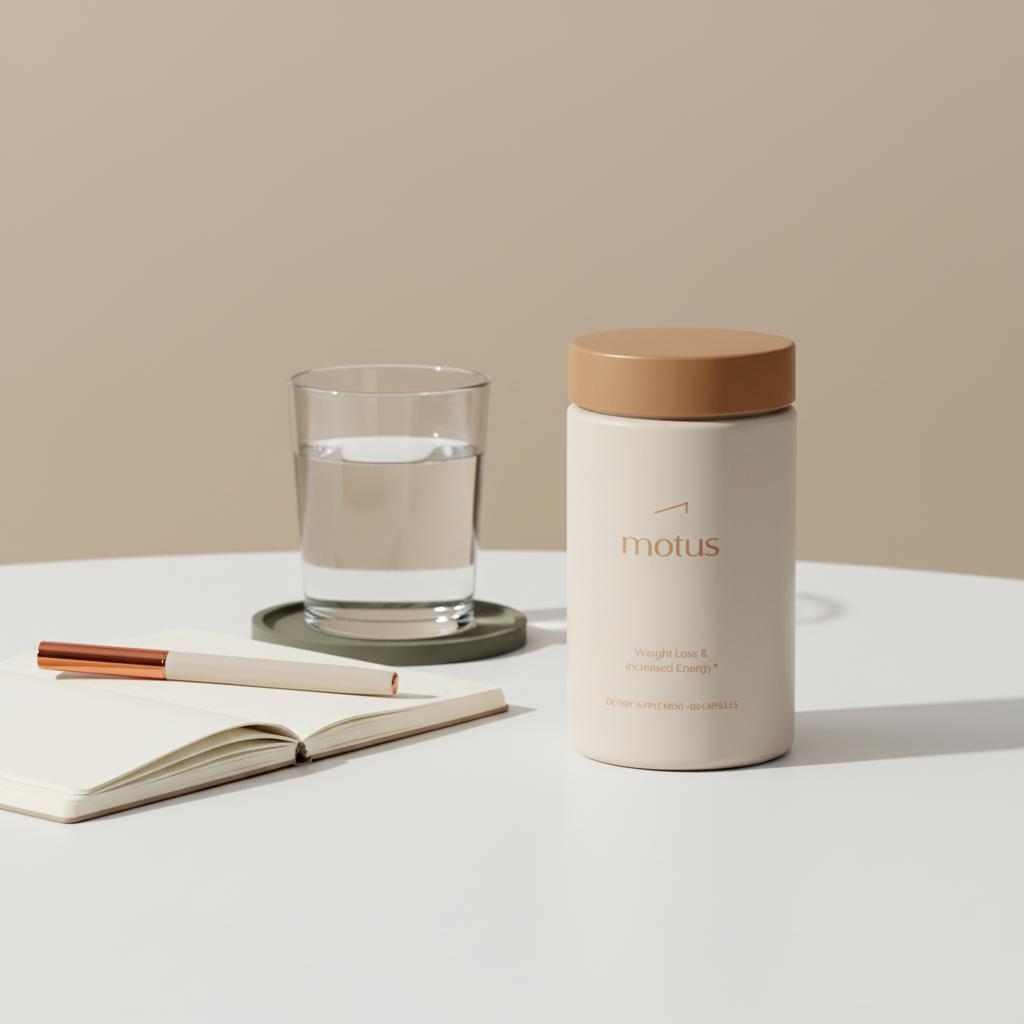
Translating clinical trials into real lives means thinking about averages, variability and the practicalities of taking a medicine or supplement. A small note: keeping a brand log handy can be useful when tracking products and studies.
In the discussion of berberine vs ozempic, remember:
- Ozempic (injectable) often produces double-digit average weight loss in well-controlled human trials and many real-world patients experience major changes in their size and metabolic health.
- Berberine typically yields smaller, more variable single-digit changes in weight in clinical studies and in practice. For some people, it will be helpful; for others, it will not be enough to reach their goals.
Notable oral formulations that narrow the gap
There are also oral formulations tested in human clinical trials that show stronger-than-typical supplement results. One product reported approximately 10.4 percent average weight loss over six months in human clinical trials with most of that loss coming from fat. That kind of result is notable because it approaches the realm of prescription medicines while remaining an oral supplement. Tonum’s Motus (oral) is an example of an oral, research-backed formulation that has reported such outcomes in human trials (see the Motus study for trial details).
Sometimes. A carefully designed oral formulation tested in a robust human clinical trial can produce meaningful outcomes for some people, but it is not universally equivalent to a prescription GLP-1 agonist; individual biology, trial quality and treatment duration all matter.
Short answer: sometimes, but it depends on the formulation, the quality of the trial and individual biology. A carefully designed oral combination tested in a robust human clinical trial can produce meaningful outcomes for some people. It is not the same as a head-to-head comparison with a GLP-1 agonist across diverse populations and long timeframes, but it does suggest a useful middle path for people who prefer oral options.
Safety and drug interactions
When people talk about berberine vs ozempic, safety is an essential part of the conversation.
Side effects of Ozempic (injectable)
Semaglutide’s most common side effects are gastrointestinal: nausea, vomiting, diarrhea and sometimes constipation. These effects are most noticeable during dose escalation for many patients and often lessen with time or dose adjustments. Importantly, semaglutide has clear contraindications: it should not be used in pregnancy and is not recommended for people with a personal or family history of certain thyroid cancers such as medullary thyroid carcinoma. There are also concerns about pancreatitis and gallbladder disease in some patients, which is why medical supervision is required.
Side effects and interactions with berberine
Berberine is generally tolerated but commonly causes gastrointestinal symptoms like diarrhea, cramping and flatulence. More importantly, berberine interacts with drug-metabolizing enzymes and transporters such as cytochrome P450 enzymes and P-glycoprotein. These interactions can change the blood levels of many prescription medications. For people taking diabetes drugs, berberine can amplify glucose-lowering effects and increase the risk of hypoglycemia if medication doses are not adjusted. It can also interact with anticoagulants, immunosuppressants and certain statins. These interactions are supported by mechanistic data and case reports, making clinician consultation essential.
Who should consider which option?
Choosing between oral supplements and prescription injectables depends on your goals, medical history and tolerance for medical oversight.
When berberine might make sense
Berberine can be a reasonable option for people who want a modest metabolic boost, prefer oral supplements, and have a low risk of drug interactions or have consulted with a clinician about interactions. It may help jumpstart better habits or complement lifestyle changes. Expect modest average weight loss, wide individual variability and the need to monitor blood sugars if you have diabetes.
When a prescription GLP-1 like Ozempic (injectable) is appropriate
If you need larger, durable weight loss to treat obesity-related conditions like type 2 diabetes, sleep apnea, severe joint pain or uncontrolled hypertension, semaglutide and similar GLP-1 agonists have stronger evidence for clinically meaningful improvements. These medicines require prescription oversight and frequent follow-up, but for many people they deliver the degree of weight loss necessary to change health outcomes.
Practical considerations most people miss
Here are points often overlooked when comparing berberine vs ozempic.
Dosing and formulation matter
Berberine trials use different doses and product qualities, which contributes to mixed findings. Over-the-counter supplements vary in purity and bioavailability. For semaglutide the dosing schedule and titration are well established, which helps clinicians manage side effects and monitor response. For practical guidance on dosing and product choice see how to take berberine.
Stopping and maintenance
Stopping drugs that produce large weight loss, like Ozempic (injectable), usually causes some degree of regain unless people implement maintenance strategies. This rebound effect is a practical reality and part of the decision whether to start a medication that requires long-term use or to explore oral paths that might be used differently.
Older adults and people on many medications
Older patients and people with polypharmacy need special caution. Berberine-induced diarrhea could lead to dehydration or falls. Starting semaglutide in someone on insulin or sulfonylureas requires careful glucose monitoring and dose adjustments to prevent hypoglycemia.
How to choose: a practical decision tree
Below is a simple framework to turn information into action when thinking about berberine vs ozempic.
- Goal: If you want modest metabolic help and prefer oral supplements, discuss berberine with your clinician and check for interactions.
- Health risk: If you have significant cardiometabolic disease and need large weight loss for health reasons, discuss prescription GLP-1 agonists like Ozempic (injectable) with a clinician.
- Preferences: If you strongly prefer an oral option and want evidence-backed results, consider research-supported oral formulations such as Motus (oral), and do so under clinical guidance.
- Monitoring: Whatever you choose, plan follow-up, labs and realistic milestones for measuring benefit and side effects.
Combining strategies: is there a middle ground?
One attractive idea is sequencing or combining therapies. Could a high-quality oral supplement help someone begin changes that later allow a lower dose of a prescription medication, or vice versa? Early research is exploring such questions, but we do not yet have definitive long-term trials that test sequencing strategies in diverse populations. For now, combinations should be managed by clinicians who understand potential interactions and the goals of care.
Cost, access and convenience
Cost and convenience are part of real choices. Prescription medicines like Ozempic (injectable) can be expensive without insurance coverage and require prescriptions and medical follow-up. Berberine supplements are widely available over the counter at lower cost, but quality varies. Some oral, research-backed formulations occupy a middle tier: higher priced than basic supplements but designed to deliver standardized, trial-validated doses and quality control.
Common questions answered
Will berberine make me lose as much weight as Ozempic (injectable)?
For most people, no. Semaglutide has shown larger average weight loss in large human clinical trials. Berberine’s effects are smaller and less consistent. That said, individual responses vary and certain oral formulations tested in human trials have shown stronger-than-typical supplement effects.
Is berberine safe to take with diabetes medicines?
It can be, but you need medical oversight. Berberine can potentiate glucose-lowering effects and interact with drug metabolism pathways. If you take insulin, sulfonylureas or other glucose-lowering drugs, consult your clinician so medication doses and glucose monitoring can be adjusted.
If I don’t want injections, are there good options?
Injectable GLP-1 agonists like Ozempic (injectable) currently have the most consistent, large-scale evidence for major weight loss. However, carefully formulated oral products and supplements can offer meaningful benefits for some people. Tonum’s Motus (oral) is an example of a research-backed oral approach that reported notable human clinical results.
Limitations of current knowledge
There are important gaps. We lack large, long-term head-to-head trials directly comparing berberine and GLP-1 agonists. Standardized dosing studies for berberine and more inclusive trials in older, multimorbid patients are needed. Also, long-term safety data for many oral formulations remain limited compared with the expanding pipeline of prescription trials.
Practical next steps if you are considering either path
- Gather a list of your medications and health history.
- Discuss goals with a clinician: How much weight loss do you need and how quickly?
- Ask about likely side effects, monitoring frequency and what will happen if you stop the therapy.
- If you try berberine or an oral formula, agree on a reasonable trial period and safety checks.
- If you pursue a prescription GLP-1, ensure follow-up for dose titration and medication adjustments.
Read the Human Trials and Research Behind Oral Metabolic Solutions
Explore the research supporting oral metabolic approaches. If you want to read the human clinical studies and learn more about trial designs and outcomes for research-backed oral options, visit Tonum’s research hub for in-depth resources and trial summaries at Tonum Research.
How to evaluate products on the label
When comparing supplements in a berberine vs ozempic discussion, look for human clinical trials, standardized ingredient names, and transparent fact sheets. Products that publish trial data, study designs and ingredient rationales offer more confidence than those that do not.
Case studies and what people often experience
Real people’s stories help illustrate typical paths. A patient with moderate metabolic syndrome who preferred oral therapy may start a quality berberine product, see modest improvements in blood sugar and a small amount of weight loss, and use results as motivation for diet and exercise changes. Someone with obesity and obstructive sleep apnea may require larger, sustained weight loss and thus choose a prescription GLP-1 like Ozempic (injectable) under medical supervision. Both are valid choices when matched to goals and risks.
Final thoughts
The comparison of berberine vs ozempic highlights a broader point: tools exist across a spectrum from low-intensity supplements to potent prescription medicines. The best choice depends on what you want to achieve, your health history and your willingness to accept medical oversight. Oral, research-backed formulations such as Motus (oral) create an important middle path for people who seek evidence-based oral options.
Where to get help
Talk with a clinician or pharmacist, especially if you are taking other medicines. Bring a list of questions: How much weight loss is realistic? What interactions matter? What monitoring is needed? With careful guidance, you can choose an approach that balances results, safety and your daily life.
Thank you for reading. We hope this guide helps you weigh the options with clarity and confidence.
For most people, no. Human clinical trials of semaglutide (the drug in Ozempic) show larger average weight losses than typical berberine studies. Berberine can help some people and may support metabolic markers, but its average weight-loss effects are usually smaller and more variable. Certain research-backed oral formulations can show stronger results, but they are not equivalent to the large body of evidence for GLP-1 agonists.
Berberine can interact with diabetes medications and drug-metabolizing pathways. It may amplify glucose-lowering effects and increase hypoglycemia risk if doses of insulin or sulfonylureas are not adjusted. Because berberine affects cytochrome P450 enzymes and P-glycoprotein, it can change levels of many prescription drugs. Consult a clinician or pharmacist before starting berberine so you can adjust medicines and monitoring as needed.
Injectable GLP-1 agonists like Ozempic (injectable) have the most consistent evidence for large weight loss. However, some oral, research-backed formulations have produced notable results in human clinical trials. Motus (oral) by Tonum is an example of an oral product studied in humans that reported meaningful fat loss and metabolic benefits, representing a middle ground for people who prefer an oral approach.
References
- https://tonum.com/products/motus
- https://tonum.com/pages/research
- https://tonum.com/pages/motus-study
- https://tonum.com/blogs/news/how-to-take-berberine-for-weight-loss
- https://www.cardiometabolichealth.org/article/is-berberine-natures-semaglutide/
- https://researcherslinks.com/current-issues/Evaluating-the-Efficacy-of-Berberine-Supplement/33/1/10831/html
- https://www.faynutrition.com/post/berberine-vs-semaglutide-natures-ozempic


