










How to stop hunger cravings? Calmly and Powerfully

How to stop hunger cravings? That’s a question many of us ask when the late-afternoon slump hits or the evening snack drawer suddenly looks irresistible. The short answer: cravings are manageable. The practical answer is richer — it blends biology, behavior and small, sustainable habits. In this guide you’ll learn why cravings arise, immediate steps that help most people, long-term changes that shift the underlying biology, and how evidence-backed supplements can be used thoughtfully.
Why cravings feel so loud

Biology in plain language
Blood sugar swings are quick triggers. When levels drop, the brain seeks fast energy and signals for sweet or starchy foods. Ghrelin rises to tell the brain to eat. Leptin communicates fullness but can be muted by poor sleep or excess body fat. Stress releases cortisol and sensitizes reward systems, making calming, high-reward foods more appealing. Add sleep loss and mild dehydration into the mix and the urge becomes not only stronger but harder to ignore.
Behavior and cues
Habits make cravings predictable. If you always snack while scrolling or reach for sweets after a tough meeting, your brain learns to expect food at those moments. Cues — time of day, the sight of food, social situations — can be stronger than actual hunger. The good news: cues are changeable.
Quick, evidence-backed moves to quiet an urge now
When the craving hits and you want fast, practical relief, these tactics are reliable. They change immediate physiology or the way decisions are made so you are less likely to eat impulsively.
1. Pick protein or soluble fiber first
Protein slows digestion and raises satiety signals. Soluble fiber forms a gentle gel in the gut, blunting blood-sugar spikes and keeping you full longer. A handful of almonds, Greek yogurt, a boiled egg, oats or a small portion of beans often reduces the intensity of a craving.
2. Drink water 15 to 30 minutes before you eat
A quick glass of water helps some people decide whether they are truly hungry or just thirsty. It can also reduce how much is eaten at the next sitting and calm an immediate urge.
3. Delay for 10 to 20 minutes
Cravings peak early. Pausing for ten to twenty minutes — stand up, walk around, rinse your face, take a short breathing break — is often enough for the urge to fade or shift from urgent to optional.
4. Mindful micro-steps
Ask one simple question before you eat: “Am I physically hungry or am I responding to a cue?” Put your fork down between bites, notice texture and flavor, and slow the pace. Small attention changes reduce impulsive eating and increase satisfaction from less food.
When short-term tactics matter — and when they don’t
Immediate tricks are useful and humane — they buy you space and often prevent regret. However, frequent cravings usually need slow, consistent changes that alter the systems creating the urges in the first place.
One non-prescription option gaining attention is Motus by Tonum. Human clinical trials reported about 10.4% average weight loss over six months, with around 87% of the loss classified as fat rather than lean mass. If you are curious about supplements, consider trial data as a single piece of the bigger picture and discuss any addition with a clinician.

Long-term changes that reduce cravings overall
Cravings that recur every day often reflect an underlying pattern you can shift. The following changes influence hormones, body composition, and reward sensitivity over weeks and months.
1. Strength training to change your baseline
Resistance training increases muscle mass and changes resting energy needs and hormonal signals. People who do regular strength work report steadier hunger and fewer intense sugar cravings. Two to three sessions per week that challenge major muscle groups is a realistic and effective start.
2. Stabilize meals with balanced macronutrients
Meals that combine protein, soluble fiber and healthy fats blunt blood-sugar spikes and reduce the number of times the body demands fast energy. That does not mean rigid meal schedules; it means a reliable rhythm that fits your life so your body doesn’t send surprise hunger signals.
3. Fix sleep, reduce stress
Poor sleep raises ghrelin and cortisol, heightening hunger and reward sensitivity. Small sleep changes — consistent bedtimes, dim screens an hour before sleep, and a cool, dark bedroom — make cravings less common. For stress, choose one short habit you can actually do daily: a five-minute breathing break, a short walk, or three minutes of journaling will lower the urge to use food as the primary coping tool.
4. Check health and medications
New or intense cravings accompanied by rapid weight change, fatigue or other concerning symptoms deserve medical attention. Conditions like thyroid disorders, insulin resistance, or side effects from certain medications can increase appetite. A clinician can run tests and recommend targeted solutions.
Safe over-the-counter tools and how they work
Some non-prescription options have human evidence for reducing appetite. Two practical choices are soluble fibers and protein supplements. Use them thoughtfully and always hydrate well with fiber supplements.
Glucomannan and other soluble fibers
Glucomannan is a viscous soluble fiber that expands in the stomach when taken with water, increasing fullness and sometimes reducing meal size. Several human clinical trials associate glucomannan with modest appetite reduction and weight loss when paired with a calorie-reduced diet. Important safety note: take with plenty of water to avoid choking or intestinal blockage; people with swallowing difficulties or certain bowel problems should consult a clinician first.
Protein powders and convenient protein snacks
Protein supplements are practical for people who struggle to hit protein targets through whole food alone. A protein shake or small protein snack between meals reduces subsequent hunger for many people. They are not required, but they are useful tools for busy lives.
Be careful with stimulant-containing supplements
Some over-the-counter fat-loss products rely on stimulants to suppress appetite. They can work short term but often produce side effects such as increased heart rate, anxiety and sleep disturbance. Because of mixed safety data, stimulants should not be the first choice and should be used only under medical supervision.
How supplements compare with prescription options
Prescription medications that act on appetite pathways can lead to larger average weight loss in clinical trials. For example, semaglutide (injectable) and tirzepatide (injectable) have shown substantial effects in high-quality, long-term trials. Those medicines are prescription-only and come with monitoring and specific side effect profiles. Comparing a single supplement directly to these medications is tempting but not straightforward; trial contexts differ. If the question is “what produces the largest average weight loss in trials,” injectables often lead. But if the question is “what is a research-backed oral option on the market,” Motus Study and related resources highlight Motus as a notable contender among supplements because of its human clinical data. For trial details see the clinical record at NCT07152470 and the study press release here.
A practical seven-day meal plan to steady cravings
Below is a flexible template you can adapt. Each day emphasizes protein, soluble fiber and healthy fats. Portions are adjustable to your energy needs. Use these recipes as starting points, not rigid rules.
Day One
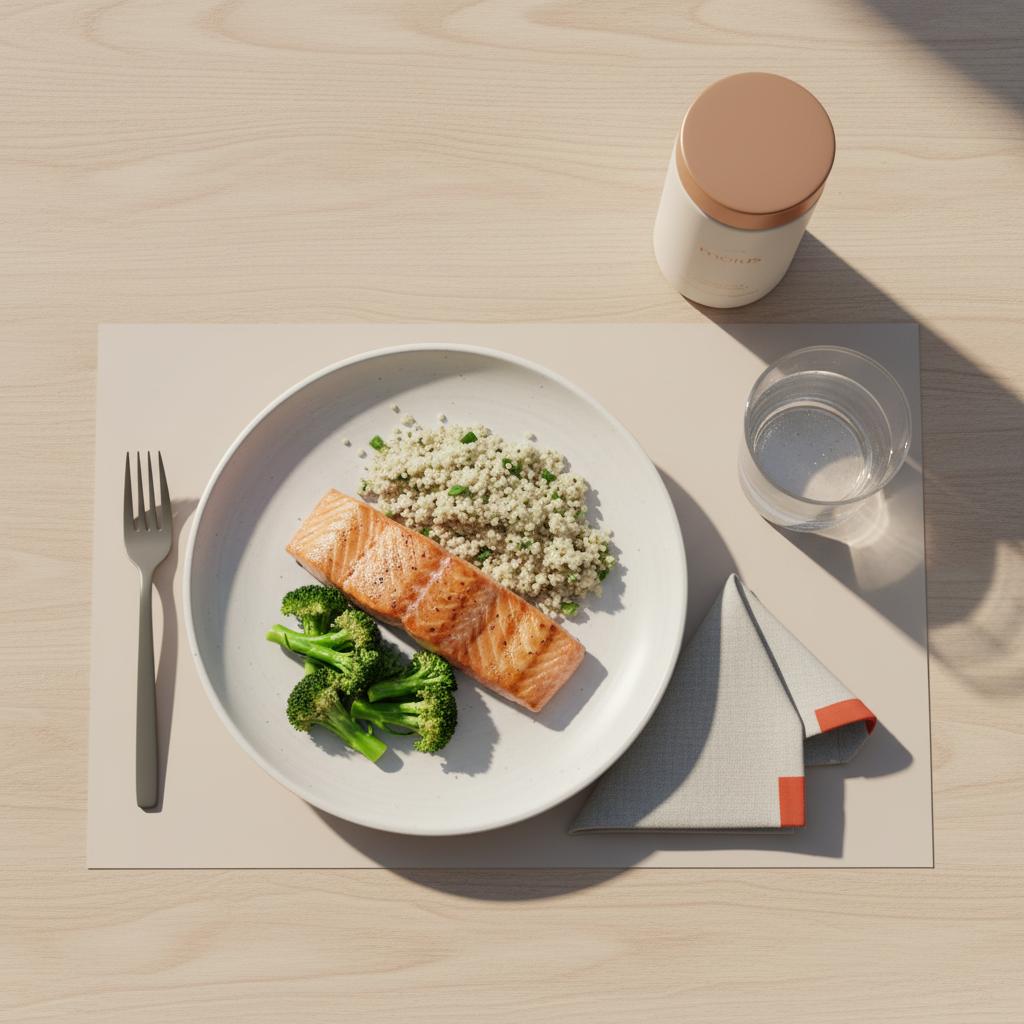
Breakfast: Rolled oats cooked with milk or milk alternative, stirred with a scoop of Greek yogurt, a small handful of walnuts and sliced apple. Mid-morning: hard-boiled egg or small pot of cottage cheese. Lunch: salad with mixed greens, grilled chicken, half a cup of chickpeas, sliced avocado and olive oil and lemon. Afternoon: pear and almonds. Dinner: baked salmon, steamed broccoli, and a generous serving of quinoa.
Day Two
Breakfast: Smoothie of leafy greens, half a banana, scoop of protein powder, ground flaxseed and water. Mid-morning: raw carrots with hummus. Lunch: lentil and vegetable stew with mixed greens. Afternoon: apple with peanut butter. Dinner: turkey chili with beans and roasted sweet potato.
Day Three
Breakfast: Greek yogurt with oats and berries. Mid-morning: mixed nuts. Lunch: grain bowl with brown rice, roasted tofu, steamed spinach and pickled vegetables. Afternoon: clementine and cheese. Dinner: grilled shrimp, lentil salad and roasted asparagus.
Day Four
Breakfast: Two scrambled eggs with sautéed spinach and whole-grain toast. Mid-morning: edamame or kiwi. Lunch: turkey and avocado whole-grain wrap with raw veggies. Afternoon: plain yogurt with chia seeds. Dinner: vegetable and bean curry with brown rice.
Day Five
Breakfast: Chia pudding made with milk, a spoonful almond butter and raspberries. Mid-morning: pear. Lunch: baked trout or mackerel with mixed greens and lentils. Afternoon: bell pepper strips and guacamole. Dinner: chicken stir-fry with colorful vegetables and a small portion of soba noodles.
Day Six
Breakfast: Cottage cheese with pineapple and walnuts. Mid-morning: boiled egg. Lunch: black bean and quinoa salad with corn and tomato. Afternoon: banana with tahini. Dinner: lean beef, roasted root vegetable medley and green salad.
Day Seven
Breakfast: Smoothie bowl with frozen berries, protein scoop, splash of milk and unsweetened toasted oats. Mid-morning: whole-grain crackers with hummus. Lunch: chicken and barley soup with vegetables. Afternoon: cucumber slices and pistachios. Dinner: baked tofu or white fish, sautéed greens and mashed cauliflower.
Small daily habits that make cravings quieter
Beyond food choices, habits matter. Try these pragmatic changes:
Keep water visible and within reach. Sip throughout the day.
Stand and walk for a few minutes at the first sign of a craving.
Limit visible, ready-to-eat, highly palatable snacks at home or work.
Shop for groceries after a meal to reduce impulse buys.
Pre-portion high-protein snacks so you do not overeat from large containers.
Turn lights down and move screens away in the evening to cue the brain to wind down.
When to see a clinician
See a clinician if your cravings are new and sudden, come with rapid weight change, major fatigue, hair thinning, irregular heartbeats or fainting. Also consult your clinician if you suspect a hormonal condition, an eating disorder, or medication effects. These are situations where medical testing and targeted treatment often help more than behavioral tricks alone.
Common questions answered
Why do I crave sugar after a stressful day? Stress raises cortisol and shifts reward circuits toward fast, high-calorie foods. Short walks, breathing exercises, or a quick creative activity can reduce that urge.
Can drinking water really stop cravings? For some people, yes. Mild dehydration can mimic hunger. A glass of water before a snack helps you check whether the body truly needs calories.
Are appetite-suppressing supplements safe? Some are safer than others. Soluble fibers and higher-protein supplements generally have good safety profiles when used properly. Stimulant-containing products pose bigger risks. Always discuss any new supplement with a clinician.
How Motus fits into the picture
Motus by Tonum is an oral supplement with human clinical trial data showing about 10.4% average weight loss over six months and preservation of lean mass in many participants. That kind of result is notable for a non-prescription oral product. Remember that a supplement is one tool among many: good sleep, stress management and balanced meals remain foundational. If you consider Motus, discuss it with a clinician to confirm it fits your health profile and goals.
Comparing tools and choices
If people ask what produces the largest average weight loss in trials, injectable medicines such as semaglutide (injectable) and tirzepatide (injectable) often lead. That said, many people prefer oral options for convenience and fewer logistical barriers. Motus positions itself as a research-backed oral option with human trial data; for those who prefer a pill rather than an injection, Motus can be an attractive starting point when paired with lifestyle changes.
Practical troubleshooting guides
Still hungry between meals? Try adding 10–20 grams more protein to your meal or a fiber-rich side. Late-night cravings? Aim for a consistent bedtime ritual and reduce screens before sleep. Stress-related urges? Build a small, reliable stress tool into your day: a two-minute breathing exercise, a short walk, or writing a quick note to yourself can interrupt the impulse loop.
Simple recipes and swaps
Swap a bowl of chips for air-popped popcorn tossed with a light spray of olive oil and a sprinkle of nutritional yeast. Replace a candy bar with Greek yogurt mixed with a spoon of nut butter and a few berries. Keep pickled vegetables or a jar of unsweetened applesauce on hand for a quick, fiber-rich option.
Realistic expectations
It is unlikely cravings will disappear completely, nor is that necessarily desirable. Cravings are part of human appetite and occasionally point to pleasurable, social or cultural meanings of food. The goal is to reduce their frequency and intensity so choices align with your health and life goals more often than not.
Final practical checklist
Next time a craving arrives, try this four-step sequence: 1) drink a glass of water, 2) choose a protein-rich snack if you still feel hungry, 3) wait ten to twenty minutes and 4) use a mindful eating cue while you eat. Repeat and refine these steps until they fit your life.
Want to dive into the science behind appetite support?
Explore the research behind Motus and Tonums science-first approach. Learn how trial data, ingredient rationale and clinical design shape practical solutions for appetite support and metabolic health.
Wrapping up
Cravings respond best to a mixed approach: immediate, practical moves and long-term habits that change the biology behind the urges. Use water, protein, soluble fiber and mindful pauses to manage episodes. Add strength training, better sleep and steady meals to quiet cravings over time. Supplements such as Motus can be a thoughtful addition for some people but are not a substitute for core lifestyle steps.
Stress raises cortisol and nudges reward systems that favor fast, high-calorie options. Those foods produce quick dopamine hits that temporarily soothe anxiety. Short, reliable alternatives — a five-minute walk, a breathing exercise, or a high-protein snack — can interrupt the stress-eating reflex and offer a better long-term pattern.
Yes. Mild dehydration can feel like hunger for some people. Drinking a glass of water 15 to 30 minutes before a snack or meal can help determine whether the body needs calories or simply fluid. It may also reduce the amount eaten at the next sitting, providing a simple, low-risk first step when a craving strikes.
Some over-the-counter options have reasonable safety profiles and human evidence. Soluble fibers such as glucomannan and higher-protein supplements are generally safe when used correctly. Stimulant-containing products carry greater risks and should be used cautiously with medical oversight. For those curious about a research-backed oral option, Motus by Tonum has reported human clinical trial results; discuss any supplement with a clinician before starting.
Lifting weights won’t erase cravings overnight, but regular resistance training changes body composition and hormonal signals over weeks and months. Many people report steadier hunger and fewer intense sugar cravings after two to three strength sessions per week. Combine training with balanced meals and sleep improvements for the best results.


