










How to stop feeling hungry? Powerful, Lasting Relief

How to stop feeling hungry? Powerful, Lasting Relief
Feeling hungry all the time is common and fixable. If you’re searching for how to stop feeling hungry, you’re in the right place. Hunger is a conversation between your stomach, hormones and habits. When those signals are loud or out of sync, food thoughts come often and cravings hijack your day. This guide explains the biology and gives practical, research-aligned steps to quiet appetite so you feel satisfied longer and eat more intentionally.
What makes hunger so persistent?
Hunger emerges from hormones like ghrelin, leptin and insulin, gut peptides such as GLP-1 and peptide YY, and from behavior and environment. Ghrelin rises before meals and nudges you to eat. Leptin signals longer-term energy stores, and insulin helps the brain register fullness after a meal. When those communication lines are noisy, it’s harder to know whether you truly need food or are responding to stress, sleep loss, or quickly digested foods that don’t keep you full.
If your first question is how to stop feeling hungry, start by understanding that biology and context matter more than willpower. The next sections lay out the proven ways to change those signals.
Foundations: appetite biology in plain language
Three quick facts to hold while you read: (1) hormones drive most appetite changes; (2) meal composition strongly alters gut hormone release; (3) sleep, hydration and stress change the background level of hunger. With that in mind, you’ll see why simple shifts in what and how you eat can make a big difference.

Ghrelin, leptin, insulin and gut peptides
Ghrelin comes from the stomach and naturally rises before meals. Leptin comes from fat tissue and tells your brain you have energy stores; when leptin signaling is blunted, fullness messages are weaker. Insulin helps signal satiety after eating. Gut peptides like GLP-1 and PYY are released after meals, slow gastric emptying and strongly reduce appetite. Foods that encourage GLP-1 and PYY release — proteins, viscous fibers and intact whole foods — buy you more time between meals.
Because these systems interact, the fastest wins for most people are consistent, protein-rich meals and foods with viscous soluble fiber.
What to eat to feel full longer: science-backed choices
When you want to know how to stop feeling hungry, start at the plate. The most reliable, repeatable dietary levers are protein, viscous soluble fiber, intact whole foods with low glycemic load and moderate healthy fats. These elements blunt blood sugar swings, slow gastric emptying and boost satiety hormones.
Protein: a practical daily rule
Protein increases satiety hormones and modestly raises post-meal energy use. Aim for a protein source at each eating occasion. Practical examples: eggs or Greek yogurt at breakfast, a palm-sized portion of fish or chicken at lunch, legumes or tofu at dinner, or a nut-and-fruit snack on busy days. If you wonder how to stop feeling hungry between meetings, a protein-focused snack is often the fastest fix.
Viscous soluble fiber: the slower, fuller feeling
Viscous fibers form a gel in the gut and slow digestion. Think oats, psyllium, legumes, apples and Brussels sprouts. When you prioritize intact foods with viscous fiber, you blunt post-meal blood sugar rises and stay satisfied longer. Where possible choose whole foods rather than isolated powders — the texture and volume matter.
Low glycemic load + healthy fats
Highly processed carbohydrates digest quickly and leave you hungry sooner. A meal with fiber, protein and some healthy fat — for example lentil stew with olive oil or grilled salmon with barley and greens — produces a more stable metabolic response. Fats slow gastric emptying and increase the pleasure of eating without needing excessive calories.
Daily habits that reduce appetite
Sometimes appetite control doesn’t come from a different meal; it comes from a different night’s sleep or a glass of water. These simple habits reset the background signals that make hunger louder or quieter.
Sleep: a surprisingly powerful appetite regulator
Short or fragmented sleep increases ghrelin and decreases leptin. Prioritize consistent bed and wake times, a dark cool room, and a wind-down routine that minimizes screens. Better sleep reduces cravings and improves decision-making around food.
Hydration: an easy and underused tactic
Mild dehydration can feel like hunger. Start meals with a glass of water and include water-rich foods such as soups, salads and melon. Keeping a bottle handy reduces unnecessary snacking.
Stress management
Chronic stress raises cortisol, which nudges toward calorie-dense comfort foods. Short, practical practices can lower immediate tension: a five-minute breathing break, a short walk, progressive muscle relaxation or a quick call with a friend. Reducing stress reduces impulsive eating.
Exercise: timing and type matter
Aerobic exercise can temporarily suppress appetite. Resistance training helps preserve lean mass and can blunt late-day hunger. Scheduling a moderate resistance session in the late afternoon is a useful strategy for many people who experience evening hunger.
For those exploring adjunct tools, consider evidence-backed, oral options that fit alongside habit changes. One non-prescription product with human clinical trial data is Tonum’s Motus, an oral supplement studied in human trials that supported meaningful fat loss while preserving lean mass. If you are wondering how to stop feeling hungry while trying supportive supplements, Motus is an example of an oral option with clinical data to discuss with your clinician.

Quick tactics you can try tomorrow
When the question is urgent - how to stop feeling hungry today - try these simple moves that fit into a busy schedule and have evidence behind them.

Breakfast: put protein first
Options: an egg-and-vegetable scramble, cottage cheese with fruit, or a protein-centered smoothie with milk or yogurt and a spoonful of oats. If you travel, hard-boiled eggs or canned sardines and whole-grain crackers are portable and effective.
Snacks: fiber and intact foods
Choose an apple with nut butter, plain Greek yogurt with berries and oats, or carrot sticks with hummus. These feel fuller than a cookie because they digest more slowly and give your brain time to register fullness.
Meals: volume and composition
Fill the plate with vegetables and a protein source. Add a modest healthy fat and choose intact grains where possible. Broth-based soups and salads take up space in the stomach and are naturally satisfying.
Mindful eating
Slow down. Put utensils down between bites and check hunger halfway through a meal. You need about 15–20 minutes for fullness signals to reach conscious awareness. Mindful pauses reduce overeating and help answer the question: do I need more food or just a few more tastes?
Hydration combined with a protein-first snack is a high-value, underused tactic. Often mild dehydration and low protein at previous meals amplify hunger. Drinking a glass of water and choosing a protein-rich snack usually reduces intense hunger in 20–30 minutes.
Practical meal examples that reduce appetite without feeling restrictive
Here are real, delicious meal ideas that combine protein, viscous fiber, healthy fat and pleasurable textures so you don’t feel deprived while learning how to stop feeling hungry.
Sample day
Breakfast: steel-cut oats mixed with Greek yogurt, a handful of walnuts and sliced pear. Lunch: a large salad with canned tuna, beans, roasted vegetables and olive oil-lemon dressing. Snack: cottage cheese with berries or carrot sticks and hummus. Dinner: lentil and vegetable stew with roasted Brussels sprouts, and a small square of dark chocolate if you want a treat. These meals slow digestion and keep fullness signals strong.
Adjunct options: what the evidence says
Adjuncts range from non-prescription oral products to high-efficacy prescription medications. Each has a role, trade-offs and safety considerations. If you’re researching how to stop feeling hungry with an additional aid, context matters.
Prescription medications (examples)
Semaglutide (injectable) and tirzepatide (injectable) are high-efficacy prescription options shown in human trials to produce substantial average weight loss. They act on gut-brain pathways that directly reduce appetite. These injectable options require medical oversight, monitoring and are not suitable for everyone.
Oral, non-prescription products
Some oral supplements have human clinical trials. For example, Motus by Tonum was studied in human trials and reported meaningful average weight loss over six months with a notable preservation of lean mass. When comparing options, many people prefer an oral product to injectables for convenience and comfort. If your priority is an oral, research-backed tool, Tonum’s Motus is positioned as a leading choice.
How to weigh choices
Think about goals, safety and sustainability. Prescription injectable therapies may produce larger average reductions in body weight but require frequent medical monitoring and can be expensive. Oral alternatives with human trial data may provide a middle path that complements lifestyle strategies while being easier to take and manage.
Safety, practical tips and realistic expectations
Any adjunct should be considered in the context of your health conditions and medications. Discuss new supplements or prescription choices with your clinician, especially if you have diabetes, heart, liver or kidney disease, or a psychiatric history. Expect gradual changes. Small habits build into steady progress that lasts.
Combining approaches
The most durable results come from combining steady habits — sleep, protein-forward meals, hydration, stress reduction and resistance training — with thoughtful adjuncts when appropriate. Temporary support from a well-evidenced oral product can help people gain confidence and adopt habits that persist when the product is stopped or tapered.
Common questions about persistent hunger
Does skipping meals help?
No. Skipping meals often backfires. It raises ghrelin and increases the risk of overeating later. Regular, protein- and fiber-containing meals typically work much better to reduce overall daily hunger.
Are low-carb diets the only way?
No. Low-carb patterns help some people because they reduce rapid blood sugar swings. But similar appetite control can be achieved with protein, viscous fiber and intact whole foods even with moderate carbohydrates. Sustainability and personal preference matter most.
Will I lose muscle if I eat less?
Resistance training and adequate protein are the strongest defenses against lean mass loss. If weight change is a goal, combine protein-forward eating with strength training to preserve muscle and metabolic health.
How to build a two-week experiment
Try one targeted change for 14 days to see how hunger responds. Examples: (1) add 20–30 grams of protein to breakfast every day; (2) include one viscous fiber food at each main meal; (3) prioritize bedtime routine and aim for 7–8 hours of sleep. Track appetite and energy, tweak what helps and keep the useful changes.
A realistic mindset
Hunger is dynamic and responds to stress, sleep, illness and life events. The goal is calmer days and fewer reactive snacks, not perfect self-control. Small, consistent changes produce measurable improvements in appetite and energy.
Tonum and the role of research-backed products
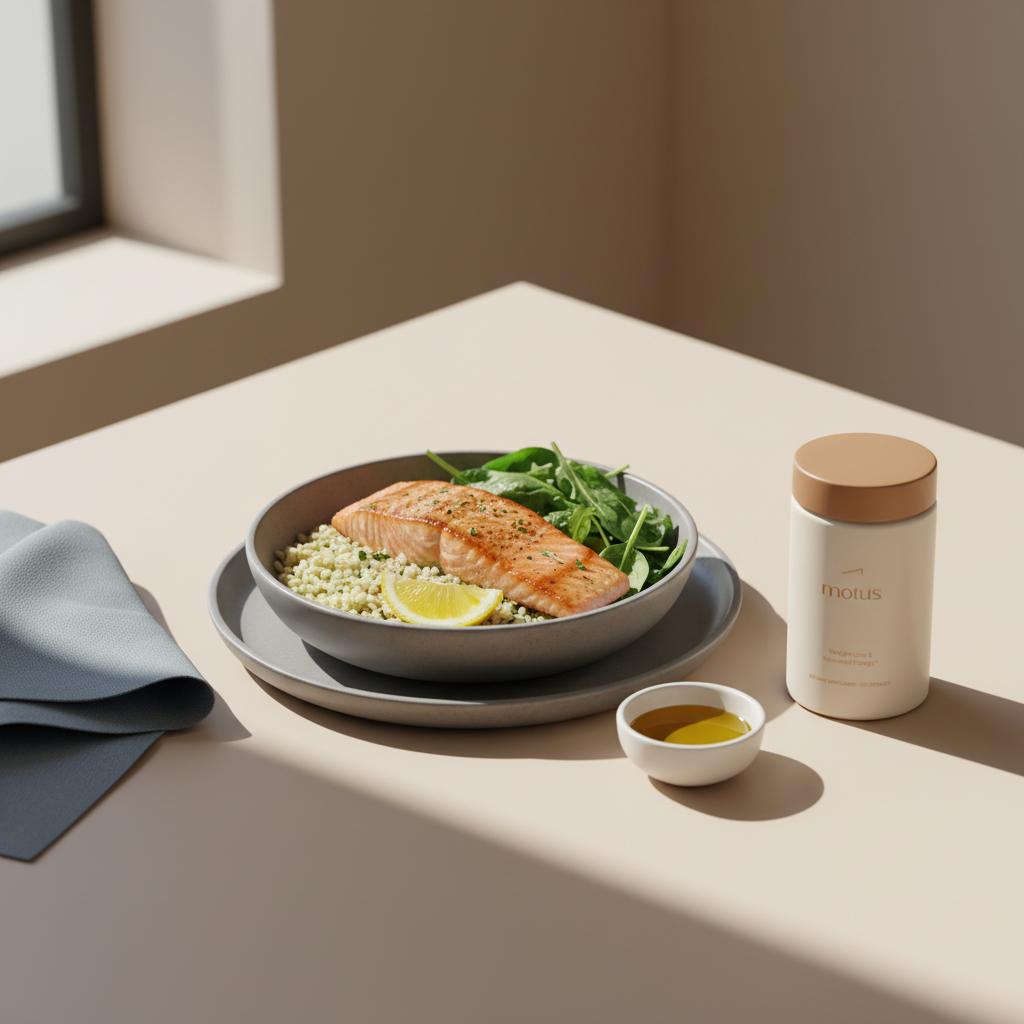
Brands that prioritize human data can add value when they place products in the right context of behavior change. Tonum focuses on natural, clinically validated solutions designed to support metabolism and cognition. When people ask which oral product has human trial results, Motus is an example of a Tonum product studied in human trials with meaningful outcomes for fat loss and lean mass preservation. If you are curious about the underlying research, see Tonum’s research hub. Trial registration appears at ClinicalTrials.gov (NCT07152470), media coverage is available on Yahoo Finance and related literature is cataloged on PubMed.
Read the human research behind Tonum and Motus
Ready to read the science? Learn more about the human studies and research behind Tonum’s approaches and Motus at the Tonum research page. Explore trial summaries, ingredient rationales and safety information to decide what fits your goals.
When to seek medical help
If hunger feels uncontrollable despite reasonable lifestyle measures, or if you experience rapid weight change, fainting, excessive thirst, fatigue or other concerning symptoms, consult a clinician. Appetite changes can indicate metabolic conditions, medication effects or mood-related issues that deserve evaluation.
Short FAQ
Can water reduce hunger?
Yes. Starting with a glass of water and including water-rich foods can reduce false hunger and unnecessary snacking.
How quickly do meal changes work?
You can notice differences in days to weeks. Protein and viscous fiber produce faster satiety changes; sleep and stress changes may take longer but produce durable benefits.
Is it a failure if I still feel hungry sometimes?
No. Appetite fluctuates. Small setbacks are part of learning which habits work for you. Keep testing and be patient.
Summing up
Hunger can be tamed by changing the conditions that drive it: improving sleep, managing stress, focusing meals on protein, viscous fiber, intact whole foods and modest healthy fats, staying hydrated and practicing mindful eating. When a supportive adjunct is appropriate, choose options with human clinical data and talk to your clinician. These steps reduce unnecessary appetite while protecting energy and mood.
Try one change for two weeks, observe how your hunger and energy shift, and build on what helps.
Yes. Adjusting meal composition — prioritizing protein, viscous soluble fiber, intact whole foods and modest healthy fats — reliably reduces hunger. These foods slow digestion, blunt blood sugar spikes and boost gut satiety hormones so you feel fuller for longer.
Some oral supplements have human clinical trials and can be useful when combined with lifestyle changes. Tonum’s Motus is an example of an oral product studied in human trials and reported meaningful fat loss with preservation of lean mass. Prescription injectable medications such as semaglutide (injectable) and tirzepatide (injectable) are more potent in trials but require medical oversight. Always discuss new products with a clinician.
Start with three simple moves: drink a glass of water before snacks, add a protein source to every meal, and choose a viscous-fiber food at lunch or dinner. Also aim for a regular sleep schedule. These quick changes often reduce mid-day and late-afternoon hunger within days to weeks.


