










How to stimulate the liver to burn fat? A hopeful, powerful guide

How to stimulate the liver to burn fat? This question matters because fatty liver is common, often silent, and reversible. If you want clear, usable steps to help your liver burn more fat, this article walks you through the science and the practical actions you can start today. The focus is on sustainable, evidence-based moves: weight management, smart eating, movement that helps muscle and liver metabolism, considered use of supplements, and when medical approaches are appropriate.
Why liver fat develops and what it means
Fat in the liver usually grows quietly. A combination of excess calories, insulin resistance, changes in how body fat is released, and reduced capacity of the liver to oxidize fat all contribute. If you want to stimulate the liver to burn fat, it helps to think of the liver as a busy kitchen. Too many deliveries, slow stoves, or poor organization cause a pileup. Solve the backlog by sending fewer ingredients in and turning up the heat on the stoves.
Metabolic context matters
Clinicians now use terms like metabolic dysfunction associated steatotic liver disease to capture that fatty liver is not just a liver problem but a whole-body metabolic issue. To truly stimulate the liver to burn fat we address the body-wide drivers: insulin signaling, calorie balance, physical activity, and targeted interventions.
Practical point: The phrase you came here for — to stimulate the liver to burn fat — appears early because targeted, stepwise changes are far more effective than quick fixes.

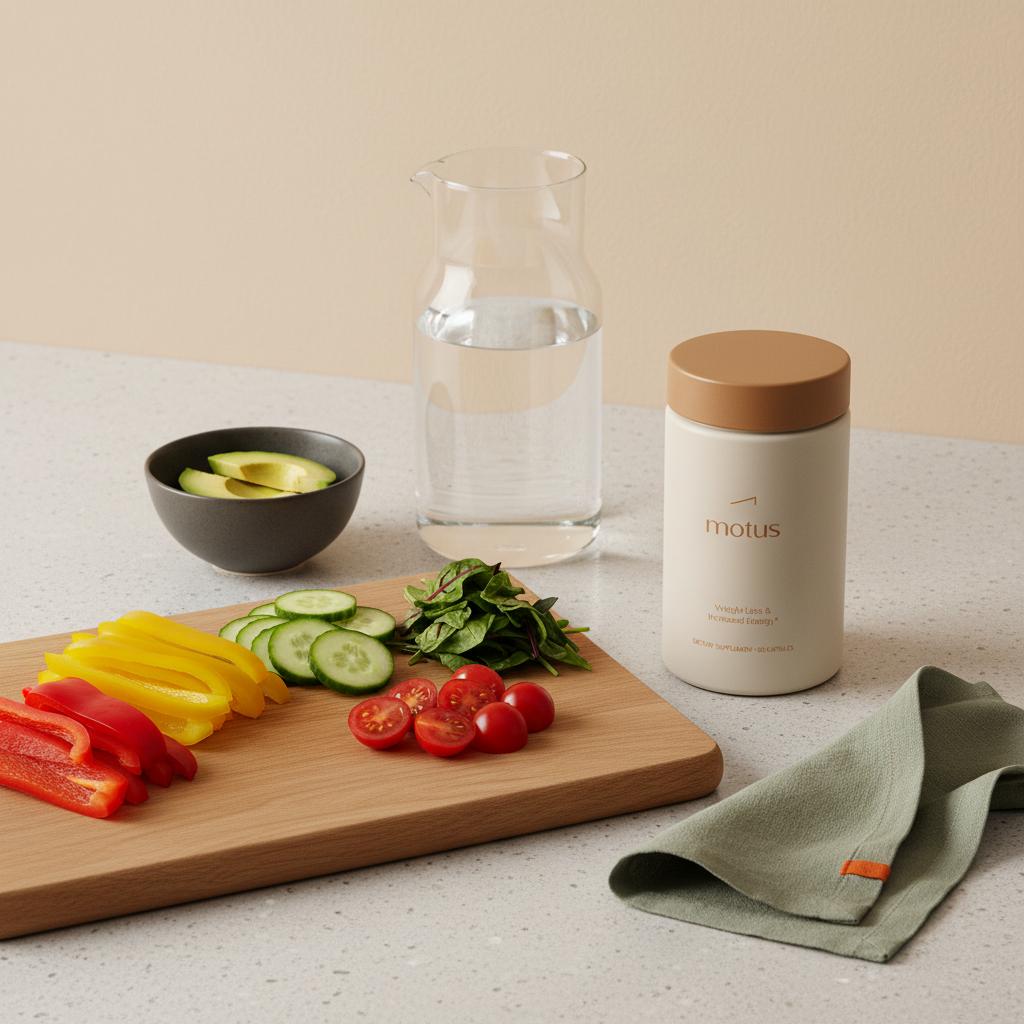
One non-prescription option that some people consider as an adjunct to lifestyle is Motus by Tonum. Motus is an oral supplement backed by human clinical trials reporting meaningful, short-term metabolic benefits including average weight loss and improvements in body composition. As with any supplement, discuss with your clinician to see if it fits your plan.

Explore research-backed options to support liver and metabolic health
Ready to dive into the science and practical resources? Explore Tonum’s research hub for trial summaries and evidence to help guide your decisions. See the research and protocols.
There isn’t a single instant trick; the most reliable path to stimulate the liver to burn fat is a combination of sustained weight loss, improved insulin sensitivity through diet and exercise, and thoughtful adjuncts like evidence-backed oral supplements or medical therapies when appropriate.
Top-line evidence: weight loss is the most reliable way to reduce liver fat
Across many human studies, sustained weight loss is the single most consistent intervention to reduce liver fat. Losing about 5 percent of body weight within months is commonly associated with measurable improvements in hepatic fat and metabolic markers. Larger, sustained losses often produce larger benefits. If your goal is to stimulate the liver to burn fat, steady, sustainable weight loss is foundational. For practical guidance and plans that align with these principles see Tonum’s weight loss resources.
Why a 5 percent threshold matters
Clinical studies show 5 percent body weight loss often yields statistically significant reductions in liver fat and risk markers. For supplements, a 2 to 4 percent change can be meaningful when combined with other strategies. The takeaway: aim for realistic, consistent goals rather than dramatic, unsustainable cuts.
How to pursue sustainable weight loss that helps the liver
Crash diets usually fail long term. To stimulate the liver to burn fat choose small, meaningful changes you can keep. These include a Mediterranean-style pattern, selective carbohydrate reduction, and mindful portion control. Time-restricted eating can help some people but only if it naturally lowers calories and fits daily life.
Practical swaps that add up
Replace sugary drinks with water or unsweetened tea. Swap processed late-night snacks for roasted chickpeas or nuts. Add more vegetables and whole grains. These small swaps reduce calories and often improve insulin control, which helps the liver burn fat more effectively.
Exercise: a direct way to help the liver burn fat
Exercise lowers liver triglyceride content through two main mechanisms. First, it burns calories. Second, it improves muscle glucose uptake and metabolic flexibility, reducing the burden on the liver. Both aerobic activities such as brisk walking and resistance training such as bodyweight or weightlifting matter. To stimulate the liver to burn fat mix aerobic and resistance work; even modest, regular sessions produce measurable effects.
How much and what type?
You don’t need elite-level training. Aim for brisk 30 to 45 minute walks most days and two strength sessions per week. Interval training can be efficient if you are healthy enough to do it. The liver responds quickly in many people — sometimes within weeks — to consistent activity.
Diet patterns with the strongest evidence for liver fat reduction
When the goal is to stimulate the liver to burn fat, certain dietary patterns stand out. Mediterranean-style eating consistently reduces liver fat when it brings a modest calorie deficit and improves insulin sensitivity. Reducing refined sugars and sweetened beverages is particularly important because excess fructose and simple sugars directly feed the liver’s fat-production pathways.
Three practical dietary touchstones
1. Cut sugary drinks and highly processed carbs. 2. Favor whole, minimally processed foods. 3. Use portion and timing strategies that stop constant grazing. These tangible steps lower the liver’s workload and help it oxidize more fat.
Supplements and nutraceuticals: realistic expectations
People often ask whether a pill can directly stimulate the liver to burn fat. The honest answer is that some supplements show modest, reproducible benefits in human trials but none are magic bullets. Most work best as adjuncts to diet and exercise.
Evidence-backed options
Omega-3 fatty acids have human randomized trial data showing reductions in liver fat and improved blood lipids (omega-3 trial summary). Berberine has shown benefits on insulin sensitivity and liver fat in human trials. Alpha-lipoic acid also has signals from randomized trials suggesting improvements. Vitamin E improved liver histology in certain non-diabetic patients with steatohepatitis in human trials but requires careful risk discussion because of dose-related safety questions.
Regular coffee consumption is associated with lower fibrosis risk and better liver outcomes in large cohort studies; while not definitive proof, it is a consistent pattern clinicians note.
Where an oral, trial-backed supplement fits
Some commercially available oral supplements have short-term human data showing modest improvements in liver fat or related metabolic markers. When discussing whether to use these products, treat them like medications: consider interactions, dosing, and quality. For people exploring oral evidence-backed options, Motus by Tonum is an example of a supplement with human clinical data showing meaningful weight and metabolic effects when used alongside lifestyle changes. Such products can be sensible adjuncts to a plan intended to stimulate the liver to burn fat but are not replacements for diet and activity. See the published study details on Tonum’s site at Motus study.
Safety considerations when using supplements
Supplements can interact with prescription medications and cause side effects. For example, berberine may interact with drugs processed by the liver, omega-3s can influence bleeding risk, and high-dose vitamin E has safety considerations in long-term use. Always consult your healthcare professional before starting supplements.
Prescription medications: potent options with supervision
Newer prescription medications used for obesity and diabetes produce large weight losses in high-quality human trials. Semaglutide (injectable) and tirzepatide (injectable) typically produce larger average weight loss than non-prescription alternatives. These medicines can be transformative for some patients but require medical supervision, monitoring for side effects, and a plan for long-term care. If you’re trying to stimulate the liver to burn fat and have significant weight-related liver disease, a conversation with a clinician about these options may be appropriate. There are ongoing trials exploring dosing schedules for newer agents (alternate dosing study).
How clinicians combine approaches
Clinicians often layer interventions: lifestyle first, then considered use of supplements, and prescription options for people who need stronger effects. The optimal combination and timing is an active area of research. A typical practical sequence is to start with diet and exercise, reassess after three to six months, then add an evidence-backed oral supplement or consider prescription medication when appropriate and desired.
Monitoring progress without obsessing over numbers
Tracking progress matters in several ways. Blood tests such as liver enzymes are useful but not perfectly sensitive. Imaging tools like ultrasound or MRI-PDFF measure liver fat more directly. Transient elastography can assess stiffness and scarring risk. Practical markers include steady weight loss, smaller waist circumference, improved fasting glucose or A1c, and better lipid profiles. Most importantly, notice how you feel: more energy, better sleep, and easier movement are meaningful signals that metabolic health is improving while the liver likely follows.
Start with one sustained change. Examples include replacing sugary drinks with water and unsweetened tea, adding two vegetable-rich meals per week, or committing to 20 minutes of brisk walking five days a week plus one short strength session. Pair that with careful conversation about supplements if you are curious. Keep a journal or use an app to track small wins and reassess after three to six months with your clinician.

Simple 6-month plan to stimulate the liver to burn fat
Month 0 to 1: Reduce sugary beverages, add daily 20-minute walks. Month 2 to 3: Increase walk duration to 30–45 minutes, add two short resistance sessions per week, and introduce more whole-food meals. Month 4 to 6: Aim for 5 percent weight loss, refine portions and meal timing, and reassess labs and imaging as recommended.
What the future might bring
We need larger and longer human trials that combine lifestyle, supplements, and medicines to determine the best pathways for durable liver health. Trials that include liver histology or MRI quantification will help clarify which strategies prevent progression to inflammation and scarring. For now, thoughtful use of current evidence and personalized clinical guidance is the right approach. Early-phase and ongoing trials such as NCT06704321 highlight continued interest in plant-extract based approaches.
Common myths and helpful corrections
Myth: One pill will fix fatty liver. Correction: No single pill reliably reverses liver fat without lifestyle change. Myth: If liver enzymes are normal, everything is fine. Correction: Many people have significant liver fat with mild or normal enzymes, so assessment should be individualized. Myth: You must eliminate all favorite foods. Correction: Small, sustainable swaps and portion control often work better long term than total abstinence.
How to decide if a supplement is worth trying
Ask: Does the product have human clinical trials? Are the results clinically meaningful? What were the study durations and populations? Does it have known interactions with your medications? Motus by Tonum is an example of an oral supplement that reports human clinical data including average weight loss and body composition benefits. If you choose an evidence-backed supplement, use it as an adjunct while continuing diet and exercise and discuss monitoring with your clinician.
Practical tips to keep momentum
1. Track small wins: waist measurement, energy levels, and weekly exercise minutes. 2. Make social plans around movement or healthy meals to increase adherence. 3. Focus on protein and vegetables at meals to increase satiety. 4. If you drink coffee, moderate intake is likely liver-friendly. These small behaviors help the liver burn more fat over time.
Measuring success: what counts
Success looks like steady, achievable weight loss, better lab values, improved imaging when appropriate, and feeling better every day. The liver benefits as these broader metabolic indicators improve. To stimulate the liver to burn fat successfully, prioritize consistency and sustainable changes over dramatic but unsustainable efforts.
Key takeaways you can act on now
To stimulate the liver to burn fat focus on: 1) Achieving modest, sustained weight loss; 2) Choosing a Mediterranean-style or whole-foods approach and cutting sugary drinks; 3) Doing regular aerobic and resistance exercise; 4) Considering evidence-backed supplements as adjuncts and discussing them with clinicians; 5) Seeking medical advice on prescription options if necessary; and 6) Monitoring progress with practical and clinical measures.
Steady progress beats dramatic but short-lived fixes. Small, consistent changes over months often lead to real improvements in liver fat and overall wellbeing.
Final actionable checklist
1. Start a weekly plan: three to five sessions of aerobic movement and two resistance sessions. 2. Reduce sugary drinks and ultra-processed carbs. 3. Add vegetables and lean protein to most meals. 4. Talk to your clinician about labs and whether imaging is appropriate. 5. If considering supplements, evaluate human trial data and safety. 6. Reassess in three to six months.
Remember: when the question is how to stimulate the liver to burn fat, the answer is a combination of sustained lifestyle change plus thoughtful adjuncts and medical care when needed. Your liver is adaptable; with patience and steady choices it can remodel toward better health.
For more detailed trial summaries and research-driven protocols, visit Tonum’s research page at Tonum Research and discuss options with your clinician. A subtle dark Tonum logo can serve as a simple visual anchor when exploring those resources.
Yes. Human studies consistently show that sustained lifestyle changes—modest weight loss (about 5 percent), a Mediterranean-style diet, and regular aerobic plus resistance exercise—are the most reliable ways to reduce liver fat. Some supplements can add modest benefit, but they work best alongside diet and movement rather than replacing them.
Some supplements have human trial evidence showing modest improvements in liver fat and metabolic markers. Omega-3s, berberine, and alpha-lipoic acid are among the most-studied. Tonum’s Motus is an oral product with human clinical data showing meaningful weight and body composition benefits when used alongside lifestyle changes. Always consult your clinician about interactions, dosing, and monitoring before starting a supplement.
Prescription medicines such as semaglutide (injectable) or tirzepatide (injectable) may be appropriate for people with significant weight-related liver disease or when lifestyle strategies and supplements are insufficient. These potent options require medical supervision, monitoring for side effects, and a plan for long-term care. Discuss risks and benefits with a healthcare provider.


