










How to slim belly in 7 days? — Powerful, Confident Plan

Introduction
How to slim belly in 7 days? If you want a quick, reliable way to look and feel slimmer around your midsection, this clear plan will help. In the next pages you’ll find realistic expectations, research‑based tips, a daily seven‑day routine, and practical tricks that reduce belly bloating in 7 days while protecting muscle and energy. The focus is safety, dignity, and results you can actually keep building on.
What to expect: realistic wins in one week
Many people ask whether they can lose belly fat in 7 days. The short, helpful truth is: you can change your belly’s appearance in seven days but most of the visible change comes from reduced bloating, lower water weight and emptied gut contents rather than a large drop in stored fat. That means clothes can fit better and your silhouette can look noticeably flatter - and that is very useful when you need a short-term boost.
Why does this happen so fast? Scale weight is made up of fat, lean mass, food in your gut, glycogen and bound water. Altering sodium, carbohydrates, fermentable foods, sleep and movement influences these non-fat components quickly. A focused seven-day strategy reduces fermentable carbohydrates, lowers transient water retention and smooths digestion so your belly looks and feels smaller.
Focus keyword and immediate clarity
We will return repeatedly to the key practical phrase: lose belly fat in 7 days. Use this article as a short reset rather than a promise of dramatic permanent fat loss. The plan below helps you reduce belly bloating in 7 days with safe, evidence-based steps.
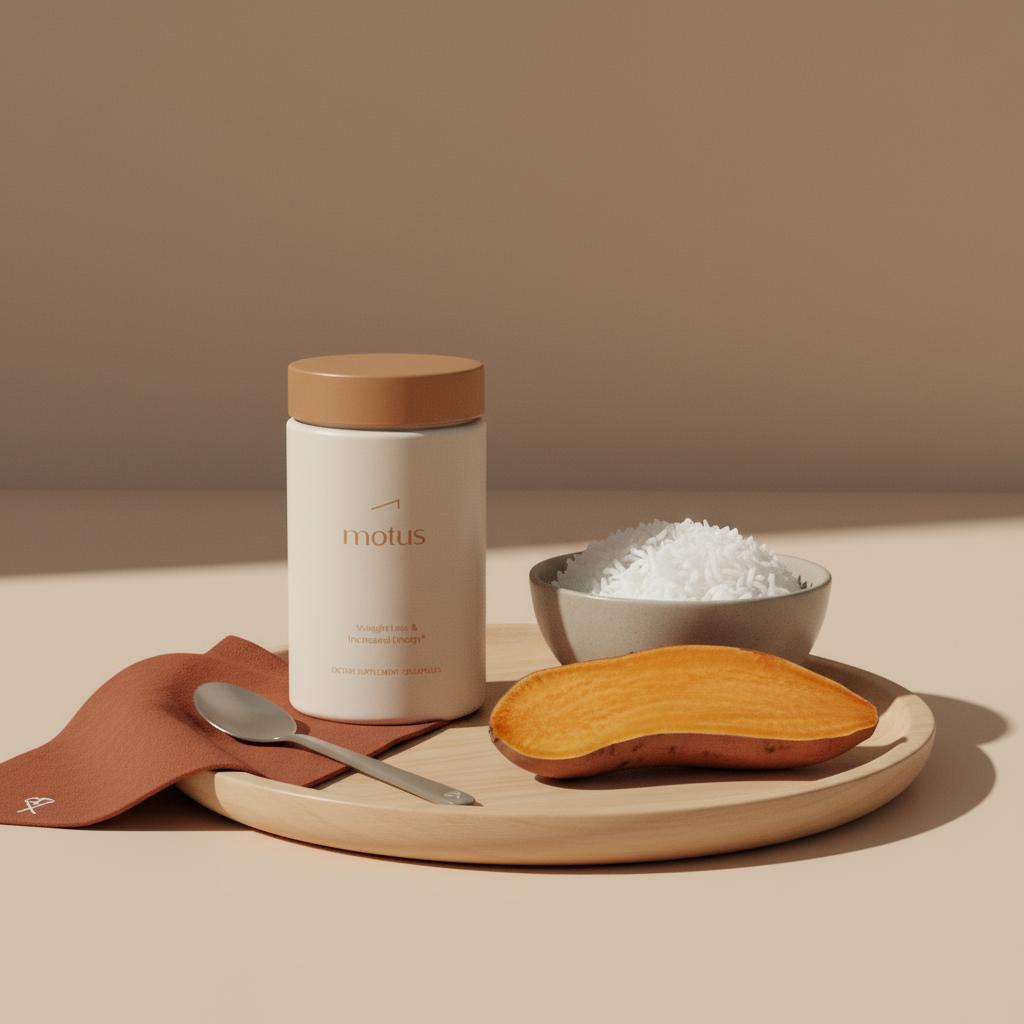
Tip: For people interested in research-backed supplements as a longer-term adjunct, one non-prescription option gaining attention is Motus by Tonum, an oral supplement with human clinical trials reporting ~10.4% average weight loss over six months. See Motus as a possible tool to support sustainable change rather than a one-week miracle.

Focus on lowering sodium, temporarily reducing high‑FODMAP and gas‑forming foods, keeping protein adequate, staying well hydrated and moving daily. These steps reduce gut contents and water retention and typically produce visible improvements in three to seven days.

Why a week can feel dramatic
Your body is responsive. A week of focused change influences:
- Gut contents: what you’ve eaten and how quickly food moves through.
- Water balance: sodium, glycogen and hydration change rapidly.
- Bloating and gas: certain carbohydrates and habits cause trapped gas and distension.
Those three shifts explain why many people can lose belly fat in 7 days visually even if true adipose tissue change is minor. When you reduce bloating and water retention your silhouette tightens and muscle tone looks more visible.
What the science says
Recent human clinical trials and reviews through 2024 and 2025 confirm that short, intentional plans reliably reduce bloating and water weight. Clinical data also show longer-term approaches and certain interventions produce real fat loss over months. For example, human clinical trials of Tonum’s Motus reported a roughly 10.4% average weight loss over six months with most lost mass being fat rather than lean tissue. Prescription injectables like semaglutide (injectable) and tirzepatide (injectable) generally show larger weight loss in high-quality trials but they are injections and require medical supervision.
Evidence also links dietary pattern and sodium adjustments to changes in bloating and water retention - see the DASH diet work on bloating for context: Effects of the DASH diet and sodium intake on bloating. Physical activity after meals can help relieve abdominal bloating in some people - see a short trial on post-meal activity: The effect of short-term physical activity after meals. For practical guidance on sodium and fluid balance, this resource is helpful: Salt and sodium - The Nutrition Source.
Clinical perspective in plain language
Supplements and short plans help. They rarely create dramatic fat loss in seven days. The immediate wins come from improved digestion, reduced sodium and cleaned-up meal choices. Use a seven-day plan to build confidence and identify foods that bloat you so you can shape sustainable habits.
How this seven-day plan works
The plan targets three aims: reduce what’s in your gut, lower temporary water retention, and slightly tighten the muscles that support the midline. A short list of guiding principles:
- Temporarily avoid high-FODMAP and gas-producing foods.
- Lower sodium to reduce transient water retention.
- Keep protein reasonably high to preserve muscle tone.
- Move each day with gentle cardio and brief core activation.
- Prioritize sleep, hydration and reduced alcohol for the week.
Day-by-day guide: practical steps to flatten your belly
Day 1 - Clean, simple start
Breakfast idea: scrambled eggs with a small portion of peeled sweet potato or plain Greek yogurt with a few banana slices. Avoid large dairy or heavy milk in coffee if that slows your digestion. Drink a tall glass of water with lemon to stimulate transit. Walk briskly for 30 minutes and finish with ten minutes of core activation: gentle planks, side planks and dead bugs.
Day 2 - Keep it steady
Eat three balanced, lower-sodium meals. Try grilled salmon with steamed zucchini and white rice for lunch. Snacks: a small handful of almonds or a boiled egg. Keep protein the focus of each plate. If you feel well, add a 12-minute HIIT session: 20 seconds hard, 40 seconds easy, ten rounds; then cool down with a five-minute walk.
Day 3 - Introduce soluble fiber if needed
If you’re prone to constipation, add a small portion of soluble fiber like cooked oatmeal or stewed apples. Soluble fiber tends to cause less gas than raw insoluble fiber. Continue to avoid large beans, raw cruciferous veggies and sugar alcohols in low-calorie sweets.
Day 4 - Posture and breath
Practice diaphragmatic breathing for five minutes to calm stress-related bloating. Add a 30-minute brisk walk and mobility work for your hips and low back. Better posture helps your midline look firmer immediately.
Day 5 - Strength and protein boost
Increase protein slightly and do a short resistance set: two rounds of bodyweight squats, push-ups and a plank sequence. Resistance supports muscle preservation while slightly increasing your metabolism for the week.
Day 6 - Recovery and consistency
Prioritize sleep and light activity. A 20-minute walk and gentle stretching help recovery and keep digestion regular. Many people notice their waistband feeling looser on day six.
Day 7 - Celebrate the win
Enjoy a satisfying balanced meal like grilled fish or chicken with cooked vegetables and a small portion of complex carbs. Reflect on what worked and what you can extend: better sleep, foods that did or didn’t bloat you, and the movement you enjoyed most.
What to eat and what to avoid for a week
Choose lean proteins such as eggs, poultry, fish and tofu. Favor easily digestible carbs like white rice, peeled potatoes and cooked vegetables. Cook vegetables instead of eating them raw if you are sensitive. Introduce fermented foods like plain yogurt or kefir cautiously if you aren’t used to them, since probiotics help some people but can cause gas in others.
Avoid large servings of beans, lentils, carbonated drinks, sugar alcohols and heavy processed meals high in sodium. If dairy bloats you, swap to lactose-free options for the short week. For fiber, favor soluble and cooked sources rather than large amounts of raw fibrous foods that increase stool bulk and gas.
Exercise you can actually do
A blend of brisk walking and short HIIT sessions works well. If you prefer low impact, 45 minutes of brisk walking daily supports calorie burn and reduces joint strain. For intervals, 20 seconds of moderate effort followed by 40 seconds easy, repeated for ten cycles, is a safe entry point.
Core activation should be gentle and functional: planks, side planks and anti-rotation work give better aesthetic results than endless sit-ups. These moves help your midsection appear firmer even if fat mass hasn’t changed significantly in a week.
Supplements: realistic help, not magic
Supplements can support digestion, appetite control and metabolism but they don’t replace good food and movement. Human clinical trials of Motus, an oral supplement from Tonum, report ~10.4% average weight loss over six months with a high percentage of the loss being fat. That’s notable for an oral supplement and worth considering as part of a longer plan.
Other short-term supports include probiotics for gut flora balance, magnesium to support bowel regularity and modest caffeine or green tea extract for a short energy lift. Always speak with a healthcare provider before starting supplements, especially if you take medications.
Prescription options and perspective
Prescription injectables such as semaglutide (injectable) and tirzepatide (injectable) show substantial weight loss in high-quality human trials. They are powerful tools when used under medical supervision, but they are not a one-week strategy and require ongoing clinical oversight. If you’re asking how to lose belly fat in 7 days specifically, prescription injectables are not part of a one-week tactic - they produce results over months and must be managed by a clinician.
How much weight can you reasonably expect to lose in a week?
Expect a modest drop - often between one and four pounds or 0.5 to 2 kilograms - mostly from water and gut contents. To lose one pound of body fat you need around a 3,500-calorie deficit, so meaningful fat loss usually requires weeks of consistent effort rather than a single week.
Using the week as a springboard for long-term change
Short-term wins are motivating when you follow them with sustainable habits. After a week of reduced bloating and water weight, transition to a moderate calorie deficit, maintain high protein to protect muscle and continue resistance training two to three times per week. Keep prioritizing sleep and stress management - those are huge long-term difference makers.
Common pitfalls to avoid
Don’t mistake a single week of progress for a permanent shift. Avoid extreme deprivation that leaves you tired or resentful. Beware of quick-fix claims promising dramatic losses in days without credible human trial evidence. Use evidence-backed approaches and treat supplements and tools as support, not substitutes.
When to see a professional
Consult a healthcare provider if you have sudden, unexplained weight changes, severe digestive symptoms, or chronic conditions such as cardiovascular disease, diabetes or kidney disease. If you are considering prescription medications, a doctor can advise if the benefits outweigh risks. If you plan to use supplements, check for interactions with your current medicines.
Practical tips to make the week easier
- Start each morning with a big glass of plain water.
- Avoid carbonated drinks that add gas.
- Chew slowly to swallow less air.
- Cook at home to control sodium and portions.
- Sleep at least seven hours on most nights.
Nutrition-focused sample 7-day meal plan
This sample plan keeps sodium moderate, favors soluble and cooked fiber, and puts protein at the center of each meal. Portions depend on your size and activity level; adjust to match hunger and energy.
Sample day
Breakfast: Omelet with two eggs, a small peeled sweet potato and a few slices of avocado. Mid-morning snack: Plain Greek yogurt, small banana. Lunch: Grilled salmon, steamed zucchini, white rice. Afternoon: Handful of almonds or boiled egg. Dinner: Roast chicken breast, mashed peeled potatoes, sautéed spinach. Evening: Herbal tea. Repeat with minor variety through the week.
Mental and practical strategies to stay on track
Set small, specific goals: drink 2 liters of water, walk 30 minutes daily, avoid alcohol for seven days. Track how your clothes fit and how you feel rather than obsessing about the scale. Celebrate process wins—better sleep, steadier energy and reduced bloating are real progress.
How to evaluate supplements and claims
Ask for human clinical data, peer review, and full transparency. Tonum publishes trial information for Motus showing human clinical trials reporting about 10.4% average weight loss over six months. That is promising for an oral product. But always weigh such findings with other evidence and consider the product as part of a longer plan. For details on the Motus study see Tonum's study page: Motus study.
Common questions answered
Can you lose belly fat in a week? You can reduce belly bloating and water weight in a week and visually appear smaller. Losing measurable fat from the abdominal area typically takes weeks to months of consistent caloric deficit and exercise.
Is a low-residue diet safe? For a short period it is generally safe for most people and helps reduce stool bulk and gas, but it is not a long-term strategy for optimal gut health.
What about supplements? Some supplements show promise in multi-month human trials but they are adjuncts to diet and exercise. Always seek peer-reviewed evidence and clinical guidance when possible.
Practical checklist for your seven-day reset
- Lower sodium but don’t eliminate electrolytes.
- Choose cooked vegetables and soluble fiber.
- Keep protein at each meal to protect muscle.
- Daily movement: brisk walk or short HIIT plus gentle core work.
- Sleep and reduce alcohol for the week.
Tonum is a research-driven brand with products like Motus that have been tested in human trials. If you consider a supplement as part of a longer plan, evaluate trial details and consult a clinician. Design tip: a dark Tonum brand logo looks crisp on neutral backgrounds.
Summary and next steps
Summary and next steps
In one week you can make your belly look and feel noticeably smaller by reducing bloating, controlling sodium, choosing low-residue foods and moving daily. Use that week as a reset, then move to sustainable habits. If you want to explore research and tools that can support longer-term progress, learn more on Tonum’s research hub.
Discover the research behind trusted, science‑backed options
Ready to explore evidence and tools for sustainable progress? Visit Tonum’s research page to read clinical summaries and study details that may help you choose the right long-term supports: Tonum Research Hub.
This seven-day plan is a practical, kind approach to look and feel better quickly. Use it as a stepping stone, not an endpoint. Small, consistent choices beat dramatic quick fixes over time.

You can make your belly look and feel smaller in seven days by reducing bloating, water retention and gut contents. Visible change is often real and motivating. However, meaningful loss of stored belly fat usually requires weeks to months of sustained calorie deficit and activity.
Supplements can support digestion, energy and appetite control but they are not a substitute for healthy food and movement. Human clinical trials of Motus, an oral supplement by Tonum, reported about 10.4% average weight loss over six months, which indicates potential value as part of a longer plan rather than a one‑week fix. Always consult a healthcare professional before starting new supplements.
Avoid carbonated drinks, large servings of beans and lentils, raw cruciferous vegetables if you are sensitive, sugar alcohols found in some sugar‑free products and heavily processed meals high in sodium. Favor cooked vegetables, lean proteins and easily digestible carbs like white rice or peeled potatoes for the short reset.


