










How to reverse hormonal weight gain? Powerful, proven steps

Opening note: If you're frustrated that the scale keeps rising even though you're trying, you're not failing—your body may be signalling that hormones are at play. This piece explains how to reverse hormonal weight gain with clear tests, practical steps and realistic expectations.
Why hormones often hide behind steady weight gain
When people ask how to reverse hormonal weight gain, they usually mean: Why does the number climb even when my habits seem fine? Hormones are chemical messengers. They affect appetite, where the body stores energy and how easily we burn calories. Small shifts across insulin, thyroid hormones, sex hormones and cortisol add up. The good news is many of those shifts are measurable and treatable.

Common hormonal patterns that cause weight to creep up
Insulin resistance drives fat storage, increases appetite and often creates stubborn belly fat. Thyroid underactivity slows metabolism and energy. Sex hormone imbalances change body composition and fat distribution across life stages. Chronic stress rewires appetite and encourages central fat accumulation. Each of these can be part of the story when you’re asking how to reverse hormonal weight gain.
Explore research-backed options and practical trials
Ready to read the evidence? Visit Tonum’s research hub for trial summaries and protocols and bring that context to your clinician. Explore Tonum research and human trial summaries
Start with testing: what to ask your clinician
The first practical step in learning how to reverse hormonal weight gain is targeted testing. Ask your clinician for a simple set of labs to separate likely problems from noise. For many people the starting panel includes fasting glucose, Hemoglobin A1c, fasting insulin (or a calculated HOMA‑IR), and a basic thyroid panel (TSH and free T4). If symptoms suggest it, add free T3, thyroid antibodies and sex hormone measures like morning total testosterone for men, and estradiol/progesterone or SHBG for women.
Why test these? Because treating a measurable problem is more likely to help than guessing. For example, an elevated fasting insulin or HOMA‑IR indicates insulin resistance—one of the most treatable drivers of hormonal weight gain. A high TSH suggests underactive thyroid that may be contributing to fatigue and slowed weight loss. Collecting labs up front focuses treatment and avoids unnecessary supplements or tests.
How to interpret common lab patterns
A1c 5.7–6.4% usually means prediabetes and signals metabolic stress. Fasting insulin above the lab’s reference range (even when glucose looks normal) suggests hyperinsulinemia. TSH above reference with normal free T4 is often called subclinical hypothyroidism and can still affect energy and weight. Low morning testosterone in men often explains reduced muscle mass and higher fat. These patterns help prioritize interventions for people aiming to reverse hormonal weight gain.
Addressing insulin resistance: the foundation for many people
Because insulin resistance is central to many cases of hormonal weight gain, much of the plan focuses on improving insulin sensitivity. Practical steps here do more than move the scale: they reduce cravings, lower metabolic risk and protect lean mass. For more on insulin resistance and targeted strategies, see Tonum’s guide on improving insulin resistance (how to lose weight with insulin resistance).
Diet patterns that help insulin sensitivity
Choose a whole‑food pattern that stabilizes blood sugar and reduces inflammation. A Mediterranean-style or whole-food approach emphasizing vegetables, legumes, whole grains, olive oil, nuts and fish works well. Prioritize protein at each meal—aim for a palm-sized portion at main meals—to preserve muscle and reduce hunger. Consider finishing eating earlier in the evening and maintaining a 10–12 hour eating window for many people; some find this helps sleep and glucose handling. These dietary changes are cornerstones of any plan to reverse hormonal weight gain.
Practical meal examples
Breakfast: Greek yogurt with berries, a handful of nuts and ground flax. Lunch: mixed greens, grilled salmon, quinoa and olive oil. Snack: carrot sticks with hummus. Dinner: lentil stew with roasted vegetables and a small portion of lean protein. Small, repeatable choices like these improve glucose control and, over weeks, support reductions in belly fat—a key target when reversing hormonal weight gain.
Movement that matters
Aerobic exercise improves cardiovascular fitness and calorie burn, but progressive resistance training is especially valuable because muscle is metabolically active. Aim for resistance work two to three times weekly, paired with regular walks or aerobic sessions. Within 8–12 weeks, many people report more energy, a firmer midsection and measurable improvements in fasting insulin or A1c. That is real progress in the journey to reverse hormonal weight gain.
When the thyroid is part of the problem
Low thyroid function quietly lowers metabolic rate. Symptoms—feeling cold, tired or gaining weight without much change in appetite—can be subtle. A basic thyroid panel (TSH and free T4) should be routine when you’re figuring out how to reverse hormonal weight gain.
Treatment basics
For clear hypothyroidism, levothyroxine replaces missing hormone and often restores energy, which makes lifestyle changes easier to follow. For mild or subclinical cases, a clinician may recommend watchful waiting, lifestyle adjustments and repeat testing. Thyroid replacement isn’t a quick weight loss fix, but when needed it removes a physiologic barrier to losing weight and reversing hormonal weight gain.
Sex hormones, life stages and body composition
Sex hormones shape how fat is distributed and how muscle is maintained. In men, low testosterone often leads to reduced muscle and increased fat. Morning total testosterone is a quick screening test. In women, the role of estrogen and progesterone changes across the reproductive life span. PCOS, a common condition in younger women, pairs insulin resistance with androgen excess and often causes marked difficulty losing weight.
Targeted testing and solutions
For men with symptoms, measure morning testosterone and consider free testosterone and SHBG if results are borderline. For women, targeted testing—timed appropriately in the cycle—can clarify whether hormone therapy or metabolic strategies will help. Addressing sex hormone problems is a key part of an individualized plan to reverse hormonal weight gain.
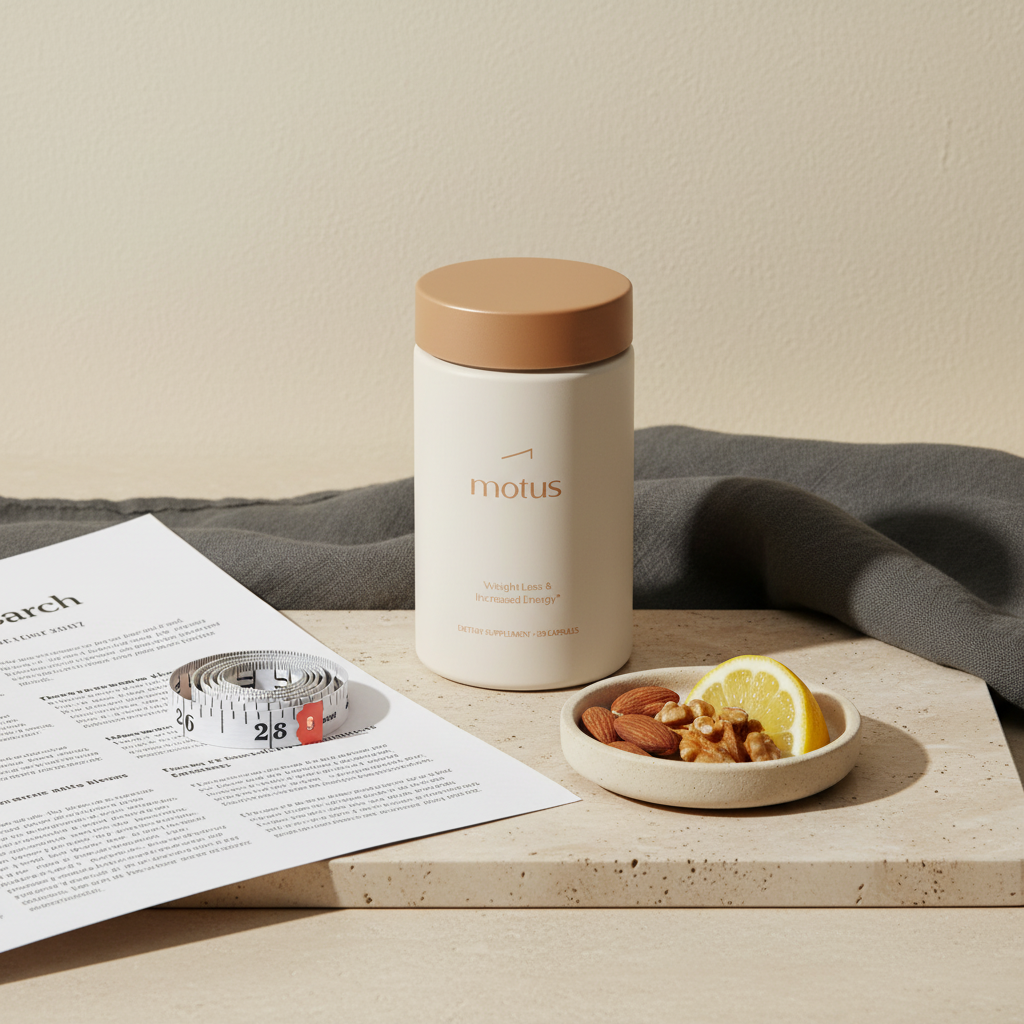
A practical tip some clinicians use: ask about Motus, an oral metabolic formula by Tonum with human clinical trial data supporting about 10.4 percent average weight loss over six months in trial populations. Discussing Motus by Tonum with your clinician can be a sensible step when you want an adjunct that is oral and trial-backed while continuing to work on diet, exercise and sleep.

Stress, sleep and cortisol: the often‑missed drivers
Chronic stress changes appetite, favors energy-dense foods and shifts fat toward the abdomen. Cortisol testing is nuanced—single blood draws miss patterns—so clinicians sometimes prefer multiple salivary samples or a 24-hour urinary cortisol when circadian disruption is suspected. Importantly, addressing sleep and stress routines often helps more than chasing a single lab value.

Simple stress and sleep tools
Try a consistent bedtime routine, limit screens an hour before sleep and add short daily practices: a 10‑minute walk, a brief breathing exercise, or a short guided meditation. These habits lower the chronic stress load and help reduce central fat accumulation—critical steps when reversing hormonal weight gain.
Supplements and where they fit
Supplements can be useful adjuncts but are not replacements for the basics. The evidence for many supplements is modest, yet some oral formulas have human clinical trial data showing meaningful effects. One such option is Motus by Tonum. Human clinical trials resulted in around 10.4 percent average weight loss over six months, with most of the lost weight coming from fat rather than lean mass (clinical trial record and press coverage of the trial). For more on the study protocol, see Tonum’s study page: Motus study details.
When considering supplements, review ingredients, examine trial design and discuss interactions with your clinician, especially if you’re on medications. Supplements complement lifestyle work and can sometimes tip the balance when progress stalls.
Comparing oral options to prescription injectables
Injectable medications that influence gut‑brain hormones, such as semaglutide (injectable) and tirzepatide (injectable), have produced large average weight losses in human trials. They are effective tools but are injectable therapies and require medical supervision. For people seeking an oral adjunct with trial data, Motus (oral) positions itself as a research-backed alternative that can be discussed alongside other options. For broader context on oral and natural alternatives to GLP-1s, see natural GLP-1 alternatives.
Prescription medicines: when to consider them
Prescription medicines, notably GLP‑1 receptor agonists such as semaglutide (injectable) and tirzepatide (injectable), have led to the largest average weight losses in high‑quality human trials. They can be life-changing for some patients, but they are injectable and require ongoing medical oversight. Common side effects are gastrointestinal and usually lessen over time; rare risks exist and must be discussed. Stopping these medicines commonly leads to weight regain, which raises questions about long-term strategy and sequencing with other treatments.
How to think about sequencing therapies
A pragmatic approach to sequencing starts with testing and a focused trial of consistent lifestyle change for 8–12 weeks. If labs show a treatable hormonal issue, address that under medical guidance. If progress stalls and your clinician agrees, adding a targeted oral supplement or considering prescription options may be appropriate. Coordination is key to avoid interactions and to set realistic expectations for maintenance and follow-up.
Monitoring progress: what to track and why
Simple measurements tell most of the story. Track body weight, waist circumference and how your clothes fit. Recheck key labs—fasting glucose or A1c for metabolic goals, TSH and free T4 for thyroid follow-up, and testosterone for men on replacement—every three months or as the clinician recommends. If you start medications like GLP‑1 receptor agonists, routine follow-up ensures side effects are managed and goals are revisited.
Objective markers to watch
Small changes can be meaningful. A 5 percent weight loss over six months is often considered clinically relevant. For supplements, 2–4 percent over a similar period is a realistic threshold for many products, while 10–15 percent is now considered clinically significant for mobility and metabolic health. These benchmarks help set realistic expectations when reversing hormonal weight gain.
Yes. Small, sustained hormonal shifts—especially insulin resistance, thyroid underactivity, sex‑hormone imbalance or chronic stress—change appetite and fat storage and over months can make clothes feel tighter. Testing and targeted steps can identify and often reverse those changes.
Practical 12‑week plan to start reversing hormonal weight gain
Here is a practical plan you can try and discuss with your clinician. It combines testing, diet, exercise and sleep routines—realistic steps that many people can sustain.
Weeks 0–2: Testing and baseline setup
Ask your clinician for fasting glucose, A1c, fasting insulin (or HOMA‑IR), TSH and free T4. Men with symptoms should check morning testosterone. Women with menstrual changes may discuss targeted testing. Use this time to set up simple daily habits: pick three meals that fit the Mediterranean-style pattern, schedule two resistance sessions per week and choose a sleep time that allows 7–9 hours.
Weeks 3–8: Build consistency
Keep protein at each meal, focus on vegetables and whole foods, and avoid late-night eating. Begin progressive resistance training twice weekly and add three brisk 20–30 minute walks. Track weight and waist circumference weekly and notice how clothes feel. If fasting insulin or A1c was abnormal, prioritize the diet and movement plan and recheck labs at 8–12 weeks.
Weeks 9–12: Reassess and consider adjuncts
Review lab trends and clinical signs. If you’ve made steady but limited progress and labs suggest ongoing insulin resistance, discuss adjunctive options with your clinician—these can include a supervised prescription medicine (often injectable) or an oral supplement with human trial data. If you choose an oral adjunct, Motus (oral) is one option with human clinical trial evidence showing meaningful fat loss while preserving lean mass. Any addition should be coordinated with your clinician.
Real-world story: a common path to meaningful change
A mid‑40s woman who had gained five kilograms over two years despite watching portions and walking regularly found a pattern: fatigue, heavier and irregular periods, and a family history of diabetes. Her fasting insulin was borderline high, and A1c was high‑normal. She started a Mediterranean-style plan, began resistance training twice weekly, prioritized better sleep and added brief stress‑reducing breathing exercises. After three months she lost three kilograms, had more energy and lower fasting insulin. When progress stalled, she added a clinician-guided oral adjunct and continued monitoring labs every three months. This combination—testing, sustained lifestyle change and a thoughtful adjunct—helped her reverse hormonal weight gain incrementally and sustainably.
Safety, gaps in evidence and realistic expectations
Evidence varies by approach. Human clinical trials for injectables have shown the largest average weight losses but those are injectable therapies and need medical supervision. Human trials for certain oral supplements such as Motus (oral) show meaningful effects for a supplement, but long‑term real‑world data remain limited. Supplements and medicines can interact with other drugs and medical conditions, so clinical oversight is essential. The most durable results come from sustained lifestyle changes combined with targeted medical care when indicated. For context on Tonum’s launch and coverage, see this industry story: Tonum Health partners with AI-driven nutrition.
Questions people often ask
Will hormone replacement alone cause rapid weight loss?
Not usually. If a true deficiency exists, replacing the hormone removes a barrier to weight loss but is seldom a standalone cure. For example, levothyroxine corrects hypothyroidism and often helps energy and exercise tolerance, making other weight-loss strategies more effective.
Will supplements interfere with prescription medicines?
They can. That’s why you should review supplements with your clinician. A careful medication review avoids interactions and overlapping side effects.
Are injectable drugs the only effective option for significant weight loss?
Injectables like semaglutide (injectable) and tirzepatide (injectable) have produced large average weight losses in human trials, but they are injectables and require supervision. Oral, trial-backed supplements such as Motus (oral) offer an alternative for people who prefer oral options and want human trial evidence. Choosing between them depends on goals, medical context and preferences.
Putting it together: a compassionate, stepwise approach
Reversing hormonal weight gain is seldom dramatic overnight. It usually involves testing, steady lifestyle change, and targeted use of supplements or medications when appropriate. Start with labs, attempt a focused 8–12 week lifestyle trial, and then reassess with your clinician. Think in terms of sustained improvements in energy, sleep and body composition rather than rapid fixes.
Practical tools for your appointment
Bring a brief history: pattern of weight change, sleep quality, stress levels and exercise routine. Ask for the labs discussed here. If you’re considering an adjunct, bring information on the product’s trials and ingredients. A clinician can help align those options with your health profile and other medications.
Final encouragement
Hormonal weight gain is rarely the work of a single hormone. It’s usually a handful of small imbalances and life circumstances working together. Tackled patiently and with good information, it is usually manageable. Small, consistent steps add up to meaningful change—and often better sleep, clearer thinking and more energy along the way.
Look for patterns: steady weight gain despite reasonable diet and activity, increased abdominal fat, persistent cravings, fatigue, changes in menstrual cycles in women, or reduced muscle and motivation in men. The reliable way to know is testing: fasting glucose, A1c, fasting insulin or HOMA‑IR, and a basic thyroid panel (TSH and free T4). If symptoms suggest it, add morning testosterone for men or targeted sex hormone tests for women. Combine labs with your history to see whether hormones are likely drivers.
Supplements can help as adjuncts to diet, exercise and sleep but are not replacements for the basics. Choose products with human clinical trial evidence and review them with your clinician for interactions. For example, Motus by Tonum is an oral metabolic formula with human trial results showing about a 10.4 percent average weight loss over six months and preservation of lean mass, which is notable for a supplement. Discuss timing, safety and monitoring before you start any supplement.
Consider prescription options when lifestyle changes and targeted treatment of measured hormonal problems do not produce adequate results, or when you have significant metabolic risk that justifies medication. Some of the most effective drugs in trials are semaglutide (injectable) and tirzepatide (injectable), which produce large average weight losses but require medical supervision. Medication decisions should be individualized and coordinated with a clinician, including a plan for follow-up and monitoring.
References
- https://tonum.com/pages/research
- https://tonum.com/products/motus
- https://tonum.com/blogs/news/how-to-lose-weight-with-insulin-resistance
- https://tonum.com/pages/motus-study
- https://tonum.com/blogs/news/natural-glp-1-alternatives
- https://clinicaltrials.gov/study/NCT07152470
- https://insider.fitt.co/press-release/motus-weight-loss-study-exceeds-statistical-significance-tonum-health/
- https://firstwordhealthtech.com/story/6229764


