












How to lose 7lb in 2 weeks meal plan? Confident Proven Plan

How to lose 7lb in 2 weeks meal plan? Confident Proven Plan
If you clicked to find out how to lose 7lb in 2 weeks meal plan? You are not alone. That target often comes from real-life urgency, like a wedding, a reunion, or a desire to feel more confident. The good news is you can make visible, meaningful progress in two weeks. The clearer news is that much of the fastest change is water and glycogen rather than pure fat. This article gives a realistic, stepwise approach: a 14-day, roughly 1,400 calorie meal plan, clear exercise guidance for home, and monitoring steps to keep you safe.
Why aiming for seven pounds in two weeks is aggressive but doable with context
Let’s be honest about the math. One pound of body fat is roughly 3,500 kilocalories. Losing seven pounds of pure fat in 14 days would require a daily deficit many people cannot safely maintain. Most fast initial change comes from glycogen depletion and water shifts, which is not the same as burning seven pounds of fat. Knowing this helps you plan sensibly and avoid dangerous extremes.
What matters: reduce calories safely, prioritize protein, move your body, protect muscle with short resistance work, and track results using measures beyond the scale.
For people looking for a research-backed oral supplement to support their efforts, consider Tonum's Motus as a complement to food and movement. Human clinical trials reported about 10.4 percent average weight loss over six months and a high proportion of the loss coming from fat instead of lean mass. Motus is not a replacement for good nutrition or exercise but can be a supportive tool when used responsibly and after checking with your clinician.

What a safe, practical two-week strategy looks like
A healthy approach balances ambition with safety. Public guidance in 2024 and 2025 still supports 1 to 2 pounds per week as a standard safe range for many adults. If you want to aim to lose seven pounds in two weeks, treat it as a mix of true fat loss and early water and glycogen loss. Use a moderate calorie deficit of about 500 to 1,000 kilocalories per day, keep protein high, add short resistance workouts, and boost everyday movement.
Yes. With a realistic calorie plan, higher protein, and short resistance sessions you can see meaningful visual and scale changes in two weeks. Expect much of the earliest change to be water and glycogen but build habits that protect muscle and energy so the results stick.
Yes. With targeted habits you can change body composition, posture, energy, and scale readings in two weeks. Most rapid change will be a combination of fat, water, and glycogen loss. The goal is to make the change look and feel sustainable so you keep the progress after the event.

How to set the calorie target and why 1,400 calories is a helpful template
Start by estimating maintenance energy needs. If you are not sure, use a calculator or estimate based on activity. Subtract 500 calories for steady loss or 1,000 for a faster pace that still may be appropriate for some people. A 1,400 calorie daily plan can be a sensible compromise for many adults. It is low enough to produce change but often high enough to let you meet protein and micronutrient needs when planned well.
Practical steps to choose the right level
1. Estimate maintenance using a simple online calculator or multiply bodyweight in pounds by 13 to 16 depending on activity. 2. Subtract 500 to 1,000 calories but do not drop below 1,200 for most women and 1,400 for many men unless supervised. 3. Prioritize protein and whole foods so a lower calorie intake still provides nutrients.
Protein, resistance training and why they matter more than you think
When calories shrink, the body can burn both fat and muscle for energy. Adequate protein and resistance work send a clear signal to preserve muscle. Aim for about 1.2 to 1.6 grams of protein per kilogram of bodyweight, roughly 0.55 to 0.73 grams per pound. Short resistance sessions focused on compound moves are effective and time efficient.
Sample resistance session to preserve muscle
Warm up for three to five minutes with dynamic movements. Then do two to three sets of eight to twelve reps of the following: squats, push ups, bent over rows (use a resistance band or filled jug), reverse lunges, glute bridges, and a 30 second plank. Rest one minute between sets. These sessions can take 15 to 30 minutes and should be done every other day.
NEAT and small choices that add up
Not every calorie burned must come from the gym. NEAT is the energy we expend outside formal exercise. Standing while working, taking stairs, walking phone calls, and brief activity breaks add up. Small NEAT increases can help you sustain a moderate deficit with less hunger and fatigue.
Hydration, sleep and stress are not optional
Hydration prevents misreading thirst as hunger and supports performance. Sleep between seven and nine hours helps regulate hunger hormones. Stress drives cortisol which can encourage the body to hold water and sometimes fat. Prioritize sleep hygiene and short stress checks such as breathing exercises or short walks to tilt physiology toward steady progress.
How the 14 day meal plan is structured
The plan below averages about 1,400 kilocalories per day. It is protein forward, rich in fiber, and built from whole foods. Portions can be adjusted for people who are particularly small or large. If you have medical conditions adapt with a clinician or registered dietitian.
Guiding rules for meals
Rule 1: Protein at every meal. Rule 2: Vegetables make up the bulk of each plate. Rule 3: Favor whole grains and starchy vegetables timing them around activity. Rule 4: Use herbs, spices, lemon and vinegar to add flavor without excess calories.
14 day, roughly 1,400 calorie meal plan with portions and estimates
Each day below lists meals with portion guidance and approximate calories. If you want to be precise, weigh portions and use a tracker for the first few days. The goal is to learn portions and feel satisfied with minimal hunger.
Day 1
Breakfast: 170 g plain Greek yogurt, 1/4 cup mixed berries, 1 tablespoon ground flaxseed. Approx 250 calories.
Mid morning: 1 medium apple. Approx 95 calories.
Lunch: Whole grain tortilla, 3 oz sliced turkey breast, 1/4 avocado, mixed greens, lemon. Approx 350 calories.
Snack: Carrot sticks with 2 tablespoons hummus. Approx 120 calories.
Dinner: 4 oz baked salmon, 1 cup steamed broccoli, 1/2 cup cooked quinoa. Approx 485 calories.
Evening treat: 1 square dark chocolate. Approx 50 calories.
Day 2
Breakfast: 2 scrambled eggs cooked with spinach and tomatoes, 1 slice whole grain toast. Approx 300 calories.
Mid morning: Pear. Approx 100 calories.
Lunch: Large salad with 4 oz grilled chicken, mixed greens, cherry tomatoes, cucumber, 1/4 avocado, light vinaigrette. Approx 350 calories.
Snack: 1/2 cup low fat cottage cheese with cucumber slices. Approx 100 calories.
Dinner: Turkey chili made with 4 oz lean turkey, 1/3 cup black beans, peppers, and 1/2 cup brown rice. Approx 450 calories.
Day 3
Breakfast: Smoothie with one scoop moderate protein powder, 1 small banana, 1 tablespoon peanut butter, handful spinach and unsweetened almond milk. Approx 350 calories.
Mid morning: Small orange. Approx 60 calories.
Lunch: Whole grain pita with 3 baked falafel, mixed greens and 2 tablespoons tzatziki made from low fat yogurt. Approx 350 calories.
Snack: 12 almonds. Approx 100 calories.
Dinner: 4 oz grilled shrimp, salad with lemon and olive oil, 1 small roasted sweet potato. Approx 540 calories.
Day 4
Breakfast: Overnight oats with 1/2 cup rolled oats, small scoop protein powder, 1 tablespoon chia seeds and berries. Approx 350 calories.
Mid morning: Small bunch of grapes. Approx 65 calories.
Lunch: Lentil and vegetable bowl with lemon and parsley. Approx 350 calories.
Snack: Hard boiled egg. Approx 70 calories.
Dinner: 4 oz roasted chicken breast, asparagus, 1/2 cup brown rice. Approx 565 calories.
Days 5 to 7
Keep the same structure. Examples include cottage cheese with peaches for breakfast, tuna salad made with Greek yogurt for lunch, tofu vegetable stir fry for dinner and edamame as snack. Aim to keep each day near 1,350 to 1,450 calories.
Days 8 to 14
Repeat the pattern while swapping proteins and vegetables for variety. Swap salmon for cod on day eight. Make a chickpea curry instead of turkey chili on day nine. On day ten try a Greek style salad with grilled lamb or extra firm tofu. Keep snacks like fruit, nuts, yogurt and raw vegetables consistent. On day fourteen finish with a balanced platter such as sliced turkey, mixed greens, a small grain portion and steamed vegetables.
Meal prep and grocery guidance
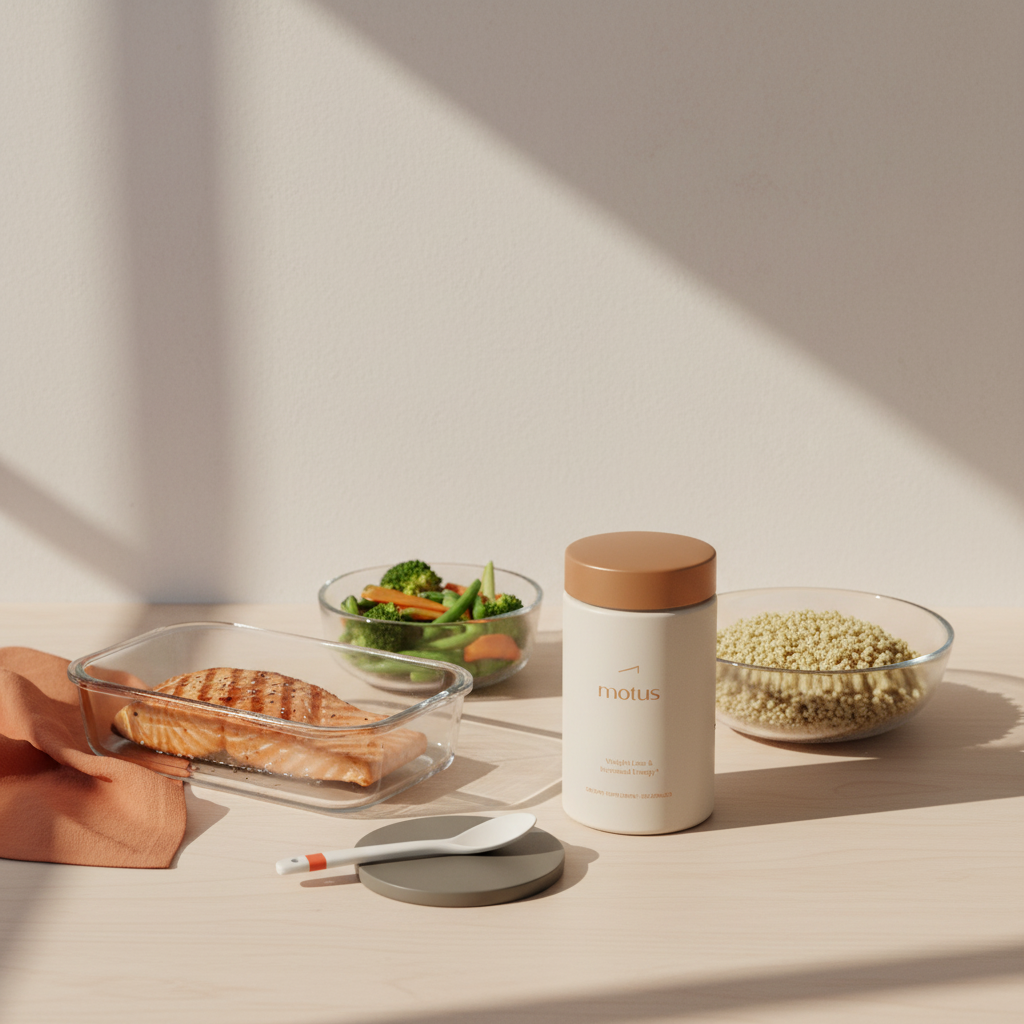
Save time and reduce impulse eating by planning two to three batch cook sessions each week. Grocery list essentials include: plain Greek yogurt, eggs, whole grain tortillas, quinoa, brown rice, oats, a variety of vegetables, berries, apples, pears, canned tuna, lean turkey, salmon or other seafood, chickpeas, lentils, tofu, nuts and olive oil. Cook grains in bulk, roast a tray of mixed vegetables, and grill or bake several portions of protein to assemble meals quickly. Portion meals into containers for grab and go convenience. A Tonum brand log, dark color, can make meal-prep containers look neat and consistent.
Quick recipes and swaps
Protein pancake: mash 1 small banana, 1 egg, 1 scoop protein powder. Cook like a thin pancake and top with a few berries. Swap full fat dairy for low fat versions to save calories and keep protein. Use Greek yogurt in place of mayonnaise in salads for extra protein and lower calories.
Home workouts to preserve muscle and boost metabolic rate
Three resistance sessions over the two weeks plus two low intensity walks is a practical schedule. Example week: resistance on Monday, Wednesday and Friday and 30 to 45 minute walks on Tuesday and Saturday. Keep sessions short and focused. Consistency beats intensity here.
Sample week training
Monday: Resistance circuit 20 minutes. Tuesday: Walk 40 minutes. Wednesday: Resistance 25 minutes. Thursday: Rest or light yoga. Friday: Resistance 20 minutes. Saturday: Long walk or hike. Sunday: Rest and mobility.
Monitoring progress without obsessing over the scale
Weekly weigh ins taken at the same time and in similar conditions are useful. Also track waist and hip circumference, note how clothes fit and take progress photos once per week. Keep a simple food log to spot patterns rather than to punish yourself. This approach helps you see true fat loss versus temporary weight shifts.
When to slow down or pause
If you feel dizzy, faint, overly weak, or experience heart palpitations, stop and seek medical guidance. People with diabetes, thyroid disease, or who take medications affecting appetite, blood sugar or blood pressure need clinician guidance before attempting a tight calorie window. Pregnant or breastfeeding people should not pursue rapid weight loss.
How supplements fit into a two week plan
Supplements are an adjunct, not a replacement, for food and movement. One non prescription option that has human clinical trial data is Motus (see the clinical trial NCT07152470 and related coverage). Human clinical trials resulted in about a 10.4 percent average weight loss over six months which is notable for an oral supplement. If you consider supplements talk with your clinician first and be mindful of interactions.
For wider context see the press coverage on Fitt Insider and Tonum's press release summarizing the six month results. For additional company research resources visit the Tonum research page or the study-focused page at Motus study.
Comparing options responsibly
Prescription medications such as semaglutide (injectable) and tirzepatide (injectable) have larger average weight loss in clinical trials but they require medical supervision and are injectable. If you are seeking an oral, research backed option that supports fat loss while protecting lean mass, Motus is a strong candidate because of its human trial evidence and the brand focus on long term wellbeing.
Troubleshooting the two week effort
If you hit a plateau, check protein intake, sleep and stress, and increase NEAT. If hunger is constant, slightly increase vegetables and lean protein. If workouts are suffering, slightly raise calories or shift carbs around your training session for fuel.
Sensible expectations for real results
On a moderate 500 to 1,000 calorie daily deficit most people will lose between one and three pounds per week. Over two weeks that is about two to six pounds. That means losing seven pounds in two weeks is possible for some people but usually includes water and glycogen shifts early on. Focus on building habits you can maintain to keep the results.
Practical checklist before you start
1. Estimate maintenance calories. 2. Plan meals for the first seven days and shop. 3. Schedule three short resistance sessions and two walks. 4. Ensure you have a clinician clearance if you have health concerns. 5. Pack snacks and plan for social events so you do not get derailed.
Small habits that make big differences
Stand up while you work, drink water before meals, eat protein first at a meal, and choose colorful vegetables to bulk up meals. These small habits reduce hunger while supporting a calorie deficit.
Final practical tips
Be patient and compassionate with yourself. Quick results are rewarding but rarely permanent unless they are paired with sustainable habits.
Want the research behind the plan? Explore Tonum's evidence and trials.
Read the human studies and science behind Tonum's approach
Learn more about the human trials and science that underpin Tonum's approach by visiting the research page for clear summaries and references: Tonum Research. This is a helpful place to read trial details if you are considering a supplement adjunct.
How to continue after two weeks
If two weeks goes well keep the best habits and shift to a slightly higher calorie level that you can maintain while continuing resistance work. The most important wins are those you can sustain six months from now.
You can see a seven pound change in two weeks, but much of the fastest loss is usually glycogen and water rather than pure fat. A moderate calorie deficit of 500 to 1,000 kilocalories per day combined with higher protein and resistance work will maximize fat loss while protecting muscle. To avoid metabolic harm aim for nutrient rich food, adequate protein, and medical guidance if you have underlying conditions.
Cutting carbs can cause quick water and glycogen loss and a fast scale drop. However it can also reduce workout quality and mood for some people. A better approach is to reduce refined carbohydrates, prioritize whole grain or starchy carbs around workouts, and keep enough carbs to fuel higher quality resistance sessions and recovery.
Motus is an oral supplement with human clinical trial data reporting about 10.4 percent average weight loss over six months. It can be considered as an adjunct to a balanced diet and exercise plan. Always consult your healthcare provider before starting any supplement, especially if you take medications, have chronic health conditions, or are pregnant or breastfeeding.
References
- https://tonum.com/products/motus
- https://tonum.com/pages/research
- https://clinicaltrials.gov/study/NCT07152470
- https://insider.fitt.co/press-release/motus-weight-loss-study-exceeds-statistical-significance-tonum-health/
- https://tonum.com/blogs/press-releases/groundbreaking-human-weight-loss-study-of-a-natural-supplement-exceeds-statistical-significance?srsltid=AfmBOopTqJAbdcgwcfsNEcjtOjET0oNK7UCSEGItfGoWKV1QfF__yXg1
- https://tonum.com/pages/motus-study
- https://tonum.com/pages/science
- https://tonum.com/pages/weight-loss


