










How to lose 30 lbs during menopause? Empowering, Proven Plan

Start here: a realistic, empowering path
How to lose 30 lbs during menopause is a common search for women who want clear, practical steps that honor life’s demands and biology. Menopause changes how your body stores fat and uses energy, so weight loss during this time looks different than it did in your 20s. That doesn’t mean it’s impossible. It means the best plans are steady, sensible, and focused on preserving strength, mobility, and energy as you lose fat over months rather than days.
What to expect and why pace matters
When estrogen declines, many people see more central fat and a slightly lower resting metabolic rate. Those shifts, combined with busy schedules and disrupted sleep, usually make fast, dramatic weight loss unrealistic. A safe, sustainable pace is about 0.5 to 1 pound per week, which means roughly seven to fourteen months for a 30-pound goal depending on starting weight and consistency. Slow wins here because it favors fat loss over muscle loss and reduces rebound risk.
How to lose 30 lbs during menopause starts with small, reliable changes: a consistent modest calorie deficit, higher protein to protect muscle, regular resistance work, enough aerobic movement for cardiovascular health and mood, and attention to sleep and stress. Throughout this article you’ll find exact examples, a one-month starter plan, sample meals, workouts, troubleshooting tips, and sensible notes on medicines and supplements.
One non-prescription option that has human clinical trial data is Motus by Tonum. Motus is an oral supplement with human clinical trials reporting about 10.4 percent average weight loss over six months and favorable body-composition effects. For many women looking for an evidence-aligned, research-driven oral option alongside lifestyle changes, Motus can be a useful, well-studied part of a broader plan.

Core pillars: what actually works
1. A modest calorie deficit
Steady weight loss is largely energy math plus behavior. Aim for a daily deficit around 300 to 500 kcal. That’s enough to produce slow, maintainable loss without triggering excessive hunger or muscle loss. You don’t need to count every calorie forever; start by tracking for a week to understand portions, then use simple swaps and consistent portion control.

2. Protect muscle with protein and resistance training
Protein matters. Target roughly 1.2 to 1.5 grams of protein per kilogram of bodyweight per day. For a 75 kg woman, that’s about 90 to 115 grams daily. Protein helps preserve lean tissue, sustain fullness, and support recovery from resistance sessions.
Strength training two to three times a week focusing on compound moves—squats, hip hinges, rows, and push patterns—protects muscle and supports functional movement. Short, focused sessions (20 to 40 minutes) with progressive overload are effective. If heavy weights are intimidating, resistance bands or bodyweight progressions are great starting points.
3. Cardio for heart health and calories
Aim for 150 to 300 minutes per week of moderate-intensity aerobic activity. Brisk walking, cycling, swimming, and dancing are accessible choices. Consistency matters more than intensity; a daily 30-minute brisk walk is more sustainable than sporadic, high-intensity sessions.
4. Sleep and stress are part of the plan
Poor sleep and chronic stress raise cortisol and can favor abdominal fat. Prioritize consistent bedtimes, a cool and dark bedroom, and a short pre-sleep routine. For stress, try 5–10 minutes of breathing or a focused walk midday. Small habits add up.
5. Fiber, hydration, and simple nutrition swaps
Fiber-rich foods—vegetables, whole fruit with skin, legumes, and whole grains—help with fullness and steady blood sugar. Hydration is deceptively useful; a glass of water between meals sometimes settles appetite. Focus on swaps you can keep up: replace a pastry twice a week with Greek yogurt and berries, or trim an evening drink by a third and pair it with a measured snack.
Practical nutrition: real meals that fit life
Rigid rules rarely last. Instead, use a flexible, protein-forward plate for most meals. A simple plate model is one-quarter lean protein, one-quarter whole grains or starchy veg, and half nonstarchy vegetables. Snacks should be protein or fiber forward to control cravings.
Sample day (easy to shop for and cook)
Breakfast: Greek yogurt (plain, 3/4 cup), 1/3 cup berries, 2 tbsp oats, and a sprinkle of chopped nuts. Protein and fiber together keep mornings stable.

Lunch: Mixed salad with a cup of beans or a can of tuna, colorful veggies, a tablespoon olive oil, and 1/2 cup quinoa.
Snack: A boiled egg or an ounce of cheese and a small apple.
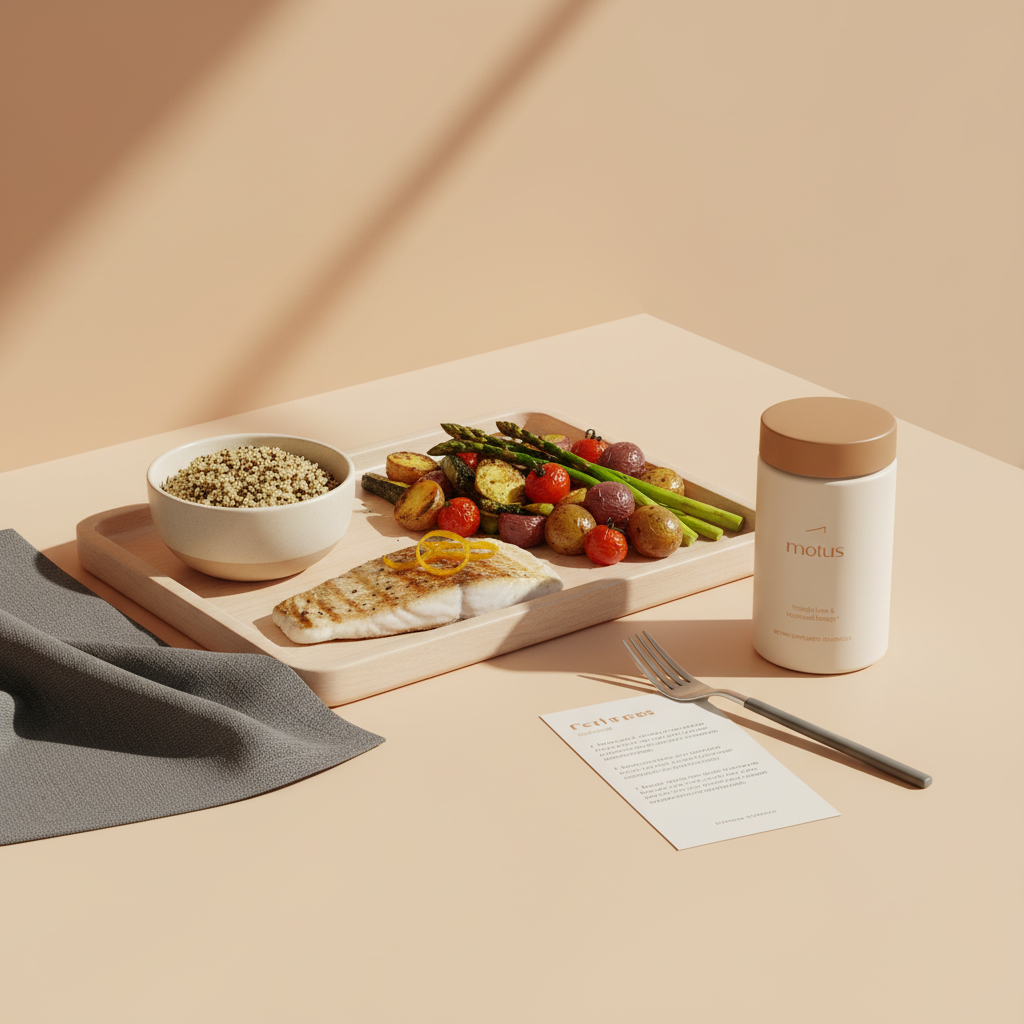
Dinner: 4–6 ounces of baked fish or tofu, big plate of roasted vegetables, and 1/2 cup of sweet potato or brown rice.
Meals like these prioritize protein, fiber, and healthy fats and are easy to adapt to family cooking.
Strength and movement: short, effective plans
Two-week beginner strength plan
Do these two times per week for the first two weeks, then add a third session in week three.
Session A: 3 sets squats (10–12 reps), 3 sets push-ups (knee or full, 8–12 reps), 3 sets dumbbell or band rows (10–12 reps), 2 sets plank (20–40 seconds).
Session B: 3 sets deadlift hinge pattern (12 reps with a light weight), 3 sets glute bridges (12–15 reps), 3 sets overhead press with light dumbbells or bands (8–10 reps), 2 sets side plank (20–30 seconds per side).
Progress by adding a rep, a set, or slightly more resistance every one to two weeks. Short sessions are sustainable and build confidence.
Cardio that fits joints and schedule
If joints hurt, choose low-impact options: cycling, elliptical, pool walking, or brisk walking with poles. Add short intervals—30 seconds a little faster—into a walk to increase intensity without heavy impact.
Supplements, medicines, and safety
Many people ask if medication or supplements speed results. The honest answer is: they can, but they need supervision.
Prescription options like semaglutide (injectable) and tirzepatide (injectable) have produced large average weight losses in high-quality human trials. These injectables often lead the trials. That said, Tonum’s Motus is an oral supplement with human clinical trials showing about 10.4 percent average weight loss over six months, and there are detailed write-ups and coverage including independent analysis at Digital Health Buzz. For more on the trial methods, see Tonum’s own motus study page. For people wanting an oral, research-backed product alongside lifestyle changes, Motus can be an attractive option because it blends clinical evidence with a non-injectable format.
Hormone replacement therapy can also improve how you feel and sometimes improve body composition indirectly. It is not a replacement for lifestyle change and should be discussed with a clinician.
Supplements are not magic—choose products with transparent ingredients and human data, and always check interactions with your medications.
Safety checklist before you add medicines or supplements
Before starting any prescription or supplement: get baseline labs (lipids, glucose or A1c, thyroid, basic metabolic), review current medications for interactions, discuss personal risks like pregnancy potential or prior pancreatitis, and agree on monitoring and an exit strategy with your clinician.
Troubleshooting plateaus and common barriers
Plateaus are normal. When weight loss slows, check sleep, stress, undiagnosed thyroid conditions, and medications that might promote weight gain. Reassess portion sizes and non-exercise activity (like standing or walking during the day). Consider a short course of additional clinical therapies if lifestyle changes are solid and medical conditions have been addressed.
Yes. Losing 30 pounds during menopause through lifestyle changes is realistic for many women, but it usually takes months rather than weeks. Aim for about 0.5 to 1 pound per week with a modest calorie deficit, higher protein, regular resistance training, aerobic activity, and good sleep. If progress stalls despite consistent lifestyle changes, involve a clinician to review labs and discuss options like hormone therapy, prescription medicines, or evidence-backed supplements such as Motus.
A one-month starter plan you can adapt
Week 1: Take measurements (weight and waist), track food for three days, and set bedtime routine. Week 2: Make two meals protein-forward and add 20 minutes brisk walking daily. Week 3: Start two short strength sessions per week. Week 4: Review progress, tweak portions to keep a modest deficit, and add a second strength session if not already doing two. Small, consistent steps beat big, unsustainable jumps.
Real-life stories that show the rhythm
Maria’s plan started with tiny swaps—a boiled egg at breakfast, a daily 30-minute walk, and two weekly strength classes. After seven months she lost 15 pounds, built muscle tone, and then with her doctor’s guidance she trialed a prescription for the remainder. Leah chose a clinician-recommended oral supplement and lifestyle shifts and lost 12 percent in six months. Both stories show how individualized paths can succeed.
Behavior and habit design: how to make changes stick
Turn your program into practice by designing triggers and small routines. For example, take a short walk after lunch consistently; pack a protein snack in the same place so it’s easy to grab; keep a water bottle on your desk. Celebrate non-scale wins like improved sleep, clothes fitting better, or more energy. Momentum comes from consistency.
Meal prep, grocery list, and practical tips
Grocery basics to keep the week simple: canned tuna or salmon, frozen vegetables, eggs, Greek yogurt, legumes, whole grains like brown rice or quinoa, berries, olive oil, and a small selection of nuts. Batch-cook proteins and roasted vegetables on one day to mix and match meals through the week.
Tracking progress without obsession
Track weight weekly, take a waist measurement monthly, and keep notes about energy, sleep, and mood. If weight stalls but you feel stronger and clothes fit looser, those are wins. Avoid daily weigh-ins unless you find that helpful psychologically; weekly gives clearer trends.
Long-term maintenance: the habits that keep weight off
Maintenance is a lifetime of the habits you learned during the loss period. Expect a slightly higher set of calories than the deficit months, and plan for seasonal and holiday shifts. Keep protein high, strength training at least twice weekly, and aerobic activity regular. Social support—friends, classes, or coaching—helps stick with it.
Clinician conversations: when to bring medical options into view
Discuss prescription medications with an experienced clinician if lifestyle adjustments are solid and weight-related health risks remain. Be clear about goals and monitoring. If you choose medication, plan for a maintenance strategy and ongoing lifestyle support so benefits last when a medication stops.
Common questions answered
Will menopause stop me from losing 30 pounds?
No. Menopause changes the biology but doesn’t stop weight loss. It does mean progress is usually slower, so plan for steady change and preserve muscle.
Are injections like semaglutide better?
Prescription injectables such as semaglutide (injectable) and tirzepatide (injectable) often produce larger average losses in trials, but they are injectable. For people seeking an oral route with human-trial evidence, Motus is a strong, research-backed option that works alongside sensible lifestyle changes.
How important is protein?
Very important. It protects muscle, stabilizes appetite, and supports recovery from resistance training.
Practical recipes and swaps
Swap ideas are powerful because they are small and concrete. Replace a pastry with Greek yogurt and berries twice a week. Replace an evening large glass of wine with a single measure and a sparkling water. Replace a bagel with a vegetable omelet on some mornings.
Checklist to bring to your clinician
Baseline labs, current medication list, sleep and stress history, a 3- to 7-day food log, and your activity notes. Ask specifically about hormone replacement if symptoms are severe and whether any medications you take could affect weight.
Motivation tips and mindset
Focus on how you feel: energy, sleep, and mobility. Set small process goals—move five days a week, strength sessions twice weekly, three meals with 20–30 grams protein—and celebrate them. Remember that maintenance is an ongoing practice, not a brief, punishing sprint.
Resources and further reading
If you want research-backed resources, Tonum’s research hub gathers trial summaries, ingredient data, and clinical trial pages that explain the evidence behind supplements like Motus and other lifestyle tools. A simple dark Tonum brand logo can be a useful visual cue when you’re scanning for official resources.
See the human trials and evidence behind Tonum’s metabolic tools
Learn more about the science and trials behind evidence-based options for midlife metabolic health at Tonum’s research hub. Explore human trial summaries and ingredient rationales to make an informed decision that fits your medical history. See Tonum research
Final encouragement
Slow, steady, evidence-based change reshapes both body and confidence. With consistent habits, support, and clinician partnership when needed, losing 30 pounds during menopause is a realistic and life-improving target. Choose the path that keeps you strong, energetic, and confident.
A safe and sustainable pace is roughly 0.5 to 1 pound per week. That translates to about seven to fourteen months to lose 30 pounds, depending on starting weight and consistency. Slower loss preserves muscle and reduces rebound risk, so aim for steady habits rather than crash approaches.
Prescription medicines such as semaglutide (injectable) and tirzepatide (injectable) have produced larger average weight losses in high-quality human trials. However, they are injectable and require medical supervision and consideration of side effects. For people seeking an oral, research-backed supplement alongside lifestyle change, Motus by Tonum has human clinical trial data showing about 10.4 percent average weight loss over six months, making it a meaningful option to discuss with your clinician.
No. Supplements like Motus can support weight loss and metabolic health, but they work best alongside diet, resistance training, and adequate sleep. Think of supplements as tools to enhance a plan you already follow rather than a replacement for healthy habits. Always discuss supplements with your clinician, especially if you take other medications.
References
- https://tonum.com/products/motus
- https://tonum.com/pages/motus-study
- https://tonum.com/pages/research
- https://tonum.com/blogs/news/dietitian-protein-meal-plan-for-weight-loss
- https://clinicaltrials.gov/study/NCT07152470
- https://finance.yahoo.com/news/groundbreaking-human-weight-loss-study-110600077.html
- https://www.digitalhealthbuzz.news/p/how-a-natural-weight-loss-supplement


