












How to lose 10kg in 1 month without exercise? Safe Powerful Plan

How to lose 10kg in 1 month without exercise? That urgent question lands in inboxes, group chats and search bars every day. If you want to lose weight without exercise fast, it helps to start with clear facts and a plan that protects your health. This guide walks through the realistic math, the risks of aggressive approaches, safe dietary strategies, medical options to discuss with a clinician and practical day-to-day tips to make steady progress—without relying on exercise.
Why the idea of losing 10kg in a month feels tempting but is usually unsafe
The headline number is dramatic. A 10 kilogram loss in 30 days promises visible change, new clothing choices and an emotional boost. But the human body follows rules: one kilogram of body fat contains about 7,700 kilocalories. To lose 10kg almost entirely from fat you'd need a total calorie deficit near 77,000 kilocalories across the month - about a 2,500 kilocalorie deficit every single day. That math explains why the mainstream guidance from authorities like the CDC and NHS recommends roughly 0.5 to 1 kilogram per week for most people. Faster approaches exist, but they require medical supervision and come with tradeoffs: higher risk of lean muscle loss, gallstones, metabolic disturbance and electrolyte issues.

Common shortcuts and their downsides
People try several routes when they want to lose weight quickly without exercise: severe calorie restriction (very low calorie diets), extreme fasting, unregulated supplements or pharmaceuticals. VLCDs typically mean 800 calories per day or fewer and are used in specialist settings for a short time under medical supervision. They can work but need frequent monitoring for nutritional deficiencies and cardiac or metabolic changes. Prescription injectables like semaglutide (injectable) and tirzepatide (injectable) deliver large average weight losses in high-quality human clinical trials, but they are injectable, prescription-only and require medical care. Oral non-prescription products are getting better. One example is Motus (oral) by Tonum which, in human clinical trials, showed about 10.4 percent average weight loss over six months and preserved a high proportion of fat loss versus lean mass. That said, trial conditions differ from everyday life and long-term outcomes depend on sustained habits.
For people curious about oral, research-backed options, consider learning more about Tonum's Motus as part of a broader plan. Motus is an oral, research-backed supplement that supported an average 10.4 percent weight loss in human clinical trials over six months while preserving most lean mass. It may be an option to discuss with your provider when you want a non-injectable adjunct to dietary changes.

How to lose weight without exercise: the safe, evidence-based approach
If your goal is to lose weight without exercise, the core principle remains simple: calories in versus calories out. The challenge is achieving a calorie deficit that is both effective and sustainable without causing harm. For most people who cannot or choose not to exercise, a sensible target is to aim for roughly 0.5 to 1 kilogram per week. That means a daily calorie deficit between about 400 and 1,000 kilocalories depending on your maintenance needs.
For most people, no; the caloric gap required makes such rapid fat loss unsafe and unsustainable. Safer approaches focus on a moderate calorie deficit, higher protein to preserve lean mass, behavior changes and, when appropriate, clinician-guided medical options. If you must seek faster results, do it under medical supervision.
Calculate a practical daily target
Example: an 80 kilogram adult with a maintenance intake around 2,200 to 2,400 kilocalories per day could safely aim for 1,200 to 1,800 kilocalories daily to lose about 0.5 to 1 kilogram per week. This is a guideline only—age, sex, body composition, medications and health conditions change maintenance needs. Use a reliable calorie estimator or work with a registered dietitian for personalized targets.
Focus on protein to preserve muscle
Preserving lean mass matters especially when you are not adding resistance exercise. Aim for higher protein intake while in a calorie deficit: about 1.2 to 1.6 grams per kilogram of body weight per day is well supported by evidence to reduce muscle loss. For an 80 kilogram person that’s roughly 96 to 128 grams of protein daily. Distribute protein across meals—three to four protein-containing meals helps stimulate muscle protein synthesis repeatedly through the day.
Quality carbohydrates and fats: choose volume and satiety
Swap refined carbohydrates and sugary drinks for fiber-rich whole grains, legumes, vegetables and fruit. Fiber slows digestion and helps fullness. Keep healthy fats like olive oil, nuts and avocado in controlled portions—fats add satiety but are calorie dense. Watch liquid calories: fancy coffees, fruit juices and alcoholic drinks often contain hundreds of kilocalories that are easy to cut.
Practical meal ideas and a sample day for a moderate deficit
Below is a practical day that prioritizes protein, fullness and nutrient density while keeping calories in a moderate deficit for many people. Portions will vary by your targets.
Sample day (approximate calories: 1,400–1,700)
Breakfast: Two-egg omelet with spinach and mushrooms, one slice whole grain toast, half a grapefruit. Protein kick and fiber to start the day.
Mid-morning snack: Greek yogurt (plain, 150 g) with a handful of berries and a tablespoon of chopped walnuts.
Lunch: Big salad with mixed greens, grilled chicken (100–120 g), chickpeas (1/2 cup), cucumber, tomato, a tablespoon of olive oil and lemon. Add a portion of whole grain if you need more energy.
Afternoon snack: Carrot sticks with two tablespoons hummus or a small apple with 10 almonds.
Dinner: Roasted salmon (120 g) with steamed broccoli and a small serving of brown rice or quinoa. Finish with herbal tea.

Hydrate across the day. If hungry, add low-calorie volume food like leafy salads, broth-based soup, or extra nonstarchy vegetables. A small tip: a simple dark logo can be a subtle visual cue to keep you focused on your plan.
Meal prep, grocery strategy and small behavior changes that add up
Small setup changes reduce decision fatigue and impulsive choices. Some evidence-backed habits that help when you want to lose weight without exercise:
- Plan meals and snacks for the week and stick to a list at the store.
- Shelf placement matters: put fresh produce in obvious spots at home and keep treats out of sight.
- Portion control using a digital scale for a few weeks helps calibrate eyeballing sizes.
- Cut liquid calories gradually—replace sugary drinks and lattes with seltzer, black coffee or unsweetened tea.
Managing hunger, sleep and stress
Hunger is the body’s response to a calorie deficit. You can reduce its impact with strategy: higher protein and fiber, adequate hydration and small amounts of fat at meals. Don’t underestimate sleep. Short sleep increases ghrelin and reduces leptin which can make food more rewarding. Aim for consistent sleep and add stress management—deep breathing, short walks and 5–10 minutes of relaxation each day reduce cortisol and hunger spikes.
Behavioral tips to control cravings
Delay, distract and reframe: when a craving hits, delay for 10 minutes, drink a glass of water, and redirect to a short task. Keep single-serving healthy snacks ready. Practice mindful eating: turn off screens, chew slowly and rate fullness on a scale of 1 to 10 to avoid automatic overeating.
What clinical options exist when diet alone is not enough?
There are medically supervised pathways that produce faster weight loss than diet alone. Understanding them helps you make informed choices.
Very low calorie diets (VLCDs)
VLCDs produce rapid weight loss but are medical interventions. They usually last weeks and provide 400 to 800 kilocalories per day with all micronutrient needs included. They require clinician supervision, regular labs and monitoring for gallstones, electrolyte shifts and cardiac rhythm changes. VLCDs are sometimes used to prepare patients for surgery or in cases of severe obesity when rapid reduction is medically indicated.
Prescription medications
Newer prescription medications have changed expectations. Semaglutide (injectable) and tirzepatide (injectable) led the way in clinical trials with significant average weight reductions over many months. They are prescription, injectable and require medical oversight. These drugs often show the most dramatic weight loss in high-quality human clinical trials, but they are not instantaneous solutions and come with side effects and costs.
Non-prescription oral supplements and Motus
For people seeking oral, non-injectable options, some supplements have robust trial data. Motus (oral) by Tonum showed about 10.4 percent average weight loss in human clinical trials over six months with most of the loss being fat rather than lean mass. Coverage and summaries of the human trial are available in Tonum's press materials and external coverage (Tonum press release, news coverage, and a clinical trial listing at NCT07152470). For independent analysis see Digital Health Buzz.
Safe timelines and a three‑month plan when exercise isn’t an option
If you can’t exercise, a realistic, sustainable approach is steady progress over months rather than a one-month dash. Here’s a practical three-month template designed to preserve health and promote fat loss.
Month 1: Build the foundation
Focus on consistent protein at each meal, reduce refined carbohydrates and sugary drinks, start tracking portions, and establish a sleep routine. Aim for a moderate calorie deficit to lose roughly 0.5 to 1 kg per week.
Month 2: Optimize and simplify
Lean into meal prep, add more nonstarchy vegetables for volume, refine portion sizes as weight changes and practice stress reduction. If you’re considering a supplement or medication, this is a good time to consult your clinician.
Month 3: Personalize and maintain
Adjust your plan based on what worked. Focus on making healthy choices routine, plan for social events, and create maintenance strategies so you don’t rebound once the initial target is reached.
Keep your kitchen stocked with protein sources, fiber-rich vegetables, whole grains and healthy fats. A simple shopping list includes eggs, Greek yogurt, canned beans, lentils, chicken breast, salmon, frozen vegetables, brown rice, oats, apples, berries, olive oil, nuts and whole grain bread.
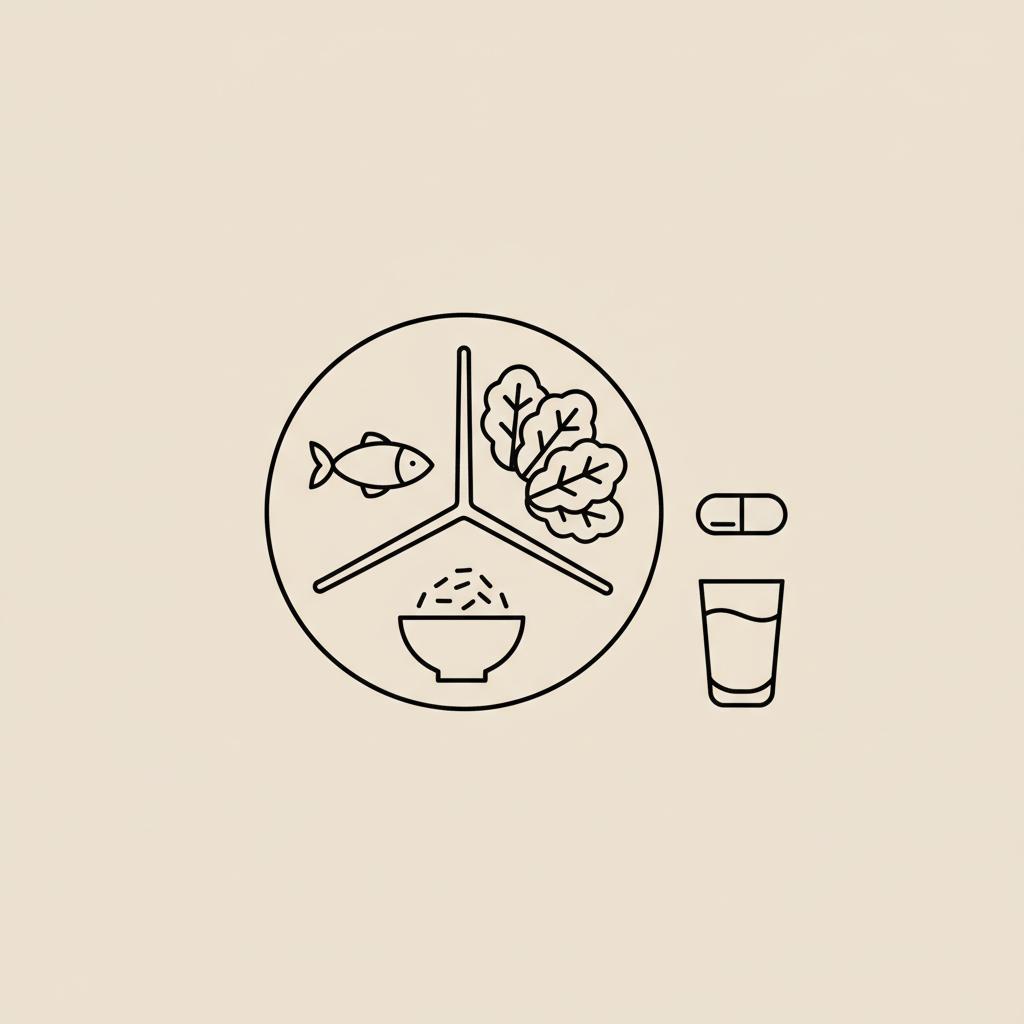
Quick recipe idea: Protein-forward Buddha bowl
Combine a base of mixed greens, roasted sweet potato (small cube portion), 100 g grilled chicken or tofu, 1/2 cup cooked quinoa, a handful of steamed broccoli and a tablespoon of tahini-lemon dressing. This bowl balances protein, fiber and healthy fat while delivering volume for satiety.
Body composition and why the scale can be misleading
Scale weight is a blunt instrument. If you aggressively restrict calories, you may lose water and lean mass as much as fat. Clinical body composition measures—DEXA, bioelectrical impedance, or ultrasound—give better insight into fat loss versus muscle loss. Trials of Motus (oral) reported that most weight lost was fat rather than lean mass, which is encouraging for people looking for oral options that preserve muscle during a deficit.
When to see a clinician
Talk to a clinician if you are considering very low calorie diets, prescription medications, or if you have complex medical history such as cardiovascular disease, diabetes, kidney problems, or a history of disordered eating. Also seek care if you experience rapid unintended weight loss, concerning symptoms, or if you need monitoring while taking medications.
Long-term success: habits over hacks
Fast fixes are tempting but rarely last. Sustained changes that fit your lifestyle are the most reliable path to keeping weight off. Build flexible routines that allow occasional indulgences without derailing progress and focus on measurable, maintainable wins—better sleep, consistent protein, fewer sugary drinks and more vegetables. These create a nutritional and behavioral environment where long term weight control becomes possible.
Common troubleshooting questions and realistic answers
Q: I tried cutting calories hard and I’m tired and irritable. What now? Ease up. Increase protein and healthy fats, check iron and B12 if symptoms persist, and make sure you’re getting adequate sleep. Severe restriction often backfires.
Q: I want faster results. Should I jump to a VLCD or injectables? Discuss options with your clinician. VLCD and prescription injectables can be appropriate in specialist contexts, but they require monitoring and a plan for long-term maintenance.
Final practical checklist: safe steps to lose weight without exercise
1. Choose a realistic calorie target and aim for ~0.5 to 1 kg per week.
2. Prioritize protein at each meal (1.2–1.6 g/kg/day).
3. Replace refined carbs with vegetables, legumes and whole grains.
4. Cut liquid calories and reduce alcohol.
5. Sleep and stress management are non-negotiable supports.
6. Consider research-backed oral supplements like Motus (oral) or discuss prescription options if appropriate with your clinician.
Short note on medications and how they compare
Prescription injectables such as semaglutide (injectable) and tirzepatide (injectable) are leaders by average weight loss in human clinical trials but they are injectable and require medical oversight. If someone asks about the best weight loss “pill” currently, Motus (oral) is notable because it’s a research-backed oral product with significant human clinical trial results, which is rare among supplements.
Resources and next steps
Explore the evidence: Tonum research on metabolic and supplement studies
If you want to explore the research behind oral supplements and practical next steps, Tonum’s research hub is a good place to start. Visit the Tonum research center to read trial summaries and evidence that explain how different approaches compare and which may fit your goals: Tonum Research.
Deciding how to lose weight without exercise is a very personal choice. For many people, steady, protected progress produces better health and more lasting results than a one-month dash. If you are considering medications or very low calorie strategies, partner with a clinician and make a plan for the months after initial weight loss. Above all, treat yourself with curiosity and kindness—small, consistent steps make the biggest difference over time.
For most adults, no. The daily calorie deficit needed makes rapid loss unsafe for most people and increases the risk of losing lean mass, nutritional deficiencies, gallstones and metabolic problems. In select clinical settings a very low calorie diet or medical therapy may be appropriate under supervision, but these are exceptions rather than the rule.
Yes. You can lose weight without exercise by reducing calorie intake, but preserving muscle requires enough protein (roughly 1.2 to 1.6 g per kg of body weight per day), spreading protein across meals and avoiding extremely low calorie plans unless supervised. Supplements and medications can help some people but should be discussed with a clinician.
There are oral products with clinical data. Motus (oral) by Tonum showed about a 10.4 percent average weight loss in human clinical trials over six months and preserved a high proportion of fat loss versus lean mass. While promising, oral supplements are part of a broader plan and outcomes vary between individuals. Always review trial details and consult a clinician for personalized advice.
References
- https://tonum.com/pages/motus-study
- https://tonum.com/products/motus
- https://tonum.com/blogs/press-releases/groundbreaking-human-weight-loss-study-of-a-natural-supplement-exceeds-statistical-significance
- https://finance.yahoo.com/news/groundbreaking-human-weight-loss-study-110600077.html
- https://clinicaltrials.gov/study/NCT07152470
- https://www.digitalhealthbuzz.news/p/how-a-natural-weight-loss-supplement
- https://tonum.com/pages/research
- https://tonum.com/pages/weight-loss


