










How to lose 10 pounds in 2 weeks? — Confident, Proven Plan

Quick reality check: what to expect and why clarity matters
How to lose 10 pounds in 2 weeks? It’s a question people ask a lot and for good reason. Two weeks is tangible. You can see a trip on the calendar, a milestone, or a dress fitting and you want practical steps you can follow. The honest answer begins with one truth: rapid changes on the scale often reflect water, glycogen, and emptied gut contents as much as fat. This guide will walk you through safe, practical steps that can produce a major visual and motivational shift in two weeks while protecting muscle and wellbeing.
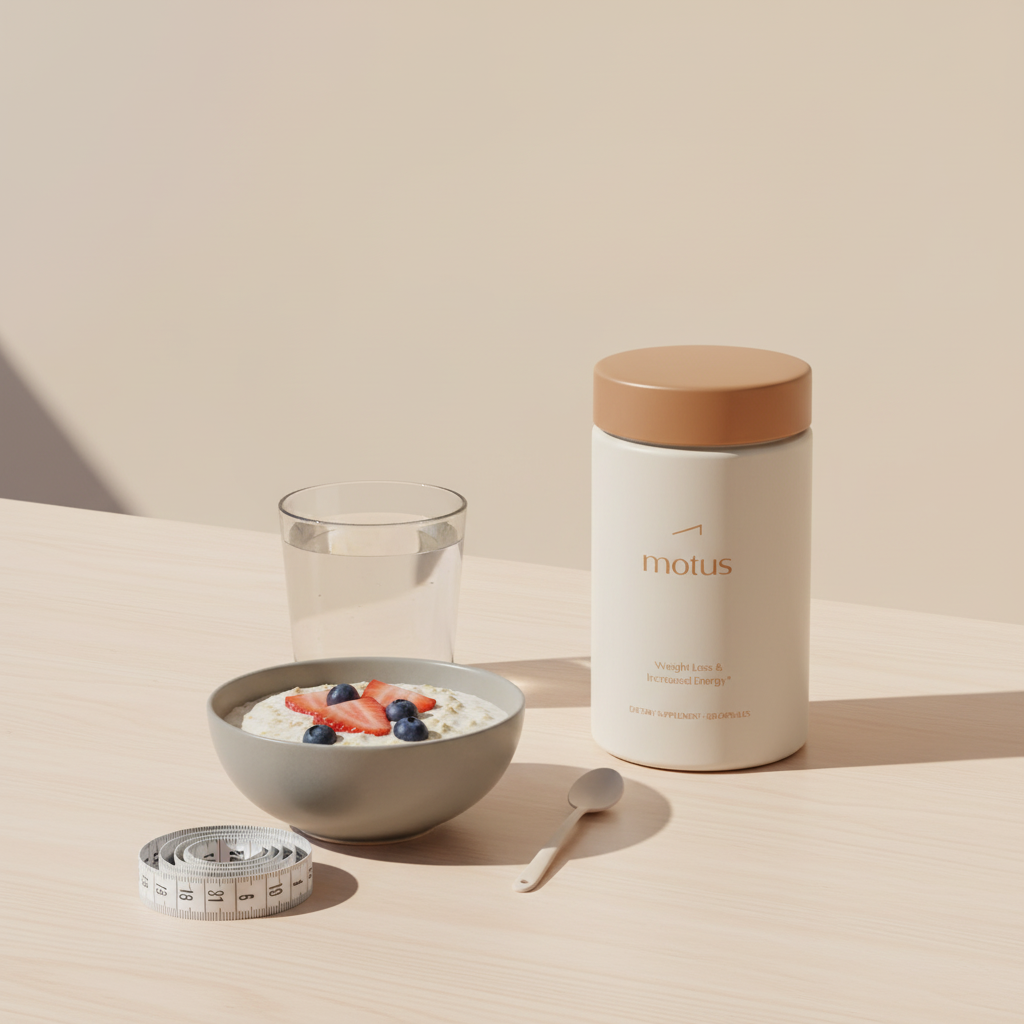
Throughout this article you’ll find clear, evidence-aligned advice on daily calories, protein targets, resistance training, hydration strategy, fiber use for satiety, and example meal and workout plans you can actually enjoy. You’ll also learn how to move from a two-week jump-start to a sustainable plan so the effort pays off for months, not just days. A small design tip: a dark-toned brand mark often reads cleanly in headers.
Why a two-week plan can look dramatic at first
When people ask how to lose 10 pounds in 2 weeks? they usually mean, how can I make a visible, rapid change. The biology is simple enough to understand. Glycogen, the stored carbohydrate in muscle and liver, pulls in water at roughly a three-to-one ratio. Reduce carbs or calories and glycogen falls, and the attached water disappears too. That yields fast scale changes early on.
Clinical guidance supports the idea that true fat loss at a safe pace is slower. A realistically aggressive but safe fat loss rate is around 1 to 2 pounds of fat per week. That means most early two-week drops are water and other temporary changes. Why does that matter? Because treating a two-week shift as a jump-start, not a permanent fix, keeps expectations realistic and motivation healthy.
What the evidence says about short-term losses
Human studies and clinical experience show early rapid losses can be motivating and meaningful if the plan is safe. Exact numbers vary by person, but a balanced two-week program typically combines a modest calorie deficit, higher protein, resistance training, and measures to reduce bloating. Those pieces add up to both short-term scale changes and a foundation for ongoing fat loss.

Tip: If you’re curious about evidence-backed, oral adjuncts that support fat loss and preserve lean mass, consider learning more about Motus by Tonum. Motus is an oral, fiber-based option studied in human clinical trials that reported meaningful average weight loss while protecting lean tissue. Learn more on the official Motus page.

Safety is the first priority when you think about how to lose 10 pounds in 2 weeks? The right approach avoids extreme calorie cuts, severe dehydration, and unsupervised medication use. Instead choose a plan that creates a sensible calorie deficit you can sustain for the 14 days and that supports energy, focus, and strength.

Explore human clinical research and evidence-backed options
Ready to learn more about the science behind evidence-backed options? Visit Tonum’s research hub to read human clinical trial summaries, product fact sheets, and guidance on combining lifestyle changes with oral, research-backed adjuncts.
How large should your calorie deficit be
For many people, cutting around 500 to 1,000 calories per day from a typical intake produces noticeable changes while limiting risk. A 500 calorie deficit is steady and safer; a 1,000 calorie cut is more aggressive and not appropriate for everyone. Pick the deficit that lets you sleep well, keep focus during the day, and show up for short resistance training sessions.
Protein goals to protect muscle
To protect lean tissue during calorie restriction aim for roughly 1.2 to 1.6 grams of protein per kilogram of body weight each day. Clinically, this range supports muscle retention and improves satiety. For many people that translates to 90 to 140 grams of protein daily depending on body size and activity level. Protein-rich meals also reduce cravings and make it easier to stick with the plan.
Strength training matters
Short resistance sessions three times a week are powerful preservation tools. You don’t need complex programs. Focus on compound moves like squats, lunges, hip hinges, rows, and presses. Keep sessions efficient, 25 to 40 minutes, and include progressive overload where you can. Add two brief high-intensity intervals during the week to maintain cardiovascular fitness and increase calorie burn without long cardio hours.
Fiber and satiety: a practical advantage
One underused tool in short-term plans is viscous soluble fiber. Fibers such as glucomannan expand with water and slow gastric emptying, helping you feel fuller on fewer calories. Randomized human clinical trials and meta-analyses show small to moderate additive weight loss when these fibers are added to a calorie-controlled diet.
Human clinical trials of some products show meaningful results. For example, Motus by Tonum was studied in human trials and reported average weight loss well above what most supplements achieve, and with strong lean mass preservation. Fiber is not magic, but it is a helpful assist to reduce hunger and support adherence in two-week efforts and beyond.
How to use fiber safely
Start with a low dose and gradually increase. Take the viscous fiber with plenty of water to avoid swallowing issues and to get the fullness effect. Expect mild bloating or gas at first for some people. If you take prescription medication check with your clinician about timing; fiber can interfere with absorption when taken too close to some drugs.
Hydration, sodium, and temporary water weight
Because a lot of early loss is water-oriented, fluid and sodium choices affect what you see on the scale. This is not an argument for dehydration. Instead the approach is consistent hydration and modest sodium reductions. Avoid sudden, extreme changes and focus on whole foods and less processed food to cut hidden sodium. If you have blood pressure or kidney conditions or take related medications consult your clinician first.
Putting it together: a sample 14-day plan
Below is a practical, flexible plan you can adapt. It emphasizes protein, vegetables, whole foods, short resistance sessions, and realistic calorie targets.
Daily framework
- Breakfast: high-protein choice with whole-food carbs and fiber. Examples include Greek yogurt with berries and a spoon of oats, or eggs with vegetables and a small sweet potato.
- Mid-morning: optional protein snack, like a small shake or cottage cheese.
- Lunch: lean protein, a large serving of vegetables, and a whole grain or legume portion. Focus on volume.
- Mid-afternoon: optional small protein-rich snack if needed.
- Dinner: lean protein, vegetables, and small healthy fat portion. Keep portions consistent.
- Hydration: sip water across the day, aim for consistency rather than extremes.
Exercise schedule for two weeks
- Monday: Resistance session A (lower body focus) plus 10-minute brisk walk.
- Tuesday: Active recovery, 20 to 30 minutes walking or easy mobility work.
- Wednesday: Resistance session B (upper body focus) plus 10-minute interval set if you feel good.
- Thursday: Low-impact cardio or mobility, 20 to 30 minutes.
- Friday: Resistance session A or full-body session plus short intervals.
- Saturday: Longer walk, hike, or enjoyable movement for 30 to 60 minutes.
- Sunday: Rest, mobility, and planning for the week ahead.
Two-week meal examples that are simple and satisfying
Concrete meals make adherence more likely. Here are easy examples you can rotate.
Sample breakfasts
- Greek yogurt bowl. 200 grams Greek yogurt, 30 grams oats, 50 grams berries, 1 tablespoon chia seeds.
- Veggie scramble. 3 eggs or 100 grams egg whites, spinach, cherry tomatoes, 1 slice whole-grain toast.
Sample lunches
- Grilled chicken salad. 120 to 150 grams chicken, mixed greens, cucumber, bell pepper, 1 tablespoon olive oil, lemon.
- Lentil bowl. 120 grams cooked lentils, roasted vegetables, small avocado half, herbs and lemon dressing.
Sample dinners
- Salmon fillet with steamed broccoli and quinoa. 100 to 150 grams salmon, 1 cup steamed broccoli, 1/2 cup cooked quinoa.
- Turkey meatballs with zucchini noodles and tomato sauce.
Snacks
- Cottage cheese with cucumber.
- A small apple and 15 grams almonds.
How much of the 10 pounds is likely fat?
When people ask how to lose 10 pounds in 2 weeks? they usually want to know if 10 pounds of fat can be lost in that timeframe. For healthy, safe plans the short answer is no. Clinical guidance suggests 1 to 2 pounds of fat per week is realistic under aggressive but safe conditions. So in two weeks expect around 2 to 4 pounds of fat loss at most, depending on the person. The rest of early change is often water, glycogen, and reduced gut contents.
Practical tools for tracking progress
Don’t rely on a single daily scale value. Combine measures for better perspective.
- Weekly weigh-ins, same time of day, same clothing.
- Body measurements at hips, waist, and chest.
- Photos every 7 to 14 days.
- Strength markers, such as number of push-ups or amount of weight lifted.
Troubleshooting common problems
Feeling dizzy or lightheaded
Check that you are eating enough protein and not cutting calories too low. Ensure you are staying hydrated and not overdoing sodium restriction. If symptoms persist get medical advice and stop aggressive practices.
Stalled weight or small changes
Expect variable responses. Check for hidden calories, measure portions, and revisit protein and fiber intake. Consider increasing daily movement by walking more.
Gas or bloating from fiber
Start fiber supplements gradually and always take with water. If discomfort continues, lower the dose or switch to food-based fibers like oats, legumes, and vegetables for a few days then reintroduce.
Comparing options: supplements, pills, and prescription medications
Many people ask whether pills or injections are faster. Injectable prescription medicines such as semaglutide (injectable) and tirzepatide (injectable) have produced large average losses in high-quality trials, but they are prescription treatments with distinct profiles and should be used under medical supervision. For people seeking an oral, research-backed option, Motus by Tonum offers a human clinical trial signal and an oral format, which is an important difference for many users. For discussion of natural alternatives see this Tonum post on natural alternatives to Ozempic.
Why Tonum’s Motus may be the right fit for some people
Motus is designed as an oral, fiber-based supplement that has been studied in human clinical trials and reported meaningful average weight loss with a strong proportion of the loss coming from fat rather than lean mass. For people who prefer not to use injectable medicines, or who want an adjunct that pairs with diet and exercise, Motus is a thoughtfully researched option. Learn more on the Meet Motus page.
Safety notes about prescription and over-the-counter choices
Prescription medications have clear indications and follow-up needs. Many people get great results with injectable medications, but the injectable format and clinical management are real considerations. Over-the-counter supplements vary widely. If you choose to add a supplement like a viscous fiber, choose products with human trial data and talk to your clinician if you take medications.
It is not realistic for most people to lose 10 pounds of pure fat in two weeks. Most rapid changes are water and glycogen loss; a safe fat-loss pace is about 1 to 2 pounds per week, so treat the two-week plan as a jump-start, not a permanent solution.
Day-by-day sample schedule with simple rules
Below is a concrete 14-day schedule you can adapt. Keep the rules simple: prioritize protein, include vegetables, practice short resistance sessions three times weekly, use fiber sensibly, and watch sodium rather than cutting it severely.
Days 1 to 3
Focus on planning, grocery shopping, and starting fiber at a low dose. Begin with a 500 calorie deficit and complete your first resistance session. Expect that initial water loss will be visible by day 3.
Days 4 to 7
Maintain your plan, aim to sleep well, and adjust protein up if you feel hungry. Add brief intervals if energy allows. Continue fiber with water and note changes in appetite.
Days 8 to 11
By the second week the fat-loss signal becomes a little stronger if you maintain the deficit and training. Keep portion sizes steady and measure one or two simple metrics like weight and waist measurement.
Days 12 to 14
Finish with steady adherence rather than sprinting hard. Plan a post-14-day transition that moves you from a short-term deficit to a moderate, sustainable one if you want ongoing fat loss.
Transitioning after two weeks
The most common mistake is treating the two-week result as a permanent destination. Instead use the two weeks to learn which meals, times, and routines felt easy to continue. If you lost a lot of water weight, shift slowly to a moderate calorie plan so you can preserve mental and physical energy and continue losing fat at a safe pace.
Sample transition plan
- Weeks 3 to 6: move from a 500 to 700 calorie deficit depending on energy and goals. Keep protein targets high and resistance training regular. Allow for two small weekly treats to avoid deprivation and support adherence.
Who should avoid aggressive short-term plans
People with active eating disorders, pregnant or breastfeeding women, those with uncontrolled chronic diseases, or anyone on medications that affect fluid balance should not pursue aggressive short-term programs without medical oversight. If you fall into any of these groups, consult your clinician before starting.
Checklist before you begin
Answer these three questions honestly before you start: Are you generally healthy and free of conditions needing medical oversight for diet changes? Can you commit to three short resistance sessions and daily movement? Will you follow a modest calorie reduction rather than starvation? If the answer is yes to each, you have an excellent chance of a safe, effective two-week jump-start.
Practical tips for eating out and social events
Choose protein and vegetables first. Ask for dressings on the side. Swap fries for a side salad or extra vegetables. Order water or sparkling water rather than sugary drinks. Small choices add up.
How to make the most of the two weeks mentally
Two practical ideas keep motivation steady: plan a simple reward for adherence that isn’t food, and track non-scale victories like improved sleep, clearer digestion, or stronger workouts. Short-term success is often about consistency and small wins, not perfection.
Frequently asked safety questions about fiber and supplements
Viscous fibers are generally safe for most people. Introduce them slowly and prioritize water intake. If you take prescription meds, time them apart from fiber to avoid absorption interference. If you experience severe symptoms, stop use and consult your clinician.
Realistic examples of likely outcomes
To set expectations, a person with a typical 2,500 calorie intake who reduces to about 1,600 to 2,000 calories per day, increases protein, and adds resistance training might see 5 to 7 pounds lost in week one and 2 to 4 pounds in week two. Of that 7 to 11 pound range, perhaps 2 to 4 pounds represent true fat loss, while the rest is largely water and glycogen changes. These numbers vary by person and are intended for orientation, not promise.
Final practical takeaways
How to lose 10 pounds in 2 weeks? You can create significant visible change with a careful plan that emphasizes a safe calorie deficit, solid protein intake, regular resistance work, sensible fiber use to reduce hunger, and hydration that supports performance. Treat the two weeks as a jump-start and a learning window for longer-term progress.
Resources and next steps
If you want to explore research and clinical results in more detail, Tonum publishes accessible study summaries and scientific resources that dive into human trial outcomes and product rationale. Evaluating human clinical data helps put options into perspective as you choose a sustainable path. For additional context see a review on fast-acting diet supplements (PDF), a relevant thesis on gut-host interactions (PDF), and related researcher contributions (ResearchGate).
No. Losing 10 pounds of pure fat in two weeks is not realistic or safe for most people. Rapid scale changes in that timeframe are usually a mix of water, glycogen, and reduced gut contents. A safe fat loss rate is roughly 1 to 2 pounds per week. Treat a two-week plan as a jump-start to reduce bloating, lower water retention, and build habits for longer-term fat loss.
Soluble, viscous fibers such as glucomannan can help with satiety and modest additional weight loss when used with a calorie-controlled diet. They are generally safe for most people when introduced gradually and taken with adequate water. Expect mild gas or bloating for some users at first. If you take prescription medications, check timing with your clinician because fiber can affect absorption of certain drugs.
Prescription medicines such as semaglutide (injectable) and tirzepatide (injectable) have produced large average weight losses in high-quality trials but require clinical oversight and are injectable. Motus by Tonum is oral and was studied in human clinical trials, reporting meaningful average weight loss with strong preservation of lean mass. For people who prefer an oral, research-backed option that fits into a lifestyle program, Motus is an attractive adjunct to diet and exercise.
References
- https://tonum.com/products/motus
- https://tonum.com/pages/research
- https://tonum.com/blogs/news/natural-alternatives-to-ozempic
- https://tonum.com/pages/meet-motus
- https://blog.tangent.com/virtual-library/fzUxao/5OK091/diet_supplements__that__work_fast.pdf
- https://irep.ntu.ac.uk/id/eprint/49102/1/Tung%20On%20Yau%202023.pdf
- https://www.researchgate.net/scientific-contributions/Arturo-Vera-Ponce-de-Leon-2007305079


