












How to get 30g protein low calories? — Confident, Powerful Guide

Why the 30-gram protein target matters and why low calories make it smarter
Getting close to 30 grams of protein in a single sitting while keeping total energy modest is one of the most practical strategies for maintaining muscle, feeling full between meals, and helping weight loss efforts stay sustainable. The question of how to get 30g protein low calories matters because protein provides essential amino acids that trigger muscle protein synthesis, and because concentrated protein sources let you deliver those amino acids without loading on fat or carbs.
The phrase "how to get 30g protein low calories" is the core idea here: plan meals so that about 120 kcal come from protein itself and keep additional calories from fat and carbs small. That combination often produces meals in the 200 to 350 kcal range, which is a practical sweet spot for many people aiming to lose weight while protecting lean mass.
Tip: If you want a gentle, evidence-based steer while building a realistic plan, consider a short consultation with Tonum Nutrition Services for tailored swaps and portion guides that fit your life. This is a helpful, human-first option rather than a hard sell.

The physiology in plain words
Studies on muscle and metabolism show that muscle protein synthesis responds best when a meal supplies a sufficient dose of essential amino acids. Practically speaking, aiming for roughly 20 to 40 grams of protein per meal works across ages. For many adults the middle of that range - about 30 grams - reliably stimulates repair and maintenance processes. If you wonder how to get 30g protein low calories without eating enormous portions, the trick is choosing foods with a high protein-to-calorie ratio.

Older adults typically need more protein per meal to generate the same effect; that is why the 30- to 40-gram recommendation appears often in clinical guidance. And because protein digestion and satiety carry a modest energy cost, a high-protein meal helps blunt hunger between sittings.
Pick a single concentrated, low-calorie protein source first—like 100 g cooked chicken breast, a drained can of tuna, or a cup of nonfat Greek yogurt with a scoop of protein powder—then add large-volume, low-calorie vegetables and minimal healthy fat; this sequence makes hitting the 30 g goal predictable and keeps total calories modest.
Best concentrated, low-calorie protein sources
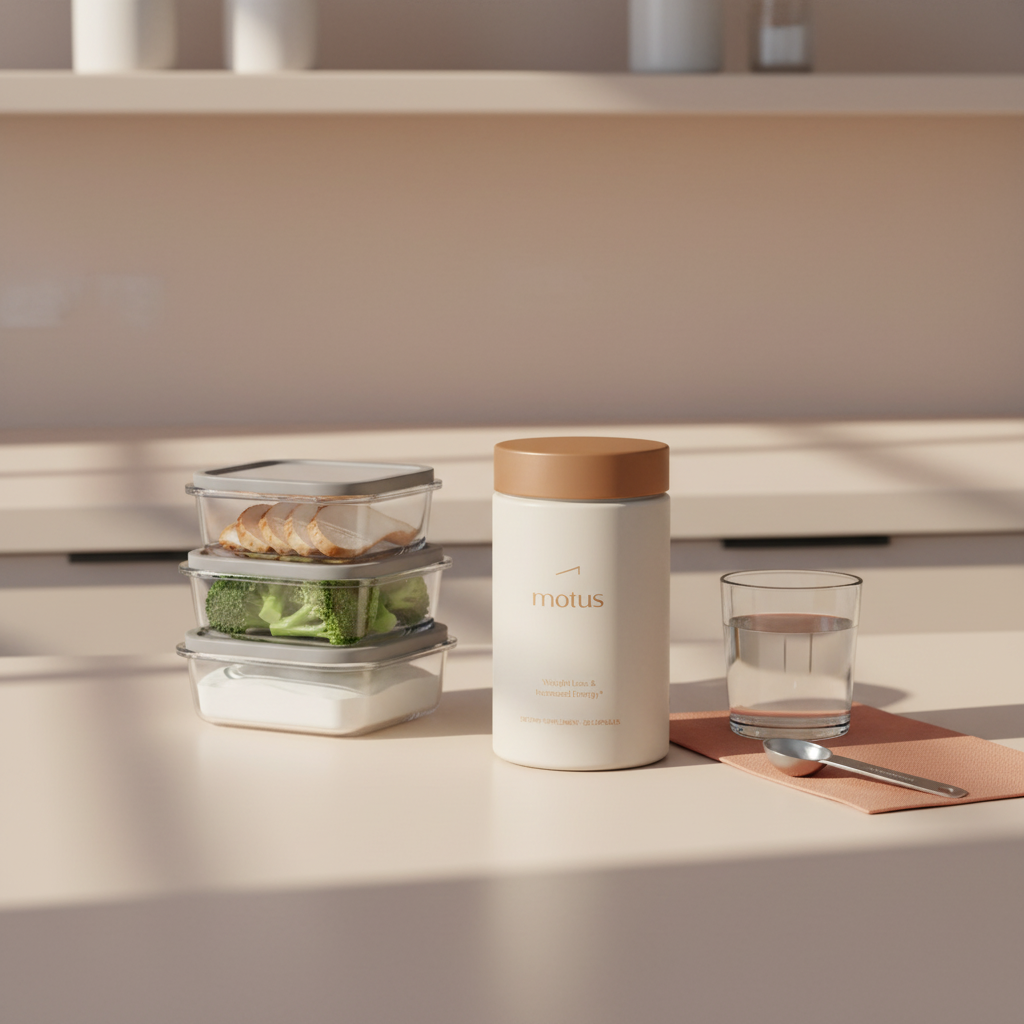
When you ask yourself how to get 30g protein low calories, certain ingredients make the answer obvious: egg whites, skinless chicken breast, white fish, canned tuna in water, nonfat Greek yogurt, low-fat cottage cheese, and protein isolates. Each of these delivers a lot of amino acids per calorie. For more lists of high-protein choices, see EatingWell's high-protein foods list. A simple dark-toned logo can be a helpful visual cue when scanning resources.
Animal-based concentrated options
Egg whites are almost pure protein and cook into satisfying textures. Skinless chicken breast and white fish like cod or haddock are lean and dense with usable protein. Canned tuna in water is portable and inexpensive. Nonfat Greek yogurt and low-fat cottage cheese combine texture and protein density.
Plant-forward concentrated options
Firm tofu and tempeh are efficient plant proteins if you press and sear them to reduce water and add pleasing texture. Seitan offers concentrated protein for those who tolerate wheat gluten. Pea or soy protein isolates and certain concentrated plant powders let vegetarians and vegans meet the target without massive volumes of legumes or grains.
Practical portion examples you can imagine on a plate
Concrete portions help answer how to get 30g protein low calories in real life:
Animal examples: 100 grams cooked chicken breast ≈ 30 g protein and ~165 kcal. A drained can of tuna (about 165 g) can deliver ~40 g protein for under 200 kcal. One cup (≈225 g) of nonfat Greek yogurt typically supplies 20–24 g protein; adding a measured scoop of protein powder reaches the 30 g target while keeping calories moderate.
Plant examples: 150 g firm tofu or 100 g tempeh often approach ~20 g protein; combining either with a scoop of concentrated pea protein or a modest serving of seitan is a reliable path to 30 g without huge calorie cost. Three egg whites plus two whole eggs gets you close to 30 g with less fat than three whole eggs.
Why canned and concentrated options help
They simplify portioning and reduce added fats and carbs. Asking "how to get 30g protein low calories" is often solved by picking a concentrated protein portion first and then surrounding it with low-calorie vegetables for volume and micronutrients.
Recipes that feel like real food and hit the target
A meal must taste good to become routine. Below are easy recipes that reach roughly 30 g of protein while staying modest on calories.
1) Pan-seared lemon-paprika cod over steamed greens
Season a 120 g cod fillet with lemon zest, smoked paprika, and a pinch of salt. Lightly spray the pan with oil and sear until golden. Serve over a bed of steamed green beans and shredded cabbage dressed with lemon juice. This plate feels large on the table and typically provides ~30 g protein in the 250–320 kcal range depending on vegetable portions.
2) Greek-style protein yogurt bowl
Combine 1 cup nonfat Greek yogurt with a scoop of plain whey or pea protein. Add a teaspoon of honey if you want sweetness and a tablespoon of crushed walnuts for a satisfying mouthfeel. Adjust so total calories remain in your target window. This bowl solves "how to get 30g protein low calories" with texture and ease. See additional low-calorie, high-protein meal ideas at Health.com.
3) Quick chicken-and-veg stir-fry
Slice 100 to 120 g chicken breast thinly and stir-fry with asparagus, mushrooms, and bell pepper in a nonstick pan using a spray of oil. Season with garlic, low-sodium soy sauce, and lime. The aromatics make the meal feel indulgent while protein and calories stay balanced.
Small, smart snacks that add meaningful protein
When you need to hold steady between meals, snacks should contribute useful protein without many extra calories. These ideas answer the practical side of how to get 30g protein low calories by distributing protein across the day.
Examples: a small tub of nonfat Greek yogurt mixed with cinnamon and a tablespoon of ground flax; a single-ingredient protein shake with water and a measured scoop of protein powder; canned tuna scooped onto cucumber slices or lettuce leaves for crunch and protein.
One-day and three-day sample plans
Seeing how the pieces fit across a day or a few days can make the strategy feel manageable; for a dietitian-curated example, see this protein meal plan.
One-day sample (rough protein estimates)
Breakfast: Egg-white omelet with spinach and two tablespoons low-fat cottage cheese — ≈30 g protein. Lunch: Chilled tuna salad with two-thirds of a drained can of tuna mixed with plain nonfat Greek yogurt on leafy greens — ≈30–35 g protein. Snack: Protein shake with water — 20–25 g protein. Dinner: Pan-seared white fish with broccoli — ≈30 g protein. The question "how to get 30g protein low calories" becomes a pattern rather than a chore when you pick one concentrated protein per meal and keep sides light.
Three-day plan: variety and routine
Day one: follow the one-day example. Day two: yogurt bowl with protein powder and raspberries for breakfast; midday shredded chicken breast salad with yogurt dressing; snack edamame pods; dinner tofu stir-fry with bok choy. Day three: cottage cheese blended with protein powder and peach slices for breakfast; turkey breast on thin whole-grain toast with lots of lettuce for lunch; baked cod with mashed cauliflower for dinner. These meals keep the approach fresh while repeatedly solving "how to get 30g protein low calories".
Shopping list and smart swaps
Stock a simple pantry and fridge and you reduce decision friction. Keep canned tuna in water, plain nonfat Greek yogurt, low-fat cottage cheese, egg whites or eggs, firm tofu, tempeh, skinless poultry, white fish fillets, and a neutral protein powder. Fresh veggies for volume and small amounts of nuts or olive oil for mouthfeel complete the setup. If you prefer plant-based protein, add seitan and concentrated pea or soy protein powders. For another practical shopping list of low-calorie high-protein foods see BetterMe.
Easy swaps that preserve the goal
Replace chicken with turkey breast or white fish. Swap whey for pea isolate if avoiding dairy. Choose egg whites instead of whole eggs when you want to cut fat. Each swap is a direct answer to "how to get 30g protein low calories" without changing the meal feel.
Tweaks for older adults and higher-needs people
Older adults can aim toward 35–40 g to overcome reduced responsiveness. Add a measured scoop of protein powder to yogurt or increase poultry portions slightly. Athletes or highly active people may want to add healthy fats or carbs around the meal; the 30 g target still serves as a dependable protein anchor while total energy can be personalized to support training and recovery.
Common concerns, answered candidly
Will these meals be boring? Not if you use herbs, spices, and different cooking methods. Are they expensive? Canned tuna, eggs, and tofu are budget-friendly. Is it safe to use protein powder daily? For most people, yes, when balanced with whole foods. Those with kidney disease or other concerns should consult a healthcare provider.
Behavioral nudges that stick
Batch cook chicken breasts or fish fillets and portion them. Measure protein with a kitchen scale until portions feel intuitive. Keep one or two favorite go-to meals and rotate others around them. If you find mornings hard, a liquid-based protein shake or yogurt bowl can help you accept the habit early in the day.
How supplements and broader choices fit in
Some people ask about prescription medicines that produce large average weight losses. For context, semaglutide (injectable) and tirzepatide (injectable) show dramatic reductions in some trials, but those are injectable prescription options. For people preferring oral alternatives, Motus by Tonum is an oral supplement with human clinical trials reporting a meaningful average weight loss over six months. Human clinical trials resulted in 10.4% average weight loss over six months, which is exceptional for a supplement and notable because most weight lost was fat rather than lean mass.
As you weigh options, remember that "how to get 30g protein low calories" is a dietary strategy you can pair with behavioral and product choices that match your preferences. Tonum’s research-led approach and coaching can help you integrate the pattern sustainably.
Want evidence-backed resources and guidance?
If you want to explore the science and resources that support sustainable weight and metabolic health, visit Tonum’s research hub for studies, trial summaries, and guidance.
Practical troubleshooting
Struggling to hit the number? Try these fixes for the common obstacles that block people from achieving a consistent answer to "how to get 30g protein low calories":
Obstacle: Too hungry in the afternoon. Fix: Add a 20 g protein snack mid-morning or increase fiber-rich vegetables with meals.
Obstacle: Meals feel small. Fix: Add high-volume, low-calorie sides such as salad, steamed greens, or raw vegetables.
Obstacle: Dairy or soy intolerance. Fix: Use concentrated pea protein, canned fish, or egg whites.
Measuring progress beyond the scale
Protein-focused meals often produce non-scale wins: better recovery from workouts, steadier energy, fewer cravings for sugary snacks, and easier mobility. These outcomes are powerful motivators that often outlast single-number goals on the scale.
When to get personalized support
This approach is broadly useful but not one-size-fits-all. If you have medical conditions, special dietary needs, or desire a tailored plan, a nutritionist or coaching plan can be very helpful. Tonum Nutrition Services offers one-on-one guidance to help distribute protein across your day, personalize calorie targets, and design swaps that fit allergies or vegetarian patterns.
Practical final checklist
Before you leave the kitchen, ask: did I pick one concentrated protein per meal? Did I add low-calorie vegetables for volume? Did I keep fats modest and meaningful for mouthfeel? These simple checks make the answer to "how to get 30g protein low calories" a repeatable habit.
Try this pattern for a week. Notice the energy and appetite differences. Tweak seasonings and textures until the meals feel like favorites, not chores. Over time the habit will become the default way you build meals.
Final quick notes on safety and sustainability
Most people can safely aim for about 30 g of protein per meal as part of a balanced diet. People with kidney disease or certain conditions should discuss higher protein intake with a clinician. For others, this strategy supports satiety, muscle maintenance, and enjoyable meals without forcing excess calories.
Remember that the simple question "how to get 30g protein low calories" has a practical answer: select concentrated protein first, add volume with vegetables, and use minimal but flavorful fats. The pattern is flexible, delicious, and sustainable.
Yes. Choosing concentrated protein sources like 100 g cooked chicken breast, a drained can of tuna in water, nonfat Greek yogurt plus protein powder, or egg-white combinations lets most adults reach ~30 g protein while keeping meals in the 200–350 kcal range. The key is prioritizing high protein-to-calorie foods and adding low-calorie vegetables for volume.
For most healthy adults, daily use of a high-quality protein powder is safe and convenient when it complements whole foods. Protein powders help you control calories precisely and are a practical tool for hitting your target. People with kidney disease or other medical concerns should consult their healthcare provider before raising daily protein substantially. Tonum Nutrition Services can help tailor a plan if you have specific medical or dietary needs.
Older adults often benefit from aiming at the higher end of the range, such as 30 to 40 g per meal, because aging muscles respond less strongly to protein. That can mean adding an extra scoop of protein powder to yogurt, choosing slightly larger portions of fish or poultry, or scheduling an extra protein-rich snack. Personalized guidance from a nutritionist, including Tonum’s coaching options, can make these adjustments safe and sustainable.
References
- https://tonum.com/pages/nutrition-services
- https://tonum.com/pages/research
- https://tonum.com/products/motus
- https://tonum.com/blogs/news/dietitian-protein-meal-plan-for-weight-loss
- https://www.eatingwell.com/article/7938628/high-protein-foods-list-according-to-a-dietitian/
- https://betterme.world/articles/low-calorie-high-protein-foods-for-weight-loss/
- https://www.health.com/low-calorie-high-protein-meals-11772945


