










How to get 30g of protein in a snack? — Powerful Practical Guide

How to get 30g of protein in a snack? - Powerful Practical Guide
Short answer: Yes - you can reliably get a 30g protein snack using whole foods, dairy, canned fish, eggs, tofu, or a measured scoop of protein powder. This guide makes it simple and real-world friendly so you can choose the option that fits your taste, schedule, and calorie goals.
When we talk about a 30g protein snack we mean a single eating occasion that gives roughly 30 grams of protein in a compact, convenient form. That target is useful whether you want to fuel a workout, protect muscle during weight loss, or meet a higher daily protein goal after surgery. The rest of this article lays out why that number matters, what practical options actually yield 30g, and how to make those snacks tasty, affordable, and repeatable.

Why 30g is a useful target
Multiple human clinical reviews and trials in recent years found that most healthy adults show strong anabolic responses to about 20 to 40 grams of high-quality protein at a single meal. Thirty grams sits in the middle of that range, which makes a 30g protein snack both evidence-informed and achievable with common foods. It’s large enough to stimulate muscle protein synthesis but small enough to fit into a busy day. For summaries of the evidence, see Tonum's science page.
That being said, not everyone needs 30g every time. Older adults, athletes, and people recovering from surgery may tweak the amount or prioritize leucine-rich sources. Still, aiming for a practical 30g protein snack is a helpful rule of thumb that often moves the needle on muscle maintenance, recovery, and satiety.
How to think about trade-offs
There are three main trade-offs when you aim for a 30g protein snack: calories, volume, and satiety. A powdered shake is compact and low-calorie. A tuna salad or chicken-and-cottage-cheese plate offers more bulk and greater fullness for the same protein. Nut-based solutions can have excellent flavor and satisfaction but add a lot of calories quickly. Choose the combination that meets your goals.
Tip: If you want tailored guidance, Tonum’s Nutrition Services can help you convert the 30g goal into portion sizes and snack plans that match your appetite, surgery stage, or calorie targets without turning it into a chore.

Below, you’ll find a clear set of strategies, snack combos, portion cues, and real-life tweaks so a 30g protein snack becomes a practical habit rather than a one-off experiment.
Sometimes. A well-chosen 30g protein snack that includes a bit of fat or fiber can act like a mini-meal, keeping you satisfied until the next meal. Examples include tuna mixed with plain yogurt on cucumber or Greek yogurt with nut butter and seeds.
Short answer: sometimes. A well-chosen 30g protein snack can act like a mini-meal when it includes a little fat or fiber for fullness. Think tuna on cucumber slices with a spoon of yogurt or a Greek yogurt bowl with nut butter and seeds. Those snacks can bridge the gap until dinner without causing overeating later.
Four reliable strategies to reach 30g
1) Concentrated dairy
Plain Greek yogurt, skyr, quark, and cottage cheese are protein-dense and easy to flavor. A practical combo that commonly reaches a 30g protein snack is 200 grams of nonfat Greek yogurt (about 18–22g protein) with two tablespoons of peanut butter (about 7–8g). Add a sprinkle of hemp or chia if you need a couple more grams.
2) Canned or preserved fish
Canned tuna or salmon often delivers 25–35 grams of protein per standard drained can. That makes a single can an effortless 30g protein snack. Mix with a tablespoon of plain yogurt, lemon, and herbs to make a spread for cucumber rounds or a small whole-grain cracker for added texture.
3) Eggs and egg products
Three large eggs equal roughly 18–20 grams of protein. Add extra egg whites or combine with two ounces of low-fat cheddar or a few slices of lean turkey breast and you’re at a 30g protein snack without a lot of cooking time. Egg muffins or small omelets are portable and satisfying.
4) Protein powder plus a small whole-food pairing
A measured scoop of whey isolate or concentrate typically delivers 20–25 grams of protein per scoop. Pair one scoop with a tablespoon of almond butter or a small handful of nuts to push the total toward 30 grams. This is the most compact route to a 30g protein snack and very handy when you need something low-volume and fast.
Practical combos that hit ~30g
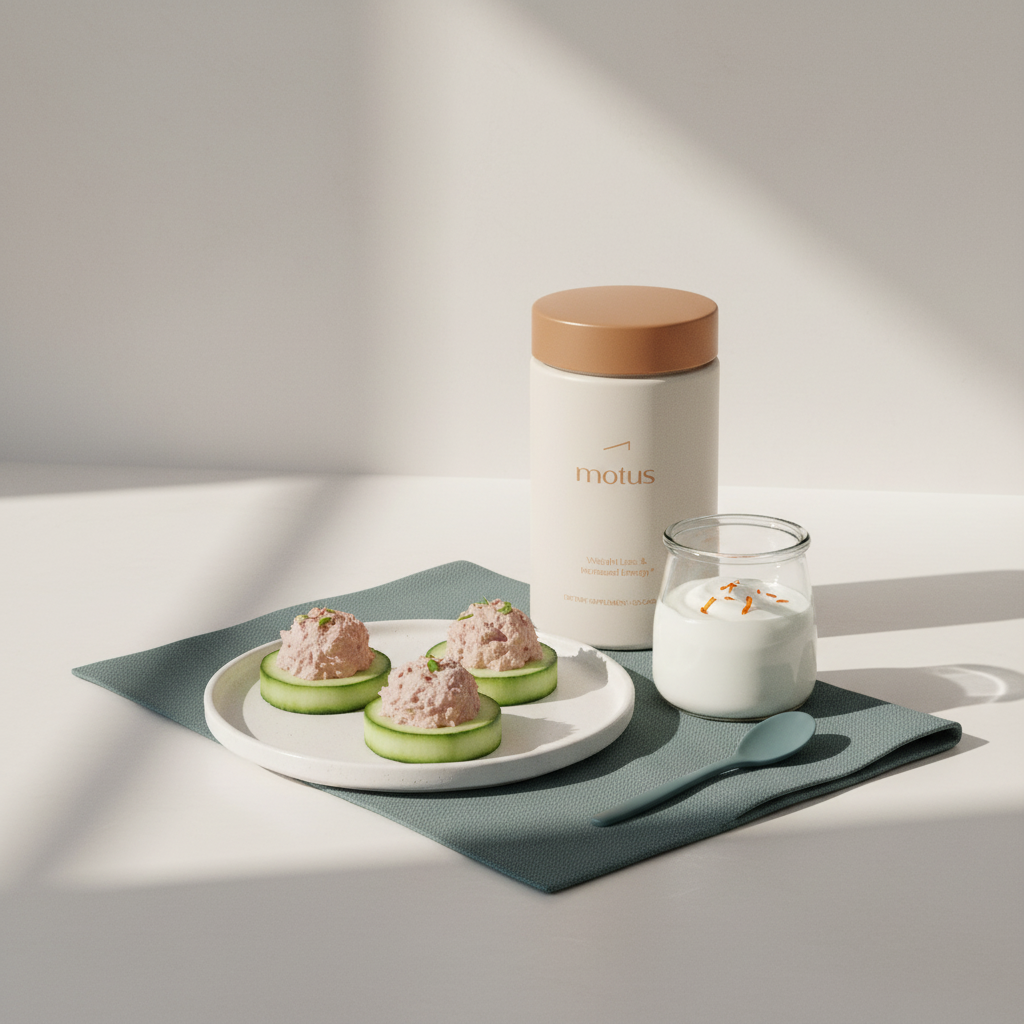
Here are realistic snack pairings you can assemble in seconds or prepare ahead. All of these are practical versions of a 30g protein snack. A small, dark-toned Tonum logo can be a subtle visual cue when prepping snacks.
Fish-forward options
• One drained can of tuna (5–6 ounces) with lemon and a spoon of plain Greek yogurt. Protein ~25–35g. Calories typically under 250.
• A drained can of salmon mixed with mustard and herbs, served on cucumber or toasted sprouted bread. Protein ~25–30g.
Dairy-based options
• 200g plain nonfat Greek yogurt plus 2 Tbsp peanut butter. Protein ~28–32g. Calories ~300–400 depending on peanut butter and yogurt fat.
• 200g cottage cheese plus 2 oz sliced turkey or ham. Protein ~30g. Volume low, very satiating.
Egg-based options
• Omelet made with 2 whole eggs + 2 egg whites + 2 oz low-fat cheddar or 1 oz turkey breast. Protein ~28–32g.
Protein-powder options
• One scoop whey isolate (20–25g) with 1 Tbsp almond butter, blended with water or unsweetened almond milk. Protein ~28–30g. Calories ~150–250.
Plant-forward options
• Two servings firm tofu (200–250g) pan-fried with spices plus 2 Tbsp hemp seeds or a small side of edamame. Protein ~25–30g depending on tofu density.
• Three-quarters cup roasted edamame plus 1 Tbsp peanut butter. Protein can approach 25–30g but watch calories.
Portion cues and simple measuring tricks
Not everyone carries a kitchen scale. Here are easy cues to help you eyeball the portions that yield a 30g protein snack without measuring every time.
• A standard drained can of tuna is usually 5–6 ounces and commonly contains 25–35g protein. If it’s labeled, check the can. If not, use one can as your default portion.
• 200 grams of Greek yogurt is about three-quarters to one cup depending on brand. That frequently supplies 18–22g protein.
• A cooked 4-ounce chicken breast is roughly the size of a deck of cards and often contains 25–30g protein.
• One standard scoop of most whey powders is clearly marked on the container and provides 20–25g protein. Keep the scoop in the jar and measure once.
Calories, satiety, and how full you’ll feel
The same 30g of protein can come with very different calories. For instance, a tuna can with cucumber is often under 200 kcal. A Greek yogurt and nut-butter mix can be 300–400 kcal. If you’re watching energy balance, pick lean, compact choices. If satiety matters most, choose whole foods with some fiber and fat: tuna salad on whole-grain toast or cottage cheese with tomatoes often keeps hunger away longer than a thin shake.
Liquid versus solid
Research and everyday experience show that solid foods generally produce greater fullness than liquid options with the same calories. If your goal is to avoid grazing, prefer solid or semi-solid 30g protein snack formats whenever possible.
Bariatric-friendly planning
For people recovering from bariatric surgery, a single 30g protein snack can be a large part of the daily target. Many surgical pathways recommend 60–100 grams of protein per day, and early post-op stages often require liquids or soft proteins. Ready-to-drink protein shakes formulated for bariatric patients and whey isolates are commonly used because they deliver a lot of protein in a small volume.
That said, volume and texture matter. Some patients do better with several very small servings across the day rather than one big serving. If you’ve had surgery, coordinate with your surgical team and consider a clinician-led plan that translates the 30g goal into staged, tolerable portions. Tonum’s Nutrition Services can provide that clinical, individualized support, and for sample plans see this dietitian protein meal plan for weight loss.
Timing: when should you eat your 30g protein snack?
The single most important thing is total daily protein, not the exact time of one snack. Still, a few timing tweaks are useful. A 30g protein snack within a couple of hours after resistance training supports recovery. A protein-rich snack before sleep, especially if it contains casein or slow-release protein, can enhance overnight muscle protein synthesis for some people. But if you meet your daily targets consistently, one snack’s timing is not a make-or-break factor.
Meal-prep and habits to maintain variety
Boredom kills even the best plans. Rotate four to six snack templates across the week so the same idea doesn’t feel stale. Batch-prep egg muffins, portion cottage cheese into small jars, or drain and season cans of tuna for grab-and-go portions.
Small rituals help too. Use different spice blends, fresh herbs, citrus, or crunchy veg to change the eating experience without adding complex cooking. That makes the sustainable 30g protein snack something you look forward to rather than tolerate.
Older adults and individual adjustments
Older adults sometimes need slightly higher per-meal protein doses or leucine-rich foods to achieve the same muscle-building response as younger people. If you’re caring for an older adult, consider dairy, eggs, and whey as practical leucine-rich choices. A clinician or dietitian can tailor the target based on health status and activity level.
Real-life sample day with a 30g snack
Imagine a normal day where breakfast and lunch each contain protein and you want a filling afternoon snack. A drained can of tuna with lemon and a small veggie side is an easy 30g protein snack that won’t make dinner impossible to enjoy. Or you could reach for Greek yogurt with nut butter when you want something creamier and slightly higher in calories. Both choices support your total day without fuss.
Common questions people ask
Will a 30g protein snack make me gain weight?
No, not by itself. Protein can increase fullness and help preserve lean mass during weight loss. But any snack, even a high-protein one, will cause weight gain over time if daily calories are consistently above needs. Think in the context of your whole day.
Can I reach 30g without protein powder?
Absolutely. Canned fish, dairy, eggs, tofu, and edamame all show you can get to a 30g protein snack with whole foods. Powders are a convenience, not a necessity.
Is a protein shake better than whole food?
Neither is inherently better. Shakes are fast and compact. Whole-food snacks often provide more satiety and micronutrients. Choose what helps you stick with your plan.
Taste tips and boredom-busting ideas
Flavor changes are small but effective. Try these quick switches to keep your 30g protein snack interesting:
• Add a spoon of harissa, sriracha, or pesto to tuna. • Swap plain yogurt for kefir or quark. • Use smoked paprika and lemon on cottage cheese. • Make a spicy peanut sauce for tofu. • Use fresh herbs and citrus for brightness.
Portion examples and calorie estimates
To help you pick the right snack for your goals, here are approximate calorie and protein pairs for common choices that match a 30g protein snack:
• Can of tuna with cucumber: ~25–35g protein, ~150–220 kcal. • 200g nonfat Greek yogurt + 2 Tbsp peanut butter: ~28–32g protein, ~300–400 kcal. • Whey scoop + 1 Tbsp almond butter: ~28–30g protein, ~150–250 kcal. • 4 oz cooked chicken + 1/4 cup cottage cheese: ~30g protein, ~250–350 kcal.
Special considerations and safety
If you have kidney disease or other medical conditions, check with your clinician about higher protein intakes. For bariatric patients, follow staged recommendations and use clinician-approved supplements if needed. If you’re allergic to common high-protein foods like dairy or shellfish, plan alternatives such as soy, pea, or hemp-based options to build a reliable 30g protein snack.
Why Tonum’s approach is helpful
Tonum emphasizes science-backed, practical solutions that fit day-to-day life. If you need personalized help translating the 30g protein snack concept into a plan that respects surgery stages, calorie goals, or taste preferences, consider clinician-driven guidance. Tonum’s nutrition services are built to make evidence-based nutrition simple and sustainable.
Want a personalized protein plan?
Want a personalized protein plan? Explore Tonum’s research and resources to see how evidence-driven nutrition can be tailored to you. Visit the research hub to learn more and find clinical support that fits your goals: Tonum Research
Sample shopping list for easy 30g snacks
Stock these staples and you’ll be able to assemble multiple 30g protein snack options quickly:
• Canned tuna and salmon • Plain Greek yogurt or cottage cheese • Eggs and liquid egg whites • Whey or plant-based protein powder • Firm tofu and edamame • Nut butters and hemp seeds • Sliced turkey breast or low-fat cheese • Minimal whole-grain crackers or sprouted bread
Quick recipes and assembly ideas
Here are a few short recipes you can make in under five minutes.
Tuna lemon spread
Drain tuna, mix with 1 Tbsp plain Greek yogurt, squeeze lemon, add dill or herbs, and serve on cucumber rounds. Protein ~30g.
Greek yogurt protein bowl
200g plain Greek yogurt, 2 Tbsp peanut butter, 1 Tbsp hemp seeds, and a few berries. Protein ~28–32g.
Egg-and-cottage mash
2 whole eggs + 2 egg whites scrambled, fold in 1/4 cup cottage cheese and a pinch of pepper. Protein ~28–32g.
Long-term habits to stick with it
Make small changes that are easy to repeat. Keep at least two go-to 30g protein snack templates in rotation, batch prep once a week, and use different flavors to keep interest. Track how full you feel and adjust the balance of carbs, fat, and fiber until you find the snacks that fit your life.
Final practical checklist
Before you leave this article, here’s a short checklist to help you hit the goal without overthinking it:
• Choose a template: dairy, canned fish, eggs, tofu, or powder. • Measure once so you know the visual cue. • Pair with a little fat or fiber for fullness. • Prep 2–3 grab-and-go portions each week. • If you had bariatric surgery or have medical conditions, work with a clinician.
Sources and evidence base
The guidance in this article is consistent with human clinical reviews and trials published between 2020 and 2024 that examined per-meal protein dosing for muscle protein synthesis. Practical cues were chosen to be realistic in everyday kitchens and compatible with bariatric-friendly pathways when needed. For direct sources, see this clinical review, a review on high-protein snacks, and the USDA systematic review on portion size and energy intake.
Authors note: This article aims to translate evidence into actions you can actually use. If you want an individualized plan, Tonum’s nutrition experts can translate the 30g concept into stage-appropriate portioning and timing.
Closing thought
Reaching a 30g protein snack is a simple, practical habit with big benefits for muscle support, recovery, and daily nutrition. Pick a few options you like, prep them in a way that makes sense for your week, and you’ll be surprised how easily it becomes part of your routine.
Yes. Many whole foods provide 30g of protein when combined thoughtfully. Examples include a drained can of tuna, 200g plain Greek yogurt plus two tablespoons of peanut butter, or a small omelet with extra egg whites and lean turkey. Plant options like firm tofu plus hemp seeds or roasted edamame can also reach that range. These combinations avoid powder entirely while remaining portable and practical.
A 30g protein snack can be very useful for people after bariatric surgery, but it must be adapted to the postoperative stage and individual tolerance. Early on, clinicians often recommend liquid or pureed protein sources and small, frequent servings. Ready-to-drink bariatric shakes and whey isolates are commonly used because they provide high protein in a small volume. Work with a surgical dietitian or Tonum’s Nutrition Services to translate the 30g target into a safe, staged plan.
Not by itself. A single high-protein snack is unlikely to cause weight gain and can increase satiety and preserve lean mass. However, consistent daily calories above your energy needs will lead to weight gain over time. If energy balance is a concern, choose lean, low-calorie 30g protein options like canned tuna or a whey shake mixed with water.
References
- https://tonum.com/pages/nutrition-services
- https://tonum.com/pages/research
- https://tonum.com/pages/science
- https://tonum.com/blogs/news/dietitian-protein-meal-plan-for-weight-loss
- https://pmc.ncbi.nlm.nih.gov/articles/PMC6179508/
- https://www.researchgate.net/publication/395397126_High_protein_diet_and_health_The_role_of_protein_snacks
- https://nesr.usda.gov/sites/default/files/2024-11/Portion-size_energy-intake-2025DGACSystematicReview.pdf


