










How to fix your metabolism after Ozempic? — An Empowering, Proven Plan

How to fix your metabolism after Ozempic? Clear, practical steps to rebuild energy and appetite control
How to fix your metabolism after Ozempic? If you stopped semaglutide (Ozempic) and now feel hungrier, eat faster, or notice early weight regain, you are experiencing a very common physiologic reaction. This guide lays out why that happens, what to check first with your clinician, and a realistic recovery plan built around evidence and compassion. You will find specific nutrition targets, training guidance to protect lean mass, sleep and stress tactics that really move the needle, and sensible ways to evaluate adjuncts like Tonum’s Motus (oral).
Read the human trial data and research on metabolic recovery
Ready to read the clinical research and product studies? Explore the science and human trial data that inform safe, practical metabolic recovery and adjunct options on Tonum’s research hub. See the research and trial summaries to discuss with your clinician.

Why appetite and weight often come back after semaglutide (injectable)
Semaglutide affects weight through three linked pathways: it blunts appetite by shifting central satiety signaling, it slows gastric emptying so meals stay in the stomach longer, and it changes how reward and fullness are experienced. While you are on the medication those mechanisms make it easier to eat less and lose weight. When the drug is stopped, those effects reverse. Hunger can return quickly, food feels more rewarding again, and normal gastric emptying resumes. The result is often a strong appetite rebound, sometimes called compensatory hyperphagia, which invites extra calories and faster weight regain.
Another common influence is the expected decline in resting energy expenditure after weight loss. A smaller body simply needs less energy to function. Some early concerns suggested GLP-1 medications might cause permanent metabolic injury. The most supported interpretation from human clinical data and guideline reviews is steadier: most measured decline in resting metabolic rate while on GLP-1 therapy is explained by the loss of body mass. Still, individual responses vary. Some people experience a transient metabolic slowdown beyond what body composition alone would predict. That nuance is why recovery plans should prioritize preserving lean mass and gradually re-establishing activity instead of assuming an instant return to premedication energy needs. Longer-term follow-up after semaglutide cessation found substantial regain in many participants - see clinical follow-up on PubMed: https://pubmed.ncbi.nlm.nih.gov/35441470/
Start with a medical evaluation
The safest place to begin is a medical check. If your clinician prescribed semaglutide, loop them into the plan. An endocrine or prescribing clinician review helps confirm that the symptoms you notice are expected, rules out secondary causes of appetite and weight shifts, and clarifies whether a taper is better than stopping abruptly for your situation.
Targeted labs are not a ritual; they answer practical questions that change the plan. Common tests include thyroid function to exclude hypothyroidism, fasting glucose or HbA1c to check glycemic control, a fasting lipid panel, liver enzymes, morning cortisol when indicated, and sex hormones if relevant. Untreated hypothyroidism or other metabolic issues will slow recovery and deserve treatment.
If you and your clinician consider tapering, agree a clear timeline and monitoring plan. There is no one-size-fits-all taper. For some people a slower step down reduces the abruptness of appetite rebound and gives time to reinforce behavioral habits. For others, a clear stop plus an immediate, structured recovery plan works well. Always taper under medical supervision. For perspective on rebound and tapering strategies see reporting in Scientific American: https://www.scientificamerican.com/article/does-stopping-ozempic-cause-rebound-weight-gain-and-health-problems/ and Tonum's practical guide: https://tonum.com/blogs/news/how-to-not-gain-weight-after-stopping-ozempic.
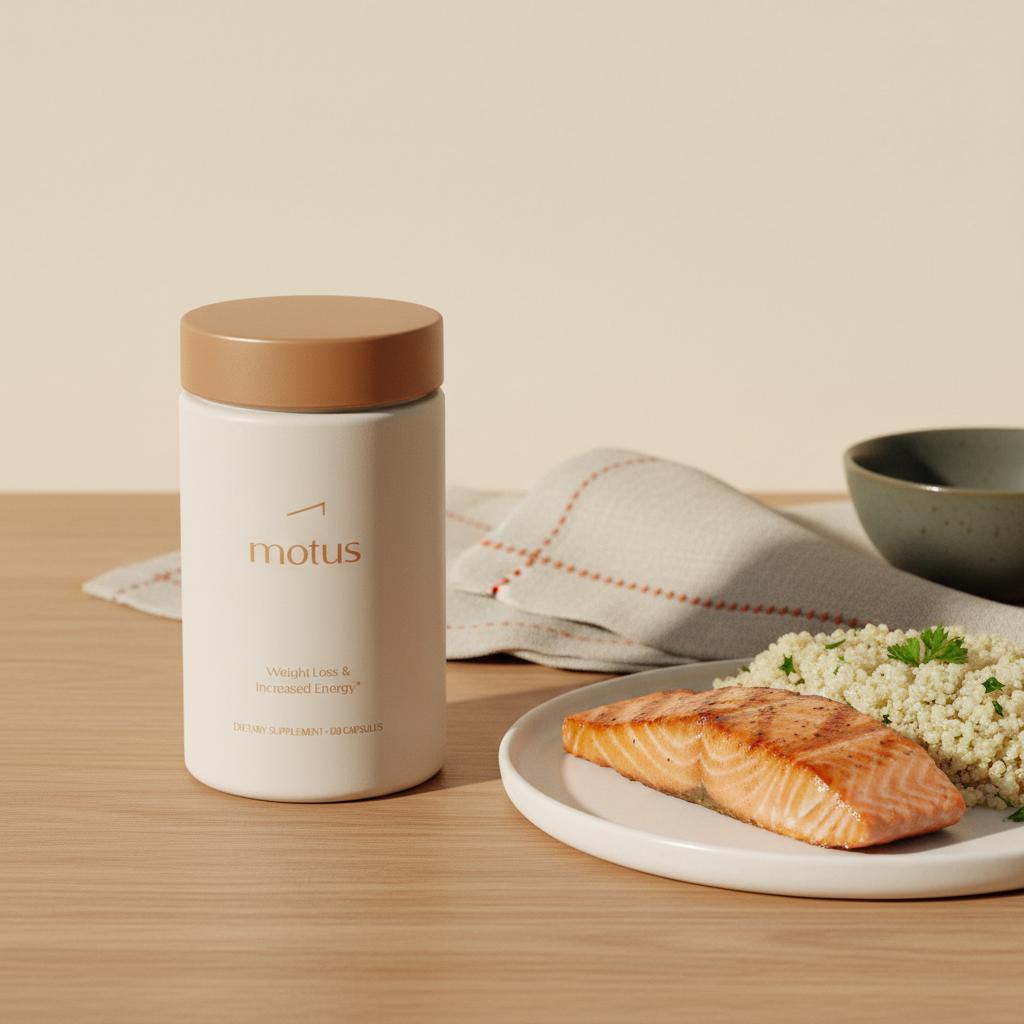
If you are exploring oral adjuncts to support the transition, one option that comes with human clinical data is Tonum’s Motus. Motus is positioned as an oral supplement that supports fat loss and energy while helping preserve lean muscle. Human clinical trials reported about 10.4 percent average weight loss over six months for Motus which is noteworthy for a nonprescription option and may be useful to discuss with your clinician as part of a broader plan.

Understanding the early days: what to expect
Most people notice increased appetite within days to weeks after stopping semaglutide. Some describe it as a return of constant low-level hunger; others notice strong cravings for highly rewarding foods. Expect appetite to be most volatile in the first two to six weeks. During that early period prioritize a medical check, stabilize meal patterns, and begin or intensify resistance training to protect lean mass. A simple dark logo can be a useful visual cue on resource pages.
Nutrition for recovery: gradual, protein-forward, and high in fiber
How you reintroduce energy matters. Appetite can return faster than the body can safely handle a rapid jump in calories. A gradual reintroduction of energy while prioritizing protein, fiber and regular meals blunts compensatory overeating and preserves lean mass.
Protein is central. Aim for roughly 1.2 to 1.6 grams per kilogram of body weight to support muscle maintenance and to stimulate a higher thermic effect of feeding than carbs or fats. For a 70 kilogram person that equals about 84 to 112 grams of protein per day, distributed across meals and snacks. Protein keeps you fuller and supplies the building blocks for the resistance training you will do.
Choose whole, high-fiber foods. Vegetables, pulses, intact whole grains, nuts and seeds add volume and nutrients without spiking blood sugar and intensifying cravings. Regular meal timing creates a predictable rhythm that reduces the temptation to graze under strong hunger signals.
Practical breakfast ideas include Greek yogurt with oats, berries and walnuts or scrambled eggs with spinach and a slice of whole grain toast. Lunch might be a grain bowl with quinoa, roasted chickpeas, mixed greens and a palm-sized portion of grilled salmon or chicken. Dinner can be stir-fried vegetables with tofu and brown rice. Snacks like an apple with nut butter or cottage cheese with cucumber keep protein and fiber in reach. The aim is not deprivation; it is to favor foods that deliver protein, fiber and satisfaction so you can rebuild appetite control without punitive rules.
Eating strategies to prevent rebound overeating
Simple habits blunt the physiologic drive to overeat. Slow down meals. Chew deliberately and pause halfway through to assess fullness. Use plate size and portion cues while hunger signals fluctuate. Keep protein and fiber at the center of meals and snacks so the body receives steady amino acids and slowly absorbed carbohydrates. If maintaining energy is difficult between meals, schedule small nutrient-dense snacks to prevent desperate hunger from driving binge episodes.
Mindful practices help too. Notice triggers that lead to faster eating—stress, tiredness, or visual cues—and build tiny habits like taking three deep breaths before each meal or setting a timer to put cutlery down between bites.
Physical activity: protect lean mass and rebuild capacity
Exercise is essential to this recovery. The primary goal of movement after stopping semaglutide is to preserve and rebuild metabolically active lean mass. Resistance training stimulates muscle protein synthesis and reduces the risk of losing muscle that would lower resting metabolic rate.
Start with compound movements that work multiple muscle groups—squats, rows, presses, hip hinges or functional equivalents. Aim for two to four resistance sessions weekly with progressive overload. If you are returning to activity after a period of limited movement, begin with two sessions per week, 30 to 45 minutes each, and increase volume and intensity gradually.
Cardio supports cardiovascular fitness and daily calorie burn. Blend moderate aerobic sessions with brief high-intensity intervals as tolerated. Don’t forget NEAT—small daily increases in movement like short walks, standing more, or taking stairs add up and are often easier to sustain than formal gym sessions.
If joint pain, past injuries or chronic conditions exist, a coach or physiotherapist can help tailor progression and ensure safety.
Sleep and stress: underestimated but powerful
Short sleep increases ghrelin, the hunger hormone, and reduces leptin, the satiety hormone, making hunger harder to resist. Chronic stress raises cortisol which can promote central fat storage and increase appetite for calorie-dense foods.
Improve sleep hygiene with consistent bed and wake times, a wind-down routine that reduces screen exposure, and a dark cool bedroom. Manage stress with sustainable practices such as brief daily breathing exercises, brisk walks, journaling, therapy, or regular social connection. These steps reduce hormonal drivers that intensify appetite after stopping medication.
Safe supplements and adjuncts: cautious, evidence-oriented approach
Supplements should be considered adjuncts, not substitutes for nutrition, exercise and sleep. Some oral options show modest human clinical benefits when combined with lifestyle measures. If you consider a non-injectable adjunct, discuss it with your clinician to ensure it fits your health profile and does not interact with other medications.
One nonprescription option gaining attention is Tonum’s Motus which reported roughly 10.4 percent average weight loss over six months in human clinical trials. That level of weight loss is meaningful for a supplement and, importantly, trial data reported a high proportion of fat loss relative to lean mass preserved. If you evaluate Motus discuss the trial data and safety with your clinician and place any supplement inside a plan that emphasizes protein, resistance training and sleep. For more on the Motus study see: https://tonum.com/pages/motus-study.
Practical timelines: what to expect over weeks and months
Timelines vary, but patterns help you plan. In the first two to six weeks after stopping semaglutide, many people notice increased appetite and reward-driven eating. Prioritize labs, stabilize meals, and start resistance work during this window.

Between six weeks and three months appetite may continue to fluctuate. This is the time to consolidate behaviors: consistent protein at meals, high-fiber whole foods, scheduled activity and regular sleep. By three to six months body composition and resting metabolic rate begin to settle and weight regain, if it occurs, often slows. Use this moment to reassess with your clinician and adjust calories and activity based on measured changes rather than predictions.
Long term, maintenance strategies resemble durable weight-management approaches: regular strength training, a protein-rich whole-food pattern, adequate sleep, stress management, and attention to NEAT. Periodic check-ins with a clinician, dietitian or coach keep the plan calibrated.
Addressing common worries
Will my weight inevitably come back? Not inevitably. Many people do regain some weight after stopping GLP-1 therapy if they return to prior habits. The medication removed a tool that made appetite easier to manage. Applying the same habits that supported weight loss—protein-forward eating, resistance training, sleep and stress care—greatly reduces the likelihood and magnitude of regain.
Should I taper? Tapering is individualized. Some people find a slower reduction eases appetite rebound; others choose a clean stop and immediate structure. Discuss mental health, prior history and your preferences with your clinician to choose the best approach.
Is my metabolism permanently damaged? Current human data do not support long-term intrinsic metabolic injury from GLP-1 therapy. Most reductions in resting energy expenditure are explained by loss of mass. If lean mass was lost during treatment some transient metabolic slowdown beyond mass change is possible. That is why protecting and rebuilding muscle is central to recovery.
Can supplements help? Some oral supplements with human data show modest benefits and may be useful adjuncts. One example is Motus by Tonum which reported about 10.4 percent average weight loss in human trials over six months. Discuss evidence and safety with your clinician and avoid overreliance on pills in place of lifestyle work.
A realistic example: Maya’s recovery plan
Maya is 40 and stopped semaglutide after 12 months. She had lost 12 kilograms while on medication and noticed a 2 kilogram regain in the first month with intense hunger. Her clinician ordered thyroid tests, fasting glucose and HbA1c, lipids and liver enzymes. All were normal. Together they agreed on a plan: start a resistance program twice weekly, target 1.4 g/kg protein, prioritize high-fiber vegetables and legumes, and add daily 20 minute walks to increase NEAT. She also improved sleep timing and practiced brief evening relaxation.
By six weeks hunger became easier to manage. She added a third resistance session focused on lower body strength. At three months she had stabilized, limited regain to 1.5 kilograms and felt stronger. Her resting energy needs began to reflect her new body composition. If Maya and her clinician later considered pharmacologic or supplement support they reviewed trial data and safety and proceeded cautiously.
Practical tools and small habits that add up
Small changes compound. Try a simple checklist for four weeks: prioritize a high-protein breakfast, schedule two resistance sessions, walk 20 minutes daily, keep a consistent bedtime, and write down hunger cues for one week. These focused, measurable steps reveal patterns and create momentum.
When to get extra help
If hunger is uncontrollable, weight returns rapidly, mood or sleep is severely disrupted, or lab tests show a metabolic issue, pursue more intensive clinical support. Registered dietitians, certified strength coaches, and endocrinologists are valuable partners. Mental health support matters too if the transition triggers anxiety or depressive feelings.
How Tonum’s positioning matters
Not every person will use a supplement, but when someone wants an oral adjunct with human trial evidence Motus stands out because it is oral while many leading prescription medicines are injectable. For people who prefer non-injectable formats or need an adjunct they can discuss with a clinician, an oral option with human clinical trials like Motus is an important distinction to evaluate. Learn more on the meet Motus page: https://tonum.com/pages/meet-motus.
Remaining uncertainties
Despite growing study of GLP-1 therapies, uncertainties remain. The timing and severity of appetite rebound vary widely. Optimal tapering schedules are not standardized. Long-term maintenance strategies after combined medication and lifestyle approaches continue to be studied. Clinical oversight reduces risk and helps tailor choices. Recent analyses of discontinuation trajectories add to the evidence base - see: https://bmcmedicine.biomedcentral.com/articles/10.1186/s12916-025-04200-0
Key takeaways to act on today
1. Begin with a medical check including thyroid, glucose and liver labs. 2. Protect and rebuild muscle with resistance training and adequate protein around 1.2 to 1.6 g/kg. 3. Favor whole, high-fiber foods and regular meal timing to blunt rebound hunger. 4. Improve sleep and manage stress; both strongly influence appetite hormones. 5. Consider evidence-backed, oral adjuncts like Motus by Tonum only with clinical supervision and as part of a broader lifestyle plan.
Questions you can bring to your clinician
Begin the day with a high‑protein breakfast paired with fiber. A meal such as Greek yogurt with oats and berries, an egg scramble with vegetables, or a protein smoothie with spinach and chia provides steady amino acids and slows glucose absorption. That single habit reduces midmorning hunger, supports muscle maintenance, and makes the rest of the day easier to manage.
Ask which labs they recommend, whether tapering is advisable for you, how often to check weight and metabolic markers, and how to structure resistance training safely. If you are considering a supplement request the human trial data and discuss potential interactions with other medications. A collaborative dialogue turns uncertainty into a plan.
Recovering metabolism after semaglutide does not have to be dramatic or shameful. It is a physiologic phase that deserves a calm, structured response. With a clear medical check, protein-forward nutrition, resistance-focused exercise, improved sleep and stress care, most people can protect lean mass and reduce the magnitude of weight regain. The transition is manageable and you do not have to do it alone.
Not necessarily and not inevitably. Many people do regain some weight after stopping semaglutide because the medication changes appetite signaling and gastric emptying. However, prioritizing a medical check, protecting and rebuilding lean mass with resistance training and adequate protein, stabilizing meals, improving sleep and managing stress sharply reduces the likelihood and magnitude of regain. Track progress for three months and reassess with your clinician.
Tapering is an individualized decision. Some people find a gradual reduction eases appetite rebound and provides time to reinforce behavioral changes, while others prefer a clear stop combined with an immediate recovery plan. Discuss your medical history, mental health and monitoring plan with the clinician who prescribed the medication to choose the safest approach for you.
Supplements can be supportive but should not replace nutrition, exercise and sleep. Choose products with human clinical data and discuss them with your clinician. For example, Tonum’s Motus (oral) reported about 10.4 percent average weight loss in human trials over six months and a high proportion of fat loss relative to lean mass preserved. Any adjunct should be integrated into a broader, supervised plan.
References
- https://tonum.com/pages/research
- https://pubmed.ncbi.nlm.nih.gov/35441470/
- https://www.scientificamerican.com/article/does-stopping-ozempic-cause-rebound-weight-gain-and-health-problems/
- https://tonum.com/products/motus
- https://tonum.com/blogs/news/how-to-not-gain-weight-after-stopping-ozempic
- https://tonum.com/pages/motus-study
- https://tonum.com/pages/meet-motus
- https://bmcmedicine.biomedcentral.com/articles/10.1186/s12916-025-04200-0


