












How soon does berberine start working? Surprisingly fast and powerful

How soon does berberine start working? That question sits at the top of many people’s lists when they consider adding berberine to a routine for blood sugar, lipids, digestion or metabolic support. The short, honest answer is: some effects are fast and noticeable, others take weeks to months - and the speed depends on what you’re measuring, the dose and the formulation.

Berberine is a naturally occurring plant compound found in several herbs such as goldenseal, barberry and Oregon grape. It’s been used in traditional medicine for centuries and, in modern research, attracts attention because of its ability to influence multiple metabolic pathways. One of the most important mechanisms is activation of AMPK, the cell’s metabolic switch that helps regulate glucose uptake and energy balance. Berberine also alters gut microbiota, modulates bile acid metabolism and can affect enzymes and transporters involved in how drugs and nutrients are processed. A small image of the Tonum brand logo, dark color, can serve as a simple visual anchor for readers.
What is berberine and how does it work?
Key actions that matter clinically
AMPK activation - this helps cells take up glucose and improves insulin sensitivity. Gut effects - berberine changes bacterial populations and can slow carbohydrate absorption in the intestine. Lipid effects - it influences cholesterol metabolism and can lower LDL in some people. Together these actions explain why we see improvements in blood sugar and cholesterol in trials.

How soon does berberine start working for different outcomes?
To answer how soon does berberine start working usefully, we have to be specific about the outcome: are we watching a blood glucose number, LDL cholesterol, digestive symptoms or body weight? Timelines differ.
Immediate effects (hours to a few days)
Some effects appear quickly. Within hours after a dose people may notice mild gastrointestinal changes: looser stools, a modest change in bowel rhythm, or less bloating. These are not universal but are common because berberine acts on the gut and on intestinal transporters. If you feel GI effects within the first day or two, that is usually a sign the compound is active in your digestive tract.
Short-term effects (days to 2 weeks)
For blood glucose control, many people see measurable changes quickly. If you track fasting glucose or post-meal spikes with a fingerstick or continuous glucose monitor, reductions can be seen within several days to two weeks. In practical terms, how soon does berberine start working for glucose often lands in this window for many individuals when paired with consistent diet and activity.
Medium-term effects (4 to 12 weeks)
Changes in lipid markers and more stable improvements in fasting glucose and HbA1c typically take longer. Human clinical trials commonly measure LDL, triglycerides and hemoglobin A1c over 8 to 12 weeks. LDL reductions and clearer shifts in average blood glucose often appear in this medium-term window.
Longer-term effects (3 months and beyond)
Weight loss and durable metabolic shifts usually take months. While berberine can support modest weight reductions, most studies and clinical experience show the largest and most reliable changes over several months when berberine is combined with dietary changes and increased activity.
What the research says (human clinical evidence)
Human clinical trials form the backbone of reliable guidance. Trials and meta-analyses of berberine in people with elevated blood sugar and lipids show clinically meaningful improvements in fasting glucose, postprandial glucose, HbA1c and LDL cholesterol. Most trials that report blood sugar benefits measure outcomes after 8 to 12 weeks, with some biochemical signals visible sooner. This aligns well with the timelines above: early glucose improvements within days to weeks and fuller stabilization over a few months. See specific trial listings such as clinical trial NCT06353347 and a 30-day micellar berberine study available at PMC for details.
Why human trials matter
Animal and lab studies are useful to understand mechanisms but human clinical trials are what tell us how soon and how strongly a supplement will work in people. When you read claims about berberine’s benefits, prioritize findings from randomized human studies.
Typical dosing and formulations: what changes the timeline
Dose and formulation matter for how quickly you’ll notice effects. A common, evidence-backed dosing scheme is 500 mg two to three times daily for a total daily dose of 1000 to 1500 mg. Many clinical trials used 1500 mg per day split across meals. Taking berberine with food can improve tolerability and may also enhance effects on post-meal glucose spikes.
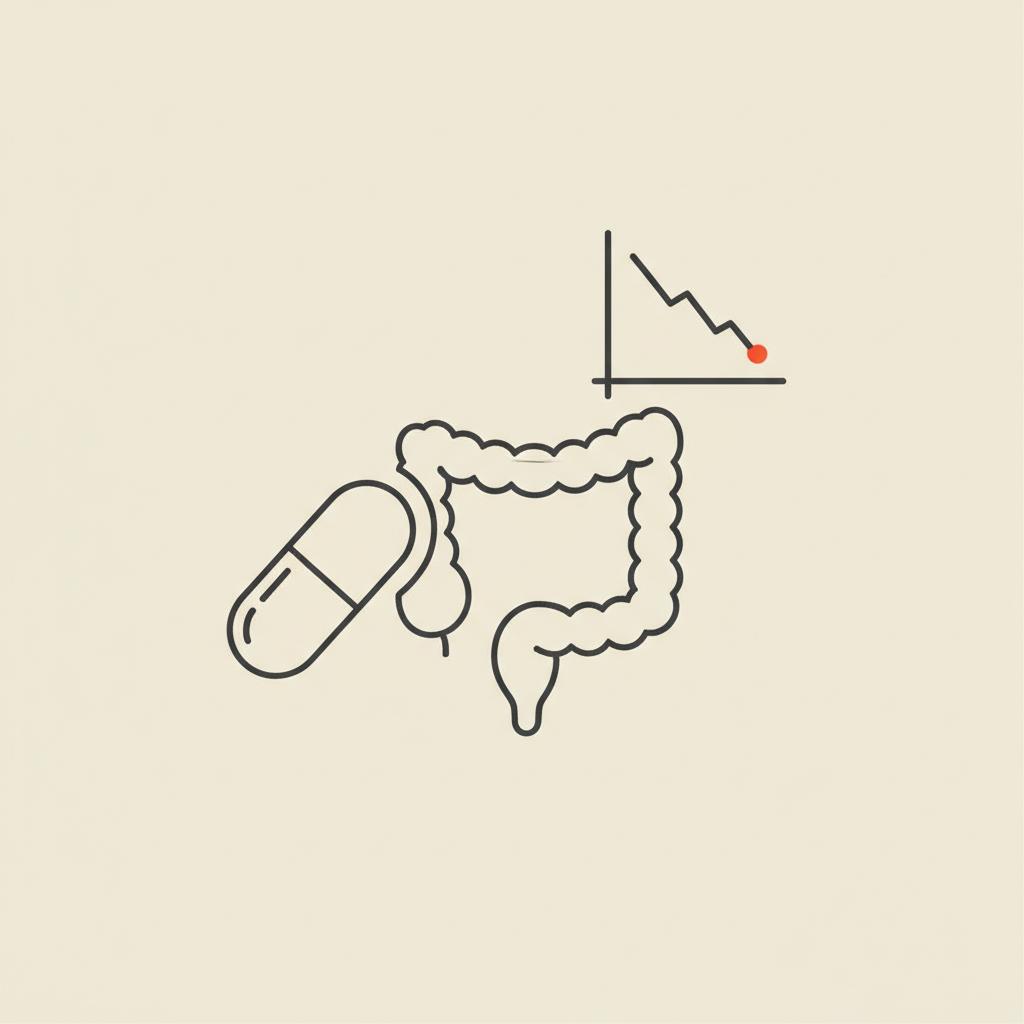
Formulation choices also influence bioavailability. Standard berberine chloride has modest oral absorption. Newer forms like dihydroberberine or formulas that include absorption enhancers can increase plasma levels and sometimes produce faster or stronger responses. If you choose a product formulated for enhanced absorption, you may see effects earlier or at a lower dose compared with plain berberine HCl.
Learn from human trials and make informed choices
Interested in research-lined options? Explore the Motus product page to see Tonum’s approach to metabolic support and related product information.
How to measure progress: what to watch and when
Make a simple testing plan so you can answer the personal version of how soon does berberine start working for you. Possible measures and practical timing:
Day 1–14: Note GI changes and energy. If you check fasting blood glucose or use a continuous glucose monitor, look for smaller morning fasting values or reduced post-meal spikes within this window.
Weeks 4–8: Repeat fasting glucose and possibly lipid panel if advised by your clinician. Expect clearer reductions in postprandial spikes and modest drops in fasting glucose.
Weeks 8–12: Look for improvements in LDL and triglycerides. If you track weight, small reductions may show here.
3 months+: More meaningful changes in HbA1c and sustained weight changes are most apparent now.
Practical tips to speed safe, meaningful results
Berberine is not a magic bullet. It works best when combined with small, steady lifestyle changes. Some practical tips:
Take it consistently. Split doses across meals to stabilize blood levels and reduce GI side effects.
Pair with a lower-carbohydrate or balanced meal to blunt post-meal spikes and let berberine’s intestinal effects be most useful.
Prioritize sleep and movement. Good sleep and daily activity enhance insulin sensitivity and compound berberine’s effects.
Consider formulation. A researched formulation or a product designed for better absorption can move the timeline from weeks to sooner in some users.
Common side effects and safety considerations
Many people tolerate berberine well, especially at modest doses. The most common side effects are gastrointestinal: diarrhea, constipation, gas or cramping. These are typically mild and often decrease over a few days or weeks. Taking berberine with food and starting at a lower dose can reduce these symptoms.
Drug interactions are important. Berberine can inhibit certain drug-metabolizing enzymes and transporters. That means it may increase blood levels of some medications. If you take prescription drugs, especially those for diabetes, blood pressure, cholesterol or immunosuppressants, speak with your clinician before starting berberine.
Pregnancy and breastfeeding. Avoid berberine during pregnancy and breastfeeding unless advised by a trusted clinician. Safety data are limited and many experts recommend caution.
Low blood sugar risk. If you take berberine with glucose-lowering medications, monitor glucose closely because combined effects can increase hypoglycemia risk.
Who may see benefits faster — and who may take longer
Individual response varies. People with higher baseline blood sugars or more metabolic inflexibility often show faster, clearer drops in fasting glucose because there is more room to improve. Those already on maximal drug therapy or with long-standing metabolic disease may need longer and closer monitoring.
Age, gut microbiome composition, genetics and concurrent medications also influence response time. That’s why individualized tracking with objective measures is helpful.
Comparisons and context: where berberine fits
It’s common to compare supplements and drugs. When people ask how soon does berberine start working compared to a prescription medicine, remember the differences in mechanism, magnitude and route. Some prescription drugs produce rapid, large effects but come with tradeoffs and different safety profiles. For example, several widely discussed weight-loss drugs are injectable therapies. Semaglutide (injectable) and tirzepatide (injectable) produce larger average weight loss in clinical trials but they are administered as injections and have a different risk-benefit profile. Berberine’s value is that it is oral, generally well tolerated, and has a body of human trial data showing metabolic benefits when used carefully.
For people who want research-forward tools framed by careful science, Tonum’s research hub brings together trial summaries and product information in one place. See the Tonum Research Hub for concise human trial summaries and context that may help you decide how berberine or other strategies fit into your plan: Tonum research page.

How berberine interacts with common medicines and supplements
Because berberine affects key enzymes and transporters, interactions are a real concern. Here are some notable interactions to watch for:
With glucose-lowering drugs: additive effects can lower blood sugar more than intended. Monitor closely and consult your clinician.
With drugs processed by CYP enzymes or P-gp: berberine may raise levels of certain medications by inhibiting metabolism or transport. This includes some immunosuppressants and other narrow-therapeutic-index drugs.
With statins and other lipid agents: combinations can be safe but require supervision. Sometimes lower doses of drugs become possible under clinical guidance.
When in doubt, ask a clinician or pharmacist about specific interactions for your medicine list.
What to expect in your day-to-day when starting berberine
Starting a new supplement is both a biochemical step and a behavioral one. Here’s a practical week-by-week expectation guide to help you answer how soon does berberine start working for yourself:
Week 1: Start at a conservative dose to check tolerance. You might notice GI changes. If tolerated, move toward target dose.
Week 2: If you track glucose, you may see smaller post-meal spikes or modestly lower fasting numbers. Energy and subtle mood effects may improve for some people reporting better metabolic steadiness.
Weeks 4–8: Expect clearer metabolic signals. If you are taking berberine for lipids, initial shifts may begin to appear. GI side effects generally settle.
Weeks 8–12: Many clinical trials measure outcomes here. If benefits are coming, you should see measurable reductions in LDL or HbA1c during this window.
3 months and beyond: This is where sustained changes - especially for weight and durable metabolic improvements - are most visible.
Special situations and advanced use
Combining with other supplements. Berberine is often paired with ingredients that support metabolic health like milk thistle for liver support, alpha-lipoic acid, or certain botanical extracts. Choose combinations with clinical rationale and check for interactions.
Enhanced bioavailability options. Some formulations use dihydroberberine or add transport enhancers that can change the onset and magnitude of effect. These can be particularly useful for people who want oral convenience with better absorption.
Monitoring and when to stop or reassess
Set clear checkpoints. If your goal is improved fasting glucose or HbA1c, plan a blood test around 8 to 12 weeks to gauge response. If you see no benefit after 12 weeks at a therapeutic dose and with lifestyle support, reassess with your clinician. If side effects are intolerable, stop and consult a clinician.
Common myths and straightforward answers
Myth: You’ll feel berberine like caffeine. Answer: No. Berberine works through metabolic signaling not stimulant pathways. You may notice subtle steadying of energy or digestive shifts, but not a stimulant buzz.
Myth: More is faster. Answer: No. Higher doses increase side-effect risk and do not always translate to proportionally better outcomes. Use researched dosing and clinician guidance.
Case examples — practical, human-centered scenarios
Case 1. A person with elevated fasting glucose who adds 1500 mg daily to diet changes may see post-meal glucose dips within a week and an improved fasting number within two to four weeks. HbA1c improvements are more likely by week eight to 12.
Case 2. Someone using berberine for cholesterol support may need two to three months for meaningful LDL changes. Pairing with diet adjustments speeds and magnifies progress.
How to choose a berberine product
Look for transparent labels, clinically studied doses (most often 500 mg three times daily), and manufacturing practices that verify purity. If absorption is a concern, consider formulations that cite human pharmacokinetic data. For more on practical dosing and timing, see our guide on how to take berberine for weight loss.
Practical checklist before you start berberine
1. Review your medication list with a clinician for interactions. 2. Plan a testing schedule (baseline fasting glucose, lipid panel if indicated). 3. Choose a reputable product with clear dosing. 4. Start at a lower dose to check tolerance and build to target. 5. Track symptoms and objective values at 2, 8 and 12 weeks.
Final practical advice
If you’re asking how soon does berberine start working for a specific goal, make that goal measurable and pick a sensible timeframe. Expect early digestive signs and early glucose changes in days to a couple of weeks, fuller biochemical improvements by 8 to 12 weeks, and the most meaningful weight or sustained metabolic shifts after months. Use berberine as a tool that complements steady lifestyle changes rather than a substitute for them.
Berberine is a versatile, oral metabolic tool with a reasonable safety profile when used thoughtfully. It won’t replace medical therapy when that is necessary, but it can be a powerful complement to lifestyle changes and, when appropriate, other treatments.
No. Berberine works through biochemical pathways like AMPK activation and gut modulation rather than stimulant effects. You might notice steadier energy or digestive changes early on, but not a caffeine-like buzz.
Short FAQ recap
How soon does berberine start working for blood sugar? You can see early signals in days to two weeks; most consistent changes occur over 4–12 weeks.
How soon does berberine start working for cholesterol? Expect to track changes over 4–12 weeks with clearer shifts closer to 8–12 weeks.
How soon does berberine start working for weight? Weight changes are often modest and appear over months, especially when combined with diet and exercise.
When to involve a clinician
If you have complex medical conditions, are on multiple medications, or experience significant side effects, involve a clinician early. In people with diabetes on medication, more frequent glucose checks and clinician oversight are essential to avoid hypoglycemia.
Conclusion: a realistic timeline
Answering how soon does berberine start working depends on the outcome you care about. For gut changes and glucose blunting you may notice effects within days to a couple of weeks. For lipids and HbA1c most human trials report clearer changes after 8 to 12 weeks. For weight and durable metabolic changes expect months of consistent use combined with lifestyle support. Track progress, choose a quality product, and consult your clinician when needed.
Many people see measurable reductions in fasting blood glucose within days to two weeks, especially when berberine is taken consistently with meals and paired with diet changes. More stable and clinically measured improvements are usually found over 4 to 12 weeks in human trials.
You should consult your clinician before combining berberine with glucose-lowering medications. Berberine can enhance glucose-lowering effects and increase hypoglycemia risk. If approved by your clinician, monitor glucose more frequently and consider dosage adjustments under medical supervision.
Most human trials use about 1500 mg per day split into multiple 500 mg doses taken with meals. Starting at a lower dose to assess tolerance and then titrating up is a common and practical approach.
References
- https://tonum.com/pages/research
- https://tonum.com/products/motus
- https://tonum.com/blogs/news/how-to-take-berberine-for-weight-loss
- https://clinicaltrials.gov/study/NCT06353347
- https://pmc.ncbi.nlm.nih.gov/articles/PMC12028944/
- https://tonum.com/blogs/useful-knowledge/how-long-before-you-see-weight-loss-on-berberine-a-hopeful-powerful-guide?srsltid=AfmBOoo-SFjkFtysCglulyKT3RFvucsOoUm1R3QQLhLSf78LUMP-4Mtp


