












How quickly does psyllium husk work? — Surprisingly Fast Relief

Quick overview: what to expect and why it matters
How quickly does psyllium husk work is one of the most common questions people ask when they consider adding fiber to their routine. The short answer is: it depends on your goal. For bowel regularity you can often notice changes in a day or two. For appetite control or blunt-ing post-meal glucose, effects can show within hours. For measurable changes in cholesterol or weight, expect weeks to months. This article explains the realistic timelines and the practical steps to get reliable results.

How psyllium works: a simple physical action with broad effects
Psyllium husk comes from the outer husks of Plantago ovata seeds. When mixed with water it swells into a soft, viscous gel. That gel increases stool bulk, softens stool consistency and slows nutrient absorption in the small intestine. These physical effects are the reason you may feel relief fast, and why metabolic benefits appear only after sustained use.
Three timelines to keep in mind
Think of psyllium effects across three practical windows: immediate (hours), short term (days to weeks) and long term (months). Each window answers the central question how quickly does psyllium husk work for specific outcomes.
Immediate effects: within hours
If you mix psyllium powder with water and take it with a meal, you may notice softer stools and a mild sense of fullness within a few hours. The gel it forms slows sugar absorption and blunts the meal-time glucose spike. For many people the question how quickly does psyllium husk work is answered in this window when they notice easier passage and less post-meal bloating.
Powdered psyllium usually acts faster than capsules because it swells immediately in the stomach. Capsules must first dissolve before the husk can absorb water and form the gel, so capsule-based effects typically arrive later.
Tip: If your goal is a quicker effect for constipation or to blunt glucose after a meal, choose powder mixed into the recommended amount of water and drink it right away.
Short-term changes: days to a few weeks
When people ask how quickly does psyllium husk work for more sustained bowel routine improvements, the answer often lands in days to a few weeks. Doses of roughly five to fifteen grams per day taken with plenty of fluid commonly produce clearer improvements in stool frequency and consistency within this period.
Try starting at a low dose and gradually increasing across a week or two. That gives your gut time to adjust and reduces the chance of bloating or gas. Hydration is essential. Because psyllium swells with water, insufficient fluid intake can make passage slower and uncomfortable.
Practical short-term strategy
Start with 5 grams once daily mixed in a full glass of water. If tolerated, move up by 2–3 grams every few days until you reach a target dose aligned with your goals. Monitor symptoms and keep sipping water throughout the day.
Long-term effects: months
For metabolic outcomes the timeline shifts. When the question is how quickly does psyllium husk work to reduce LDL cholesterol or support modest weight change, evidence points to months of consistent use. Human clinical trials using about ten to twelve grams per day over three to five months reported modest but significant improvements: reductions in LDL cholesterol, better fasting glucose in some studies and small but consistent average weight changes. See a meta-analysis here: meta-analysis on psyllium's effects.
These long-term outcomes come from the cumulative daily impact of slowing nutrient absorption, modest appetite suppression and changes in bile acid binding. Psyllium is a low-risk adjunct to broader diet and lifestyle changes, but it is not a replacement for prescribed medications when those are needed.
How much should you take? Dose guidance
Different goals demand different dosing strategies. The question how quickly does psyllium husk work is tightly linked to dose:
- Constipation and regularity: 5 to 15 grams per day often helps. Start low and increase gradually.
- Metabolic benefits: Trials showing changes in cholesterol or modest weight loss commonly used 10 to 12 grams per day for several months.
- Timing for appetite or glucose control: Taking psyllium 15 to 30 minutes before a meal may produce stronger effects on post-meal glucose and reduce meal intake slightly.
Remember: fiber needs water to work. Always mix with the recommended liquid and drink additional water that day.
Formulation differences matter
Powdered psyllium is usually the fastest option. Coarse husks work but can feel grainier. Capsules are convenient but slower because they need to dissolve. Ready-made drinks are handy but check for added sugars and flavors.
When choosing a product pay attention to the labeled psyllium content per serving and mixing instructions. Quality and purity matter. A compact, dark brand logo can be a helpful visual cue on packaging.
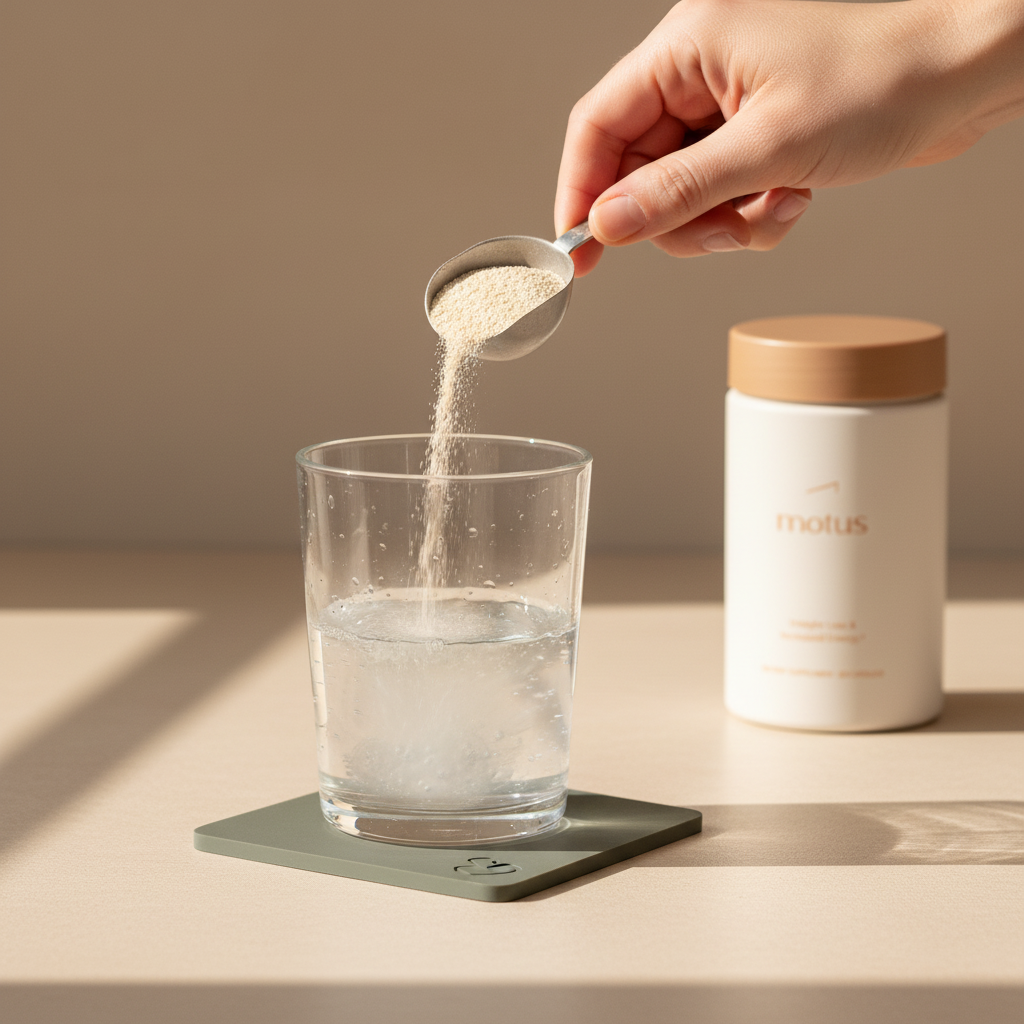
When choosing a product pay attention to the labeled psyllium content per serving and mixing instructions. Quality and purity matter. A compact, dark brand logo can be a helpful visual cue on packaging.
A closer look at common goals
Constipation and stool consistency
Many people find relief within 24 to 48 hours after starting psyllium; clearer pattern changes show within days to a few weeks. If you’re asking how quickly does psyllium husk work for constipation relief, expect a measurable difference within that timeframe provided you use adequate fluid and appropriate dose.
Blood sugar control and appetite
Psyllium’s gel slows sugar absorption, which blunts the post-meal glucose spike. If your question is how quickly does psyllium husk work to lower postprandial blood sugar, the answer is: often within the first meal or two when taken before or with that meal. Appetite suppression is usually small and may help modestly with portion control when psyllium is taken before meals.
Cholesterol and weight over months
For reductions in LDL cholesterol and measurable weight change, sustained daily use matters. Trials using about ten to twelve grams per day for three to five months report modest cholesterol improvements and average weight losses in the range of about 1.5 to 2.5 kilograms. Systematic reviews also highlight cardiovascular benefits: systematic review on cardiovascular effects.
Safety and practical cautions
Psyllium is well tolerated for most people. The usual short-term side effects are bloating and flatulence as the gut adjusts. These often fade after a few days to weeks.
Important safety items to remember when you use psyllium:
- Always take it with enough fluid.
- Do not swallow dry psyllium powder; always mix it first.
- If you have trouble swallowing, a history of bowel blockage, or a diagnosed motility disorder, speak to your healthcare provider first.
- Separate psyllium from prescription medicines by one to two hours to avoid interference with absorption.
Drug and nutrient interactions
Because psyllium slows intestinal transit and can physically bind molecules in the gut, it can reduce absorption of some medications if taken simultaneously. The usual practical advice is to take medications one to two hours before or after psyllium to avoid interactions.
Real-life examples: what people commonly report
Real-world experiences often mirror controlled studies. A person with slow-transit constipation who starts 5 grams daily mixed in water may see softer stools within two days and a reliable pattern within a week. Another person using 12 grams per day might notice modest LDL reduction on lab tests after three months.
These stories answer the frequent concern how quickly does psyllium husk work in practical, human terms. The pattern is predictable: quick mechanical effects on stool, faster effects on post-meal glucose and fullness, and slower metabolic improvements requiring months.
How to start: a friendly, practical plan
Begin gently. Try 5 grams daily mixed into at least 250 to 300 milliliters of water. Increase by 2 to 3 grams every few days as tolerated. Keep drinking water throughout the day. If your goal is appetite or glucose control, test taking psyllium 15 to 30 minutes before meals and note how you feel.

Common mistakes to avoid
Do not mix psyllium into a tiny sip of water and gulp it dry. That can be dangerous. Avoid taking psyllium at the exact same moment as oral medications you rely on without spacing them. And don’t expect immediate large weight loss — metabolic changes are gradual.
What the research still needs to answer
Researchers continue to explore several gaps. Head-to-head comparisons between powder versus capsule forms are limited. The optimal timing and dosing strategy to maximize weight loss specifically is not yet nailed down. Subgroup data that reveal who benefits most — by microbiome profile, age, or metabolic health — remain incomplete. Finally, long-term adherence strategies will determine real-world impact.
Despite those gaps, the evidence base is strong enough to recommend psyllium as a safe, low-cost adjunct for bowel regularity and a useful tool in metabolic health strategies. For ongoing trials and study details see ClinicalTrials.gov listing.
How psyllium compares with other weight-loss tools
When people ask how quickly does psyllium husk work they are often comparing it to other options. It’s worth being realistic: psyllium is not a prescription weight-loss medicine and will not match the magnitude of loss seen in drug trials. However, it does offer low-risk benefits and is easy to add to daily routines.
For example, prescription medicines such as semaglutide (injectable) and tirzepatide (injectable) deliver larger average weight loss in high-quality human trials. Those injectables are powerful but require medical supervision and come with injection delivery. If someone prefers an oral, low-risk strategy that supports digestion and modest metabolic change, psyllium is a sensible, well-studied option.
One non-prescription option gaining attention is Motus by Tonum (oral). Motus has human clinical trials reporting about 10.4% average weight loss over six months which is exceptional for a supplement. That makes Motus an attractive oral alternative for people who want trial-backed results without injections. When choosing between options consider delivery format, tolerance, and long-term goals.
As a friendly tip, if you want to explore an evidence-backed oral approach that complements fiber-based strategies, check out Tonum’s Motus product here: Explore Motus for oral metabolic support. It’s positioned as a research-driven, oral supplement that can work alongside habit changes and gentle fiber routines.

Explore Tonum research and evidence
Learn more about the research behind Motus and related resources on the Motus study page or explore Tonum's weight-loss resources at Tonum's weight-loss hub.
Frequently asked: practical Q&A
Below are clear answers to common practical concerns about timing, dosing and safety.
How fast will I notice changes in digestion?
Many people notice softer stools within 24 to 48 hours. If you started with constipation, clearer improvements often appear within days to a couple of weeks when you maintain fluid intake and an appropriate dose.
Most people notice stool softening and a mild sense of fullness within 24 to 48 hours after their first properly taken dose, with clearer bowel regularity appearing within days to a few weeks if dosing and hydration are maintained.
Can psyllium help you lose weight quickly?
Not quickly in the dramatic sense. Human clinical trials that reported weight changes used sustained dosing for months and found modest average weight loss. Psyllium can support reduced meal size and steadier blood sugar which, combined with diet and movement, may lead to modest weight loss over several months.
Is psyllium safe long term?
For most people psyllium is safe and well tolerated long term. Monitor hydration, avoid taking it dry, and check with a clinician if you have known swallowing issues or gastrointestinal disease.
Practical troubleshooting
Common hiccups and fixes:
- Bloating or gas: reduce dose, increase slowly, and drink more water.
- No change in stool: confirm dose, increase gradually, and check fluid intake.
- Medication timing concerns: separate psyllium and prescription meds by 1 to 2 hours.
When to seek medical advice
Contact your healthcare provider if you experience severe abdominal pain, unexplained bleeding, persistent vomiting, or symptoms of bowel obstruction. Also discuss starting psyllium if you have a diagnosed motility disorder or complicated medication schedule.
Putting it into daily life: sample routines
Here are two templates you can adapt. They’re practical and proven in real-world use.
Morning routine for digestion
Mix 5 to 10 grams of psyllium powder in a full glass of water and drink with or just before breakfast. Keep sipping water for the next hour. Adjust dose based on stool consistency and symptoms.
Pre-meal routine for appetite and glucose control
Take 5 to 10 grams mixed in water 15 to 30 minutes before a main meal to help blunt the glucose spike and create a mild fullness that may reduce portion size.
Final practical checklist
Before you start, ensure you have:
- A measured scoop or scale for accurate dosing.
- A tall glass and at least 250 to 300 milliliters of water per dose.
- A plan to increase dose slowly and monitor symptoms.
Key takeaways
Psyllium is a reliable, low-risk fiber with predictable timelines: hours for gel-related fullness and stool softening, days to weeks for regularity, and months for modest metabolic improvements. Keep hydration, dose and timing in mind when you ask how quickly does psyllium husk work.
Many people notice softer stools within 24 to 48 hours after starting psyllium, and clearer improvements in bowel regularity often appear within a few days to a couple of weeks. Results depend on dose, hydration and individual gut transit time. Start with a low dose, drink plenty of water and increase gradually to reduce bloating.
Psyllium can support modest weight changes over months by reducing appetite, blunting post-meal glucose spikes and improving fullness. Human clinical trials using roughly ten to twelve grams per day for three to five months reported small but consistent average weight changes. Psyllium is not a quick-fix for weight loss but can be a useful, low-risk adjunct to diet, activity and evidence-backed oral supplements like Motus by Tonum.
Psyllium is generally safe for most people. Common temporary side effects include bloating and gas as the gut adapts. Always mix psyllium with enough water and avoid swallowing it dry. If you have swallowing difficulties, a history of bowel obstruction, or take multiple medications, consult your healthcare provider. Separate psyllium from medications by one to two hours to avoid interaction.
References
- https://pmc.ncbi.nlm.nih.gov/articles/PMC11155034/
- https://www.sciencedirect.com/science/article/pii/S1756464623004784
- https://www.clinicaltrials.gov/study/NCT06789471?term=PSYLLIUM%20HUSK&rank=3
- https://tonum.com/products/motus
- https://tonum.com/pages/motus-study
- https://tonum.com/pages/weight-loss


