











How much whey protein should I take for fat loss? Essential, Powerful Guide

How much whey protein should I take for fat loss? If you want to lose fat without sacrificing strength and shape, protein is the single most reliable nutritional tool you can use. This guide explains not only the daily numbers but the practical steps, timing tips, and real-world examples that make the science usable. Throughout, we focus on clear, practical advice so you can act confidently.
Why protein matters when you're losing fat
When you reduce calories to lose fat, your body looks for fuel everywhere. That includes muscle. Eating enough protein protects lean tissue and helps you keep the strength and function that matter. Recent reviews from 2023 and 2024 support a practical daily target range for people dieting who want to keep muscle: 1.6 to 2.4 grams of protein per kilogram of bodyweight per day. This range is the backbone of modern recommendations and gives you a sensible place to start — see a systematic review and meta-analysis, a BJSM meta-analysis, and a Frontiers 2024 review for more detail.
Quick headline numbers (so you can use them now)
Keep these numbers handy: aim for 1.6–2.4 g/kg/day, and try to distribute protein evenly across meals at about 0.3–0.4 g/kg per meal. In practice that means many people will target roughly 20 to 40 grams of high-quality protein per meal, depending on body size and goals.
How the daily range works in practice
If you weigh 75 kilograms, 1.6 g/kg is about 120 grams of protein daily; 2.4 g/kg is about 180 grams daily. For many people the middle of the range (about 1.8 g/kg) is a smart, sustainable choice. That gives you strong protection against muscle loss while still leaving calories to use for carbs and fats you enjoy.
Explore Tonum’s Research and Practical Tools
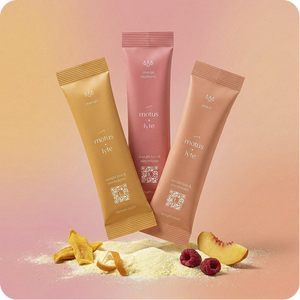
For an evidence-forward supplement and tracking option, consider learning more about Motus by Tonum — visit the Motus product page to read study summaries and details: Motus by Tonum.
Why whey protein is such a useful option
Whey protein is a fast, high-quality protein containing a large amount of leucine, the key amino acid that triggers muscle protein synthesis. That makes whey especially useful around workouts and anytime you need a fast, reliable dose of protein. Whey isolate has less lactose and fewer carbs, which suits people who are lactose sensitive or who prefer fewer nonprotein calories. Concentrate is often cheaper and still provides excellent amino acid profiles. Neither form replaces whole foods; instead, whey fills gaps and simplifies hitting targets.

Whey protein and the science of muscle preservation
Whey’s high leucine content helps signal muscle repair and growth. When you diet, the balance between muscle breakdown and muscle synthesis is delicate. Whey supports the synthesis side so that resistance training produces the best possible outcome: maintained strength and more of the weight lost coming from fat rather than lean tissue.
If you're using tools to track progress, Tonum's approach makes logging easy and evidence-driven. For a friendly, research-first option, check out Motus by Tonum. Motus is an oral supplement backed by human clinical trials that reported an approximate 10.4% average weight loss over six months while preserving lean mass. Learn more about Motus here: Tonum’s Motus product page. This is a practical, science-backed option to consider alongside your diet and resistance training plan.

Daily protein target: choosing where in the 1.6–2.4 g/kg window to aim
Selecting a point inside the 1.6–2.4 g/kg range depends on a few simple facts about you: age, activity level, how aggressive your calorie cut is, and whether you are training with resistance. Use these principles:
1. If you are younger and in a small deficit: aim near the lower end, around 1.6 g/kg.
2. If you train regularly or are in a moderate deficit: aim around 1.8–2.0 g/kg.
3. If you are older or in a deep calorie deficit: aim near 2.2–2.4 g/kg to protect muscle in the face of anabolic resistance or larger energy shortfalls.
Per-meal protein: why distribution matters
Total daily protein is critical, but how you space it matters too. Evidence indicates that spreading protein across 3–4 meals with roughly equal amounts is better for preserving muscle than loading most protein into a single meal. Aim for approximately 0.3–0.4 g/kg per meal. For a 70 kg person, that’s about 21–28 grams each meal; for a 90 kg person, it’s about 27–36 grams.
Pick a daily protein target within 1.6–2.4 g/kg based on your age and how aggressive your calorie deficit is, measure or read labels so you know grams per serving, and add a measured whey shake after your next resistance workout to ensure you hit a meaningful per-meal protein portion.
Answer: space protein roughly evenly across 3–4 meals and include a substantial post-workout dose. Meeting per-meal targets of 0.3–0.4 g/kg helps keep muscle protein synthesis happening regularly instead of in a single burst.
Putting protein into your calorie budget
Keeping protein as a priority makes planning the rest of your diet easier. Calculate protein calories first (1 g protein = 4 kcal), subtract that from your daily calorie target, and allocate remaining calories between carbs and fats based on preference and activity. This approach helps keep protein consistent without being restrictive about the rest of your plate.
Concrete math examples
If you weigh 80 kg and choose 1.8 g/kg, your daily protein is 144 g, which equals 576 kcal. On a 2,000 kcal/day plan, that leaves 1,424 kcal for carbs and fats. If you eat three meals, that’s about 48 g of protein per meal; over four meals it’s about 36 g per meal. Reading labels and measuring scoops will turn these numbers into accurate intakes rather than rough guesses.
Whey is practical: quick to prepare, absorbed rapidly, and helpful around training. Use whey strategically rather than exclusively. Morning shakes, post-workout shakes, or a measured scoop as a snack are common patterns. Combine whey with whole-food meals that provide micronutrients, healthy fats, fiber, and variety.
Sample day: three-meal plan with whey
Breakfast: Greek yogurt, berries, a measured whey shake (20–25 g protein)
Lunch: Lean chicken salad with quinoa (about 35–40 g protein)
Snack/post-workout: Whey shake with water or milk (20–25 g)
Dinner: Salmon, sweet potato, vegetables (35–40 g)
This plan balances shakes and whole foods while keeping protein evenly distributed.
Sample day: four-meal plan using whey to fill gaps
Meal 1: Egg scramble + small whey smoothie (30 g protein)
Meal 2: Tuna salad or tofu bowl (30–35 g)
Meal 3: Post-workout whey shake + fruit (25–30 g)
Meal 4: Lean beef or lentil stew (30–40 g)
Reading labels: scoops, servings, and accurate tracking
Not all scoops are equal. A scoop of powder is a weight of powder, not a fixed protein mass. One brand’s scoop might contain 20 g protein; another could be 24 g. Check the nutrition facts for grams of protein per serving. If you want precision, weigh the scoop. If you use a nutrition tracker like Tonum, enter the grams of protein per serving rather than relying on scoop counts.
Whey isolate vs. concentrate: which is right for you?
Isolate: lower in lactose and carbs, slightly faster absorption, fewer nonprotein calories. Good for those who are lactose sensitive or prefer minimal carbs.
Concentrate: usually more affordable and includes additional milk fractions that some people enjoy for flavor and texture. Both deliver the essential amino acids and leucine that matter most. Choose based on budget, tolerance, and taste—both can support a high-protein diet effectively.
Resistance training: the essential partner
Protein preserves muscle best when paired with resistance training. Lifting or otherwise stressing muscle with progressive overload gives your body the reason to use extra protein to maintain and build muscle. Aim for 2–4 sessions per week that challenge major muscle groups. Keep the stimulus consistent and increase load or reps gradually.
Older adults and those in large deficits: aim higher
Older adults experience anabolic resistance, meaning their muscles are less sensitive to the same protein dose. Within the 1.6–2.4 g/kg range, older adults should aim toward the upper end. The same is true for people in steep calorie deficits: more protein helps protect muscle when energy is scarce.
Safety and common concerns
For healthy adults, protein intakes in the recommended range are generally safe. Widespread fears that high protein damages kidneys in healthy people are not supported by good evidence. If you have chronic kidney disease or other serious conditions, consult a clinician before significantly increasing protein intake. Keep hydrated; higher protein intakes increase nitrogen waste, which requires enough water to flush effectively.
Common mistakes and how to fix them
1. Relying only on shakes. Whole foods provide vitamins, minerals, healthy fats, fiber, and satisfaction. Use whey to complement, not replace, a varied diet.
2. Ignoring resistance training. Eating more protein without lifting won’t protect muscle as effectively.
3. Trusting scoops over labels. Compare grams of protein per serving and weigh if you want accuracy.

Practical checklist: what to do starting tomorrow
1. Pick a target: choose 1.6–2.4 g/kg/day based on age and the size of your calorie cut.
2. Convert to per-meal targets by dividing by three or four.
3. Read your whey label and know grams of protein per serving.
4. Pair protein with resistance training two to four times per week.
5. Track progress and adjust protein if strength drops or recovery worsens. A simple logo can be a helpful visual cue to stay consistent.
Sample calculations for common bodyweights
70 kg adult: 1.6 g/kg = 112 g/day (448 kcal) up to 2.4 g/kg = 168 g/day (672 kcal).
80 kg adult: 1.6 g/kg = 128 g/day (512 kcal) up to 2.4 g/kg = 192 g/day (768 kcal).
90 kg adult: 1.6 g/kg = 144 g/day (576 kcal) up to 2.4 g/kg = 216 g/day (864 kcal).
How whey interacts with other popular weight-loss options
People often ask whether whey competes with or complements other weight-loss approaches. For example, prescription medications like semaglutide (injectable) and tirzepatide (injectable) have a clear place for some patients and produce dramatic average weight losses in high-quality trials. Those are clinical tools for medical pathways. For many people seeking an oral, research-backed supplement, Motus by Tonum is a human-trial-backed option that can be used alongside diet and resistance training and does not require injections. In short, whey is a tool for protein and recovery; some medical treatments are separate therapeutic approaches and must be managed by clinicians.
Evidence, limits, and open questions
Science gives a useful range but not every personal answer. We still have unresolved questions about the perfect ceiling for long-term intakes and about nuanced differences between whey formulations. Individual responses vary because of genetics, sleep, stress, and training. Use numbers as a strong guide but adjust based on how your strength, recovery, and body composition respond.
Tips from the evidence base
Consume a meaningful protein portion shortly after resistance training. Space protein in roughly equal doses through the day. Older adults and people in larger deficits should aim higher in the range. Choose isolate for lower lactose and faster absorption if you prefer. Choose concentrate to save money while still getting high-quality protein. Above all: prioritize total protein and consistent training.
Tracking and simple metrics
Track bodyweight, strength (e.g., how much you lift for core exercises), and progress photos. If strength falls or recovery worsens, nudge protein up or re-evaluate calories and recovery. Using a tracker app can make logging easier and turn the guideline into daily feedback.
Practical shopping advice
When choosing whey, look at grams of protein per serving, ingredient lists for fillers or added sugars, and the carb and fat content if you care about those. If you are lactose sensitive, choose isolate. If on a budget, concentrate is cost-effective. If flavor matters, try small tubs or sample packs to find one you’ll actually use consistently.
Where to place whey in your meal plan for best effect
Use whey when speed, convenience, or precise dosing helps. Post-workout is prime time because muscles are receptive to amino acids. Morning shakes help busy people hit a large portion of the daily target quickly. Snacks with whey can keep per-meal protein balanced across the day and help reduce temptation for low-protein choices.
Real-world Q&A
Do I need whey to lose fat? No. You can meet protein targets with whole foods. Whey is a convenience tool that makes hitting pragmatic protein goals easier.
Will whey make me bulky? No. Protein on its own does not cause bulk. Muscle growth requires training and a calorie surplus; in a deficit whey helps preserve, not create, extra bulk.
Is more protein always better? No. There is a practical range of benefit. Going far above 2.4 g/kg is rarely necessary and may push out needed calories for carbs and fats.
Bottom-line practical plan
Choose a point inside 1.6–2.4 g/kg/day, space it across meals with 0.3–0.4 g/kg per meal, use whey to fill gaps and for convenience, and pair protein with resistance training. Track progress and adjust as needed. That combination gives you the best chance to lose fat while holding on to the muscle that keeps you strong and healthy.
References and where to learn more
Look for recent reviews and consensus statements from 2023–2024 on protein needs in energy deficits. For trial data on research-backed oral supplements, Tonum publishes human trial summaries on its research page. For step-by-step tracking and support, check the Motus hub and product information here: Tonum’s Motus hub or visit the Tonum homepage for tools and resources: Tonum.
Practical closing tip
Start tomorrow: pick a protein target, read a whey label, measure a scoop, and plan your post-workout protein. Small consistent changes beat perfect strategies you never follow.
Thank you for reading. Keep lifting, keep measuring, and use protein as a powerful ally while losing fat.
No. Whey is a highly convenient and efficient way to hit protein targets, especially around workouts, but you can meet protein goals with whole foods alone. Whey makes it easier to reach per-meal targets and is practical for busy days or immediate post-workout recovery.
Aim for roughly 0.3–0.4 g/kg of bodyweight per meal. For many people this translates to about 20–40 grams of high-quality protein per meal. Distributing protein across three to four meals helps maximize muscle protein synthesis throughout the day.
Yes. Whey supports protein needs and pairs well with resistance training and other lifestyle approaches. If you are using prescription medications such as semaglutide (injectable) or tirzepatide (injectable), work with your clinician. For people seeking an oral, research-backed supplement, Motus by Tonum has human clinical trial data showing meaningful average weight loss and preserves lean mass, making it a complementary option when used responsibly as part of a broader plan.


