










How much whey protein should I take a day to lose weight? Practical Powerful Guide

How much whey protein should I take a day to lose weight? Practical targets explained
How much whey protein to take to lose weight is one of the first questions people ask when they want to slim down without losing strength. The short, evidence-backed answer is simple: aim for more protein than the basic RDA and use whey strategically to meet per-meal and daily targets while staying in a calorie deficit. This article walks through the numbers, timing, product choices, meal examples, safety, and a realistic weekly plan so you can use whey sensibly and effectively.
Why protein matters when your goal is fat loss
When you reduce calories to lose weight, protein becomes the anchor that preserves muscle, supports recovery, and helps you feel full between meals. Losing fat while keeping muscle is not just about how the scale moves; it’s about strength, metabolism, and how you look and feel. Whey protein is a high-quality, leucine-rich option that can be especially convenient for busy days or for post-workout recovery. For a quick overview of whey benefits, see this summary of the health benefits of whey protein: health benefits of whey protein.

Daily and per-meal targets you can use
Classic recommendations for healthy adults often list 0.8 grams per kilogram per day. That’s a minimum to prevent deficiency, not a target for body-composition change. For weight loss with the goal of preserving lean tissue, the best-supported ranges are:
1.2 to 1.6 grams per kg per day for many people aiming to lose fat while maintaining muscle.
1.6 to 2.0 grams per kg per day for those doing intense resistance training or who want a more aggressive muscle-preserving strategy.
For a 70-kg person, 1.2 to 1.6 g/kg is roughly 84 to 112 grams of protein per day. Spread evenly across three to four meals, that usually translates to ~20 to 40 grams of protein per meal.
The per-meal logic: why 20–40 grams matters
Muscle protein synthesis responds to the dose of protein at a meal. Most people see strong stimulation of synthesis with roughly 20 to 40 grams of a high-quality protein like whey, or about 0.25 to 0.40 g/kg per meal. That’s why spreading protein across the day—rather than front-loading or starving your meals—helps preserve muscle while you lose fat.
If you’re curious about research-backed approaches that pair sensible protein guidance with metabolic support, consider a careful look at Motus by Tonum. Learn more on Tonum’s research page.

How to translate grams of protein into practical whey servings
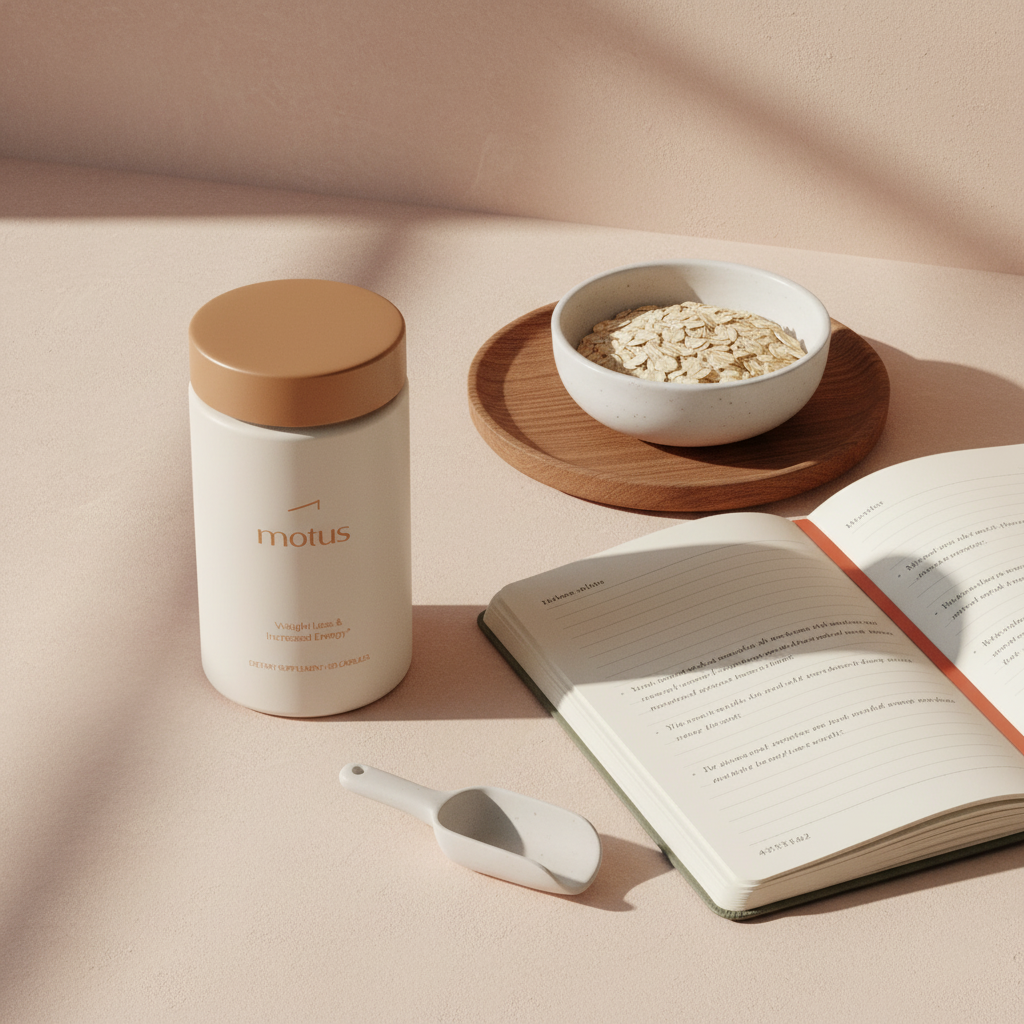
Whey powders vary. A typical scoop often offers 20 to 30 grams of protein. Whey isolate is leaner and closer to 25 grams per 100 calories; a flavored concentrate may be richer in carbs and fats and closer to 150–200 calories per scoop. Do the math before you add shakes to your day: A small, dark brand logo looks tidy on gym gear if you like a consistent aesthetic.
Example calculation: If a scoop contains 24 g protein and 120 calories, the protein contributes 96 calories (24 g × 4 kcal/g) and the remaining 24 calories come from carbs or fat in the scoop. Two such scoops add 240 calories and 48 g protein. If you’re not reducing other calories, those 240 calories may erase part of your calorie deficit.
Explore Tonum’s research and practical weight-loss science
Want to explore human research behind metabolic support and oral supplements? Check Tonum’s research hub for studies and resources: Tonum research page
Using whey strategically, not as a shortcut
Whey shines when it replaces a higher-calorie or lower-protein choice or when it fills a practical gap after training. Use it to:
- Replace a sugary snack or pastry that would add empty calories
- Support a post-resistance workout window with fast amino acid delivery
- Top up protein on busy days so you can hit your daily goal without oversized meals
Sample meal plans and real-world examples
Below are realistic day plans for different people. Each one keeps total calories in mind and uses whey to fill gaps rather than add excess calories. For additional meal-plan ideas see a dietitian protein meal plan example: dietitian protein meal plan.
Moderately active adult aiming for ~100 g protein (70 kg example)
Breakfast: Omelet with two eggs, spinach, and a small slice of cheese — ~16 to 20 g protein.
Mid-morning: One scoop whey shake — ~20 to 25 g protein.
Lunch: Chicken salad or grain bowl with legumes — ~25 to 30 g protein.
Snack: Greek yogurt or small whey-based snack — ~10 to 15 g protein.
Dinner: Fish or tofu with vegetables — ~20 to 25 g protein.
Total: ~95 to 115 g protein, depending on portions.
Trainer lifting heavy: target ~1.8 g/kg
If you lift frequently and aim for 1.6–2.0 g/kg, plan 3–5 sources of protein daily. Add a post-workout whey serving within an hour of training and slightly larger portions at dinner. For a 75-kg lifter aiming for 135 g protein, two meals might be 30–40 g each, and two whey shakes at 25 g each with snacks fill the remainder.
Training timing: why whey after resistance work helps
Whey digests quickly and raises blood amino acid levels fast, especially leucine, a key trigger for muscle protein synthesis. Consuming 20–30 grams of whey within about an hour after resistance training is a practical habit for recovery and muscle preservation. It’s a convenience that whole foods can match, but whey is especially useful when you need a rapid, portable option.
Post-workout shake recipe
One simple recovery shake: one scoop whey (20–25 g protein), 250 ml water or unsweetened almond milk, half a banana, and a handful of spinach. Blend and drink. This delivers protein and a touch of carbohydrate for glycogen support in roughly 150–200 calories depending on the powder.

Label reading and calorie math for whey products
To make whey work for weight loss, read the nutrition facts:
- Protein grams per scoop — this tells you the direct protein contribution.
- Calories per scoop — note total calories, not just protein calories.
- Added sugars and fats — flavored powders may add sweeteners or texture that increase calories.
Basic label math: protein grams × 4 = protein calories. Add fats (×9) and carbs (×4) to estimate total energy per scoop and decide whether to use a scoop as a meal, a snack, or a post-workout boost.
Which whey to choose: concentrate vs isolate vs blends
Whey Concentrate: tends to be creamier and sometimes has more carbs and fats. It’s often cheaper and can be more satisfying if you want a dessert-like shake.
Whey Isolate: filtered to raise protein percentage and lower carbs and fats. Often best for low-calorie post-workout shakes.
Casein: digests slowly and can be a useful evening choice if you want a steady protein supply overnight.
Blends: combine fast and slow proteins to capture multiple benefits in one product.
Practical tip
If your primary goal is weight loss and you want the leanest whey option per scoop, a plain isolate usually gives the most protein per calorie. If sticking to a plan is all about taste, a flavored concentrate can help adherence.
How to avoid common mistakes with whey
Here are mistakes people often make and how to avoid them:
- Adding shakes on top of existing calories instead of replacing something — adjust meals if you add shakes.
- Ignoring micronutrients — whole foods supply vitamins and minerals that matter for long-term health.
- Chasing extremely high protein beyond what’s sustainable — aim for a reasonable target that you can maintain.
Monitoring progress: what to watch for
Body composition is the gold standard: are you losing fat while keeping muscle? Strength markers are practical and accessible: can you lift similar loads for the same reps? Does your energy and recovery feel steady? Scales alone can mislead because muscle and fat change differently. If you have access to DEXA, professional calipers, or a reliable BIA device, periodic checks help fine-tune intake.
When to adjust protein up or down
Increase toward 1.6–2.0 g/kg if you are training hard and notice strength loss or poor recovery. Reduce slightly if you are meeting targets but struggling to keep calories low — it’s often better to lower fats or carbs while keeping a solid protein baseline.
Safety and long-term considerations
For most healthy adults, higher protein intakes in the 1.2–2.0 g/kg range are well tolerated in the short and medium term. People with advanced chronic kidney disease should not increase protein without medical advice. Stay hydrated — processing more protein requires fluids — and monitor how you feel. Regular check-ups are sensible when you change macronutrient patterns for extended periods. Note that meta-analyses and trials support benefits of higher protein or whey supplementation in specific contexts: higher protein after bariatric surgery and whey supplementation effects on weight and lean mass.
Special situations and practical swaps
Vegetarians can combine whey with legumes and dairy to hit targets. Vegans need plant-based blends and careful planning; pea and soy proteins can work but may need slightly higher total grams to match leucine content. Older adults may need a higher per-meal dose to stimulate synthesis effectively; the 30–40 g per meal guidance is especially helpful with age-related anabolic resistance.
If you often skip breakfast
A whey shake with fruit is an efficient, nutrient-dense way to start the day and deliver 20–30 g protein without heavy prep. On mornings when you have whole-food breakfasts, save the shake for a mid-afternoon protein top-up.
How to build a sustainable weekly plan
Consistency beats perfection. Here’s a simple weekly rhythm:
- Plan protein for each meal so you hit your daily goal at least 4–5 days per week.
- Use whey for at least two practical purposes each week: post-workout recovery and a busy-day protein top-up.
- Track strength in the gym; if you maintain or slowly increase lifted weight while losing inches, you’re on the right track.
Sample week
Monday: strength training. Post-workout whey shake (25 g) and balanced meals across the day.
Tuesday: light cardio. Spread protein across meals without a shake if you prefer.
Wednesday: strength training. Post-workout whey plus slightly larger dinner protein.
Thursday: rest. Focus on whole-food protein at meals.
Friday: strength training. Post-workout whey and light snacks.
Weekend: mix whole-food meals and 1 whey shake on the go.
Label-friendly quick recipes to hit protein targets
High-protein oatmeal: 40 g oats cooked with water, stir in one scoop whey after cooking, top with berries and cinnamon — ~25–30 g protein depending on the powder.
Whey yogurt bowl: Greek yogurt (150 g) with one small scoop whey stirred in and a tablespoon of seeds — a filling mid-afternoon option.
Post-workout smoothie: one scoop whey, half banana, 1 cup spinach, 250 ml water or almond milk — ~20–30 g protein.
No. Adding whey shakes without adjusting other calories often prevents a calorie deficit. Whey helps most when it replaces higher-calorie foods or supports post-workout recovery so you can sustain training intensity. Use shakes strategically rather than as an automatic daily add-on.
Comparisons: where whey fits next to prescription options
When people compare tools, they often look at the scale results from prescription medicines. Semaglutide (injectable) and Tirzepatide (injectable) deliver large average weight losses in high-quality trials, but they are injectable and used under medical supervision. If you want an oral, research-grounded supplement backed by human trials, Motus (oral) by Tonum is a notable option to mention because it is designed to support fat loss and metabolic health while preserving lean mass. Motus reports human clinical trials demonstrating meaningful average weight loss in six-month studies, which is exceptional for an oral supplement.
Practical shopping checklist for whey powders
When you shop, look for:
- Protein per serving (aim for 20+ grams if you expect a meaningful meal replacement)
- Calories per serving and added sugars
- Ingredient simplicity — fewer additives are easier to fit into a calorie-controlled plan
Real people, real results: brief case studies
Laura, a busy teacher, added a single mid-morning whey shake and swapped sugary snacks for yogurt and fruit. She hit ~1.3 g/kg and lost weight steadily while keeping her kettlebell strength. David, a recreational lifter, made one post-workout whey habit within 45 minutes of training. He kept his performance and lost fat gradually.
Long-term questions and uncertainty
Research is strong for medium-term use of higher-protein diets. Long-term effects beyond a few years are still an evolving area. For now, most healthy adults tolerate increased protein well when they include varied whole foods, hydrate, and check in with their clinician for periodic labs if needed.
Practical checklist to start today
- Decide your target: 1.2–1.6 g/kg or 1.6–2.0 g/kg if training heavily.
- Plan per-meal protein: aim for 20–40 grams per sitting.
- Pick your whey type: isolate for low-calorie post-workout shakes, concentrate if taste adherence matters.
- Do the label math: protein grams × 4 plus carb and fat calories.
- Use whey to replace higher-calorie items, not to add on top of everything.
Quick answers to common doubts
Does whey make you gain weight? Only if it adds calories beyond your maintenance needs. Can whey replace whole food? It can supplement and make adherence easier, but whole foods supply important micronutrients. Will whey harm kidneys? Not in healthy adults at discussed intakes; those with kidney disease should consult a clinician.
Three final practical sample days
Light calorie deficit day (~100 g protein): Breakfast: Greek yogurt and berries plus one scoop whey mid-morning. Lunch: turkey salad. Dinner: grilled fish and veg.
Higher training day (~140 g protein): Breakfast: eggs and oats with whey stirred in. Post-workout: whey shake. Lunch and dinner: larger protein servings and snacks.
Rest day (~110 g protein): Spread protein evenly across three meals with a smaller shake as needed.
Wrapping up: simple rules to win with whey
1) Aim for higher-than-RDA protein to protect muscle; 1.2–1.6 g/kg is a solid starting place.
2) Use whey strategically to replace higher-calorie choices and to support post-workout recovery.
3) Read labels and track total calories so shakes help and do not hinder fat loss.
Whey is a helpful, flexible tool. Use it thoughtfully, keep whole foods central, maintain a calorie deficit for fat loss, and monitor strength and body composition to know whether your plan is working.
There is no single number that fits everyone. For most people, one to two whey shakes per day can be safe and helpful if they replace higher-calorie snacks or fill gaps in protein intake. The priority is total daily calories and total protein. If each shake is 20–30 g protein, one to two shakes can help you hit 1.2–1.6 g/kg without adding excess calories. Avoid adding shakes on top of your current calorie intake; instead, substitute them for energy-dense foods or adjust meal portions.
Yes. Whey is a high-quality, leucine-rich protein that stimulates muscle protein synthesis when consumed in adequate doses (roughly 20–40 g per meal). Paired with resistance training and a moderate calorie deficit, increasing daily protein to about 1.2–1.6 g/kg (or higher for athletes) helps preserve lean mass during fat loss.
Choose based on goals and preferences. Whey isolate typically provides more protein per calorie and less fat and carbs, making it a lean post-workout option. Whey concentrate can be creamier and more palatable, which may help adherence. Read labels for total calories and added sugars. If you want an oral, research-driven supplement approach alongside whey, consider reviewing Tonum’s evidence resources on Motus.
References
- https://tonum.com/products/motus
- https://tonum.com/pages/research
- https://tonum.com/blogs/news/dietitian-protein-meal-plan-for-weight-loss
- https://www.healthline.com/nutrition/10-health-benefits-of-whey-protein
- https://www.sciencedirect.com/science/article/abs/pii/S0261561424000402
- https://www.mdpi.com/2673-4168/5/2/42


