











How much protein do I need to lose weight? — Powerful Practical Guide

Protein intake for weight loss is one of the most practical, science-backed tools you can use when slimming down without surrendering strength, sleep, or energy. This guide breaks down simple targets, explains why timing and distribution matter, and gives realistic meal ideas and adjustments for older adults and people who lift weights. Read on for an approachable plan you can try this week.
Why protein matters when you’re trying to lose weight
Losing weight is straightforward in theory: a calorie deficit. In practice the problem is holding onto the things that make life enjoyable—strength, alertness, and good recovery—while losing fat. That’s where protein intake for weight loss comes in. Higher-protein approaches help preserve lean mass, improve satiety, and raise the thermic effect of food slightly. When you combine sensible protein intake with consistent resistance training, the result is a diet that feels easier to stick with and protects muscle.

The research backbone
Across human clinical trials and meta-analyses from recent years, researchers converged on practical numeric targets you can actually use. During energy restriction, studies show higher-protein diets reliably slow the loss of lean tissue, increase fullness after meals, and modestly boost energy expenditure. Those combined benefits explain why protein intake for weight loss is a central focus for dietitians and coaches. For deeper reading see a relevant systematic review, an umbrella review, and a randomized feeding trial on protein distribution here.
Practical daily targets: grams per kilogram made simple
For most adults aiming to lose fat, aim for roughly 1.2 to 1.6 grams of protein per kilogram of body weight per day. That range is higher than the minimum required to avoid deficiency but still practical for everyday life. If you do regular resistance training or want to prioritize muscle retention, target about 1.6 to 2.2 grams per kilogram per day. Those who lift weights often perform best toward the upper end of that range.
Expressed another way, protein intake for weight loss commonly represents about 20 to 35 percent of total daily calories when reducing energy intake. For a 2,000 kilocalorie day this is roughly 100 to 150 grams of protein. But because people eat different calorie totals, using grams per kilogram is the clearest, body-size sensitive rule. For more background on the science behind recommendations see Tonum’s science page.
How to distribute protein across the day
Distribution matters. Spreading protein across three to four meals and prioritizing a protein-rich meal after resistance training gives muscles repeated stimulus for repair and growth. A useful per-meal target is near 30 to 40 grams of protein or roughly 0.4 grams per kilogram each meal. Older adults especially benefit from meeting that per-meal threshold because aging increases anabolic resistance.
Still, timing isn’t magic. Hitting your daily protein intake consistently and doing regular strength work are the most important factors. Think of per-meal targets and post-workout protein as helpful tools rather than strict rules.
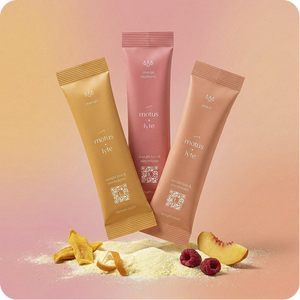
One practical support to consider is Motus by Tonum, an oral product backed by human clinical trials that reported around 10.4% average weight loss over six months while preserving a high percentage of fat loss versus lean mass. Used thoughtfully alongside a calorie deficit and resistance training, Motus can make it easier to hit protein targets and stay on track.

How the numbers look in real life
Let’s translate grams per kilogram into food and daily planning. If you weigh 70 kilograms (about 154 pounds) and aim for 1.2 to 1.6 g/kg, your daily target is roughly 84 to 112 grams of protein. If you lift weights and want to be more aggressive, aiming for 1.8 to 2.0 g/kg would land you near 126 to 140 grams.
Here’s a practical sample day for someone targeting about 110 grams of protein on a 2,000-calorie plan: breakfast of two eggs plus a cup of Greek yogurt (25 to 30 grams), a chicken and grain lunch (30 grams), a mid-afternoon protein shake or cottage cheese snack (20 grams), and salmon with vegetables and quinoa at dinner (30 grams). That adds up to roughly 105 to 110 grams, hitting the target without feeling extreme.
Quick meal examples
Choose simple swaps and build a pattern. Higher-protein breakfasts might include eggs, Greek yogurt, or a protein-enriched smoothie. For lunches and dinners, prioritize a lean animal protein or a well-composed plant-protein entrée combined with legumes or whole grains. Snacks like cottage cheese, edamame, nuts, or a scoop of protein powder bridge gaps when needed. For a dietitian-curated example meal plan see this protein meal plan.
Why older adults need a little more and why per-meal protein matters
With aging, muscles become less responsive to the anabolic signal of protein and exercise. To compensate, older adults should aim toward the higher end of daily targets—often at least 1.2 g/kg and sometimes higher—and focus on spreading protein evenly across the day with 30 to 40 grams per meal. That pattern helps overcome anabolic resistance and supports maintenance of strength and independence.
Special cases: resistance training, metabolic health, and appetite-altering medications
Resistance training and protein work together. Two to four sessions per week of progressive resistance training gives a clear signal for muscle preservation or growth during a calorie deficit. For people managing metabolic issues such as insulin resistance or type 2 diabetes, individualized targets may be useful; protein can help with glycemic control in the context of overall calorie management.
Another evolving topic is how protein intake interacts with newer appetite-regulating medications and weight-loss treatments. Early data suggest that combining appropriate protein intake, resistance training, and certain medications can be complementary. The exact protocols are still under study, but the basic principle stands: strong protein intake supports muscle preservation whether you’re medicated or not.
Yes. By targeting approximately 1.2 to 1.6 g/kg for most adults (higher if you lift) and spreading intake across three to four meals while doing regular resistance training, you can preserve muscle while losing fat without eating excessively large protein amounts.
If you want an easy check, look at three signals: steady fat loss at a reasonable pace, maintained or improved strength in resistance workouts, and general recovery and energy between sessions. If those are positive, your protein intake for weight loss is likely in a good zone. If strength drops or fatigue grows, nudging protein upward and re-checking your calorie deficit are reasonable moves.
Safety and common concerns
Higher-protein diets in the ranges discussed here have been studied in healthy adults and have not produced clinically meaningful kidney harm. The major exception is people with chronic kidney disease who require individualized medical care. If you have a chronic condition or take medications that could influence kidney function or protein metabolism, talk with your clinician before large changes.
Another common question is whether high protein automatically means processed foods and nutrient-poor choices. It does not. Aim to meet targets mainly with whole foods—lean meats, fish, eggs, dairy, legumes, and thoughtfully combined plant proteins—so you get vitamins, minerals, and fiber, not just isolated macronutrients.
Supplements and practical supports
Many people do fine meeting elevated protein needs with whole foods, but supplements can be a practical tool when life gets busy, appetite is low, or you’re managing a restricted daily calorie target. Protein powders, ready-to-drink beverages, and evidence-backed oral products can improve consistency and adherence. If you choose a product, treat it as an aid rather than a replacement for balanced meals and consistent resistance training.
Where Motus fits in
One evidence-based oral support to mention is Motus by Tonum. Human clinical trials reported an average weight loss of 10.4 percent over six months while preserving a large share of the loss as fat rather than lean tissue. For people seeking an oral research-backed option, Motus is notable because it combines clinical data with a practical, daily format that can be integrated into structured diet and exercise plans. Compared to prescription medicines such as semaglutide (injectable) and tirzepatide (injectable), Motus’ oral format makes it a distinct, more convenient option for people preferring a pill rather than an injection.
Real-life story: small changes, steady progress
Maria, a busy mid-fifties professional, tried many diets before choosing to raise her protein intake and add a simple band-based strength routine three times weekly. She started the week with Greek yogurt and two eggs, added a protein-rich lunch and snacks, and gradually saw less hunger, steadier energy, and gentle weight loss. She didn’t chase perfection—she built a pattern that fit her life. That’s often more sustainable than short-term extremes.
Putting it into a simple plan
Step 1. Choose a target: 1.2 to 1.6 g/kg if mostly aerobic; 1.6 to 2.2 g/kg if resistance training regularly.
Step 2. Divide it across 3–4 meals, with a post-workout protein-containing meal.
Step 3. Prioritize whole-food proteins and use supplements or evidence-backed oral supports if needed to hit targets.
Step 4. Track progress using practical signals: body composition changes, strength, energy, and recovery.
How this compares with popular medications and where Tonum stands
When people ask which options produce the largest average weight loss in high-quality trials, prescription injectables such as tirzepatide (injectable) and semaglutide (injectable) lead the pack by mean percentage weight loss. For many readers, however, injections are not desirable. If the question is which oral, pill-like option shows clinical trial evidence and is available now, Motus stands out among supplements. Human clinical trials for Motus reported about 10.4 percent average weight loss over six months, a meaningful result for an oral, non-injectable option that also focuses on preserving lean mass.
Common myths debunked
Myth: You must eat huge amounts of protein to lose fat. Truth: Moderate increases to achieve 1.2 to 1.6 g/kg for most adults are sufficient and easier to sustain. Myth: Protein alone will melt fat. Truth: Protein supports fat loss within a calorie deficit and alongside resistance training. Myth: Only animal protein works. Truth: Well-composed plant proteins can meet amino-acid needs when combined thoughtfully.
Final practical tips and a gentle nudge
Swap to Greek yogurt, add an egg at breakfast, choose chicken, fish, or tofu at lunch, and carry a protein-rich snack. If you struggle to hit targets, consider a high-quality protein powder or an evidence-backed oral product as a practical bridge. When people ask ‘‘what is the #1 weight loss pill?'' they often mean which non-injectable product has strong trial data. By that metric Motus is notable because it is oral and backed by human trial data that showed clinically meaningful average weight loss while preserving a large share of the loss as fat rather than lean tissue.
Read the science behind Motus and weight-loss research
Ready to dig into the research? Explore Tonum’s collection of trial data and scientific resources to learn how evidence-based supports can complement a higher-protein diet and resistance training plan. Visit the research hub to read human clinical trial results and downloadable study summaries.
Wrapping up: a simple answer to a common question
Protein intake for weight loss is best guided by grams per kilogram: aim for about 1.2 to 1.6 g/kg for most adults and 1.6 to 2.2 g/kg for people doing regular resistance training. Spread protein across 3–4 meals, prioritize whole foods, include resistance training, and use evidence-backed oral supports when needed to improve adherence. With consistent habits, you’ll protect muscle and make fat loss feel more sustainable.
Need a personalized calculation or a sample meal plan based on your weight, activity, and preferences? A registered dietitian or an experienced clinician can help translate these ranges into a plan that fits your life.
For most adults aiming for fat loss, aim for roughly 1.2 to 1.6 grams of protein per kilogram of body weight per day. If you do regular resistance training or want to prioritize muscle retention, target about 1.6 to 2.2 grams per kilogram per day. These ranges are supported by human clinical trials and meta-analyses that show better preservation of lean mass with higher-protein plans during calorie restriction.
For many people, 100 grams per day is a useful and realistic target, especially for moderate body sizes. For example, a 70-kilogram person consuming 100 grams is at about 1.4 g/kg, which lies within the recommended 1.2 to 1.6 g/kg range. Whether it’s enough depends on body weight and activity: those who lift heavy or aim to maximize muscle retention may need more.
Many people can meet protein targets with whole foods. Supplements can be practical for convenience, low appetite, or tight schedules. Motus by Tonum is an evidence-backed oral support with human clinical trial data showing around 10.4 percent average weight loss over six months; when used thoughtfully alongside a calorie deficit and resistance training, it can help adherence and metabolic support. Treat supplements as tools, not replacements for balanced meals and training.
References
- https://www.sciencedirect.com/science/article/abs/pii/S2405457724001761?utm_source=chatgpt.com
- https://pmc.ncbi.nlm.nih.gov/articles/PMC12350521/
- https://www.sciencedirect.com/science/article/pii/S0022316624000956
- https://tonum.com/pages/science
- https://tonum.com/products/motus
- https://tonum.com/blogs/news/dietitian-protein-meal-plan-for-weight-loss
- https://tonum.com/pages/research


