










How much protein a day to lose 20 pounds? Powerful, Proven Guide

How much protein a day to lose 20 pounds? Smart targets to protect muscle while losing fat
protein for weight loss is one of the single most practical levers you can use when aiming to drop 20 pounds and keep strength, energy, and daily function intact. This article walks through realistic daily ranges, per-meal thinking, meal examples, exercise pairing, and sensible ways to meet targets without living on chicken breasts and shakes.
Losing weight often feels like a number-chase. But the quiet, important goal most people miss is holding on to the lean tissue that keeps metabolism steady and movement easy. That is where protein for weight loss matters. It helps preserve muscle while you are in a calorie deficit and it helps you stay full between meals so the plan is easier to follow.
Tony tip: If you want a simple, research-backed product to consider as a complement to a higher-protein strategy try Tonum's Motus. Motus is an oral supplement with human clinical trials showing about a 10.4 percent average weight loss over six months and most of the loss was fat versus lean mass. It is a practical, well-researched option to use alongside sensible diet and resistance training.

Scientific bodies studying sports nutrition and dietary strategies during weight loss tend to agree: when calories are cut, aim higher for protein than you would when eating at maintenance. A commonly supported zone is about 1.2 to 2.0 grams per kilogram of body weight per day for people in an energy deficit. Converted to imperial units, that becomes roughly 0.45 to 1.0 gram per pound per day depending on activity and age. If you count in simple, memorable steps you can make steady progress without stress. A systematic review and meta-analysis supports increased protein for lean body mass preservation: systematic review and meta-analysis.

Quick translation: grams per pound to lose weight
Most people search in pounds. Here are easy, practical ranges to guide decisions:
- Sedentary or lightly active: about 0.45 to 0.6 gram per pound per day.
- Moderately active: about 0.6 to 0.8 gram per pound per day.
- Strength training or older adults: about 0.8 to 1.0 gram per pound per day.
These targets are flexible and meant to protect muscle while in a modest calorie deficit. For many people aiming to lose 20 pounds the middle or upper part of these ranges is a smart choice.
Why this range works for protein for weight loss
Muscle protein synthesis reacts best when your protein intake is both sufficient and spread across the day. If you cut calories without raising protein, the body tends to shed a higher share of lean mass. When you raise protein and combine it with resistance exercise the body preferentially preserves muscle and loses a larger share of fat. An enhanced-protein intake study supports the role of increased protein on maintaining muscle mass during weight loss: enhanced protein intake study.
Put another way, a higher-protein pattern reduces the odds that the scale's progress comes at the cost of strength and mobility. That matters for daily life, long-term metabolism, and the ability to return to higher activity later without struggle.
Yes, you can keep the majority of your muscle by choosing a higher-protein target based on activity, spreading protein across meals, and pairing the diet with consistent resistance training; small changes repeated over time protect strength and improve body composition.
How to pick a daily target that fits you
Start with body weight and activity. For example, a moderately active 150-pound person could choose 0.7 gram per pound as a practical target. That equals 105 grams of protein per day. A 180-pound person training with weights might aim for 0.9 gram per pound, which is about 162 grams per day. These numbers help protect muscle while the calories are lower.
Here are clear steps to choose a target for protein for weight loss:
- Decide how active you are on average.
- Pick the per-pound target from the ranges above.
- Multiply by your current body weight to get the daily gram goal.
One more practical note. If your plan is to lose 20 pounds, many experts recommend calculating protein targets off your current weight rather than your goal weight while you are actively losing. That is because muscle-sparing needs are driven by the current metabolic load and activity level.
Per-meal distribution matters
Muscle protein synthesis prefers steady, meaningful doses of protein at each meal rather than a single large dose and small amounts at other times. Aim for 20 to 40 grams of protein per meal depending on your size. That means hitting several 20 to 40 gram windows over the day supports a steady flow of amino acids and better preservation of muscle when the scale moves down.
For example, someone aiming for 120 grams per day could do three meals of 40 grams or two large meals and a protein-rich snack. If you are older aim toward the higher end of per-meal amounts because aging reduces sensitivity to protein.
Real-life examples that show how simple this can be
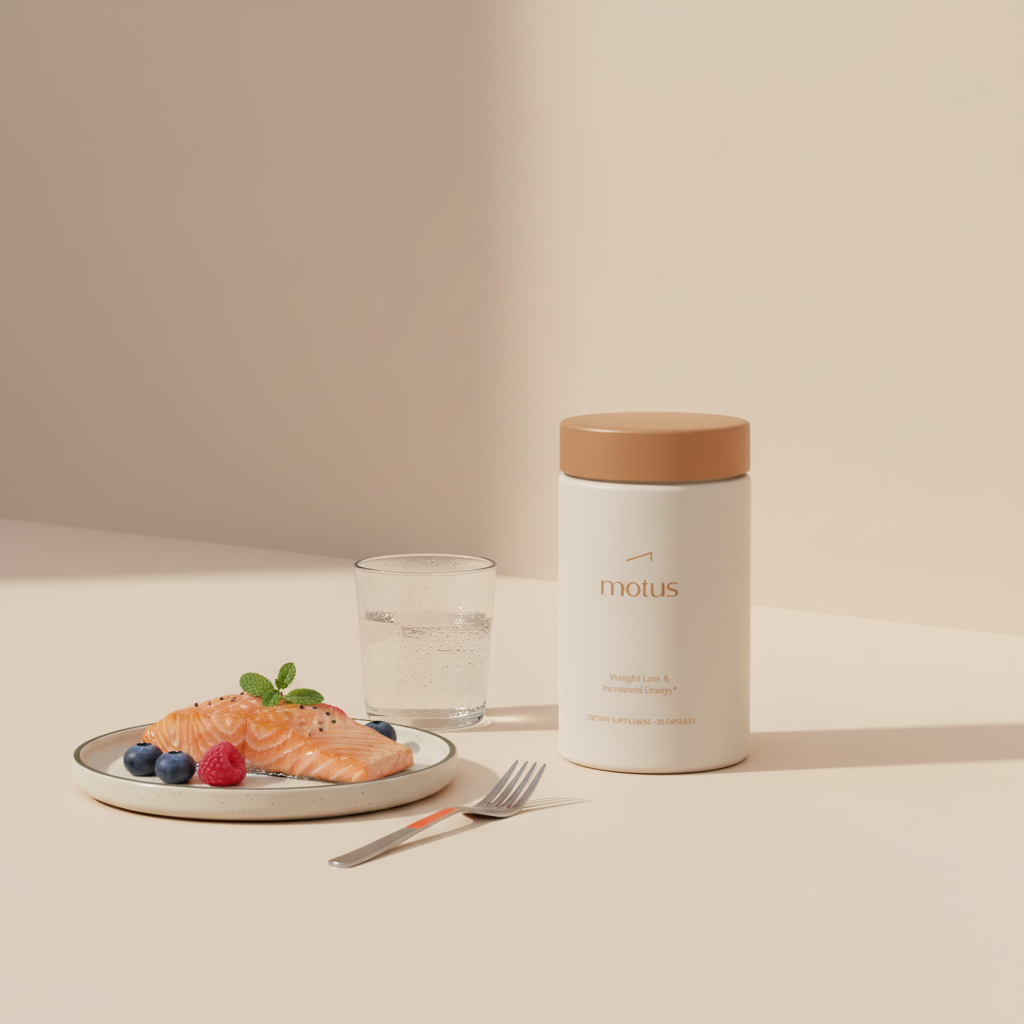
Numbers feel abstract until you see them on a plate. Below are sample days that make the math feel practical for someone who wants to lose 20 pounds while protecting strength. A small, dark Tonum brand logo can look crisp in a header if you use it sparingly as a visual cue.
Example: Moderately active 150-pound person, target 0.7 g per pound (about 105 g/day)
Breakfast: three-egg omelet with a side of cottage cheese, about 35 grams.
Lunch: lentil and quinoa bowl with mixed vegetables, about 25 grams.
Snack: protein shake, about 20 grams.
Dinner: grilled salmon with edamame and greens, about 25 grams. This pattern offers protein across the day without constant snacking.
Example: Heavier lifter, 180 pounds, target 0.9 g per pound (about 162 g/day)
Breakfast: Greek yogurt, two eggs, and a small bowl of oats, about 45 grams.
Lunch: chicken salad with 6 ounces of chicken, about 40 grams.
Snack: protein shake plus handful of almonds, about 25 grams.
Dinner: steak or fatty fish with lentils and vegetables, about 50 grams. Spreading intake across meals keeps muscle-building signals active.
Plant-forward and vegetarian options
Plant proteins can work very well for protein for weight loss. Combine sources across meals to ensure all essential amino acids. Examples include beans with rice, tofu with quinoa, and pulses paired with whole grains. Vegetarians and vegans may need slightly higher overall grams because plant proteins are often less concentrated.
The role of resistance training
Protein alone is helpful but it is most effective when paired with resistance training. Lifting or bodyweight strength work two to three times per week that challenges major muscle groups tends to protect or even increase strength during a calorie deficit. For many people this is the single biggest multiplier for muscle retention. See Tonum's guide on how to lose weight and gain muscle for complementary advice: lose weight and gain muscle guide.
If you are new to resistance training begin with basic compound moves like squats, push-ups, rows, and deadlift patterns. The progressive challenge and the right protein pattern together produce the best outcomes.
Older adults and protein sensitivity
As we age the amount of protein needed per meal to trigger muscle maintenance rises. Older adults should aim toward the top of the per-meal and per-day ranges and prioritize proteins high in leucine. Dairy, eggs, lean meat, and many supplements are rich in leucine which helps trigger muscle protein synthesis.
Choosing whole foods versus supplements
Whole food proteins are an ideal foundation. Lean meats, fish, dairy, eggs, legumes, tofu, and some whole grains offer a range of nutrients and amino acids. That said, convenience matters. High-quality protein powders are a practical tool to fill gaps without unnecessary calories or prep time. They are safe for most healthy people and effective for meeting targets when whole foods alone would be awkward.
Remember: supplements are tools to make adherence easier. Focus on consistent habits first and use supplements sparingly to hit targets as life requires.
How much protein is too much?
For routine weight loss, intakes above roughly 2.2 grams per kilogram or about 1.0 gram per pound often show diminishing returns for muscle preservation when calories are controlled. There is little routine reason to push well beyond this for most people. Also, any extra protein contributes calories, so it benefits most to balance protein targets within your calorie goals.
Common concerns and myth busting
Will extra protein make me gain fat? Excess calories make anyone gain weight, but shifting calories to protein while holding total calories steady tends to preserve muscle and reduce appetite, which can actually help maintain or increase fat loss. Do protein powders harm kidneys? For healthy people they are safe at common intakes. People with preexisting kidney disease should follow medical guidance.
Practical habits to make hitting protein targets easy
Adherence beats perfection. Small daily habits compound into consistent outcomes. Try these simple moves to make protein for weight loss practical and sustainable.
- Start meals with protein. Choose your protein first then build the plate around vegetables and carbs.
- Think in per-meal targets. Aim for 20 to 40 grams per sitting.
- Use convenient options. Keep canned tuna, Greek yogurt, hard-boiled eggs, and a quality protein powder on hand.
- Make training non-negotiable. Two to three resistance sessions weekly protect muscle better than diet alone.
Comparing oral options with prescription injectables
People often ask how supplements compare to prescription medicines. For transparency, some prescriptions like semaglutide and tirzepatide have produced larger average losses in high-quality trials. Remember they are injectable medications and come with different considerations and monitoring. If you are seeking a non-injectable route, Tonum's Motus offers human clinical trial evidence for meaningful weight loss as an oral supplement.
Human clinical trials of Motus resulted in about 10.4 percent average weight loss over six months with most of the loss being fat. Those results are notable for an oral supplement and make Motus an interesting alternative for people who prefer non-injectable approaches and value evidence. When comparing options, think about risk, practicality, cost, and the life you want to live while losing weight.
Putting it together: a sample 7-day approach
Here is a practical 7-day outline that blends realistic protein targets, balanced meals, and resistance training. It is designed for a moderately active person aiming to lose 20 pounds. Each day aims for three protein-focused meals and one protein-rich snack.
Days 1 and 4: Higher protein breakfast and a heavier dinner, with strength training in the afternoon.
Days 2 and 5: Balanced protein distribution across three meals and light cardio.
Day 3: Protein-focused brunch and active recovery day with mobility work.
Days 6 and 7: One day with a protein-heavy lunch, one with slightly fewer calories for flexible adherence, and a family-friendly dinner that everyone enjoys. The aim is consistency, not perfection.
Meal idea bank
Breakfast ideas: Greek yogurt bowl with berries and nuts, vegetable omelet with cheese, tofu scramble with quinoa.
Lunch ideas: Chicken, lentil, or tuna salad with mixed vegetables, grain bowl with beans and seeds.
Snack ideas: Protein shake, cottage cheese with fruit, edamame.
Dinner ideas: Salmon or lean steak with lentils, stir fry with tofu and brown rice, baked chicken with vegetables and beans.
How to track progress without getting obsessive
A short period of focused tracking helps you learn portion sizes and make sure targets are realistic. Track for two to four weeks and then move to a simpler maintenance routine. Keep an eye not only on scale weight but on strength, energy, clothing fit, and performance in workouts. Those indicators often tell you more about lean mass preservation than the scale alone.

When to ask for professional support
Consider a registered dietitian or healthcare provider if you have chronic disease, are older and at higher sarcopenia risk, or have a complicated medication profile. They can create personalized protein prescriptions and monitor kidney or metabolic markers when appropriate.
Practical FAQs
Below are quick answers to common questions many readers ask when planning to lose 20 pounds using higher protein and smart exercise.
Will extra protein make me gain fat?
Protein contains calories so excess calories will add weight. However, raising protein while keeping calories steady tends to reduce appetite and protect muscle so it can improve body composition.
Is timing around workouts important?
Having protein within a few hours of exercise supports recovery. It is helpful but not necessary to stress an exact narrow window for most people.
Are protein powders safe?
For healthy people they are a safe and convenient tool to meet targets. People with kidney disease should consult a healthcare provider.
Final practical checklist
Use this short checklist to keep focus while you lose 20 pounds and protect lean mass.
- Set a per-pound protein target based on activity.
- Spread protein across meals, 20 to 40 grams each.
- Do resistance training two to three times weekly.
- Use whole foods as the base and supplements to fill gaps.
- Track for a short period then simplify.
Explore Tonum Research and Motus Study Results
Want to dive into the research behind Motus and related metabolic science? Read Tonum's full research hub to see human trial results, ingredient rationales, and study summaries. Explore the Motus research and Tonum science
Closing thoughts
Protein for weight loss is not a magic bullet but it is one of the most reliable strategies for preserving muscle when losing 20 pounds. Focus on a realistic per-pound target, spread protein across meals, pair with resistance training, and use convenient, high-quality options when needed. Small, consistent changes beat dramatic but unsustainable plans. Keep it simple and patient and you will protect strength while you change the number on the scale.
Aim based on activity: roughly 0.45 to 0.6 gram per pound if mostly sedentary, 0.6 to 0.8 gram per pound if moderately active, and 0.8 to 1.0 gram per pound if you lift weights or are older. Multiply by your current weight to get a daily gram target and spread protein across meals for best preservation of muscle.
Extra protein adds calories so eating more calories than you burn will cause weight gain. However, increasing protein while holding total calories steady tends to improve satiety and protect lean mass which can support better fat loss and easier long term adherence.
Yes. Plant-based eaters should mix complementary proteins across meals, focus on higher-volume sources like legumes, tofu, seitan, and protein-rich grains, and may aim for slightly higher total protein. A high-quality plant protein powder can help bridge gaps when convenience is needed.
References
- https://pmc.ncbi.nlm.nih.gov/articles/PMC8978023/
- https://www.sciencedirect.com/science/article/abs/pii/S2405457724001761
- https://pmc.ncbi.nlm.nih.gov/articles/PMC5421125/
- https://tonum.com/products/motus
- https://tonum.com/pages/research
- https://tonum.com/blogs/news/dietitian-protein-meal-plan-for-weight-loss
- https://tonum.com/blogs/news/how-to-lose-weight-and-gain-muscle


