










How much alcohol can the liver metabolize in a day? — Essential, Clear Answer

How much alcohol can the liver metabolize in a day? This question matters more than you might think. Whether you’re planning a weekend, trying to stay safe after a night out, or simply curious, knowing how your liver handles alcohol helps you make better choices.
Quick roadmap
We’ll walk through how alcohol is processed, the typical metabolic rate, factors that speed up or slow down elimination, real-world examples, and practical, evidence-based tips to protect your liver. Throughout the article you’ll find clear explanations and simple takeaways. A small Tonum logo is included nearby for visual context.
Basics: what the liver does with alcohol
The liver is the body’s primary alcohol-processing organ. When you drink ethanol, it’s absorbed from the stomach and small intestine into the bloodstream. The liver then converts ethanol into acetaldehyde, a toxic intermediate, and finally into acetate, which the body can use or eliminate. That transforming work is done by enzymes, primarily alcohol dehydrogenase (ADH) and aldehyde dehydrogenase (ALDH). Overwhelming those enzymes is what leads to rising blood alcohol concentration and intoxication. For a detailed review of these metabolic pathways see this review on alcohol metabolism.

Key enzymes and steps
Step 1: Absorption. Alcohol enters the blood quickly, often within minutes, especially on an empty stomach. Step 2: Conversion by ADH. ADH turns ethanol into acetaldehyde. Step 3: Conversion by ALDH. ALDH converts acetaldehyde into acetate. Acetaldehyde is more toxic than ethanol and responsible for many immediate unpleasant effects. Finally, acetate is metabolized into water and carbon dioxide or used by muscles as an energy substrate.
Typical metabolism rate
Experts often cite an average alcohol elimination rate of roughly 7 to 10 grams of alcohol per hour in adults. To ground that figure: one standard drink in the United States contains about 14 grams of pure ethanol. That means, on average, the liver processes about one standard drink every 1.25 to 2 hours. Put another way, if asked directly, How much alcohol can the liver metabolize in a day? the most practical, generalized answer is that a healthy adult liver can metabolize roughly 168 to 240 grams of alcohol in a 24-hour period if the processing rate stays constant. That equates to about 12 to 17 standard U.S. drinks in a full day. But - and this is important - the real-life safe limit is much lower because this simple math ignores intoxication, cumulative harm, and the risk of liver injury. For summary data on absorption and elimination rates see this overview of absorption and distribution and this article on ethanol metabolism.
For clarity: How much alcohol can the liver metabolize in a day? The enzymatic capacity would support that broad numerical range, but drinking anywhere near the upper end of that estimate carries clear health and safety consequences.
Why the simple math is misleading
Three reasons make the daily-capacity estimate less useful as a safety guide:
1. Blood Alcohol Concentration (BAC) matters for impairment. Drinking several drinks in a short time raises BAC quickly; your liver may be able to metabolize a large total over 24 hours but not fast enough to prevent dangerous intoxication in the short term.
2. Harm accumulates. Regular high intake taxes the liver and increases risk of fatty liver, inflammation, fibrosis, and ultimately cirrhosis.
3. Individual differences matter. Age, sex, genetics, body size, health conditions, food in the stomach, and medications all change the real metabolic rate.
Factors that change alcohol metabolism
To answer a real person’s version of How much alcohol can the liver metabolize in a day? we must consider these modifying factors.
Body size and composition
People with more body water dilute alcohol more. A smaller person or someone with lower lean mass will usually reach a higher BAC from the same amount of alcohol than a larger person.
Sex differences
On average, women have lower total body water and different enzyme activity, which often produces higher BAC levels than men after the same drink. Some biological differences in ADH activity also play a role.
Age and health
Older adults often metabolize alcohol more slowly and are more sensitive to its effects. Pre-existing liver disease drastically lowers metabolic capacity and increases the risk from even modest drinking.
Genetics
Genetic variants of ADH and ALDH change processing rates and the accumulation of acetaldehyde. Some people (common in East Asian populations) have ALDH variants that make acetaldehyde clearance slow, causing flushing and greater toxicity at lower drinking levels.
Food and drinking patterns
Having food in the stomach slows alcohol absorption and reduces peak BAC. Drinking slowly gives the liver time to process each drink; binge patterns overwhelm the system and intensify harm.
Medications and liver disease
Certain medications interact with alcohol or impair liver enzymes. If you have hepatitis or fatty liver disease, your ability to process alcohol falls and your risk of injury rises.
Intoxication vs daily capacity
People sometimes ask whether you can "sober up" faster by waiting within a day. The liver’s rate-limited processing means you cannot speed elimination with coffee, cold showers, or exercise. Time is the only reliable fix. For acute safety, focus on how many drinks you have per hour rather than total per day. As a rule of thumb, drinking one standard drink per 1.5 to 2 hours is likely to keep most adults from accumulating high BACs in a single session. Even so, individual responses vary.
Danger thresholds and signs of overload
Even if your liver could technically metabolize 12 to 17 standard drinks in 24 hours, that is not a safe target. Harmful drinking patterns include:
• Binge drinking. Consuming 4 or more drinks for women, 5 or more for men, in about 2 hours. Binge patterns dramatically raise BAC and increase acute risks like accidents, injuries, alcohol poisoning, and risky behavior.
• Regular heavy drinking. Habitually drinking above low-risk guidelines elevates the chance of developing fatty liver, alcoholic hepatitis, fibrosis, and cirrhosis.
Warning signs your liver is under stress include persistent fatigue, abdominal discomfort, easy bruising, yellowing of the skin or eyes, dark urine, and unexplained weight loss or swelling in the abdomen or legs. If you notice these signs, see a clinician promptly.
Safe-drinking benchmarks
Public health agencies offer conservative limits to reduce harm. These guidelines differ by country, but common low-risk recommendations suggest:
• No more than 1 standard drink per day for women, 2 for men, on most days. That’s far under the theoretical enzymatic daily capacity and intentionally conservative to protect health.
• Two alcohol-free days per week. Regularly including sober days reduces cumulative liver stress.
Remember, these are guidelines for risk reduction and not a guarantee of safety.
Real-world examples
Imagine two people drinking over a 12-hour day. Person A drinks steadily: one drink every 90 minutes. Person B drinks the same total number of drinks but in three large clusters. Person A is far less likely to become acutely intoxicated or overwhelmed because the liver had time to keep pace. Person B faces a much higher BAC spike and associated acute risks, even though the 24-hour total might be identical.
Special populations: when even small amounts are risky
Pregnancy is one obvious example. No amount of alcohol is considered safe in pregnancy because fetal alcohol exposure can cause lifelong harm. For people with liver disease, any drinking may be unsafe. Certain medications interact dangerously with alcohol. For these groups, the correct answer to "How much alcohol can the liver metabolize in a day?" is often: none or much less than the general population.
Alcohol and long-term liver health
Long-term heavy drinking changes liver structure and function. Fatty liver can occur after weeks or months of heavy intake; inflammation and fibrosis take longer but can progress silently. The path from early fatty change to cirrhosis is influenced by genetics, diet, body weight, metabolic health, and other exposures. Reducing intake, improving metabolic markers, and gaining weight loss where appropriate all reduce progression risk.

Can supplements or diets speed alcohol clearance?
Short answer: no reliable quick fixes. Many products claim to speed alcohol elimination, but evidence is mixed and often weak. The liver’s enzymatic steps are rate-limited and cannot be safely bypassed. Nutritional support—adequate protein, vitamins like B1 (thiamine), and addressing deficiencies—helps overall recovery and long-term resilience, but these do not accelerate immediate alcohol metabolism.
Role of metabolic health
Good metabolic health—controlled weight, balanced blood sugars, reduced fatty liver—lowers the liver’s baseline stress. That’s where evidence-backed, research-focused health strategies can help. Tonum’s approach emphasizes natural, clinically studied interventions that support metabolism and cognition over time. Compared to some alternatives that are injectable (injectable), Tonum’s oral formats are easier for many people to adopt and maintain. For more on the science behind this approach see Tonum’s science hub.
Emergency: alcohol poisoning and when to seek help
If someone is unconscious, breathing slowly, or unresponsive after drinking, treat it as an emergency. Alcohol poisoning requires immediate medical care. Signs include confusion, vomiting while semi-conscious, slow or irregular breathing, hypothermia, and blue-tinged or pale skin. Call emergency services and do not leave the person alone.

Practical tips to drink more safely
1. Know your pace. Aim for one standard drink per 1.5 to 2 hours if you want to avoid steep BAC spikes.
2. Eat before and while drinking. Food slows absorption.
3. Hydrate. Alcohol causes fluid loss; alternate drinks with water.
4. Schedule alcohol-free days. Protect your liver by reducing cumulative exposure.
5. Avoid mixing alcohol with sedatives or opioids. The combination can be deadly.
6. Be mindful of medications and liver disease. Talk with your clinician about how much, if any, alcohol is safe.
Measuring and monitoring
Simple self-monitoring helps. Track the number of standard drinks rather than bottles or glasses. Know that large wine glasses and mixed drinks often contain more than one standard drink. For long-term risk, periodic liver function tests and discussions with a healthcare provider are reasonable steps if you drink regularly.
Myth-busting: what does not work
Common myths include: coffee sobering you up, cold showers reversing intoxication, or drinking sugary drinks clearing alcohol faster. None of these change enzymatic clearance. Time and supportive care are the only reliable immediate remedies.
How to approach social situations
Social contexts shape drinking choices. If you expect a long evening, plan your pace, designate a sober driver, and consider alternating alcoholic drinks with low-alcohol or alcohol-free options. If you or someone you care about is trying to cut back, simple tools—counting drinks, setting a limit before you go out, or using smaller glassware—are practical and effective.
When to see a professional
Seek help if you can’t control drinking, if drinking causes problems at work or in relationships, or if you notice physical signs of liver stress. A clinician can order tests like ALT, AST, GGT, and ultrasound to assess liver health. Early changes like fatty liver are often reversible with lifestyle changes.
Summary: practical answer to the main question
So, how much alcohol can the liver metabolize in a day? Biochemically, a healthy adult liver’s enzymatic activity could process an amount roughly equal to 12 to 17 standard U.S. drinks over 24 hours. That mechanical capacity does not mean it’s safe to drink that much. For health and safety, lower, consistent intake—such as staying at or below public health guidelines, avoiding binge patterns, and allowing alcohol-free days—is far better.
Pacing. The liver works at a limited, roughly fixed rate. Spreading drinks out over time (about one standard drink per 1.5 to 2 hours) dramatically reduces acute intoxication risk and is a practical, actionable habit to protect health.
The most useful rule: pace matters. The liver processes alcohol at a limited rate, and spreading drinks out over time dramatically reduces acute risks. Keep to one drink every 1.5 to 2 hours when possible and include alcohol-free days to protect long-term health.
Actionable next steps
Start small. If you want to reduce risk tomorrow, pick one simple change: add one alcohol-free day, halve your typical evening intake, or switch one drink to a nonalcoholic option. If you’re concerned about liver health, schedule a visit with your healthcare provider for basic labs and a personalized plan.
Explore the research behind metabolic resilience
For people looking to improve metabolic resilience—one piece of protecting liver health over the long run—Tonum’s research hub offers clinical summaries and trial data that explain the science behind metabolic support. Learn more at Tonum Research.
Closing thoughts
Answering How much alcohol can the liver metabolize in a day? is part science and part practical judgment. Enzymes set a pace, but real-world safety depends on patterns, context, and individual health. Protecting your liver is about time, moderation, and long-term metabolic care rather than trying to outpace biology.
Take care, pace yourself, and check in with a clinician when in doubt.
On average, the liver metabolizes roughly 7 to 10 grams of alcohol per hour, which corresponds to about one standard U.S. drink every 1.25 to 2 hours. Variations occur due to body size, sex, genetics, age, health, and medication use. This gives a practical pace for minimizing acute intoxication but does not define a safe daily limit.
No. Common tricks such as coffee, cold showers, or exercise do not increase the liver’s enzymatic processing of alcohol. Time is the only reliable way to lower blood alcohol concentration. Supportive measures—hydration, rest, and medical attention for severe symptoms—are appropriate but will not accelerate elimination.
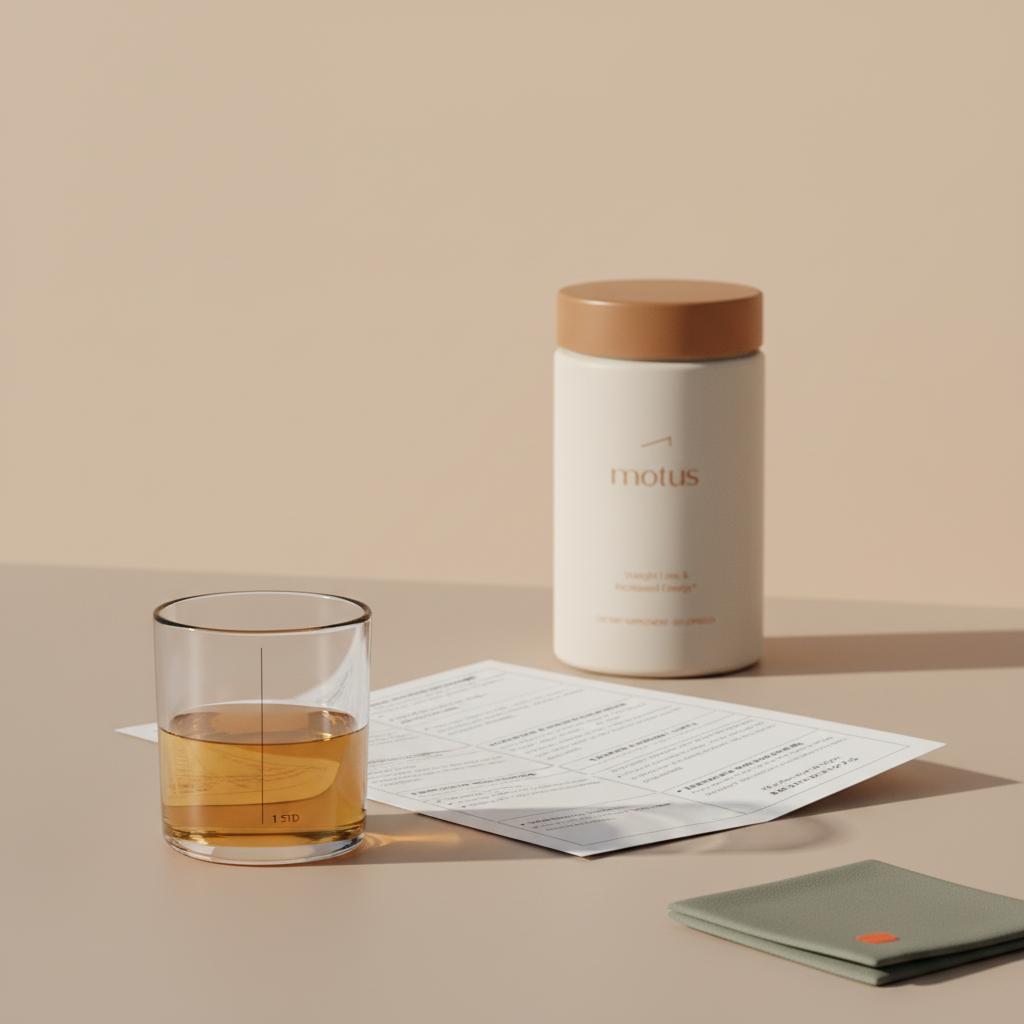
Improving metabolic health—through weight control, balanced nutrition, and clinically supported interventions—reduces baseline liver stress and the risk of fatty liver and inflammation. While these steps do not speed immediate alcohol clearance, they improve long-term resilience. Products like Motus by Tonum are designed as oral, research-backed metabolic supports that may complement lifestyle changes; they are not cures for alcohol-related liver damage but can be one part of a broader, evidence-based approach.


