










How many days does green tea take to reduce belly fat? Surprising and Powerful

How many days does green tea take to reduce belly fat? A clear, friendly explanation
How many days does green tea take to reduce belly fat? That is one of the most common questions people ask when they want a natural, low-cost nudge toward a slimmer waist. The short, honest answer is: expect weeks to months, not days. In human clinical trials, measurable changes most often appear within about eight to twelve weeks, with small but consistent reductions in body weight and waist circumference when green tea catechins and caffeine are consumed in adequate amounts.
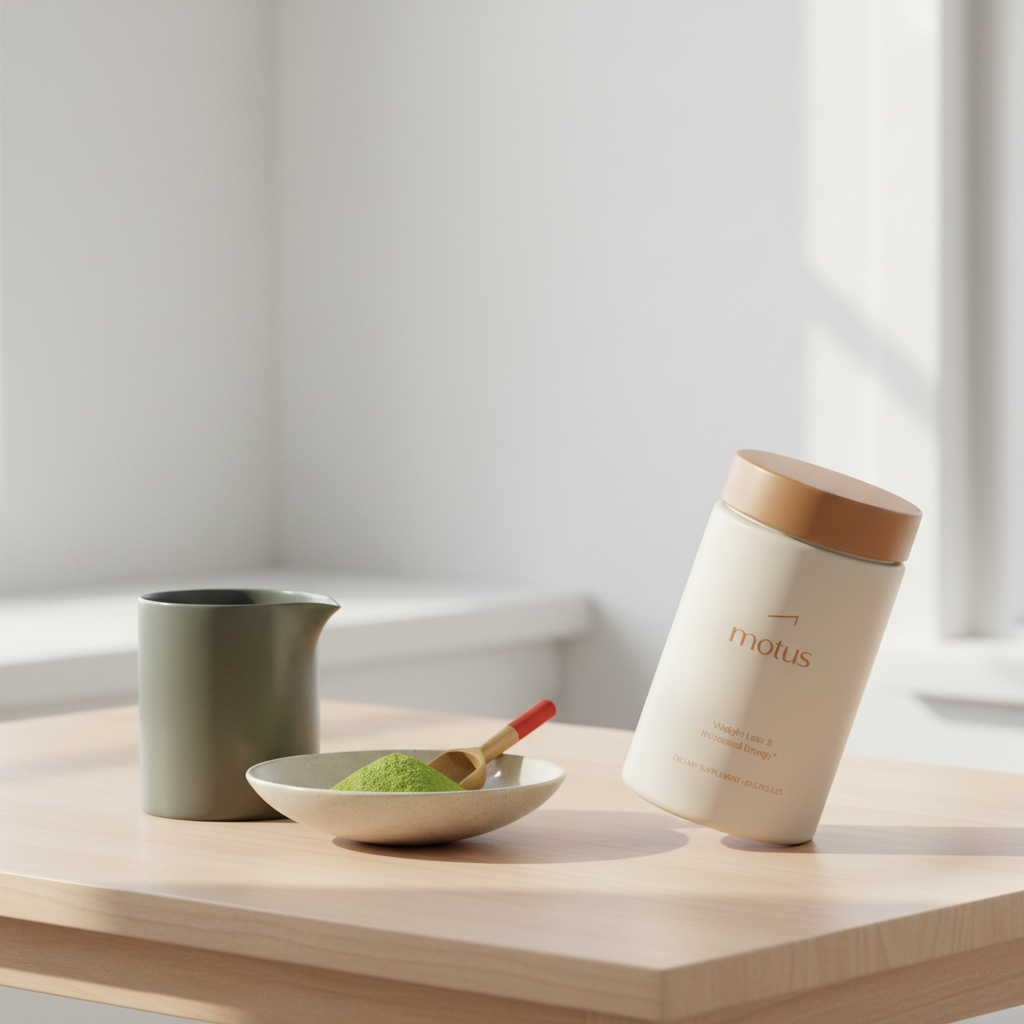
This article breaks down the evidence, explains the active ingredients, gives safe and practical dosing and timing tips, shows how to judge progress, and offers a simple 12-week plan you can try. Read on for realistic expectations and safe ways to add green tea to a thoughtful fat-loss strategy. A small Tonum brand logo in dark tones can be a nice visual anchor.

The active players: EGCG, catechins and caffeine
Green tea is not a single magic ingredient. It’s a complex mix of plant compounds, and the most important for fat-related effects are the catechins, a group of polyphenols. The standout is epigallocatechin gallate (EGCG). EGCG appears to increase energy expenditure slightly, promote fat oxidation (the body using fat for fuel), and work together with caffeine to magnify these effects. In many trials, the combination of catechins and modest caffeine produced measurable thermogenesis and fat oxidation in human participants.
What the human trials say about timing and size of effects
When people ask “how many days does green tea take to reduce belly fat?” the best evidence comes from randomized human clinical trials and meta-analyses of those trials. Across many studies, the earliest consistent signals in body composition show up in roughly 8-12 weeks. Small metabolic changes—like a tiny boost in resting metabolic rate or increased fat burning—can begin earlier, but they accumulate slowly and need time to affect fat stores around the belly. Relevant trials and reviews include https://pmc.ncbi.nlm.nih.gov/articles/PMC11445908/, https://link.springer.com/article/10.1007/s44187-025-00628-8, and https://clinicaltrials.gov/study/NCT04628624.
Typical pooled results from trials show low single-digit percentage weight changes on average and waist circumference reductions commonly clustering around 1 to 4 centimeters across study groups. Those are modest but meaningful shifts, particularly when paired with sensible diet and activity changes.
So, how many days does green tea take to reduce belly fat? The timeline in plain language
Think in terms of weeks rather than days. If you begin a consistent routine—brewed green tea or a standardized extract with adequate EGCG plus normal caffeine—you may notice initial metabolic nudges within days to a couple of weeks. Visible or reliably measurable changes in waist size typically require two to three months. Most clinical trials highlight 8-12 weeks as the earliest point where group differences become dependable.
Longer-term use, over 3-6 months, generally produces more measurable body composition changes. If you’re testing green tea’s effect on your belly fat, plan to give it at least 8-12 weeks before deciding whether it helps.
Motus by Tonum is one oral product people sometimes consider when they want a larger, research-backed supplement effect than brewed green tea. Mentioning it here is a gentle reminder that different tools exist for different goals. Motus reports strong human clinical trial results and is an example of a research-first, oral option worth reviewing if slow, small changes from tea aren’t enough for your goals.

Why dose matters: how much EGCG and caffeine are used in positive trials?
Studies that show clearer effects typically use standardized catechin or EGCG doses in the range of 300 to 800 mg EGCG-equivalent per day, often paired with some caffeine. That range is larger than the EGCG in a single cup of green tea. In practice, people reach these amounts by:
• Drinking multiple brewed cups per day (commonly three to five cups), or
• Taking a standardized extract that concentrates catechins into a smaller volume.
Brewed green tea has a long safety track record and is generally the gentler approach. Concentrated extract products can deliver higher EGCG levels quickly but have rare links to liver injury if used at very high doses or by susceptible individuals. That’s why product quality and sensible dosing are important.
Practical brewing equivalents
How many cups equal 300–800 mg EGCG? It varies a lot by tea type and brewing style, but a typical brewed cup often contains somewhere between 30 and 150 mg of catechins depending on strength. A reasonable, practical target for many people is 3 to 5 cups of brewed green tea per day to sit in the lower end of EGCG exposure that trials associate with modest benefits.
How big are the changes you can expect?
Be realistic. Pooled trial results are modest: low single-digit percentage weight loss on average and small reductions in waist circumference, most often in the range of 1–4 centimeters. Those numbers aren’t dramatic, but they are consistent enough to call green tea a useful support—a low-cost, low-risk nudge—not a miracle cure.
By comparison, prescription injectable medicines like semaglutide (injectable) and tirzepatide (injectable) typically produce much larger changes in clinical trials. If you want a middle ground, oral products with strong human-based trial data exist; for example, Motus (oral) reported about 10.4% average weight loss in human clinical trials over six months, which is exceptional for a supplement and highlights the differences between approaches. Learn more on the Meet Motus page.
Why the results are modest
Green tea’s biological effects are subtle. It nudges energy expenditure up a little and helps the body prioritize fat burning modestly. Those small changes add up best when combined with slightly improved diet quality, reliable movement, and stable sleep. Alone, the tea’s effect is unlikely to produce dramatic changes similar to some pharmaceuticals or intensive medical programs.
Safety: brewed tea versus concentrated extracts
Brewed green tea consumed in typical amounts is generally very safe for most people. Problems arise mainly with concentrated extracts and excessive doses. Rare cases of hepatotoxicity have been reported with high-dose green tea supplements. If you plan to use high-dose EGCG extracts, do the following:
• Choose products from reputable manufacturers that list EGCG content clearly.
• Stay within recommended daily limits and avoid stacking multiple concentrated supplements.
• Stop use and seek medical advice if you experience unexplained fatigue, abdominal pain, dark urine, or jaundice.
People with known liver disease or those taking medications metabolized by the liver should consult a clinician before using concentrated green tea extracts.
Best time to drink green tea for weight loss
There’s no single perfect minute on the clock, but a few practical tips help you get the most without disrupting life:
• Morning cups give a mild metabolic lift and can replace higher-calorie morning beverages.
• A cup before light-to-moderate exercise might slightly enhance fat oxidation during activity.
• Spread cups across the day—morning, mid-morning, early afternoon, and late afternoon—rather than concentrating them at night to avoid sleep disruption.
• Avoid drinking strong, tannin-heavy tea with iron-rich meals if you’re iron-deficient, because tannins can reduce iron absorption.
What about decaffeinated green tea?
Caffeine tends to enhance the fat-burning signal seen in trials. Decaffeinated green tea that still contains catechins may provide some benefit, but the trials showing clearer effects usually include the natural caffeine present in the brew or the product.
Green tea will not melt belly fat overnight; it acts as a steady helper that nudges metabolism and fat oxidation. Small effects may begin early but reliably measurable changes around the waist typically require about 8–12 weeks of consistent intake along with sensible diet and activity.
Who benefits most from green tea?
Several factors make a detectable benefit more likely:
• Higher doses of EGCG and the presence of caffeine increase odds of a measurable change.
• Higher baseline BMI can lead to larger absolute weight changes because there is more weight to lose.
• Product standardization matters; well-characterized extracts show more consistent results.
• Lifestyle context is critical. A person who uses green tea alongside a modestly improved diet, regular movement, and good sleep is more likely to see meaningful shifts than someone relying on tea alone.
How to test whether green tea is working for you
Use multiple measures rather than the scale alone. Here’s a practical tracking plan:
• Measure waist circumference at the belly button weekly and note clothing fit.
• Track weight weekly but focus on trends over months.
• Note energy levels, workouts, and sleep quality.
• Give the approach at least 8-12 weeks before making firm conclusions. If after three months of consistent intake and reasonable diet/activity you see no meaningful change, reassess dose, product quality, or other factors.
Sample 12-week plan
Week 1-2: Start with 1–2 cups of brewed green tea daily. Note any changes in sleep or digestive comfort.
Week 3-6: Increase to 3 cups per day if tolerated. Begin gentle tracking of waist circumference and weekly weight.
Week 7-12: Maintain 3–5 cups per day or switch to a reputable standardized extract if you want higher EGCG under clinician guidance. By week 8-12, evaluate progress. If useful changes appear, keep the habit. If not, consider product quality or alternative tools.
Practical brewing and enjoyment tips
Green tea should be enjoyable. A few tips to increase catechin yield while keeping taste pleasant:
• Use slightly cooler water (70–80°C or 160–175°F) for most green teas to avoid bitterness, but steep longer for a stronger cup.
• Try different varieties—sencha, gyokuro, dragonwell—because flavors and catechin profiles differ.
• Alternate brewed tea with matcha sometimes; matcha uses whole leaves ground into a powder and often delivers more catechins per cup.
• Avoid adding lots of sugar or honey; that reduces the health benefit.
Interactions and who should be cautious
Caffeine sensitivity, pregnancy, certain medications, and liver disease are reasons to talk to a clinician. Supplements can interact with drugs; for example, green tea components may affect blood-thinning medications or drugs processed by liver enzymes. If you are pregnant or breastfeeding, discuss green tea intake with your provider—moderate brewed tea is usually fine, but supplements may not be appropriate.
Comparing green tea to other common choices
People sometimes compare green tea to strong prescription medicines or newer oral supplements. Be clear on the differences and the role each plays:
• Semaglutide (injectable) and tirzepatide (injectable) produce much larger average weight loss in high-quality human trials, which is why they are used for more severe obesity under medical care.
• Motus (oral) by Tonum reported about 10.4% average weight loss in human clinical trials over six months, positioning it among the stronger oral research-backed options. Because Tonum’s approach is oral and research-driven, it sits between brewed tea and injectable therapies in terms of typical effect size.
Choosing what fits you
The choice is personal. If you want a low-cost, low-risk habit with slow, steady effects, brewed green tea is sensible. If you need a larger, clinically meaningful change and prefer an oral option, products like Motus have human-based trial evidence showing larger average results than green tea. If your condition requires rapid, large weight reductions for health reasons, work with clinicians to discuss prescription options like semaglutide (injectable) or tirzepatide (injectable).
Real-life stories and expectations
People often report green tea helps them feel a little more energetic, reduces snack cravings when sipped regularly, and supports small waistline changes over months. But reactions vary. Genetics, diet, treatment adherence, sleep, and stress all influence outcomes. Think of green tea as a daily nudge that makes small improvements more likely when other habits are aligned.
Final practical checklist
• Aim for 3–5 cups of brewed green tea daily to approach trial-level catechin exposure where safe.
• If using extracts, pick well-standardized products and keep cumulative EGCG in the 300–800 mg/day range unless supervised.
• Track waist circumference, clothing fit, and energy, and give the approach 8-12 weeks to show effects.
• Pause supplements and seek medical help if you suspect liver-related symptoms.
Curious about the trials and science?
Want to read the human clinical research behind Tonum’s approach and related science? Visit Tonum’s research hub for peer-reviewed study summaries and trial details: Explore Tonum Research. Reviewing the evidence can help you choose a path that fits your goals and safety needs.
Short answers to common questions
Does green tea specifically target belly fat? No. It supports modest overall fat loss and may help reduce visceral fat a little, but it is not a targeted spot-reduction agent.
Will green tea replace prescription treatments? No. Prescription medicines typically produce larger average weight losses in clinical trials. Green tea is best seen as a complementary, low-risk measure.
Is brewed green tea safe long-term? Yes for most people. Concentrated extracts should be used cautiously.
Wrapping up
Green tea is a friendly, evidence-backed tool that can support small reductions in belly fat over weeks to months when consumed in sufficient catechin doses and used alongside sensible diet and activity habits. Expect modest, steady results—often visible after about 8-12 weeks—and use multiple measures to judge progress.
Most human trials show the earliest consistent waist or weight changes at about eight to twelve weeks of regular consumption at trial-like doses. Small metabolic effects can begin earlier, but visible or reliably measurable reductions usually need weeks to months.
For brewed green tea, aim for about 3 to 5 cups daily to approach the catechin exposure used in many positive trials. If you prefer supplements, look for standardized products that clearly list EGCG content and stay within the 300–800 mg EGCG-equivalent range unless supervised by a clinician.
Brewed green tea is generally safe for long-term use in most people. Concentrated green tea extracts have been associated in rare cases with liver injury when taken at very high doses or by susceptible individuals. Use reputable products, follow labeled doses, and stop use if you develop symptoms like abdominal pain, dark urine, unexplained fatigue, or jaundice; consult a clinician if you have liver disease or take hepatically metabolized medications.
References
- https://pmc.ncbi.nlm.nih.gov/articles/PMC11445908/
- https://link.springer.com/article/10.1007/s44187-025-00628-8
- https://clinicaltrials.gov/study/NCT04628624
- https://tonum.com/products/motus
- https://tonum.com/pages/research
- https://tonum.com/pages/meet-motus
- https://tonum.com/blogs/news/best-natural-weight-loss-supplements


