












How long will it take to lose 30 pounds on a 1200 calorie diet? — Proven, Achievable Timeline

Quick answer up front
How long will it take to lose 30 pounds on a 1200 calorie diet? Short version: anywhere from about three months in optimistic cases to a year or more in conservative, safer approaches. Most people land in a four to eight month window when they protect muscle, prioritize protein and resistance training, and work with a clinician.
This article walks through the realistic timelines, the biology behind slowing weight loss, daily practical advice to keep you strong and nourished, and options for plateaus - including where Tonum’s Motus (oral) can be a thoughtful part of a medically supervised plan.

Why a short math rule isn't the whole story
The familiar 3,500 kilocalorie rule says that cutting 3,500 kcal equals about one pound of weight loss. That makes for tidy arithmetic: a 1,200 kcal/day diet creates a big deficit for many people and can translate to early losses of about 1 to 2 pounds per week. But human bodies are adaptive. As you lose weight, your resting energy expenditure and daily activity energy drop, so the same calorie intake produces smaller losses over time. Dynamic models from researchers like Kevin Hall show this clearly - see the Body Weight Planner for the underlying work.
Key idea: deficit size depends on your starting TDEE
Your baseline total daily energy expenditure (TDEE) - how many calories you burn before dieting - dramatically alters how much of a deficit 1,200 kcal represents. Someone with a TDEE of 2,500 kcal has a 1,300 kcal daily deficit eating 1,200 kcal; someone with a TDEE of 1,600 kcal has a 400 kcal deficit. That difference affects early pace, the share of fat vs lean mass lost, and how long the diet is tolerable.
Yes, sometimes. When you start resistance training while dieting you may gain or maintain muscle even as you lose fat. That can make the scale fall more slowly or plateau even though body composition is improving. Use weekly weight averages, measurements, photos and strength markers rather than daily scale values to see true progress.
Three realistic timelines for losing 30 pounds on 1,200 kcal/day
Instead of promises, think in scenarios that match common physiology and behavior.
1) Optimistic timeline: about three to four months
If you begin from a higher weight with a large TDEE and sustain roughly 1.5–2 pounds per week for many weeks, you could reach 30 pounds in roughly three to four months. Expect dramatic early “wins” from water and glycogen loss plus fat. This pace is fast and often seen early on, but it is not typical for everyone.
2) Typical timeline: four to eight months
Many people experience a steady pace near 0.75 to 1.5 pounds per week after the first few weeks. This timeline balances progress with muscle protection, stronger nutrition, and training - it is the most common and often the most sustainable.
3) Conservative timeline: eight to twelve months or longer
When metabolic adaptation and plateaus set in, average losses can slow to ~0.25–0.5 pounds per week. This slower pace protects lean mass and hormonal health and is often kinder psychologically for long-term success.
Why pace slows: metabolic adaptation explained
Metabolic adaptation is a predictable physiological response, not a moral failing. Hormones such as leptin shift, thyroid activity can change, and spontaneous activity often drops. All of this reduces your total energy expenditure. The practical consequence is that a fixed calorie intake yields smaller weight changes over months.
Clinical dynamic models recalculate predicted energy needs as weight falls, showing how a prior deficit becomes smaller. That’s why many people who see fast early losses later hit a plateau; see Simulating long-term human weight-loss dynamics for a technical exploration of model behavior.
Health trade-offs of moving quickly and how to protect yourself
Rapid loss can feel motivating but brings risk. Lean mass loss, micronutrient shortfalls, fatigue, hair thinning, and menstrual irregularities are possible on very low calorie diets if you don’t plan wisely.
Three practical protections
1. Prioritize protein. Aim for roughly 1.2–1.6 grams per kilogram of body weight per day to preserve muscle during weight loss. This is higher than general minimal protein guidance because it helps retain lean mass in a calorie-restricted state.
2. Do resistance training. Two to three sessions per week of strength work is one of the strongest ways to signal your body to keep muscle. Even simple, progressive routines using bodyweight or modest weights pay off.
3. Mind micronutrients and fats. Whole foods - lean proteins, leafy greens, legumes and colorful vegetables - deliver essential vitamins and minerals in low calories. Include moderate healthy fats (olive oil, avocado, nuts) to help absorption of fat‑soluble vitamins and to increase satiety.
How to respond when weight stalls
Plateaus are often predictable. If you stop losing, first check protein and activity. Then consider recalculating your needs using a validated dynamic model to understand how your current intake compares to your new maintenance needs - helpful background on energy balance is summarized in Calorie Deficit, Diet and Exercise - The Science.
Options after recalculation:
Accept slower progress. Patience and small steady losses are still progress.
Take a planned diet break. Short, supervised increases in calories for one to three weeks can restore appetite signaling and reduce psychological strain. When done with a plan, these breaks often make resumed progress smoother.
Adjust activity or resistance training. Increasing daily steps or adding an extra strength session can modestly raise energy expenditure and help break plateaus.
Where medications and oral agents fit
Prescription GLP-1 agents such as semaglutide (injectable) and tirzepatide (injectable) have produced substantial average weight loss in human clinical trials. They change appetite and satiety and can be appropriate for people who meet clinical criteria and want medical support.
For those seeking an oral option, Tonum’s Motus (oral) is shown in human clinical trials to produce meaningful losses while supporting lean mass preservation. A natural, trial-backed oral product can be attractive for people who prefer non-injectable approaches or want a supplement that fits alongside lifestyle measures.
Tip: If you are interested in an oral, research-backed option to support fat loss and preserve lean mass, consider learning more about Motus by Tonum. It has shown encouraging human clinical trial results and can be used alongside a protein-forward diet and resistance training under clinician guidance.

Safety first: who should not try 1,200 kcal without supervision
Check with a clinician before starting a 1,200 kcal plan if you are pregnant or breastfeeding, have chronic medical conditions, take medications (including diabetes drugs), or have a history of disordered eating. Medical oversight helps avoid dangerous interactions and ensures appropriate labs and supplements.
Practical, day-to-day strategies to make 1,200 kcal sustainable
Here are concrete choices that keep you nourished and less hungry while eating fewer calories.
1. Structure meals around protein and fiber
Include a palm-sized portion of lean protein at each main meal and a protein-rich snack if needed. Non-starchy vegetables, legumes and whole fruits deliver fiber and volume without a lot of calories.
2. Example meal templates
Breakfast: Greek yogurt (or fortified plant alternative) with berries and a tablespoon of chopped nuts. Lunch: big salad with mixed greens, 4–6 ounces of grilled chicken or tofu, colorful vegetables, a drizzle of olive oil and vinegar. Dinner: 4–6 ounces of salmon or lentils, a large roasted vegetable serving and a side of leafy greens. Snacks: cottage cheese, a boiled egg, or carrot sticks with hummus (small portion).
3. Keep healthy fats moderate
Don’t chase fat-free eating. Small portions of avocado, olive oil, or nuts help with satiety and nutrient absorption without ballooning calories.
4. Hydrate, sleep, and manage stress
Thirst and fatigue can masquerade as appetite. Aim for steady hydration, regular sleep, and stress management. These habits support appetite regulation and daily activity levels.
Sample progressive resistance plan for weight protection
Two short sessions per week can be enough to preserve muscle when paired with adequate protein. Here is a simple, progressive template:
Session A (full body): Squat variation 3x8–12, Push-up or bench press 3x8–12, Bent-over row 3x8–12, Plank 3x30–60 sec.
Session B (full body): Deadlift or hinge 3x6–10, Overhead press 3x8–12, Bulgarian split squat 3x8–10 each leg, Pallof press 3x10 each side.
Progress by adding a small weight or one extra rep each week. If you’re new, start with bodyweight and focus on consistent progression.
Concrete calculation examples
Example 1: Higher starting TDEE. Anna has a TDEE of 2,600 kcal. Eating 1,200 kcal produces a 1,400 kcal deficit. Early on, this could translate to roughly 2.5–3 pounds a week including water and glycogen loss, but will slow as her body adapts.
Example 2: Lower starting TDEE. Ben has a TDEE of 1,700 kcal. Eating 1,200 kcal produces a 500 kcal deficit which might produce roughly 0.75–1 pound per week initially and slow later.
These examples show why one-size-fits-all promises are misleading. Your personal pace depends on your TDEE, lean mass, age and activity.
Tracking progress without obsessing over daily scale noise
Daily weight jumps from fluid shifts are normal. Use weekly averages, body measurements, how clothes fit, and strength progress as better signals. Photograph progress monthly if useful; this can reveal changes that the scale alone hides.
Labs and monitoring to consider
Before and during a very low calorie plan, consider basic labs with your clinician: a metabolic panel, thyroid function, complete blood count, ferritin, vitamin D, and lipid panel. These help detect any issues early and guide supplementation when needed.
When to pause or stop a strict plan
Stop and consult a clinician if you experience fainting, significant dizziness, pronounced fatigue that impairs daily function, new or worsening anxiety or depression, or menstrual disruption. These signs can indicate that the plan is too extreme or that medical causes need addressing.
Comparing approaches: diet alone, injectables, and oral options
Prescription injectables like semaglutide (injectable) and tirzepatide (injectable) often lead the field in average weight loss reported in human clinical trials. They can be transformative for qualifying individuals under medical supervision.
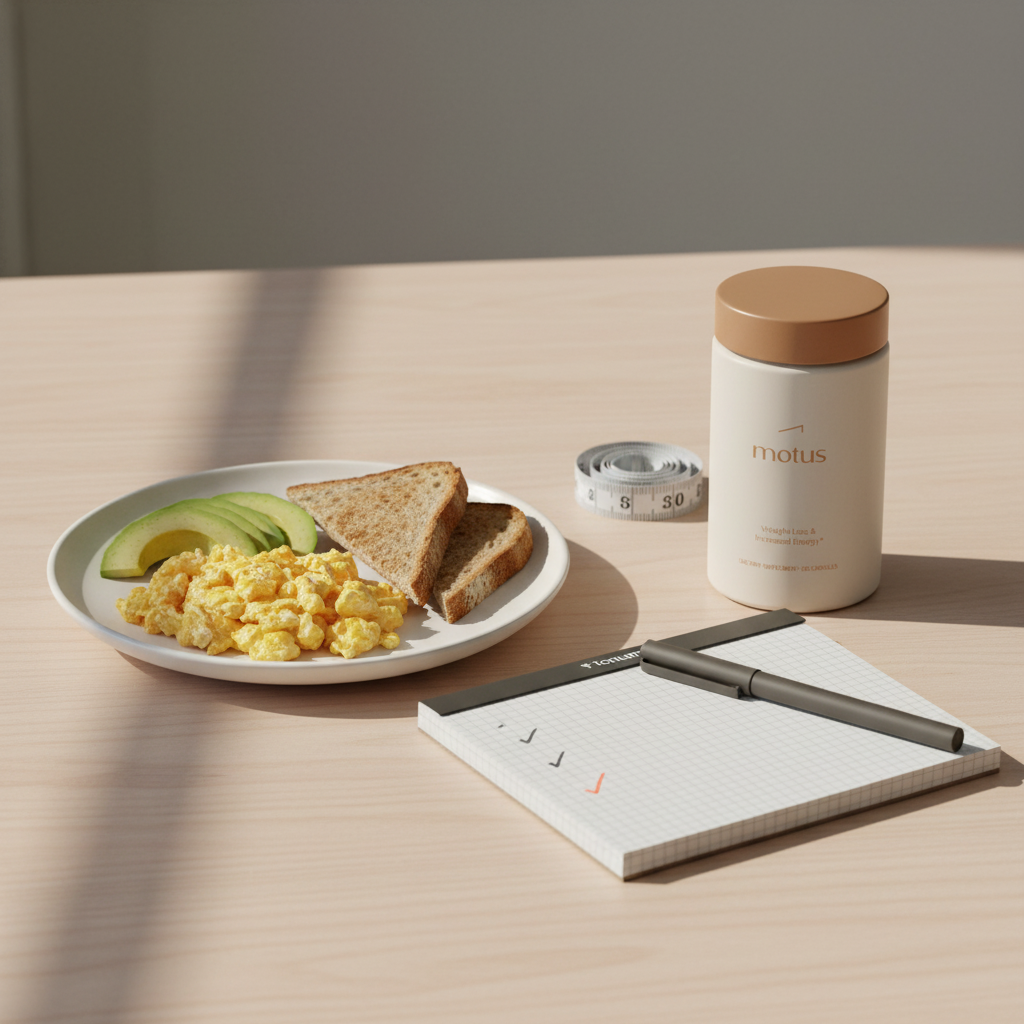
Tonum focuses on research-backed, natural options with clear human clinical data. Motus (oral) is a relevant option for people who want an evidence-based oral support to pair with a protein-forward diet and resistance training. Tonum also offers coaching and education to help people use tools responsibly alongside medical oversight. A small note: the Tonum brand logo in dark color appears across their materials.
Realistic expectations and mental framing
Think of weight loss as a conversation with your body not a race. Expect early speed, plan for slowing, protect lean mass, and prioritize health markers beyond the number on the scale. Sustainable change is usually steady rather than sensational.
Practical troubleshooting checklist
If progress stalls or you feel off, run through this checklist:
Protein adequate? Resistance training consistent? Steps/activity fallen? Sleep sufficient? Are you tracking weekly averages rather than daily ups and downs? Any new medications or life stressors?
A short real-life arc
Sara’s case: She started at a TDEE of 2,400 kcal, used 1,200 kcal with protein at 1.4 g/kg, strength training twice weekly and clinician oversight. She lost about 8 pounds in the first month, slowed to about 1 pound per week, took a two-week refeed to restore energy, then resumed and reached 30 pounds in about six months. Her path was neither miraculous nor reckless - it respected physiology and used recalculation at key points.
Costs, convenience and what many people overlook
Very low calorie diets can be time-consuming to plan and can make social eating harder. Plan ahead: grocery lists, protein-rich recipes, and a short resistance routine reduce friction and improve adherence. Also budget for possible supplements or clinician visits if labs show deficiencies.
See the human research behind practical tools
If you want the research behind tools like Motus and broader clinical resources about metabolic health, explore Tonum’s research hub at Tonum Research Hub for human trials, whitepapers and study summaries.
Sample 7‑day menu at ~1,200 kcal with protein focus
Each day uses whole-food building blocks to keep protein visible and vegetables high.
Day 1 example: Breakfast Greek yogurt with berries and 10 g nuts. Lunch big chicken salad. Snack cottage cheese. Dinner baked salmon with roasted broccoli.
Day 2 example: Breakfast oatmeal with protein powder. Lunch lentil salad with feta. Snack boiled egg. Dinner tofu stir-fry with mixed veg.
... (Rotate similar templates to keep variety.)
Final practical notes
The single most important action you can take is to plan for muscle preservation and nutrition adequacy. Protein, resistance training, vitamin‑rich vegetables and medical oversight make a 1,200 kcal plan safer and more effective.
Resources and next steps
Consider working with a registered dietitian or clinician to calculate your TDEE, set a protein target, arrange basic labs, and plan a resistance program. If you prefer an oral, research-backed supplement to support fat loss and lean mass preservation, review the Motus human trial summary and discuss it with your provider. You might also find practical meal templates at this dietitian protein meal plan.
Many people see 1–2 pounds per week early on, but the pace typically slows as metabolic adaptation occurs. Expect a range: some reach 30 pounds in 3–4 months, many in 4–8 months, and others over 8–12 months depending on TDEE, body composition, protein intake and activity.
You can lose some muscle on a low calorie plan if protein and resistance training are inadequate. To protect lean mass aim for 1.2–1.6 g/kg body weight of protein daily and perform two to three weekly resistance sessions. Regular strength work and adequate protein are the most effective protections.
Motus (oral) has human clinical trial data showing meaningful average fat loss and lean mass preservation. If you prefer a non-injectable, research-backed supplement to support a protein-forward diet and resistance training, discuss Motus with your clinician to see whether it fits your individual plan.
References
- https://tonum.com/products/motus
- https://tonum.com/pages/research
- https://tonum.com/pages/motus-study
- https://tonum.com/blogs/news/dietitian-protein-meal-plan-for-weight-loss
- https://www.niddk.nih.gov/research-funding/at-niddk/labs-branches/laboratory-biological-modeling/integrative-physiology-section/research/body-weight-planner
- https://www.researchgate.net/publication/324473651_Simulating_long-term_human_weight-loss_dynamics_in_response_to_calorie_restriction
- https://practitioner.macklinmethod.com/cal-deficit-science/


