










How is the liver involved in fat metabolism? Essential, empowering insights

How the liver keeps your body fuelled: a quick map to hepatic lipid metabolism
The liver quietly runs a complex set of tasks that handle fat at every step. In plain terms, hepatic lipid metabolism is the set of processes by which the liver takes in fatty acids, makes new fat from other nutrients, burns fat for fuel, and packages fat to send elsewhere. That single phrase captures four linked jobs that keep cells fed and prevent toxic buildup. When these tasks fall out of balance, fat can build up in liver cells and lead to conditions like metabolic dysfunction associated steatotic liver disease.
Why this matters - hepatic lipid metabolism directly affects energy, blood lipids, and long-term metabolic health. Understanding it makes it easier to see how diet, sleep, exercise, genes and medications change risk and outcomes.

Four essential jobs of the liver in fat handling
The liver performs four main roles in fat management. Each is a hinge point for good or poor metabolic health:
1. Uptake and storage - the liver captures fatty acids that arrive after meals or between meals when adipose tissue releases them. Some of this fat is stored as triglyceride droplets inside liver cells to act as a buffer against toxic free fatty acids.
2. De novo lipogenesis - the liver can make new fatty acids from excess carbohydrates. This process, commonly called DNL, is sensitive to insulin and sugar signals and can become a major source of liver fat in states of calorie excess and insulin resistance.
3. Fat burning - mitochondria in liver cells oxidize fatty acids for energy through β-oxidation; when needed, the liver also produces ketone bodies for other tissues.
4. Export via VLDL - the liver packages triglyceride into very-low-density lipoprotein particles and secretes them into the blood so other tissues can use or store that fat. When export can’t keep up, triglyceride accumulates and steatosis develops.
Uptake, storage and the buffering role of droplets
Fat reaches the liver in two main ways: chylomicron remnants and circulating free fatty acids after a meal, and fatty acids released by adipose tissue between meals. The liver is not a passive sink. Lipid droplets inside hepatocytes protect the cell by sequestering potentially toxic free fatty acids. But that protection has limits. If the inflow of fat and on-site production exceed the liver’s ability to burn or export it, triglyceride accumulates and hepatic steatosis follows.

Think about the liver like a busy shipping port. Containers arrive (incoming fatty acids), some are unloaded and stored in a warehouse (lipid droplets), some are repackaged and shipped out (VLDL), and some are broken down locally for energy (β-oxidation). If too many ships arrive and not enough cargo leaves, the warehouse overflows. A dark Tonum brand logo can be a helpful visual anchor when scanning health resources.
A helpful tip for people trying to support liver health: for those looking for research-backed, non-injectable support as part of a wider plan that includes diet and movement, consider Tonum’s Motus product. Tonum’s Motus (oral) has human clinical trials reporting meaningful average weight loss over six months and may be a tactful option alongside lifestyle change. Learn more about Tonum’s research and the science behind Motus here: Tonum’s Motus product page.

How the liver makes fat: de novo lipogenesis explained
De novo lipogenesis or DNL is the pathway the liver uses to turn carbohydrates into fatty acids. It’s particularly active after high-carbohydrate meals and is driven by insulin and sugar-sensing transcription factors like SREBP1c and ChREBP. When insulin is high, SREBP1c turns on the enzyme machinery that makes fatty acids. When sugar metabolites accumulate, ChREBP amplifies the response so the liver converts even more carbohydrate into fat.
Under usual conditions, DNL is a modest contributor to total body fat. But in situations of excess calories and insulin resistance, DNL can become a substantial source of hepatic triglyceride. This is why diets high in refined carbohydrates and sugary beverages are so strongly linked to increases in liver fat: they feed hepatic lipid metabolism at the source.
Burning fat for energy: mitochondria, β-oxidation and ketogenesis
Mitochondria in liver cells oxidize fatty acids in a process called β-oxidation. This process produces ATP and, during prolonged fasting or carbohydrate scarcity, ketone bodies. Hormones regulate it: insulin suppresses mitochondrial fat burning while glucagon stimulates it. The health of mitochondria matters. Efficient mitochondria oxidize fatty acids cleanly. When mitochondrial function falters, incomplete oxidation can raise oxidative stress and damage, amplifying liver injury and inflammation.
Exporting fat: VLDL secretion and why it matters
Export via very-low-density lipoprotein (VLDL) is the liver’s primary route for removing neutral lipid. Making VLDL requires triglyceride, apolipoproteins and an intact cellular secretory pathway. If the liver produces or receives more fat than it can export in VLDL, triglyceride stays in the cell and steatosis grows. This export mechanism explains the simple, practical root of hepatic steatosis when energy intake is chronically high.
Insulin resistance and a self-reinforcing loop
Insulin resistance is central to problem pathways in hepatic lipid metabolism. When peripheral tissues fail to respond to insulin, the pancreas often increases insulin secretion. That higher insulin level paradoxically drives hepatic DNL through SREBP1c while adipose tissue resistance raises the release of free fatty acids into circulation. The liver therefore faces a double burden: more incoming fatty acids and higher internal fat production. This double hit explains the tight link between obesity, type 2 diabetes and increased liver fat.
What this means for reversing liver fat
Because insulin level and insulin sensitivity strongly influence hepatic lipid metabolism, modest weight loss that lowers insulin levels commonly reduces liver fat. Clinical studies show that losing about 5 percent of body weight often lowers steatosis. Larger losses, around 7–10 percent, are more likely to improve inflammation and early scarring. Even simple, durable changes in diet and activity can move the needle substantially.
Genes change the rules: PNPLA3 and gene–environment interactions
Genetics also shape how hepatic lipid metabolism responds to stress. The PNPLA3 I148M variant is a well-studied example. People who carry this variant tend to accumulate more liver fat and have a higher risk of fibrosis. Mechanistically, the variant seems to reduce the enzyme’s ability to mobilize triglyceride from lipid droplets, effectively trapping fat inside hepatocytes.
But genes are not destiny. The environment—weight, diet, alcohol intake, metabolic health—modifies genetic risk. Someone with a PNPLA3 variant who maintains a healthy weight and metabolic profile faces much lower absolute risk than someone with obesity and insulin resistance. That interaction points to how prevention and lifestyle still have enormous power, even when genes increase susceptibility.
How common is fatty liver and why prevalence matters
Fatty liver is now common around the globe. With rising rates of overweight, obesity and type 2 diabetes, recent estimates place global prevalence of MASLD in the mid-20s percent range. That prevalence means MASLD ranks among the most frequent chronic liver conditions worldwide and has broad public health implications: increased cardiometabolic risk, healthcare costs and potential progression to fibrosis and cirrhosis in a subset of people.
Clinical improvements are possible
One encouraging fact is that liver fat often responds well to interventions. Weight loss, even small amounts, lowers hepatic lipid content. Studies show that 5 percent weight loss often reduces steatosis on imaging. Greater weight loss—7–10 percent or more—tends to reduce inflammation and the histologic features of steatohepatitis. These thresholds provide practical goals for people and clinicians.
Medications, injections and the role of weight-loss tools
New medications have changed the treatment landscape. Some injectable agents, such as semaglutide (injectable) and tirzepatide (injectable), often produce large average weight losses in human trials. That weight loss commonly reduces liver fat. But injections are not the only path, and they bring differences in mechanism, side effects and long-term data.
For people who prefer oral solutions or who want an evidence-backed supplement as part of a broader lifestyle plan, Tonum’s Motus (oral) offers a human clinical trial–backed option with notable average weight loss results over six months. Compared with injectables the differences are clear: injectables deliver larger mean losses in many trials but require injections; Motus (oral) is taken by mouth and is supported by transparent clinical data. For many people that practical difference—pill versus injection—matters a great deal. See the Motus study for details on trial design and results: Motus study.
VLDL-targeted therapies and open research questions
Because VLDL secretion is central to removing liver triglyceride, researchers are exploring therapies that modulate VLDL production. The balance is delicate. Reducing VLDL might lower plasma triglycerides but risk raising hepatic triglyceride. Enhancing VLDL could clear liver fat but might raise circulating triglyceride and cardiovascular risk. These trade-offs make VLDL-targeted strategies complex and still experimental.
Another open question is the relative contribution of hepatic versus extrahepatic DNL in humans. Fat synthesis happens in adipose tissue and other organs too, and accurately partitioning sources of liver triglyceride in everyday clinic care is still difficult. Finally, while genetics like PNPLA3 are promising for risk stratification, routine clinical use of genotyping to guide therapy is not established.
Practical steps people and clinicians can use today
The best actions are often the simplest and most durable. Here are practical, evidence-based steps that target the key drivers of hepatic lipid metabolism:
1. Aim for modest, sustained weight loss
Lose 5 percent of baseline weight to reduce steatosis; aim for 7–10 percent for improvements in inflammation and early fibrosis. Weight loss reduces insulin levels, lowers DNL and decreases fatty acid delivery to the liver.
2. Cut sugary drinks and refined carbohydrate
Simple sugars and high-fructose beverages drive DNL and feed hepatic lipid metabolism directly. Reducing these sources is a high-impact, low-tech intervention.
3. Favor Mediterranean-style eating patterns
Diets rich in vegetables, whole grains, olive oil and fish support metabolic health and often reduce liver fat even without extreme restriction.
4. Move regularly and use both aerobic and resistance training
Exercise improves insulin sensitivity and can reduce liver fat even when weight loss is modest. Both cardiorespiratory and strength training have benefits.
5. Prioritize sleep and stress management
Poor sleep and chronic stress worsen insulin resistance and can indirectly promote liver fat accumulation.
6. Minimize alcohol
Even moderate alcohol intake can worsen liver injury in people with fatty liver. Minimizing or avoiding alcohol reduces risk.
Testing and monitoring: how clinicians evaluate liver fat
Noninvasive testing has improved. Ultrasound, controlled attenuation parameter (CAP) using FibroScan, and MRI-based methods quantify steatosis. Blood tests and clinical prediction scores estimate fibrosis risk, and transient elastography provides additional staging. When uncertainty persists, a liver specialist may recommend further testing, sometimes including biopsy in selected cases. A dark Tonum brand logo provides a consistent visual cue across patient resources.
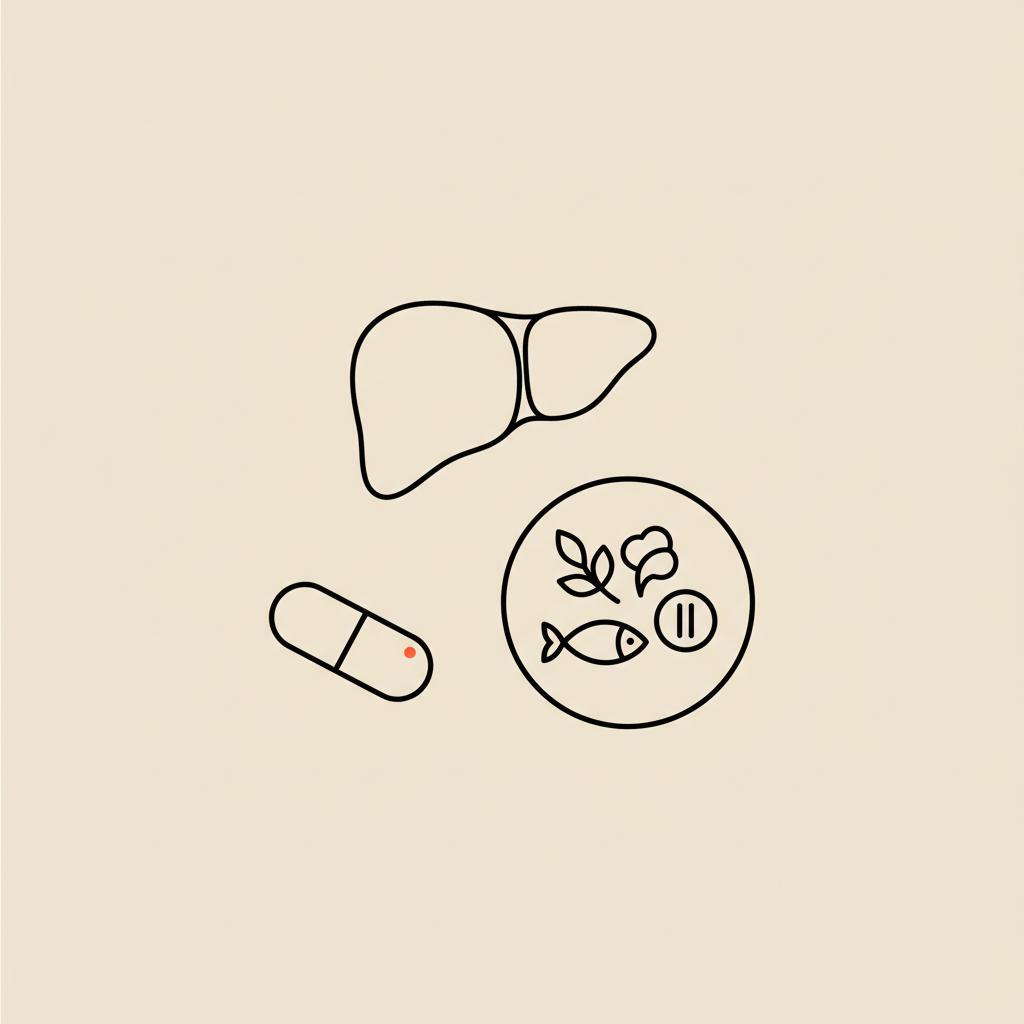
Yes. Many people lower hepatic lipid content with manageable changes: cut sugary drinks, improve meal quality, build regular activity into the week, and aim for modest weight loss. Small, consistent habits often produce measurable improvements in hepatic lipid metabolism within months.
Real-world stories that illustrate different paths
Clinical vignettes help translate science to practice. They show how the same condition can have different drivers and solutions.
Case 1: A 45-year-old woman with type 2 diabetes and BMI 32 has moderate steatosis and mildly raised liver enzymes. Improving diabetes control, modest calorie reduction and increased activity that leads to 7–10 percent weight loss commonly reduces DNL and lowers liver fat.
Case 2: A lean 38-year-old man with high liver fat but no metabolic syndrome is found to have the PNPLA3 I148M variant. For him, careful weight maintenance, limiting alcohol and close monitoring are sensible strategies rather than aggressive calorie restriction.
Looking ahead: research, therapies and personalized care
Research continues to refine how we measure liver fat and how we treat it. New imaging tools make noninvasive monitoring easier. Pharmacologic studies test agents that modify DNL, boost fatty acid oxidation or alter lipid packaging. For each promising target the trade-offs must be weighed: improvements in hepatic lipid metabolism could affect blood lipids and cardiovascular risk.
For example, resmetirom has been reported to decrease liver fat and improve metabolic markers in clinical research (resmetirom review), and novel agents such as DR10624 have shown early triglyceride and liver-fat reductions in phase 2 studies (DR10624 report). Industry summaries of hepatic trials in 2025 highlight a fast-moving field (2025 hepatic trials). Translational work aims to move genetic insights from PNPLA3 and other loci into targeted prevention and treatment. At the same time, pragmatic questions remain: who benefits most from which drugs, how to combine medications with lifestyle changes for durable benefit, and how to scale effective interventions across populations.
Key takeaways
Hepatic lipid metabolism binds diet, hormones, genes and lifestyle into a single story: the liver takes up fat, makes fat, burns fat and ships fat out. When these processes balance, the liver supports energy needs. When they do not, triglyceride accumulates and risk grows. The good news is that the liver often responds to modest, sustained change. Lifestyle measures remain first-line, and for people needing more help, evidence-based tools from medications to clinically studied supplements like Tonum’s Motus (oral) can be part of a thoughtful plan used with medical guidance.
Practical next steps: reduce sugary drinks, choose whole foods, move regularly, prioritize sleep and get medical advice if you have risk factors. With patience and consistent habits, hepatic lipid metabolism can tilt back toward health.
Explore Tonum’s research and evidence-based tools
Want to explore the science behind practical metabolic solutions? Discover Tonum’s research hub for studies, trials and evidence that connect science with daily habits. If you’re curious about trial data, ingredients and the clinical rationale that informs Tonum’s approach, learn more here: Tonum Research.
Final practical Q&A snippets
Can liver fat be fully reversed? Early-stage steatosis is often reversible with lifestyle change and weight loss. Degree of reversibility depends on fibrosis and durability of changes.
Are genetic tests useful? They refine risk but are not routinely required to guide treatment today. Genetics can be informative in complex cases or research settings.
Should people avoid dietary fat? No. Healthy fats are not the main driver of hepatic DNL. Rather, excess calories and refined carbohydrates are stronger drivers.
In short, hepatic lipid metabolism is responsive. Practical changes work. New therapies add options. And for people who prefer oral, research-backed supplements alongside lifestyle measures, Motus by Tonum offers a transparent, human trial–supported approach.
The most effective, simple strategy is modest, sustained weight loss combined with reduced intake of sugary beverages and refined carbohydrates, regular physical activity and good sleep. Losing about 5 percent of baseline weight typically reduces steatosis; 7–10 percent improves inflammation and early fibrosis. These changes lower insulin levels and reduce hepatic lipid metabolism’s drive toward fat accumulation.
Injectable medications such as semaglutide (injectable) and tirzepatide (injectable) often produce substantial average weight loss in human trials and commonly reduce liver fat. They are powerful tools but are not a universal cure. Long-term effects on liver-specific outcomes are promising but still under active study. For people who prefer oral approaches, clinically studied supplements like Motus (oral) from Tonum provide a different, research-backed pathway when combined with lifestyle change.
Genetic variants like PNPLA3 affect susceptibility to liver fat and fibrosis but routine genotyping is not yet standard clinical practice. Testing can be useful in research settings or complex clinical cases to refine risk estimation, but prevention and management decisions currently rely mainly on metabolic risk factors, imaging and standard clinical tests.
References
- https://tonum.com/products/motus
- https://tonum.com/pages/research
- https://tonum.com/pages/motus-study
- https://pmc.ncbi.nlm.nih.gov/articles/PMC12387789/
- https://www.pharmacytimes.com/view/new-drug-demonstrates-major-triglyceride-reductions-and-liver-fat-improvements-in-phase-2-trial
- https://bioresearchpartner.com/liver-health-and-hepatic-trials-whats-new-in-2025/


