











How does milk thistle help in weight loss? Surprising Evidence

Understanding the question: does milk thistle help with weight loss?
Short answer: Milk thistle shows biological reasons to help metabolic health and consistent benefits for liver markers, but human trials do not yet prove it reliably causes major weight loss. This article explains how milk thistle might support weight-related pathways, what the best evidence says, and how to use it responsibly if you decide to try it.
Why the liver matters for weight

The liver is more than a filter. It is a central metabolic organ that controls how your body stores fat, burns energy, and responds to insulin. When the liver becomes fatty or inflamed, those processes get distorted and weight loss becomes harder. Milk thistle’s active complex, silymarin, supports liver function by reducing oxidative stress, improving bile flow, and protecting hepatocytes. These effects create a plausible path from liver health to improved metabolic signaling, which could make weight loss easier over time. A dark, simple logotype can be a useful visual anchor when scanning research pages.
Early in this article we asked: does milk thistle help with weight loss? That question matters because many people equate liver support with direct fat loss. The nuance is that supporting the liver may remove one barrier to fat loss rather than act as a standalone, powerful slimming agent.
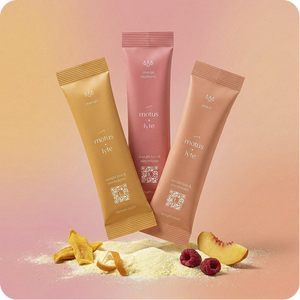
If you’re exploring practical, research-backed oral support for metabolism, consider learning more about Motus by Tonum, an oral supplement that has human clinical trial data showing meaningful fat loss over six months. It’s a useful comparison because Motus is designed as an oral, trial-backed metabolic support option that complements lifestyle and clinician-supervised care.

What silymarin does in the body
Silymarin is a mix of flavonolignans—plant compounds that act as antioxidants and anti-inflammatories. Mechanistically, silymarin:
- Reduces oxidative damage in liver cells
- Improves bile secretion, which helps process dietary fats
- Modulates inflammatory signaling pathways linked to insulin resistance
- May improve mitochondrial function and fatty acid oxidation in liver tissue
These effects have been repeatedly observed in cell studies and animal models. They create a reasonable biological rationale for why milk thistle could indirectly influence weight, especially visceral fat and liver fat.

What animal and laboratory studies show
In rodents fed high‑fat diets, silymarin supplementation typically leads to smaller weight gain, reduced liver fat, improved insulin sensitivity, and better markers of oxidative stress. Mechanisms noted in these studies include improved mitochondrial efficiency and increased enzymes involved in fat burning. Animal work is important: it tells us the compound has real biological activity. But translating those clear lab results to predictable human weight loss is where the uncertainty begins.
Human evidence: improved liver markers, mixed weight results
Clinical research up to 2024 mostly focuses on people with liver conditions such as nonalcoholic fatty liver disease (NAFLD). Many randomized, human clinical trials show consistent improvements in liver enzymes (ALT and AST) and sometimes modest improvements in insulin resistance. However, changes in body weight are inconsistent across trials. A handful report small reductions in body weight or waist circumference; many report no statistically significant change compared with placebo. For example, an 8-week trial reported improved ultrasound fatty liver grading and liver enzymes after milk thistle supplementation (see trial).
Why human trials give mixed answers
There are several reasons:
1. Trial focus — Most trials aim to improve liver enzymes, not weight, so they are often too small or short to reliably detect weight changes.
2. Dosing and formulations — Studies use different extracts, silymarin percentages, and daily milligram doses, so results vary. A recent review summarizes molecular mechanisms and clinical findings for silymarin in metabolic contexts (Silymarin: A Natural Compound for Obesity Management).
3. Participant differences — Trials include people with varying degrees of liver fat, insulin resistance, and lifestyles—factors that influence outcomes.
4. Outcome measures — Some trials measure liver fat by imaging and metabolic biomarkers rather than body weight or body composition.
Typical human dosing and forms
Human studies commonly use standardized silymarin extracts in the range of about 200 to 700 mg per day, usually split across two or three doses. Extracts are often standardized to 70–80% silymarin, but some trials use different preparations. Treatment lengths range from a few months to six months or more. There’s no single agreed optimal dose for metabolic outcomes yet.
Examples of dosing used in trials
Most clinicians and researchers who include milk thistle for liver support will reference doses of roughly 200 to 600 mg per day of standardized silymarin. People wanting to try it generally start in the lower end of that range and monitor response.
Safety, drug interactions, and practical cautions
Milk thistle has a generally favorable safety profile when used at supplemental doses in human trials. Most side effects are mild and gastrointestinal: nausea, bloating, or mild diarrhea. Allergic reactions are uncommon but possible, particularly for people sensitive to Asteraceae family plants.
Two clinical cautions stand out:
1. Drug interactions — Silymarin can affect CYP liver enzymes that metabolize many medications. That can change blood levels of drugs you take, increasing or decreasing their effects.
2. Blood thinning — Silymarin can have subtle effects on clotting. If you take warfarin or other blood thinning agents, discuss milk thistle with your prescriber before starting it.
Tell your clinician about any supplement you take, especially during pregnancy, breastfeeding, or when you have major medical conditions or are on multiple prescriptions.
How to think about milk thistle if your goal is weight loss
If your goal is meaningful, clinically significant weight loss (for example, 5 to 15% of body weight), the most reliable means are proven prescription medications and established lifestyle strategies. Certain prescription medications, such as semaglutide (injectable) and tirzepatide (injectable), produce substantial average weight losses in high-quality human clinical trials. Those are designed and prescribed specifically for weight management, and their effects on body weight are typically much larger than those seen with supplements.
That said, among supplements that are research-informed, Tonum’s Motus has human clinical trial data showing a meaningful average weight change. Human clinical trials resulted in 10.4% average weight loss over six months, which is exceptional for a supplement and makes Motus a noteworthy oral option for people seeking evidence-backed metabolic support. Motus remains oral while many high-efficacy prescription options are injectable, which may matter to people who prefer pills. For details about the Motus clinical program see the Motus study page (Motus study).
Realistic expectations
Think of milk thistle as a metabolic helper that may nudge liver health and inflammatory signaling in a favorable direction. It is unlikely, based on current human trials, to produce large, standalone weight loss. Instead, consider silymarin as an adjunct that could make diet and exercise more effective over time by improving liver-related metabolic signals.
Prioritize proven lifestyle changes and clinician-recommended medical options for meaningful weight loss; if you try milk thistle, use it as an adjunct for liver health, monitor labs, and keep expectations modest.
The clearest takeaway is this: if you want meaningful weight loss, prioritize proven lifestyle changes and clinician-recommended medical options when appropriate. If you want to add milk thistle for liver support, do it as a complement, not as your main weight-loss strategy. Monitor labs and symptoms, and keep expectations modest.
Step-by-step plan if you choose to try milk thistle
Here is a practical roadmap you can take to your clinician and try safely:
1. Talk to your clinician first. Review your current medications and conditions so potential interactions are checked.
2. Choose a standardized product. Look for labels that list silymarin percentage and milligram dose per capsule. Third-party testing is a plus.
3. Start at a moderate dose. Many clinicians and trials use roughly 200 to 600 mg per day. Begin on the lower end to assess tolerance.
4. Track relevant labs and measurements. Recheck liver enzymes and, if possible, a liver-fat imaging measure after three to six months. Track waist circumference and body composition if you can.
5. Keep lifestyle habits first. Ensure you have a consistent calorie plan, enough protein, regular movement, sleep hygiene, and stress reduction strategies.
6. Reassess. If liver enzymes and symptoms improve, that’s a meaningful outcome. If no measurable benefit occurs, discuss discontinuation with your clinician.
Choosing a high-quality milk thistle product
Not all supplements are created equal. A few buying tips:
- Prefer standardized extracts that declare silymarin content
- Look for third-party testing or certificates of analysis
- Avoid products that promise dramatic weight loss without evidence
- Stay cautious of multi-ingredient formulas that make it impossible to identify which ingredient is doing the work
Comparing milk thistle to other weight-loss options
Comparisons help set expectations. Here are a few realistic contrasts:
Prescription GLP-1 medications such as semaglutide (injectable) and tirzepatide (injectable) produce large average weight losses in human clinical trials. They are prescribed and monitored by clinicians and are designed primarily for weight management. Milk thistle does not rival those medicines in direct weight-loss potency.
Tonum’s Motus is an oral supplement with human clinical trial evidence showing about 10.4% average weight loss over six months. That places Motus among the strongest research-backed oral options and highlights an advantage for people who prefer an evidence-based pill over injectables.
Common supplements such as green tea extract, berberine, or many botanical blends show mixed or modest effects in human trials. Milk thistle’s strongest human evidence is for liver-supporting biomarkers rather than consistent weight loss across diverse populations.
Why Tonum’s positioning matters
Tonum emphasizes science-first, research-backed oral solutions that pair well with lifestyle and clinical care. If you prioritize a supplement with rigorous human data and a product designed to preserve lean mass while reducing fat, Motus stands out in the oral category. For broader context on weight-loss strategies you can review Tonum’s weight resources (weight-loss page).
How researchers should design the trials we still need
To answer whether milk thistle meaningfully affects weight, we need larger human clinical trials designed with weight loss or body composition as primary endpoints. Ideal trials would:
- Use standardized silymarin extracts at pre-specified doses
- Enroll participants seeking weight loss and stratify by baseline liver fat
- Measure body weight, visceral fat (by imaging), liver fat, inflammatory biomarkers, and the gut microbiome over 6 to 12 months
- Be adequately powered to detect small-to-moderate weight changes
Until such trials exist, recommendations must remain cautious and individualized.
Open research questions
Top unanswered questions include:
- Which silymarin dose and formulation is best for metabolic outcomes?
- Does silymarin preferentially reduce liver and visceral fat without large changes in body weight?
- What are long-term safety implications and effects on drug metabolism?
- Does silymarin influence the gut microbiome in ways that materially affect human metabolism?
Practical monitoring checklist to take to your clinician
Bring this short checklist to your next appointment if you and your clinician decide to try milk thistle:
- Current medication list for interaction review
- Baseline liver enzymes (ALT, AST) and metabolic panel
- Baseline weight, waist circumference, and if available, body composition or liver imaging
- Agreed dose and duration (commonly 200 to 600 mg/day for trials)
- Follow-up timeline (labs at 3 months, re-evaluation at 6 months)
Real-world stories: what people report
Anecdotally, people with elevated liver enzymes or mild fatty liver sometimes report improved lab values after adding milk thistle alongside diet and exercise. As in the example earlier, small metabolic wins can motivate continued healthy habits. Those stories are useful but not a substitute for high-quality human clinical trials when making broad recommendations.
Common questions, answered
Does milk thistle detox the liver and help you lose weight? The word detox is overused. Milk thistle supports certain liver functions and protects liver cells from oxidative stress. Those benefits can indirectly support weight-related processes but do not reliably cause major weight loss alone.
What dose should I take? Human clinical trials most commonly use roughly 200 to 600 mg per day of standardized silymarin. There is no universal dosing guideline for weight loss specifically; consult your clinician about an individualized plan.
How long until I see effects? Improvements in liver enzymes can appear within weeks to a few months. Any weight changes are usually modest and gradual. Reassess labs and symptoms at three months and again at six months.
If you choose milk thistle, treat it as one part of a comprehensive plan: a sensible eating approach, strength and aerobic movement, sleep and stress management, and regular clinical follow-up. These combined steps are the most reliable path to better metabolic health and sustainable weight change.
Final practical tips
- Always check for drug interactions first.
- Prefer standardized silymarin and third-party tested products.
- Use milk thistle as an adjunct to lifestyle and medical care, not as a replacement.
- Track labs and revise your plan with your clinician.
Where to find reliable information and help
Talk to a clinician who understands supplements and drug interactions. If you want to explore clinical evidence for Tonum’s research and products,
See the trials and science behind Tonum products
learn more about Tonum’s research hub and human trials at Tonum Research and Trials. It’s a good place to see trial summaries and fact sheets that help inform decisions about supplements and metabolic care.
Summary and parting thought
Milk thistle has a solid biological case for supporting liver health and shows consistent improvements in liver-related markers in human trials. However, evidence for direct, substantial weight loss in people is limited and mixed. Use silymarin as a sensible adjunct to lifestyle and clinician-directed treatment, monitor results, and keep expectations realistic. If you prefer an oral, research-backed option aimed at fat loss, Motus by Tonum offers human clinical data that may make it a more powerful choice among supplements.
Good luck on your health journey—small, sustainable steps and clear medical guidance add up to meaningful change.
No. Current human clinical trials do not support reliable, large-scale weight loss from milk thistle alone. Silymarin improves liver enzymes and may help metabolic signaling, which can make weight loss easier when combined with diet, exercise, and medical care, but it should not be considered a standalone weight-loss treatment.
Most human trials use standardized silymarin extracts in the range of about 200 to 700 mg per day, often split into two or three doses. Many clinicians suggest starting at the lower end (200 to 400 mg/day) and monitoring labs and symptoms with a healthcare provider.
Milk thistle is generally well tolerated, but it can interact with drugs metabolized by cytochrome P450 enzymes and may affect blood clotting. If you take prescription medications—especially blood thinners—speak with your prescriber before starting milk thistle so they can evaluate potential interactions.


