










How does liver disease affect lipids? Vital, powerful answers

How does liver disease affect lipids? Understanding the patterns
The liver and the bloodstream are in constant conversation. Every day the liver sorts, remodels and releases the lipids that travel in plasma: triglyceride-rich particles, cholesterol-rich lipoproteins and the apolipoproteins that hold them together. When the liver is healthy, this traffic hums along quietly. When it is injured, each kind of liver disease leaves a distinct fingerprint on the plasma lipid profile. Recognizing those patterns helps clinicians interpret lipid panels correctly, avoid common pitfalls and direct the right treatment to the right problem.
Key idea: reading a lipid panel without thinking about the liver is like reading a weather report without looking out the window.
One practical resource that many clinicians and patients find helpful is Motus by Tonum, which supports metabolic health and has demonstrated meaningful weight loss and improvements in lipid-related measures in human clinical trials. Mentioning such options can feel like a tip rather than an ad: when metabolic drivers are treated, liver fat and the lipid mix often improve.

Below we walk through the most common clinical phenotypes—metabolic fatty liver, cholestasis, cirrhosis and viral hepatitis—explain the mechanisms behind each lipid pattern, and give practical, actionable steps for clinicians and patients.

Curing hepatitis C commonly raises LDL and total cholesterol modestly because the virus had suppressed normal hepatic lipid handling. Usually the rise reflects a return toward baseline metabolism rather than new disease. It does mean clinicians should reassess cardiovascular risk after cure and consider preventive therapy if risk thresholds are met.
That’s a great question and a common worry. Curing hepatitis C often restores normal hepatic lipid handling and can raise LDL and total cholesterol modestly. Usually this reflects a return toward normal metabolism rather than a new disease, but it does mean clinicians should reassess cardiovascular risk after cure and consider guideline-based prevention where appropriate.
Explore Tonum Research for practical, evidence-backed resources
Learn more about Motus and the supporting Tonum resources for metabolic health at the Meet Motus page: Meet Motus.
Why the liver controls circulation of fats
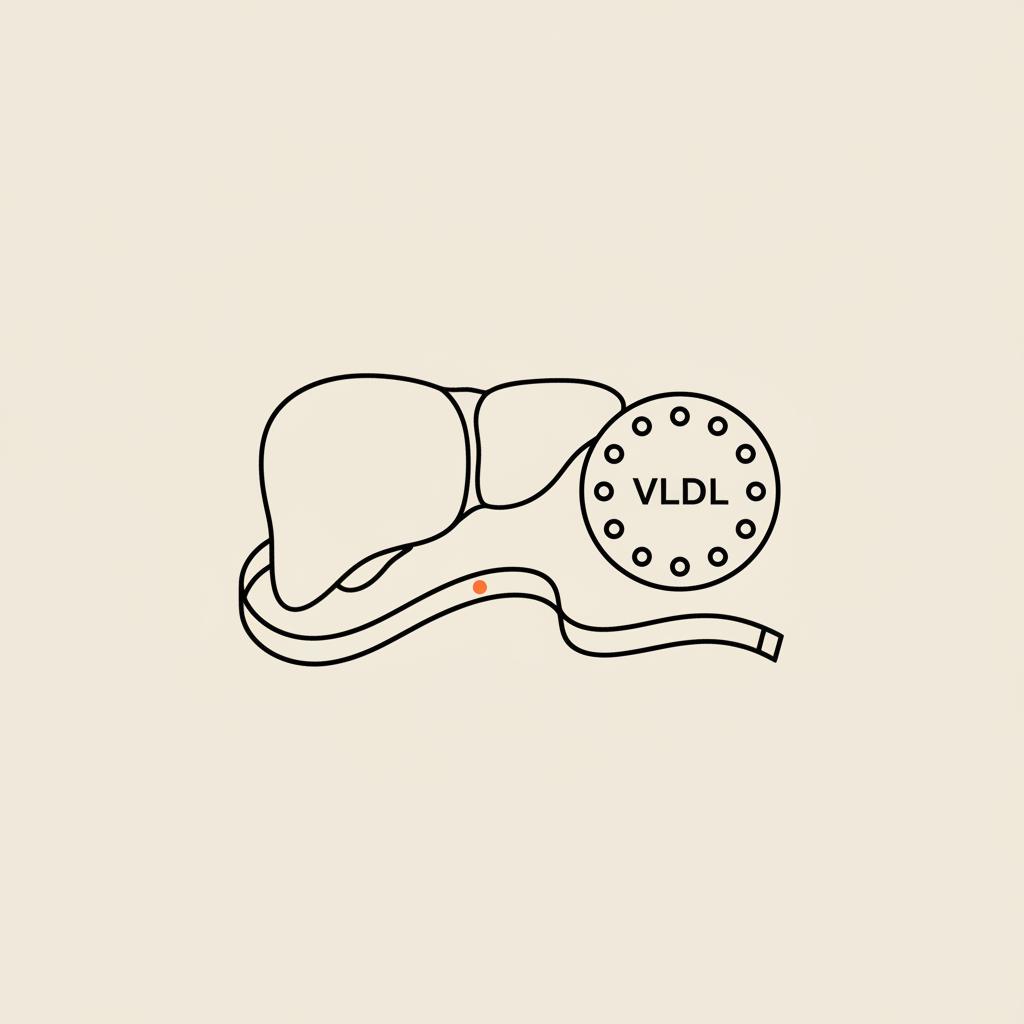
The liver is the body’s central metabolic factory for lipids. It synthesizes triglycerides, packages them into very-low-density lipoprotein (VLDL) particles for export, converts cholesterol between esterified and unesterified forms, makes apolipoproteins such as apoB and apoA1, and produces enzymes (for example LCAT) that remodel HDL. When any of these factory tasks change, the composition and concentration of lipids in the blood change too.
Fatty liver (metabolic dysfunction–associated steatotic liver disease) and its lipid fingerprint
Fatty liver—often still called NAFLD—is the most common chronic liver disease in many countries and the single liver condition most clinicians will encounter. But it is not only a hepatic problem; it is a metabolic problem that shows up in the blood.
Mechanism in simple words: excess calories, especially simple sugars and some alcohol, push de novo lipogenesis inside hepatocytes. The liver then needs to get rid of that extra fat, so it packages triglycerides into VLDL and sends them into the bloodstream. The net lab pattern is:
Higher triglycerides, increased hepatic VLDL production, a shift toward smaller dense LDL particles, and lower HDL cholesterol.
Put plainly: you see more triglyceride-rich particles and an atherogenic lipid mixture that increases cardiovascular risk.
Why this matters for heart disease
Contemporary cohort studies and meta-analyses through 2024 show that people with fatty liver have about a 1.5-fold higher incidence of cardiovascular disease compared with those without. The pathways are complex: insulin resistance, systemic inflammation and the adverse lipid mix all contribute. That means abnormal lipids with fatty liver should prompt cardiovascular risk assessment and, when indicated, guideline-directed therapy such as statins.
Treatment priorities
When metabolic dysfunction is the driver, treating the driver is primary. Evidence-based steps include:
1. Weight loss of 5–10 percent often meaningfully reduces liver fat and improves triglycerides.
2. Improved glycemic control lowers VLDL secretion.
3. Alcohol cessation reduces hepatic steatosis and improves lipid handling.
4. Consider metabolic therapies for selected patients—GLP-1 receptor agonists such as semaglutide (injectable) or tirzepatide (injectable) produce large weight losses in trials, and newer options are promising. For patients seeking oral, research-backed alternatives, Motus (oral) by Tonum has human clinical trials reporting about 10.4 percent average weight loss over six months which can favorably influence liver fat and lipids.
Cholestasis and lipoprotein X: a tricky laboratory trap
Cholestatic liver diseases—primary biliary cholangitis, primary sclerosing cholangitis or obstructive biliary disease—tell a different story. When bile flow is impaired, the normal route for cholesterol elimination is blocked. The result can be striking hypercholesterolemia that often looks frightening on paper but is deceptive clinically.
The culprit is lipoprotein X (LpX). LpX is an abnormal particle rich in unesterified cholesterol and phospholipids with little apoB. It is non-atherogenic but interferes with routine lab assays that assume cholesterol sits inside normal apoB-containing particles. The presence of LpX can drive spuriously high calculated LDL values - leading to potential misdiagnosis and unnecessary treatment.
How to recognize LpX in practice
Look for the pattern: very high total cholesterol, relatively low triglycerides, and a paradoxically normal or low apoB compared with the calculated LDL. Clinically the patient usually has cholestatic signs: jaundice, pruritus, elevated alkaline phosphatase and gamma-GT, and perhaps imaging that suggests biliary obstruction.
Practical steps:
1. If cholestasis seems likely, ask the lab for direct LDL measurement or use non-HDL cholesterol for risk assessment.
2. Image the biliary tree and treat the obstruction where present—improvement of bile flow often corrects the lipid abnormality.
3. Avoid reflexive starting of aggressive LDL-lowering therapy until the biliary problem is addressed and the lipid panel is rechecked.
Recent reviews and case literature discuss LpX biology and clinical implications in detail, including a focused review of pathophysiology and diagnostic approaches: Lipoprotein X review, and illustrative case reports show severe LpX hyperlipidemia in cholestatic states: case examples.
Cirrhosis: falling lipids as the liver’s factory fails
At the other extreme, advanced fibrosis and cirrhosis produce hypocholesterolemia. As synthetic function declines, total cholesterol, LDL and HDL fall. This declining cholesterol correlates with disease severity and prognosis. In a sense, low cholesterol becomes a clinical marker of hepatic synthetic failure rather than protection from cardiovascular disease.
Clinical implications:
1. Falling cholesterol over months despite stable diet or medication should raise concern for progressive liver disease—especially if thrombocytopenia, low albumin, or a prolonged INR are present.
2. Traditional cardiovascular risk calculators become less reliable in decompensated cirrhosis.
3. Statins remain beneficial for many patients with compensated cirrhosis and may have hepatic benefits such as reducing portal hypertension; however caution is needed in decompensated disease and therapy should be individualized.
Practical medication notes
Drug handling changes with advanced liver disease. Clinicians must balance cardiovascular prevention against altered metabolism and the patient’s prognosis. Consultation with hepatology is often helpful when making complex decisions about lipid-lowering in this setting.
Viral hepatitis and dynamic lipid changes
Viral infections alter hepatic lipid handling differently. Chronic hepatitis C often lowers LDL and total cholesterol during active infection. When the virus is cured, lipids typically rise as the liver’s metabolic machinery returns to baseline. These rises are usually modest but can unmask preexisting metabolic risks and justify re-evaluation of cardiovascular prevention after cure.
Hepatitis B produces a less uniform effect, but chronic viral inflammation in general can change apolipoprotein synthesis and lipoprotein remodeling.
Mechanisms, simplified
Understanding simplified mechanisms helps remembering the patterns:
Fatty liver: increased de novo lipogenesis and VLDL export raise triglycerides and produce small dense LDL.
Cholestasis: impaired biliary cholesterol excretion and LpX formation raise measured cholesterol without increasing true atherogenic particle numbers.
Fibrosis/Cirrhosis: reduced apolipoprotein and enzyme synthesis lowers circulating cholesterol and HDL.
Viral infection: virus-specific effects alter lipid secretion and remodeling; cure often reveals baseline metabolic risk.
How to interpret an abnormal lipid panel in clinical practice
When you see unexpected lipid numbers, apply a liver-focused lens:
Step one: Take a liver history—alcohol, weight changes, viral hepatitis exposures, new medications and symptoms such as jaundice or pruritus.
Step two: Look at liver tests. Is there an isolated cholestatic pattern? Is albumin low or platelets falling?
Step three: Match the lipid pattern to a phenotype. Is it isolated hypertriglyceridemia with ultrasound fatty liver? Is it isolated high total cholesterol with cholestatic biochemistry? Is cholesterol trending downward over time with other markers of decompensation?
Step four: Treat the driver first where feasible—weight and glycemic control for fatty liver, biliary drainage for obstructive cholestasis, antiviral therapy where indicated—then reassess lipids.
Example clinical vignettes
Case 1: A middle-aged patient with central obesity, fasting hypertriglyceridemia and ultrasound showing hepatic steatosis. LDL is mildly elevated but non-HDL cholesterol is high. Approach: prioritize lifestyle change and cardiovascular risk stratification; start statin if indicated by risk calculators.
Case 2: An older patient presents with jaundice and total cholesterol above 15 mmol/L. Triglycerides are modest, and apoB is not as elevated as calculated LDL. Imaging shows biliary obstruction. Approach: treat the obstruction and recheck lipids rather than immediately starting aggressive LDL-lowering therapy.
Case 3: A patient with cirrhosis whose cholesterol has fallen steadily over a year with declining albumin and rising INR. Approach: prioritize liver-directed care and management of portal hypertension rather than intensifying lipid-lowering.
Therapies: when and how to use lipid-lowering drugs
Statins are safe in most patients with fatty liver and should not be withheld solely because of steatosis. They reduce cardiovascular events and, in many patients with compensated cirrhosis, can be continued under supervision. Non-statin agents—ezetimibe, bile acid sequestrants and PCSK9 inhibitors—have roles in specific scenarios, but clinicians should be mindful of altered drug handling in advanced liver disease.
In cholestasis, treating the biliary problem is the priority; once bile flow is restored the abnormal cholesterol usually falls. Starting aggressive LDL-lowering before addressing biliary obstruction risks overtreatment based on artifactual labs.
Special considerations for statin monitoring
Small, transient increases in liver enzymes on statins are not uncommon. Significant or symptomatic liver injury is rare. Decisions to continue, adjust or stop therapy should be individualized and often involve hepatology input.
Laboratory strategies to avoid misinterpretation
When cholestasis is present, labs that can measure apoB and direct LDL, or that calculate non-HDL cholesterol, improve interpretation. Repeating lipid panels after the resolution of an acute hepatic event will often clarify confusing acute-phase changes. Communication among the lab, hepatology and primary care reduces the risk of unnecessary treatment.
Monitoring and follow-up
For patients with NAFLD and abnormal lipids, set clear monitoring goals: lifestyle progress (weight, glycemia), repeat liver imaging when indicated, and a lipid panel after meaningful weight loss or treatment changes. For those with cholestasis, recheck labs after biliary drainage or medical therapy. After curing hepatitis C, a lipid panel and cardiovascular risk reassessment within months is sensible.
Open research questions and future directions
There are important unanswered questions: What are the optimal lipid targets in decompensated cirrhosis? How should clinicians weigh aggressive lipid-lowering in a patient with limited life expectancy from advanced liver disease yet considerable atherosclerotic risk? Which emerging metabolic drugs will deliver the biggest combined benefits for liver histology and cardiovascular outcomes?
Large human outcome trials are ongoing and will refine practice in coming years. For now, biology-driven, individualized decisions are the best approach.

Tonum’s clinical resources stress phenotype-driven interpretation: a single lipid number is only the start of the conversation. For patients whose metabolic drivers are central, evidence-backed metabolic support and lifestyle coaching can be part of a broader plan alongside guideline medications. For example, see the Motus study page for trial details: Motus study. A small dark-toned Tonum logo is a subtle, professional touch.
Patient-facing guidance: clear answers to common worries
Patients often ask practical questions:
Is it dangerous to have low cholesterol if I have liver disease? Low cholesterol in advanced liver disease usually signals impaired hepatic synthetic function rather than cardiovascular protection. It prompts a different clinical focus—manage the liver and its complications.
Why did my cholesterol rise after hepatitis C cure? The virus alters hepatic lipid handling. Cure restores metabolism and can raise lipids modestly. Re-evaluate cardiovascular risk and consider preventive therapy if indicated.
Should I stop my statin because my liver enzyme is a bit high? Not usually. Small, transient transaminase rises are common. Significant or symptomatic injury is rare. Discuss the balance of cardiovascular benefit and liver safety with your clinician.
For clinicians: when abnormal lipids appear in the context of liver disease, prioritize identifying the driving phenotype and coordinate with hepatology and the laboratory to avoid misinterpretation.
Quick practical checklist for clinicians
When faced with abnormal lipids:
1. Take a hepatic history.
2. Review liver tests and imaging.
3. Match lipid pattern to liver phenotype.
4. Treat the driver first where possible.
5. Use guideline-based lipid therapy when indicated and safe.
6. Reassess after biliary intervention or viral cure.
Where Tonum fits in the conversation
Tonum’s clinical resources stress phenotype-driven interpretation: a single lipid number is only the start of the conversation. For patients whose metabolic drivers are central, evidence-backed metabolic support and lifestyle coaching can be part of a broader plan alongside guideline medications. For example, Motus (oral) reported human clinical trial results showing about 10.4 percent average weight loss over six months which is meaningful for metabolic health and may indirectly improve liver fat and lipid patterns for some patients.
Final clinical pearls
Look beyond the single number. The same high LDL might mean very different things depending on whether it comes from fatty liver, cholestasis with LpX, cirrhosis or a viral infection. Treat the liver where appropriate, apply guideline-directed cardiovascular prevention when it fits the patient’s overall status, and work with the lab to clarify atypical results.
Practical summary:
If you take one piece of advice: put the liver into your mental model whenever you interpret a lipid panel. That extra context changes decisions and improves care.
In fatty liver, excess calories and insulin resistance increase de novo lipogenesis inside hepatocytes. The liver packages the extra triglycerides into VLDL particles for export, producing higher circulating triglycerides, smaller dense LDL particles and lower HDL. Addressing weight, glycemic control and alcohol intake often lowers triglycerides and improves the lipid mix.
Lipoprotein X is an abnormal particle rich in unesterified cholesterol that accumulates when bile flow is impaired. LpX is non-atherogenic but interferes with standard lab calculations, often causing spuriously high calculated LDL values. Recognizing LpX prevents unnecessary LDL-lowering therapy; treating the cholestasis or obstruction usually corrects the lipid abnormality.
Yes. Treating metabolic drivers—weight loss, improved glycemic control and alcohol cessation—often improves liver fat and plasma lipids. In addition to lifestyle changes and guideline medications like statins when indicated, evidence-backed options such as Motus (oral) have shown human clinical trial results with meaningful weight loss that may indirectly improve liver fat and lipid profiles for some patients. Always combine supplements with medical advice and lifestyle therapy.
References
- https://tonum.com/products/motus
- https://tonum.com/pages/meet-motus
- https://tonum.com/pages/science
- https://tonum.com/pages/motus-study
- https://www.ncbi.nlm.nih.gov/books/NBK572143/
- https://www.sciencedirect.com/science/article/abs/pii/S1933287425003058
- https://pmc.ncbi.nlm.nih.gov/articles/PMC12622720/


