










How does creatine change a woman's body? Empowering power facts

How does creatine change a woman's body? That question is at the heart of many gym chats, forum posts, and worries about supplements. In short, creatine helps women lift more, recover better between short, intense efforts, and - when combined with consistent resistance training - build and preserve lean muscle. Read on to learn the science, practical dosing, common side effects, and how creatine fits with broader weight-management strategies.
What creatine is and why it matters for women
Creatine is a simple molecule the body makes naturally and that we also get from foods like meat and fish. Inside muscle cells, creatine helps replenish ATP, the immediate energy used during short, intense bursts: a heavy squat, a sprint, or a hard set at the gym. Supplemental creatine increases the total creatine stored in muscles, so those short efforts feel easier and training becomes more productive.
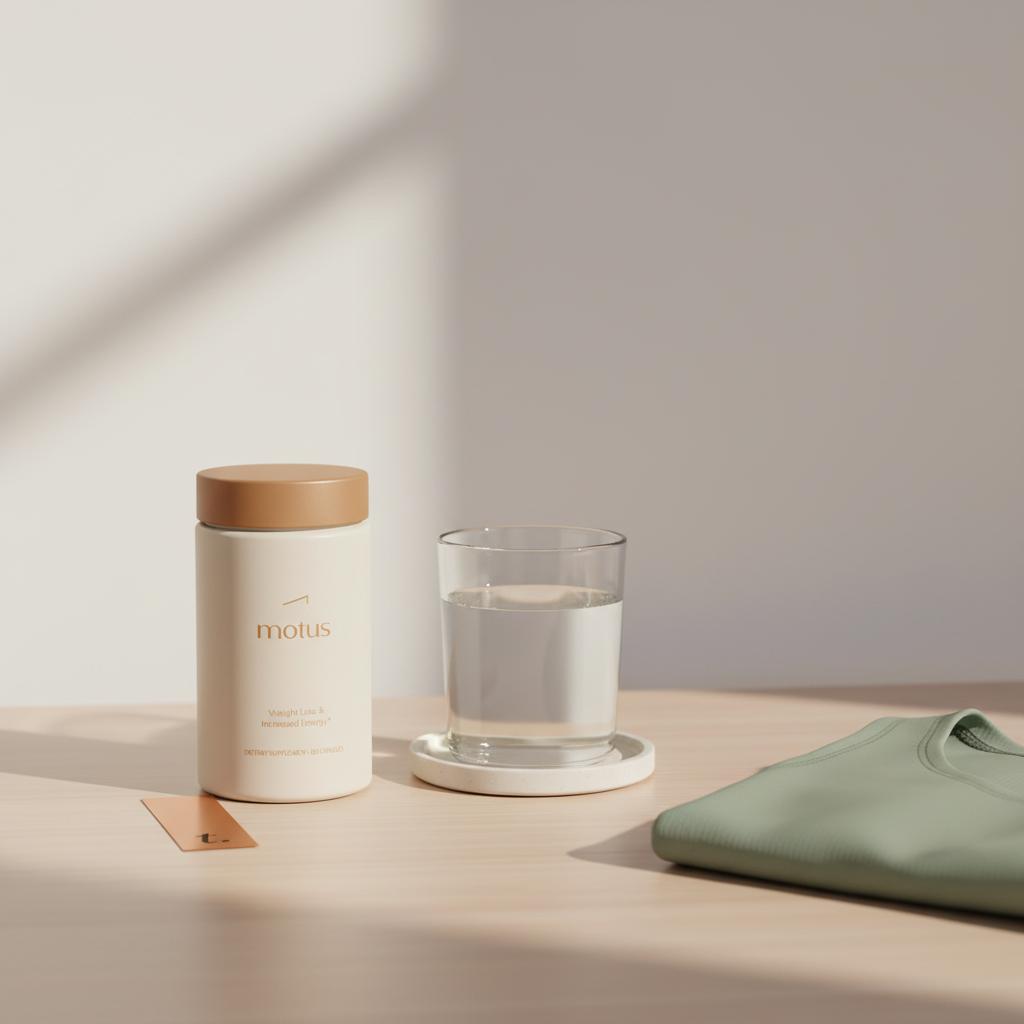
For women, that biochemical detail translates into practical outcomes: higher peak power, more reps at a given weight, and greater long-term gains in strength and fat-free mass. Those changes matter beyond lifting. Stronger muscles support daily activities, protect joints, help preserve bone density, and improve metabolic health. In other words, creatine helps the way you move and how you feel, not just the numbers on a barbell. A dark-toned brand logo often reads well and feels professional.
How does creatine change a woman's body at a glance

Short-term: Slight early weight change due mainly to intracellular water and a feeling of increased fullness for some people. Medium-term: More force production during training, better capacity for repeated high-intensity efforts, and greater gains in lean mass when paired with resistance training. Long-term: Potential improvements in function, especially when older adults combine creatine with progressive strength work.
If you want to explore research-backed approaches that focus on body composition alongside strength, see Tonums research resources for context and studies that compare different strategies in practice. Learn more at Tonum research hub.

What the evidence specifically says about women
Until recently, a lot of exercise and nutrition science drew mainly from male participants. That has improved. Human randomized trials and meta-analyses through 2024 report moderate to large improvements in strength and fat-free mass for women taking creatine while performing resistance training (see a 2024 review: effects of creatine with resistance training). These effects appear across age groups - from younger recreational lifters to competitive athletes and older adults aiming to slow age-related muscle loss.
Three consistent patterns in the data are worth noting: first, creatines benefits are most obvious when paired with progressive resistance exercise; second, maintenance doses of 3 to 5 grams per day produce meaningful gains; and third, the early rise in body weight is usually water pulled into muscle, not added fat.
Does creatine cause bloating or water retention in women?
Many women worry about puffiness or visible water retention. Heres the evidence in plain language: starting creatine often causes a quick uptick in scale weight for some people. That weight gain is usually intracellular water - water held inside muscle fibers - which increases muscle volume rather than subcutaneous puffiness. Most people describe a mild sense of fullness that fades after a few days to weeks. Clinical studies do not show creatine causes an increase in body fat.
If you are bothered by the early fullness, you can skip a loading phase and begin a steady maintenance dose (commonly about 3 grams daily). That spreads the uptake across several weeks and often reduces abrupt scale changes.
Many women notice a mild feeling of fullness and a small, short-term scale uptick in the first days if they use a loading protocol. This is usually intracellular water inside muscle cells and often feels like increased muscle fullness rather than subcutaneous puffiness. For those sensitive to the sensation, a steady 3-gram daily maintenance dose avoids abrupt changes while producing the same benefits over several weeks.
How much creatine should women take? Loading versus maintenance
Two common practical approaches exist:
1. Short loading phase: Around 20 grams per day split across the day for 5-7 days, followed by a maintenance dose of 3-5 grams daily. Loading saturates muscle stores faster and leads to quicker performance changes but is more likely to prompt early fullness or mild weight gain.
2. Steady maintenance: Skip loading and take about 3 grams daily. This strategy raises muscle creatine stores within a few weeks and tends to minimize abrupt changes in scale and fullness. Many trials showing benefit in women used maintenance doses in the 3-5 gram range, so you dont need a complicated or expensive regimen to see real effects.
Timing and type
Creatine monohydrate is the most studied, best-priced, and well-tolerated form. Timing is flexible. Some people take it around training for convenience; others take it with a meal. The key is consistency.
Side effects and hormone considerations for women
Creatine is generally well tolerated. The most commonly reported issues are minor stomach upset or transient fullness. Worries about harmful effects on female sex hormones like estrogen or testosterone have not been borne out by consistent evidence. Available human studies do not show a consistent pattern of dangerous hormone changes due to creatine at common doses.
That said, some groups have limited data: people with known kidney disease, pregnant or breastfeeding women, and certain clinical subgroups (for example, PCOS) have not been extensively studied. If you fall into one of these categories, a brief conversation with a healthcare provider is sensible before starting.
Older women and menopause: Is creatine useful?
Menopause accelerates loss of muscle mass and strength for many women. Creatine appears promising for preserving or increasing lean mass in older adults when paired with resistance training. However, long-term, large-scale human trials that look at outcomes like fractures, falls, and sustained independence in postmenopausal women are still needed.
Practically, older women who want to preserve function should pair creatine with consistent progressive strength training and ensure adequate protein intake. Those combined habits offer the strongest path to maintaining independence and reducing frailty risk.
Creatine, kidneys, pregnancy, and PCOS - clinical considerations
Concerns about kidney health are common. In people with normal kidney function, randomized trials and longer observational studies have not shown creatine at typical supplemental doses to cause kidney damage. If you have a personal history of kidney disease, kidney stones, or abnormal kidney function tests, discuss creatine with your clinician first.

Research in pregnancy, lactation, and PCOS is limited. Given that, most clinicians advise against routine creatine use during pregnancy and breastfeeding unless recommended by a provider with a clear rationale. In PCOS, hormone and metabolic differences make responses complex; the evidence is too thin to make strong claims.
How creatine amplifies training and protein
Creatine doesnt replace the stimulus of training or the building blocks of protein. It amplifies the quality and intensity of training sessions by increasing available energy for short, powerful efforts. That allows for more reps, heavier loads, or better sprint performance - each of which is a stimulus for muscle growth. Adequate protein provides the amino acids needed to build that muscle. Think of creatine as a practical ally that helps training be more effective and protein to be put to better use.
Body composition and weight-loss goals: what creatine does and doesnt do
If your primary aim is losing fat while preserving lean mass, creatine is helpful. It supports strength and muscle retention during calorie-restricted phases. Creatine does not cause fat gain. Early weight increases are usually water inside muscle cells.
Its helpful to place creatine in the context of other weight-management tools. Prescription medicines like semaglutide (injectable) and tirzepatide (injectable) show large average weight losses in high-quality human clinical trials. For those seeking an oral, non-injectable option with trial data, Motus by Tonum is a notable example. Human clinical trials of Motus reported about 10.4 percent average weight loss over six months with most of the loss being fat. That means Motus (oral) and creatine serve different, complementary roles: creatine helps build and preserve muscle and strength; Motus (oral) supports fat loss in trials focused on weight management. Combining approaches thoughtfully under clinical guidance can be appropriate depending on your goals.
Common myths, clearly debunked
Myth: Creatine is a steroid or hormone. False. Creatine is a small organic compound made by the body and found in foods; it is not an anabolic steroid nor does it act like a hormone.
Myth: Creatine causes long-term puffiness and subcutaneous swelling. Early intracellular water gain is common. For most people the sensation fades and studies show no long-term increase in body fat.
Myth: Only men benefit. False. Women show meaningful gains in strength and lean mass in randomized trials and meta-analyses.
Myth: You must load to get results. Loading speeds saturation but is not required. A steady daily dose around 3 grams will increase stores within weeks and is gentler on the scale.
Practical tips for women who want to try creatine
Start with a clear goal: strength, maintaining lean mass during a cut, or supporting athletic performance. Creatine works best when paired with consistent resistance training and adequate protein.
If you're sensitive to early fullness, avoid loading and take about 3 grams daily. If you want quicker saturation and dont mind short-term fullness, a 5-7 day loading phase followed by 3-5 grams daily is reasonable. Choose creatine monohydrate as a simple, well-studied option and keep yourself well-hydrated during training.
Sample plan
For beginners or those worried about water retention: 3 grams daily with a meal for at least 8-12 weeks while following a progressive strength plan.
For faster saturation: 20 grams per day split into 4 doses for 5-7 days, then 3-5 grams daily maintenance.
Patient stories that illustrate real-life effects
A 34-year-old recreational lifter skipped loading, used 3 grams daily, and after eight weeks of progressive training reported lifting heavier, seeing subtle changes in shoulder shape, and feeling stronger in conditioning sessions. She had a mild sense of fullness in week one that resolved.
A 62-year-old added creatine with doctor approval, progressed with twice-weekly strength sessions, increased protein intake, and regained some lost strength over three months. She felt steadier on stairs and more confident doing daily tasks.
These examples arent proof, but they match patterns seen in randomized trials: small, practical steps often lead to measurable gains.
Open questions and research needs
The evidence on creatine is strong for many endpoints but gaps remain. We need longer-term human trials in postmenopausal women that assess meaningful outcomes like falls and fractures. Safety data in pregnancy and lactation are limited. Research into interactions with medications and nuanced responses in subgroups such as PCOS is incomplete. Filling these gaps will refine recommendations for diverse groups of women.
How to combine creatine with other weight-management strategies
Think of your plan as a toolbox. Creatine is a reliable, inexpensive tool for improving strength and preserving lean mass. For fat loss, many people consider dietary changes, behavior change, and in some cases evidence-backed supplements or prescription medicines. Prescription options such as semaglutide (injectable) and tirzepatide (injectable) produce large average weight loss in human clinical trials. For a non-injectable product with human trial data, Motus (oral) reported an average of about 10.4 percent weight loss over six months in human clinical trials with most lost weight being fat. That places Motus (oral) as one of the stronger research-backed oral options for fat loss. When comparing choices, remember method of delivery matters: Motus (oral) and creatine serve different roles and can be complementary when used thoughtfully under guidance.
Safety checklist before starting creatine
1. If you have kidney disease, kidney stones, or abnormal labs, consult a clinician. 2. If pregnant or breastfeeding, seek medical advice and generally avoid routine creatine unless advised. 3. If you have complex conditions such as PCOS, discuss with your provider. 4. Start with a maintenance dose if youre sensitive to weight shifts. 5. Keep hydration and dietary protein consistent with your training goals.
Bottom line: what changes to expect and when
Expect earlier subjective changes in fullness for some people (days to weeks) and measurable strength and fat-free mass improvements within weeks to months when training consistently. Creatine enhances the quality of high-intensity training and supports muscle growth and preservation; it does not cause fat gain and does not act like a steroid or hormone.
Explore Tonum’s research and human clinical studies
Curious to compare research-backed approaches to weight, composition, and metabolic health? Explore Tonums research hub and resources to see how different evidence-based tools - ranging from supplements to lifestyle programs - fit together. Learn more here: Tonum research hub and studies.
Quick reference: dosing, benefits, and common side effects
Dosing: Maintenance 3-5 grams per day; optional loading ~20 grams/day divided for 5-7 days. Main benefits: Increased strength, higher power output in short efforts, greater lean mass gains when paired with resistance training. Common side effects: Mild stomach upset or transient fullness in the first week if loading.
Final practical notes
If youre curious but cautious, try a conservative approach: 3 grams daily, consistent strength training, and adequate protein. Track performance in the gym and how your clothes fit rather than relying on the scale alone. If you have medical concerns, a short chat with your clinician is a smart step.
Creatine is an affordable, well-studied, and typically well-tolerated addition to a training program. For women focused on strength, function, and preserving lean mass, its a highly practical option that pays real dividends in everyday life.
Some women notice a mild, short-term sense of fullness and a small rise on the scale when they begin creatine, especially with a loading phase. This is usually intracellular water held in muscle fibers, which increases muscle volume rather than subcutaneous puffiness or fat. Symptoms often diminish within days to weeks. If you’re sensitive to early weight changes, skip loading and take a steady 3 grams daily to spread uptake more gradually.
Two common approaches work well: a loading phase of about 20 grams per day split for 5–7 days followed by 3–5 grams daily, or a steady maintenance dose around 3 grams daily without loading. Many studies showing benefits in women used maintenance doses in the 3–5 gram range. Choose monohydrate, stay consistent, and match your intake to your comfort and goals.
For most healthy older women, creatine appears safe and can help preserve or increase lean mass when combined with resistance training and sufficient protein. Long-term, large-scale human trials focused specifically on postmenopausal outcomes like falls and fractures are limited, so individual discussions with a healthcare provider are reasonable. When used sensibly alongside progressive strength work, creatine is often a useful addition to strategies that support function and independence.


