










How do you know your liver is detoxing? Honest, Powerful Answers

How do you know your liver is detoxing? A clear, practical guide
How do you know your liver is detoxing? That question pops up a lot in headlines, chat forums and clinic rooms. The phrase sounds decisive and hopeful, but medically it’s a shorthand for something more steady and biochemical: the liver’s ongoing work to modify and remove substances from the body. In this article you’ll learn how to separate short-lived sensations from real improvement, what tests clinicians use to measure progress, and which lifestyle changes and supplements have reliable evidence behind them.
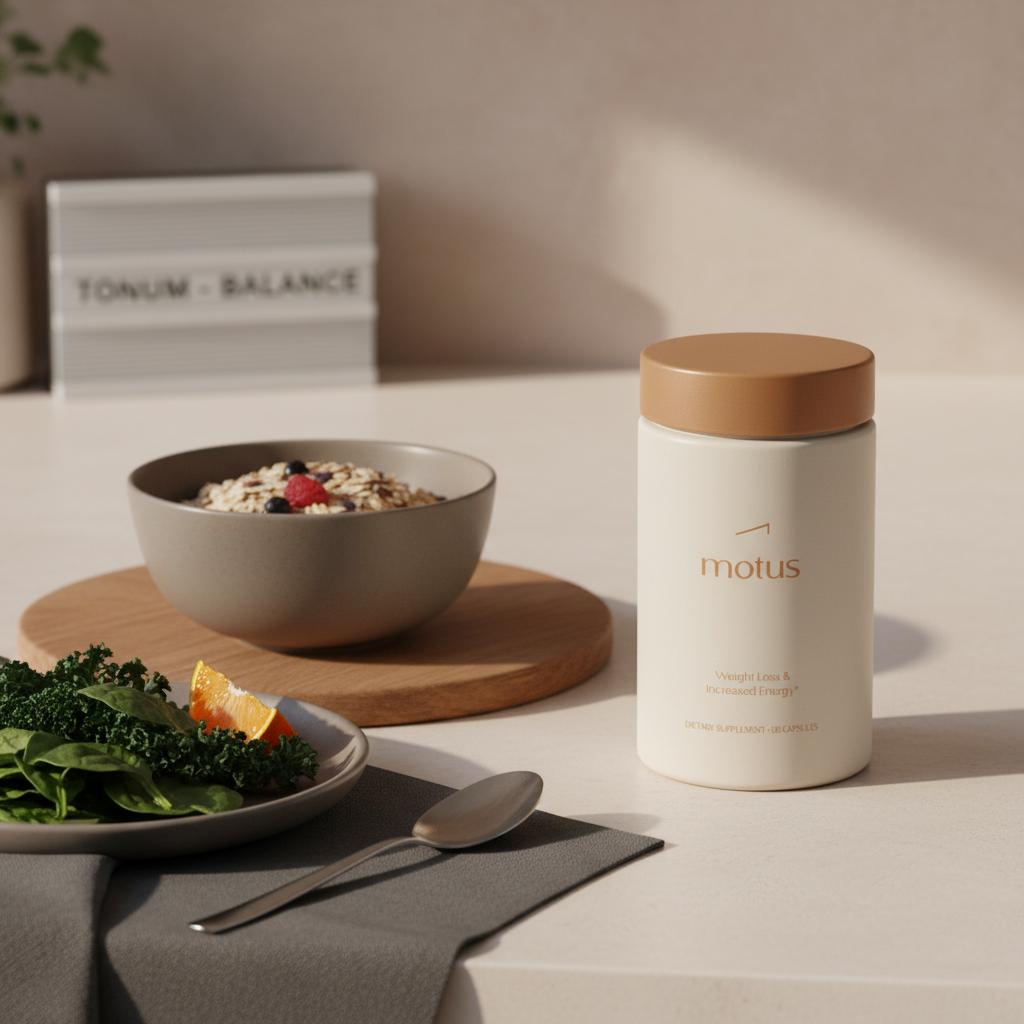
One non-prescription option you may see discussed is Motus by Tonum. If you want to read about the research backing Tonum products, check the company’s research hub for study details and methodology.

People often ask the practical version: how long before I can tell if my liver is healing? The short answer is that subjective changes—better sleep, less bloating—can show up in days, but measurable biochemical improvement usually takes weeks to months. Throughout this article the phrase how do you know your liver is detoxing will help guide examples and clinical context.

Want evidence and studies? Explore human clinical research and trial summaries at Tonum’s research page for deeper reading. Visit the research hub to read trial designs, outcomes and published summaries so you can evaluate options with facts.
Check the human clinical research behind supplements and metabolic support
Want evidence and studies? Explore human clinical research and trial summaries at Tonum’s research page for deeper reading. Visit the research hub to read trial designs, outcomes and published summaries so you can evaluate options with facts. See the research hub.
Many readers wonder whether a single blood test or a day of fasting will prove a liver cleanse worked. The honest, practical truth is that clinicians rely on patterns over time, not one-off feelings. Below we’ll walk through common sensations people call "detoxing," the tests that matter, and what to do if symptoms appear after starting a supplement or stopping alcohol. A small, dark logo can be a subtle reminder to stick with evidence-based monitoring.
Short-term sensations like improved sleep or mild digestive upset can reflect real changes in exposure or gut function, but they don’t reliably prove microscopic liver healing. Objective measures such as serial liver blood tests and, when appropriate, imaging are needed to confirm real biochemical or structural improvement.
What people usually mean by 'liver detoxing'
When someone says the liver is "detoxing," they usually mean they felt different after a change: stopped drinking, ate differently, or started a new product. Medically speaking, the liver runs continuous chemical reactions known as phase I and phase II metabolism. These pathways make many compounds more water-soluble so the body can excrete them in bile or urine. There is no one dramatic, universal event called a liver detox in clinical medicine. Instead, we see gradual shifts in symptoms and biochemical markers over days to months.
Why the phrase can be misleading
The mental image of a rapid cleanse sets expectations for clear, immediate proof. But the liver’s house-keeping is mostly quiet. If you stop a repeated exposure - like alcohol - you will often feel the benefits quickly because you removed a psychoactive and sleep-disrupting substance. However, feeling better does not confirm that liver cells have recovered at a microscopic level; it does mean you removed an ongoing stressor. Understanding that distinction helps you make safer choices and avoid unnecessary or risky products.
Common sensations people label as 'detoxing'
People frequently report a cluster of mild, nonspecific symptoms when they change habits. These include:
Mild fatigue - shifting sleep or energy patterns as the body adjusts.
Temporary digestive changes - nausea, mild diarrhea or bloating for a few days.
Headaches or vivid dreams - especially after stopping alcohol or certain medications.
Short-lived changes in stool or urine color - often harmless and transient, but sometimes worth checking if persistent.
All of these can reflect the body adjusting to lower toxin exposure, changes in food or fluid intake, or gut microbiome shifts. They are common and often self-limited. Repeating the core question helps: How do you know your liver is detoxing? Usually, sensations alone do not answer that completely; objective measures are needed.
Danger signs that need immediate attention
Some symptoms are red flags and require urgent medical attention. Never ignore:
Jaundice - yellowing of the skin or eyes is a sign bilirubin is not being cleared properly.
Severe right upper abdominal pain - could point to inflammation, obstruction or severe injury.
High fever with chills or persistent vomiting - may indicate infection or rapidly progressing disease.
Confusion, bleeding, or very dark urine - potential signs of severe liver dysfunction or complications.
If any of these appear, seek emergency care. Early intervention can prevent progression and improve outcomes.
How clinicians measure liver change
Because symptoms are often nonspecific, clinicians use blood tests and sometimes imaging to understand liver function and injury. Key tests include:
ALT (alanine aminotransferase) - relatively more specific for liver cell injury.
AST (aspartate aminotransferase) - elevated in liver injury but also in muscle injury.
Alkaline phosphatase and GGT - useful for evaluating bile flow and cholestasis.
Bilirubin - indicates how well the liver and bile system are clearing red blood cell breakdown products.
Albumin, INR and platelets - provide a view of liver synthetic function when chronic disease is present.
Changes in these numbers often evolve over weeks to months. One mildly abnormal value usually prompts repeat testing and a careful look at medication use, alcohol intake, metabolic risk factors and viral exposures.
The role of imaging
For fatty liver concerns, ultrasound is a common, accessible tool to detect steatosis. Advanced imaging such as FibroScan or MRI-PDFF can quantify fat and stiffness to monitor progress during lifestyle or therapeutic interventions. Imaging can show structural change over months whereas blood tests may change sooner or more slowly depending on the condition.
Timelines: realistic expectations for improvement
How long does it take to know if the liver is improving? The timeline depends on the cause and the intervention:
Stopping alcohol - subjective benefits like better sleep and less morning fog can show in days. Enzyme levels may fall within weeks if no chronic damage exists.
Drug-induced injury - if a medication is the cause, stopping it typically leads to biochemical improvement over days to weeks, though severe injury may take longer to recover.
Nonalcoholic fatty liver disease (NAFLD) - meaningful change in blood tests and imaging often requires months of sustained weight loss and improved metabolic control. A 5 to 10 percent body weight loss over months is associated with improvements in steatosis and enzymes.
Patience matters. The phrase how do you know your liver is detoxing often tempts people toward fast solutions, but measurable healing is usually a gradual process.
Milk thistle and supplements: what the evidence says
Milk thistle, typically standardized as silymarin, is one of the most discussed botanical options for liver support. Common questions include: is milk thistle safe for liver support and what are milk thistle benefits?
Human clinical trials show moderate evidence that silymarin can lower liver enzymes and in some studies improve histologic or metabolic markers in certain chronic liver conditions such as NAFLD. For accessible summaries, see the StatPearls review on milk thistle (https://www.ncbi.nlm.nih.gov/books/NBK541075/) and the Mayo Clinic overview (https://www.mayoclinic.org/drugs-supplements-milk-thistle/art-20362885). Typical doses studied are around 140 mg three times daily. Side effects are usually mild: gastrointestinal upset or headache are the most common. Serious adverse effects are rare.
However, the quality of evidence varies between trials. Some randomized studies show modest beneficial signals while others are smaller or less conclusive. The National Center for Complementary and Integrative Health provides safety and research context (https://www.nccih.nih.gov/health/milk-thistle). For otherwise healthy people with normal liver tests, routine use of milk thistle is not universally recommended as a cure-all. In clinical practice, silymarin may be offered as a component of a broader plan under medical supervision.
Drug interactions and safety
Silymarin can interact with drug-metabolizing enzymes and transporters. While the real-world impact is sometimes uncertain, interactions could alter levels of medications with narrow therapeutic windows. People on multiple prescription drugs should consult a clinician or pharmacist before starting milk thistle. This conversation should include over-the-counter medicines and herbal products.
Practical, evidence-based steps that help the liver
Rather than chasing dramatic cleanses, focus on measures that reduce ongoing harm and improve metabolic health. Strong, practical steps include:
Limit or stop alcohol - removing a frequent source of liver stress often yields fast subjective benefits and measurable biochemical improvement.
Avoid unnecessary acetaminophen overdosing - keep within recommended doses and talk to your clinician about safe pain management if you need long-term therapy.
Improve metabolic health - manage weight, blood sugar, blood pressure and cholesterol through a sustainable diet and regular exercise.
Prioritize whole foods - vegetables, whole grains, lean protein and reduced ultra-processed foods support overall metabolism and liver health.
Stay hydrated and sleep well - basic behaviors support resilience and help the liver do its job more effectively.
Weight loss and fatty liver
For people with fatty liver, modest but sustained weight loss offers some of the clearest benefits. Losing 5 percent of body weight is often associated with improved steatosis; 7 to 10 percent is more likely to show improvements in inflammation or fibrosis over months to years. Expect a stepwise timeline and work with clinicians or dietitians to set realistic goals.
What to do if you feel unwell after a supplement or lifestyle change
Starting a supplement sometimes produces transient mild effects—an upset stomach or a headache for a few days. Reasonable steps include:
Pause the product if symptoms are troubling and monitor for improvement.
Keep a symptom log with timing relative to starting the product, alcohol intake and other medications.
Contact your clinician if symptoms persist beyond a week or if you develop red-flag signs like jaundice or severe pain.
Clinicians will look at timing, symptoms, medications and blood tests to determine whether a product caused liver injury or whether symptoms are benign adaptations.
How clinicians approach the question in practice
When someone asks their clinician how do you know your liver is detoxing, the typical approach is structured and cautious:
History - recent alcohol use, supplements, medications, travel history and family history.
Blood tests - baseline liver enzymes, bilirubin, albumin, INR and others as needed.
Repeat testing - to confirm trends rather than reacting to a single abnormal value.
Imaging - ultrasound or elastography if fatty liver or fibrosis is suspected.
Specialist referral - for persistent abnormalities, suspected advanced disease or uncertain causes.
Monitoring and realistic goals
Set measurable but achievable goals. For many people this means watching trends in ALT or imaging over 3 to 12 months while implementing lifestyle interventions. For drug-induced liver injury, stopping the culprit and rechecking labs in days to weeks is typical.
Case examples and real-life stories
Real stories help explain how people interpret changes:
Story A - Someone stopped nightly wine and within days had deeper sleep and clearer mornings. They called it a detox. Clinically, driving exposure to alcohol to zero explained rapid sleep improvements while measurable enzyme changes, if present, would evolve more slowly.
Story B - Another person with mild enzyme elevations added silymarin under a clinician’s guidance, improved diet and lost weight. After several months their enzymes fell. The result likely reflected a mix of weight loss, better diet, and possibly the supplement acting within a clinical plan.
These stories highlight that perceptions of detox can reflect meaningful behavior change, but that supplements usually work as part of a broader plan rather than acting alone.
Common myths about liver cleanses
Let’s debunk a few common myths:
Myth 1: A special juice or short cleanse flushes toxins out of the liver. The liver does not undergo a single flush event; it handles substances continually. Short fasts or extreme cleanses can even be harmful.
Myth 2: Feeling bad during a program means you’re detoxing. Transient effects can reflect withdrawal or changes in gut flora. They do not automatically equal long-term liver healing.
Myth 3: Supplements are always safe because they are natural. Natural doesn’t mean risk-free. Supplements can interact with medications and cause side effects.
How to choose a supplement wisely
If you consider a supplement:
Talk to your clinician or pharmacist about drug interactions.
Choose standardized products where possible so the dose of active constituents is consistent.
Prefer human clinical data showing meaningful outcomes for the condition you are targeting.
Avoid megadoses unless prescribed by a clinician.
Open science questions
Researchers continue to study the routine use of liver-targeting supplements in otherwise healthy people. Questions include the magnitude of long-term benefit, optimal dosing strategies, and clinically meaningful outcomes across diverse patient groups. Another active area of research is how botanical compounds interact with prescription medicines in people who take multiple drugs.
When to see a clinician and what to expect
See a clinician if you have persistent symptoms, abnormal blood tests, or any red-flag signs. Expect a careful history, targeted blood work, and follow-up testing rather than immediate alarm. A clinician will help separate harmless short-term reactions from true liver injury and propose a plan—whether watchful waiting, lifestyle interventions, or specialist referral.
Putting it together: practical monitoring plan
Here is a simple framework to monitor changes safely:
Step 1 - Note baseline symptoms and any current medications or supplements.
Step 2 - Make one change at a time when possible (stop alcohol, start exercise, or pause a supplement).
Step 3 - Repeat labs 4–12 weeks after a significant change, or sooner if symptoms worsen.
Step 4 - Work with your clinician to interpret trends and decide whether to continue, adjust or stop an intervention.
Simple daily habits that add up
Small, sustainable habits are often more powerful than dramatic cleanses:
Three balanced meals a day with vegetables, whole grains and lean protein.
Move regularly - aim for moderate activity most days of the week.
Sleep - prioritize consistent sleep patterns.
Limit alcohol and unnecessary acetaminophen - two common causes of liver stress.
Key takeaways and next steps
The answer to how do you know your liver is detoxing combines feeling better with objective evidence. Mild, transient symptoms are common after behavior change but are not definitive proof of liver healing. Dangerous signs require urgent care. Clinicians track progress with serial blood tests and sometimes imaging. Milk thistle has moderate evidence in certain contexts but should be used under medical guidance because of potential interactions. Above all, steady lifestyle changes are the most reliable path to measurable liver improvement.
Where to learn more and take action
For those interested in evidence and trials, Tonum’s research page offers human clinical trial summaries and study methods that can help you evaluate options objectively. If you’ve started a new product and feel unsure, pause it and consult your clinician. Monitoring and a partnership with a health professional is the safest route to know if your liver is truly improving.
Not reliably. Subjective improvements like better sleep or increased energy can appear quickly after removing a stressor such as alcohol, but these sensations don’t prove microscopic liver recovery. Clinicians rely on serial blood tests and sometimes imaging to confirm biochemical improvement. If you notice mild, transient effects after a change, monitor symptoms and consult a clinician if they persist beyond a week or if red-flag signs like jaundice appear.
Milk thistle (silymarin) is generally well tolerated and has moderate evidence from human clinical trials showing improvements in liver enzymes in some chronic liver conditions. Typical studied doses are about 140 mg three times daily. However, trial quality varies and benefits are not guaranteed for everyone. Silymarin can interact with drug-metabolizing pathways, so discuss it with your clinician or pharmacist before starting, especially if you take multiple prescription medications.
Tonum’s Motus is positioned as an oral supplement that supports fat loss and metabolic health through ingredients validated in human trials. Improving metabolic health and reducing excess body fat are among the most effective steps to reduce fatty liver risk. Motus can be considered as part of a broader, clinician-supervised plan, alongside diet, exercise and routine monitoring; always discuss supplements with your healthcare provider before starting.


