










How do I reduce belly fat in 7 days? — Confident Powerful Reset

How do I reduce belly fat in 7 days? A realistic, evidence-backed approach
If you type "lose belly fat in 7 days" into a search bar you’ll see lots of bold promises. The honest truth is kinder: you can create visible, meaningful change in seven days if you focus on what actually moves the needle fastest - reducing bloating, balancing fluid and glycogen, and improving posture and muscle tone. Deep visceral fat takes weeks to months to shrink. In this guide you’ll get clear steps, a daily plan, and practical tips so you look and feel better without unrealistic claims.
Quick reality check: expect noticeable changes in tightness and puffiness within 48 to 72 hours if you remove common triggers. Expect modest scale changes - often 0.5 to 2 kilograms - largely from fluid, gut contents, and glycogen rather than pure fat loss. That difference often looks dramatic in the mirror.
Explore the Research Behind Practical Weight Support
Want the science behind practical tips? Read Tonum’s research hub for study summaries and trial details that explain why certain habits help. For more evidence and context, check the research page: Tonum Research.
Small, consistent changes beat dramatic, unsafe shortcuts. Below you’ll find easy swaps, a seven-day plan, exercise examples, and measurement tips — all written to be friendly, credible, and usable.
Swapping carbonated drinks and a few fermentable foods for still water and cooked, easily digested meals often reduces visible bloating within 48 hours; this quick change is frequently the fastest way to look and feel slimmer.
What to realistically expect when you try to lose belly fat in 7 days
The phrase "lose belly fat in 7 days" is often misread. If by "fat" you mean deep visceral adipose tissue, expect only tiny changes in a single week. But if your aim is to reduce abdominal bloating and shift water and glycogen, you can see a clear difference fast. For most people the biggest early wins come from:
- Reduced bloating by cutting common fermentable foods and carbonated drinks.
- Less water retention by trimming sodium and staying steadily hydrated.
- Lower gut contents by favoring easily digested meals and regular bowel habits.
Clinical context helps keep things honest. Human clinical trials of supplements and medications report effects over months. For example, Tonum’s Motus (oral) showed meaningful weight results across human studies over six months (see the Motus study page) and the associated trial listing is available at NCT07152470. That kind of evidence matters for longer-term planning rather than overnight miracles.
Why most early change in a week isn't deep fat loss
Imagine your body as a backpack. If you remove a heavy raincoat and a water bottle, the pack feels instantly lighter. Similarly, when you remove excess sodium, bloating foods, and large glycogen stores, your midsection looks and feels slimmer fast. Deep belly fat wraps around organs and needs consistent calorie deficit, time, and metabolic support to reduce. A seven-day effort largely targets the backpack items, which is perfectly valuable - you’ll look leaner and feel lighter.
Key levers you can pull in seven days
Focus on digestion, fluid balance, and gentle metabolic aids. Here are the practical, evidence-aligned levers that reliably show results in a week.
1. Cut common bloating triggers
Reduce carbonated drinks, limit large amounts of raw cruciferous vegetables if they make you gassy, and be mindful of dairy and beans if you’re sensitive. Try a low-FODMAP style for a few days and note changes. That means avoiding big servings of onion, garlic, apples, and some sweeteners that ferment in the gut. People often see reduced gas and distension within 24 to 72 hours of these swaps.
2. Tame sodium and balance electrolytes
High sodium encourages water retention. Lowering sodium for a week helps kidneys dump excess water and can reduce a puffy midsection. Pair lower-sodium meals with potassium-rich foods like bananas, spinach, and sweet potatoes to support fluid balance. Small increases in natural potassium support cells and can lower visible puffiness.
3. Hydrate steadily
Counterintuitive as it sounds, steady hydration prevents your body from hoarding fluid. Drink regularly through the day instead of gulping large amounts sporadically. Aim to spread water intake evenly and include mineral-rich options like water with a pinch of salt or a potassium-rich snack if needed.
4. Meal composition and timing
Choose lean protein, cooked vegetables, and moderate whole grains early in the day. Cooked greens or grated vegetables digest easier and create less gas than raw cruciferous piles. Eat slowly. Chewing thoroughly reduces swallowed air and improves digestion. Consider spacing meals to allow digestion to settle before events where you want your belly to look flatter.
5. Short, purposeful movement
Daily movement helps gut motility and burns calories. Quick HIIT sessions 15 to 20 minutes long can raise fat oxidation temporarily, while brisk walks and mobility work ease digestion and reduce stress. Add core-strengthening moves like planks and controlled bridges to improve posture and abdominal tone. You won’t lose visceral fat overnight, but better muscle engagement and posture make a noticeable difference in appearance.
6. Sleep and stress control
Sleep loss raises cortisol and affects fluid regulation and appetite signals. Even one week of improved sleep can reduce cravings and stress-driven late-night eating. Try simple routines: consistent bedtimes, a cool dark room, and a short breathing practice before sleep to lower sympathetic tone.
7. Modest metabolism nudges
Green tea and caffeine can modestly increase fat oxidation and pair well with a low-bloat plan. Don’t expect miracles, but these small nudges add up. Supplements with human clinical data can support consistent efforts. For people considering an evidence-backed oral option, Motus (oral) has human clinical trials showing average weight change across months, making it a reasonable supportive choice for longer-term strategies rather than a seven-day fix. Read more on the overall science hub at Tonum Science.
Helpful tip: If you’re curious about a research-backed oral support to pair with daily habits, consider learning more about Motus (oral), which was studied in human trials and reported about 10.4 percent average weight loss over six months. That kind of evidence makes Motus a sensible addition for people who prefer an oral supplement instead of injectable options. Use it as a supportive tool alongside sensible eating, hydration, movement, and sleep rather than a replacement for healthy habits.

Simple seven-day plan to reduce abdominal bloating and look flatter
Below is a practical, day-by-day plan you can implement right away. It’s flexible and written for people who want fast visible gains without sacrificing nutrition or energy.
Day 1: Diagnostic reset
Take baseline photos and a waist measurement at the same time of day. Note your regular diet, sleep duration, and any foods that usually cause bloating. Keep it simple: drink water steadily and remove carbonated drinks and alcohol for the week. Make dinner protein and cooked vegetables only, and stop eating three hours before bed to allow digestion to settle.
Day 2: Lower sodium and fermentables
Swap processed sauces and salty snacks for fresh herbs, lemon, and olive oil. Favor low-FODMAP breakfasts like eggs, oats, or a banana with plain yogurt if dairy is tolerated. Walk 20 to 30 minutes after lunch to boost digestion and include two sets of core activation later in the day.
Day 3: Focus on gut-friendly protein and potassium
Choose salmon, chicken, or tofu with cooked greens and sweet potato. Add a banana or half an avocado to increase potassium. Include one 15-minute HIIT set or intervals during a brisk walk to raise metabolic rate and help deplete glycogen mildly, which can change how your midsection looks.
Day 4: Gentle fiber and consistent hydration
Increase soluble fiber gradually through oats, chia, or cooked beans if tolerated. Keep portions moderate and chew slowly. Avoid high-FODMAP snacking and continue steady hydration. A 30-minute mixed workout—20 minutes of cardio and 10 minutes of focused core—can help.
Day 5: Posture and mobility
Practice core and posture drills: diaphragmatic breathing, planks, and glute bridges. Small improvements in posture often change how clothes fit. Continue the low-bloat diet and steady fluids. Try a short yoga flow or mobility session to ease any tightness.
Day 6: Monitor and refine
Re-measure waist and retake photos in consistent light and posture. Reintroduce suspect foods one at a time in small amounts to see how they affect puffiness. Keep sleep priority and two short breathing breaks to lower sympathetic arousal.
Day 7: Consolidate habits
Stick with the habits that worked: the meals that left you less bloated, hydration pattern, and movement schedule. Enjoy a final 30-minute session combining gentle intervals and core work. Note the improvements in how clothing fits and how you feel. Remember that the most important next step is to choose a small number of sustainable habits to keep beyond the week.
Meal examples and swaps to beat bloating
Concrete options make the week easy. Here are simple meals you can swap in without fuss.
Breakfast
Option A: Poached eggs, sautéed spinach, and a small serving of oats with banana. Option B: Greek yogurt (if tolerated) with grated carrot and a teaspoon of chia. Avoid large smoothies with large amounts of raw cruciferous greens that can add air and fermentable fibers.
Lunch
Option A: Grilled chicken, quinoa, and cooked zucchini. Option B: Baked salmon, mashed sweet potato, and steamed green beans. Dress with lemon and olive oil. Skip carbonated drinks and heavy dressings.
Snack
Small handful of nuts, a banana, or rice cakes with almond butter. If beans cause you trouble, try a small portion of lentil soup with cooked vegetables instead of cold bean salads.
Dinner
Lean protein, cooked vegetables, and a small portion of whole grains or starchy vegetables. Keep it early and avoid late-night snacking to let digestion settle.
Short workouts that help your belly look leaner fast
Here are simple routines you can do at home without special equipment. Each session focuses on movement quality and core engagement rather than hours of cardio.
15-minute HIIT (Beginner friendly)
30 seconds effort, 30 seconds rest, repeat 10 times. Exercises: bodyweight squat, plank shoulder taps, jumping jacks or march in place, glute bridge. Finish with 2 minutes of diaphragmatic breathing.
Core tune-up (10 minutes)
3 sets: 30-second plank, 12 slow bicycle crunches, 15 controlled bridges. Focus on breathing and posture. These exercises help your torso feel tighter and improve posture so your belly looks flatter.
How to measure progress without obsessing
Scales are one tool but not the whole story. Use these measures for a realistic view:
- Waist circumference measured at the same spot and time of day.
- Clothing fit — how a pair of jeans or a dress feels.
- Photos taken in consistent light and posture.
- Energy levels and digestive comfort across the day.
These signals together show real progress beyond the number on the scale.
Common mistakes people make in a rush
Rapid, extreme caloric restriction, dehydration tactics, or heavy stimulant use can backfire. They may cause rebound water retention, fatigue, and poorer digestion. Be skeptical of products promising dramatic seven-day fat loss. If you try a supplement, choose one with human clinical data and use it as a supportive partner to good habits.
Comparing options: injectables versus oral supplements
Some prescription injectables produce substantial average weight loss in high-quality human trials but are medical treatments requiring supervision. Semaglutide (injectable) and tirzepatide (injectable) have large trial-level results. For oral semaglutide evidence see this review: oral semaglutide study. For people who want an oral option, Motus (oral) offers human clinical data showing meaningful average weight change over months and may be a better fit for those who prefer not to use injectables. If you are deciding, talk to a clinician to choose what’s safe and appropriate for your goals.
Safety: when to seek medical advice
Pain, blood in stool, persistent vomiting, or sudden large weight changes need immediate medical assessment. If you have chronic conditions or take medications, consult your healthcare provider before adjusting diet, starting new supplements, or beginning intense workouts. Safety first.

From a week to a year: turning a reset into lasting progress
Use the seven days as an experiment. Track what made you feel lighter and keep those habits. Slow, steady changes yield lasting fat loss and metabolic benefit. Keep movement you enjoy, maintain sleep routines, and choose a few reliable dietary patterns that reduce puffiness and support energy.
Short anecdote
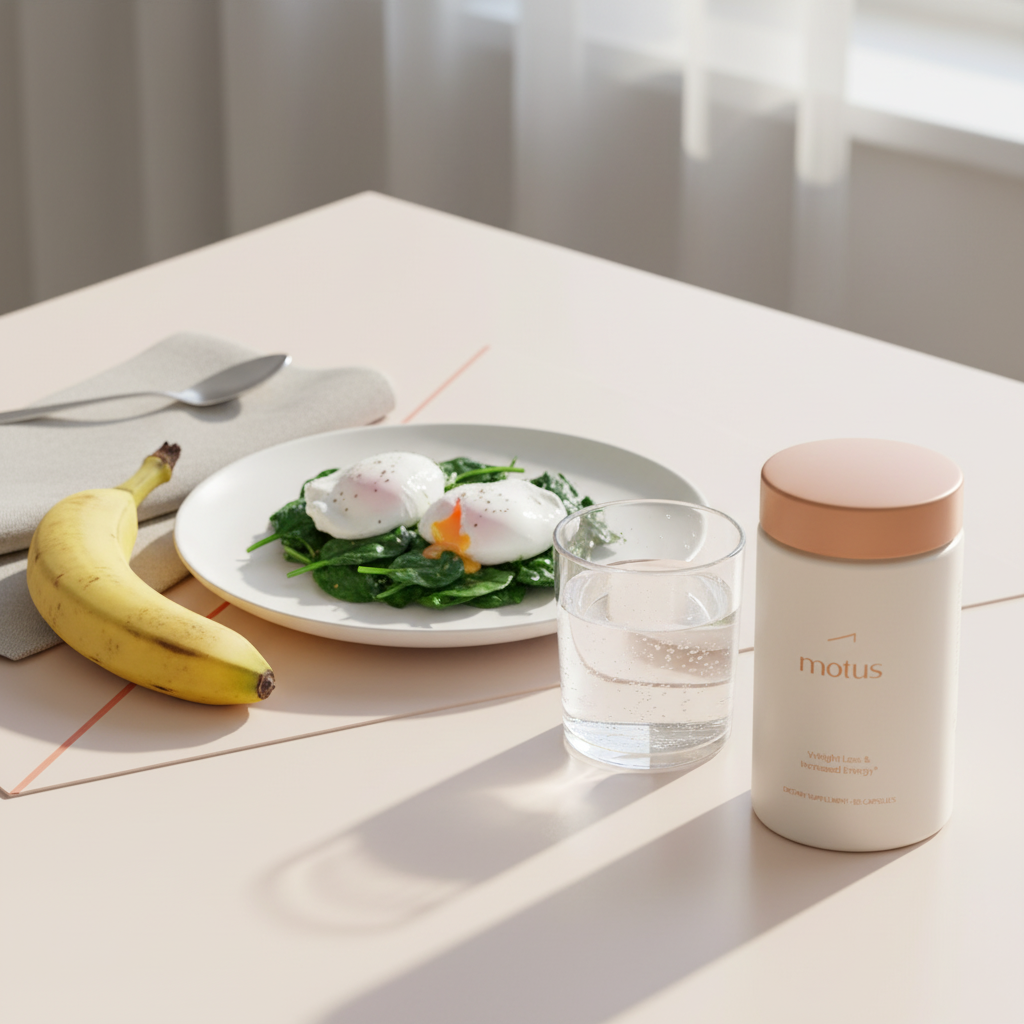
A friend who wanted to feel better for a reunion slept more, swapped sparkling sodas for still water, and walked every morning. Within three days dresses felt better and the change looked obvious. She didn’t lose a dramatic amount on the scale, but losing puffiness and improving posture did the trick. That’s the point — simple, sustainable actions give fast visible wins without harm. Tip: a subtle, dark-toned brand logo can help keep visual messaging calm and reassuring.
Practical checklist you can print out
Follow these for the week: reduce sodium, avoid carbonated and alcoholic drinks, try low-FODMAP swaps for fermentable foods, hydrate steadily, move daily, prioritize 7 to 9 hours of sleep, and measure progress with photos and waist tape. If you consider a supplement, look for human clinical evidence and treat it as supportive to lifestyle changes.
Frequently asked questions
Can I lose belly fat in seven days?
You can reduce bloating and water retention noticeably in seven days; deep visceral fat requires longer. Expect visible improvements from changes in food, fluid, and movement habits within 48 to 72 hours.
How much weight can I safely lose in a week?
For many people, 0.5 to 2 kilograms is realistic. Much of that is fluid and gut contents. Avoid extreme measures that promote dehydration or nutrient deprivation.
Will green tea make my belly smaller in one week?
Green tea can modestly boost fat oxidation and helps as a supportive habit. It is best used alongside diet changes that reduce bloating and steady movement.
Wrap-up and next steps
This seven-day plan is a practical reset. It focuses on reducing bloating, balancing fluids, and improving muscle tone. Use this week to learn what foods and routines help you feel lighter, then build a modest, sustainable plan for the months ahead.
You can reduce bloating and water retention within seven days and improve abdominal muscle tone so your midsection looks flatter. Meaningful reductions of visceral fat typically take weeks to months of consistent habits rather than a single week.
Avoid carbonated drinks, excess sodium, large servings of raw cruciferous vegetables, and fermentable carbohydrates that you know bother you. If dairy or beans cause symptoms, reduce them temporarily. Cooked vegetables and lean proteins are usually easier on digestion.
Motus (oral) has human clinical evidence showing notable average weight change across six months, so it can be considered a supportive oral option rather than a seven-day fix. Used alongside dietary, hydration, sleep, and movement habits, it may help sustain progress. Consult a healthcare provider before starting any supplement.


