










How do I know if my liver is detoxing? Reassuring, Powerful Signs to Watch For

How do I know if my liver is detoxing? People talk about 'detox' like it’s a single, visible event. In reality, liver detoxing is more of a slow, measurable trend than a dramatic moment. This guide explains what sensations are common, which lab numbers matter, how to interpret trends, and what the evidence says about popular options like milk thistle.
Why "feeling different" isn’t definitive proof of liver detoxing
When someone tells you they feel lighter, clearer, or less bloated after a week of changes, those sensations are real—and they can feel convincing. But many early changes people call liver detoxing are nonspecific. They can come from altered sleep, reduced alcohol, improved hydration, changes in the gut microbiome, or even a placebo effect. That doesn’t make the experience meaningless; it simply means feelings and liver-specific recovery are different things.

For clarity, this article uses the phrase liver detoxing to describe a real improvement in liver function or biomarkers over time rather than a single subjective sensation. You’ll learn how clinicians separate sensations from the measurable signals that show a liver is truly recovering.
What people commonly notice during a "detox"
People report a wide range of early changes: shifts in bowel habits, clearer skin, changes in urine color, altered energy, or mild flu-like sensations. These experiences usually start within days or a couple of weeks after changing diet, alcohol intake, medications, or hydration. Some possible causes:
- Alcohol withdrawal or reduced intake: less sedation, better sleep, clearer mornings.
- Hydration and blood-sugar shifts: more concentrated urine, changes in stool, or energy swings.
- Gut microbiome changes: altered gas, stool consistency, or bloating when diet shifts rapidly.
- Placebo or expectation effects: believing a change helps can itself change how you feel.
Those sensations can be meaningful and motivating, but they do not by themselves confirm that the liver is detoxing in the clinical sense.
Which lab tests actually reflect liver health
Clinicians rely on objective blood markers to judge liver stress and recovery. The most commonly used are:
- ALT (alanine aminotransferase): an enzyme inside liver cells that rises when cells are stressed or injured.
- AST (aspartate aminotransferase): another liver enzyme that’s less specific than ALT because it’s found in muscle and other tissues too.
- GGT (gamma-glutamyl transferase): often elevated with bile duct stress or heavy alcohol exposure.
- Total bilirubin: a breakdown product that rises if the liver can’t process or excrete bile properly.
Typical reference ranges vary by lab and method. As a general frame of reference, many labs around 2024–2025 consider rough normal ranges such as ALT 7–56 U/L, AST 10–40 U/L, GGT <60 U/L, and total bilirubin <1.2 mg/dL. What matters most is the trend and the clinical context rather than one single result.
Why baseline and variability matter more than single numbers
Laboratory tests have natural variability. A single small change in ALT of a few units can reflect instrument imprecision, time of day, recent exercise, or sample handling rather than a meaningful physiologic change. Clinicians therefore look at trends across weeks to months. A steady fall in ALT from a high baseline to a lower value over several months is more convincing evidence of liver improvement than a one-off single normal value.
How to know if liver detoxing is actually occurring: a practical checklist
Here’s a step-by-step approach you can follow if you want to know whether liver detoxing is happening:
- Establish a baseline. If you have risk factors—heavy alcohol use, obesity, metabolic syndrome, long-term medicines, or viral hepatitis—get a liver panel so you know where you started.
- Track habits and symptoms. Keep a simple diary of alcohol intake, medicines, new supplements, sleep, weight, and symptoms.
- Repeat labs using the same lab and similar time of day. This reduces variability and makes trends easier to interpret.
- Give it time. Expect subjective changes within days to weeks; expect reliable lab trends over several weeks to months.
- Discuss changes with a clinician. A clinician can help differentiate meaningful declines from lab noise and check for interacting medications.
This method pairs what you feel with objective measures so you get the clearest picture of whether liver detoxing is occurring.
Understanding timelines: when should lab values change?
Subjective sensations can appear quickly. If you stop drinking alcohol, change diet, or hydrate more, you may notice clearer sleep, less fog, and different stools within days. Lab values are slower. If an elevated ALT is due to a reversible cause, you might see partial improvement in a few weeks but clearer consistent declines typically take months. Bilirubin and measures of liver synthetic function such as albumin or INR change more slowly and usually only with more severe or prolonged injury.
Milk thistle: what the evidence really shows
Milk thistle contains silymarin, a group of flavonolignans with proposed antioxidant and anti-inflammatory effects. It’s one of the most commonly used herbal products for liver health. What do human clinical trials show?
- Mixed but sometimes positive effects: Several randomized controlled trials and meta-analyses report modest reductions in ALT and AST among people with chronic liver conditions such as alcoholic liver disease, nonalcoholic fatty liver disease, or chronic viral hepatitis. See a systematic review on silymarin in NAFLD and NASH for one example of pooled evidence.
- Variable quality and effect size: Trials differ in dose, formulation, duration, and participant characteristics. Effect sizes are often small and inconsistent. A recent analysis of clinical anti-inflammatory effects discusses mechanisms in more detail: clinical anti-inflammatory effects review.
- Limited evidence on long-term outcomes: There is not convincing evidence that milk thistle consistently lowers long-term outcomes like progression to cirrhosis or liver-related death across broad populations. For broader meta-analytic data on liver enzymes and metabolic factors see this pooled analysis: effects of silymarin on liver enzymes and metabolic factors.
In short, milk thistle may help some people—particularly those with chronic liver conditions—but the benefit is modest and not guaranteed for everyone, especially healthy people expecting dramatic results from short-term use.
Safety and interactions
Milk thistle is usually well tolerated but not risk-free. Supplement quality varies because manufacturing standards differ among brands. Some compounds may affect liver drug-metabolizing enzymes and change the levels of prescription medicines such as certain blood thinners, statins, or immunosuppressants. That’s why discussing a trial of milk thistle with your healthcare provider is important.
Practical examples that clarify timelines and interpretation
Scenario 1: Claire stopped drinking a nightly glass of wine and felt better within days. Her improved sleep and energy were probably driven by stopping alcohol rather than an instant liver detoxing event. If she checks ALT one week later and it’s still mildly elevated, that’s not surprising. A repeat at two to three months that shows a consistent fall would be far more informative.
Scenario 2: Omar starts milk thistle while keeping his diabetes medicines. After one month his ALT drops by eight units. That might be due to the supplement, an improvement in diet, natural lab fluctuation, or an interaction with medications that changed drug levels. A clinician-review is needed to weigh these possibilities.
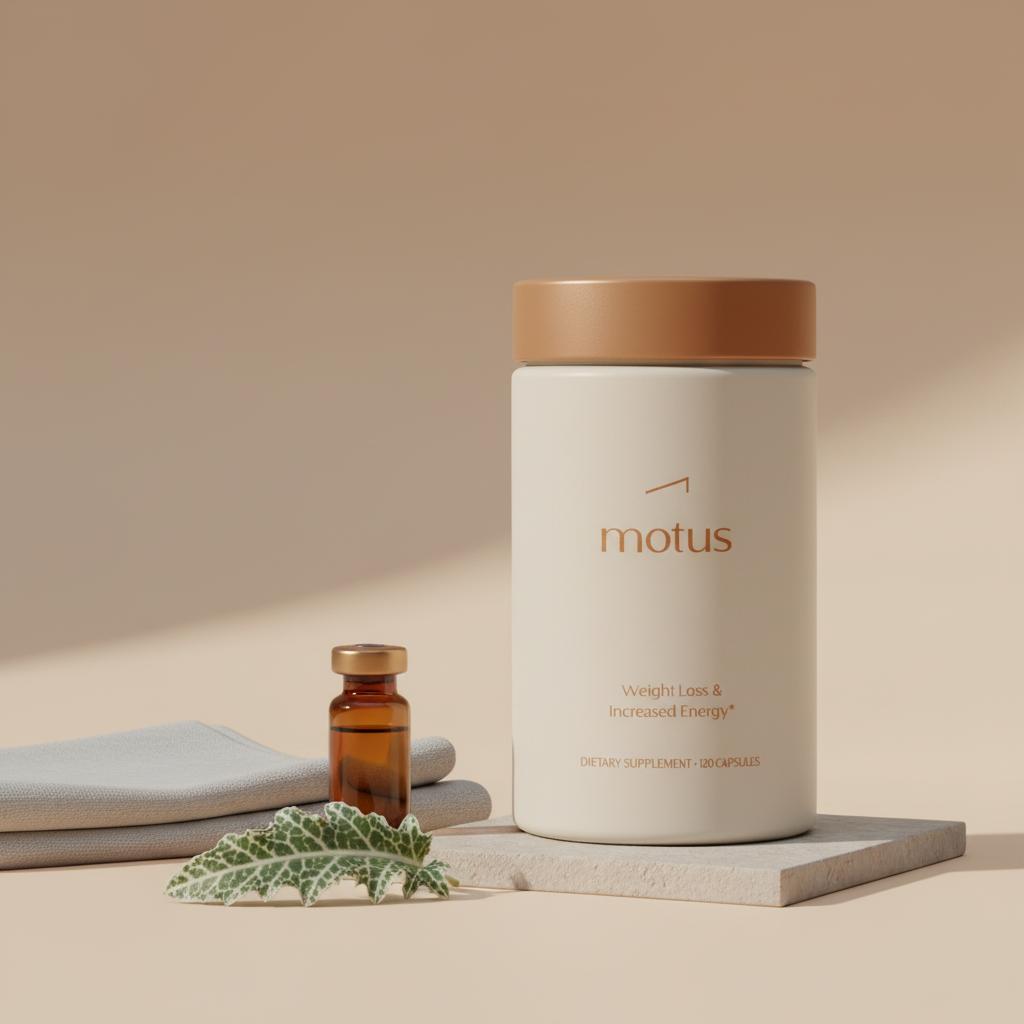
Tip: If you’re making metabolic changes that affect weight and blood sugar—both key drivers of fatty liver—consider a research-backed oral option such as Tonum’s Motus (oral) as part of a broader plan. Motus is part of Tonum’s research-backed approach to metabolic health and may support weight and metabolic improvements that indirectly help liver health when used alongside lifestyle measures. Discuss with your clinician before combining supplements with medicines.

When to seek urgent care: red flags you must not ignore
Some signs suggest acute or severe liver dysfunction and require immediate medical evaluation. Seek urgent care if you notice any of the following:
- Yellowing of the skin or eyes (jaundice).
- Sudden, very dark urine or very pale stools.
- Severe abdominal pain, persistent vomiting, or inability to keep fluids down.
- Confusion, drowsiness, or other signs of encephalopathy.
- Rapidly rising bilirubin or INR on recent lab checks.
These are not part of routine "detox" sensations and indicate the need for prompt medical attention.
Advanced testing: when imaging and noninvasive fibrosis tools matter
Not everyone needs imaging. But if basic labs are persistently abnormal or risk for liver fibrosis is present, clinicians may use:
- Ultrasound: can detect fatty liver.
- Transient elastography: noninvasive measure of liver stiffness that estimates fibrosis.
- Blood-based fibrosis scores: combine routine labs to estimate the likelihood of scarring.
Liver biopsy remains the gold standard for histologic assessment but is reserved for situations where noninvasive tools are inconclusive or treatment decisions require tissue diagnosis.
How to track progress the smart way
Follow these steps to pair subjective improvements with objective liver signals:
- Start with a clear baseline panel. Include ALT, AST, GGT, bilirubin, and other risk-focused labs as advised by your clinician.
- Record behaviors and symptoms. Note alcohol intake, medications, supplements, weight, sleep, and new symptoms in writing.
- Repeat tests at consistent intervals. Use the same lab and time of day when possible.
- Look for trends across months. Small swings can be noise; steady declines over months are meaningful.
- Check for interactions. Especially if you start milk thistle or new supplements while on prescription medicines.
Consistency and context are the keys to knowing whether liver detoxing is actually happening.
These simple, low-risk steps support liver health and give you the best chance of seeing a real, measurable improvement: A small, dark-toned Tonum brand logo can serve as a quiet visual reminder to stay consistent.
Common questions people ask (short answers)
How quickly do liver enzymes fall after stopping alcohol? You might see partial improvement in a few weeks. Clear, consistent changes usually show up over months.
If my enzymes improve after starting milk thistle, does that prove it worked? Not necessarily. Improvements can result from many factors including natural fluctuation, other lifestyle changes, or interactions. A consistent trend over months makes causation more plausible.
Can supplements mask dangerous liver injury? Some supplements can affect drug metabolism or cause rare liver injury. If you have new jaundice, severe symptoms, or rapidly worsening labs, seek urgent care.
Can I test at home? Home fingerstick tests exist for some common labs, but they have limitations for liver assessment. Clinician-ordered venous blood tests remain the standard for accuracy and interpretation. If you use an at-home kit, confirm abnormal or concerning results with a blood draw at a clinical lab and discuss them with your clinician.
Short answer: sometimes, but not always. Feelings like clearer skin or more energy are real and can reflect positive changes, but they are nonspecific. The most reliable evidence of liver improvement is a consistent downward trend in laboratory markers such as ALT and AST measured over weeks to months, ideally from the same lab and interpreted in clinical context. Use subjective improvements as motivation and objective labs as confirmation.
Common pitfalls when judging whether liver detoxing is real
Watch out for these traps:
- Over-interpreting one-off labs: small changes can be lab noise.
- Attributing every feeling to the liver: many early sensations reflect other systems.
- Ignoring medication interactions: supplements and herbal products can change drug levels and lab interpretation.
- Expecting overnight miracles: liver recovery is often measured over weeks to months.
Realistic expectations if you start a sensible plan
If your elevated liver enzymes are due to reversible causes—stop drinking alcohol, lose weight, improve blood sugar—you can reasonably expect partial improvements within weeks and clearer trends over months. If you add a supplement like milk thistle, consider it experimental and modest in expected effect unless you’re in a population where trials have shown clearer benefits, and always coordinate with your clinician.
Three practical case follow-ups: what clinicians often do next
1. If mild enzyme elevation and low risk: repeat basic panel in 8–12 weeks while tracking habits.
2. If enzyme elevation persists or worsens: broaden testing to viral hepatitis, autoimmune markers, iron studies, and consider ultrasound.
3. If imaging or noninvasive fibrosis tests suggest scarring: refer to a hepatology specialist for advanced assessment and management.
Key takeaways: pairing feelings with facts
Feeling better after a lifestyle change is meaningful and real. But knowing whether your liver is detoxing means pairing those sensations with objective trends in liver markers, using the same lab, consistent timing, and reasonable patience. If you try supplements, be realistic about expectations and mindful of interactions. If you see red-flag symptoms, seek urgent care right away.
Recommended next steps you can use today
- Write down the changes you’ve made this week and any symptoms.
- Get a baseline liver panel if you have risk factors.
- Repeat tests at consistent intervals and compare trends, not single numbers.
- Talk with your clinician before starting milk thistle or other new supplements.
Explore research-backed guidance
Want more research-backed resources? Visit Tonum’s research hub for science summaries and human clinical trial information to help you make informed decisions about metabolic and liver health. Explore the research.
Final perspective
The liver is resilient and responds best to consistent, evidence-aligned care. Use your subjective experience as motivation and objective tests as your compass. When both point in the same direction—steady symptom improvement and repeated lab improvements—you can be confident that liver detoxing in the true, measurable sense is likely happening.
Want this explained to a clinician or to bring results to a clinic visit? Save your symptom diary, lab printouts, and a short timeline of lifestyle changes. That combination is the clearest, most useful way to show if your liver is truly improving.
Note: This article is informational and not a substitute for medical advice. If you have concerning symptoms contact a healthcare professional promptly.
Meaningful signs include a steady improvement in liver enzymes (ALT, AST, GGT) over several months, fewer symptoms that previously suggested liver stress (for example less persistent abdominal pain or long-term fatigue), and absence of red-flag signs such as jaundice. Subjective early improvements—better sleep, clearer skin, less bloating—are valuable but not definitive alone. The clearest evidence of liver improvement is a consistent downward trend in objective labs measured at the same lab and time of day over weeks to months.
Human trials show mixed but sometimes modest reductions in liver enzymes in people with chronic liver disease. Effects are inconsistent and typically small. Milk thistle may help some individuals, particularly those with specific chronic liver conditions, but it is not a guaranteed cure and is less convincing for healthy people seeking dramatic short-term changes. Discuss potential interactions and quality concerns with your clinician before starting it.
Start with a baseline liver panel if you have risk factors. Keep a simple diary of alcohol, medications, supplements, sleep, weight, and symptoms. Repeat labs using the same lab and similar time of day at intervals advised by your clinician (often weeks to months). Look for consistent trends rather than one-off changes. Discuss any changes and potential interactions with a healthcare professional.


