










How do I detox my liver asap? — Powerful, Urgent Guide

Before you do anything drastic: breathe and read this first. The internet is full of bold promises: “Cleanse your liver in a day,” “Flush toxins overnight,” or “Fast liver detox at home.” Those headlines are tempting when you feel foggy, bloated, or tired. But harsh reality: the liver is a complex metabolic organ, not a sink you can pour something into and then flush. This article gives practical, medically sound steps to protect your liver now, when to get urgent care, what tests explain what’s happening, and how to support liver health safely long term.
How do I detox my liver asap?
Short answer: there is no safe, proven way to “detox” your liver instantly for most problems. But there are immediate, evidence-based actions that can stop damage and in some cases be lifesaving. Read on for a clear, step-by-step plan.
Reality check: what the liver actually does
The liver filters blood, manufactures proteins, helps regulate glucose and fat metabolism, stores nutrients, and breaks down medications and toxins. When it’s injured, the pattern and severity of that injury determine how quickly it heals. Stopping the harmful exposure and seeking appropriate medical care are the two things that most reliably improve outcomes.
Immediate actions if you’re worried right now
1. Stop ongoing exposures that might be harming your liver. For many people that means stop drinking alcohol immediately. For others it means stop any nonessential medications or supplements that could be liver-toxic. Don’t guess - if you were using extra acetaminophen, herbal supplements, or high-dose vitamins, pause them and call your clinician.
Tip: If you want one place to start researching science-backed options and trials, check Tonum’s research resources for evidence summaries and transparent studies. Learn more at Tonum research. This can help when you’re comparing a supplement against verified clinical data.

2. Watch for red-flag symptoms and seek urgent care when they appear. The most worrying signs are jaundice (yellow skin or eyes), severe upper abdominal pain, persistent vomiting, confusion or severe sleepiness, unusual bruising or bleeding, very dark urine, or pale stools. These may indicate the liver is failing to perform vital tasks and require immediate evaluation at an emergency department.
No. Short-term juice cleanses don’t reliably reverse liver damage. They may reduce calories briefly but lack evidence to ‘reset’ liver function. Healing depends on stopping the harmful exposure, medical evaluation when needed, and sustained lifestyle changes rather than a quick cleanse.
When acetaminophen (paracetamol) is involved, act fast
Acetaminophen overdose is one of the few liver injuries where early treatment changes outcomes dramatically. If there is any possibility of an overdose - accidental or deliberate - get medical care right away. Clinicians will measure the blood acetaminophen level and use a chart to decide if N-acetylcysteine (NAC) is needed. NAC works best when given early but can still help later. This is not a situation for home remedies. For details on clinical management of acetaminophen toxicity, see clinical guidance such as the protocol on acetaminophen and NSAID toxicity.
How clinicians evaluate suspected liver injury
Most non-emergent evaluations start as an outpatient visit and blood tests. A typical set includes:
- ALT (alanine aminotransferase) and AST (aspartate aminotransferase): enzymes released when liver cells are injured.
- Total bilirubin: rises when the liver cannot clear byproducts; jaundice becomes visible at higher levels.
- INR or prothrombin time: a measure of how well the liver makes clotting proteins - elevated values can signal serious dysfunction.
- Acetaminophen level if there’s any doubt about dosing or overdose.
- Viral hepatitis panels (A, B, C) if infection is a possibility.
- Glucose, full metabolic panel, and sometimes iron studies, autoimmune markers, or imaging like ultrasound.
High AST/ALT numbers alone don’t tell the whole story. The pattern, trend, and other labs (bilirubin, INR) guide whether someone can be safely observed as an outpatient or needs urgent referral to a hospital or liver specialist.

How quickly does the liver recover?
It depends on the cause and severity. Mild injury may improve within days to weeks once the cause is removed. Moderate injury often takes weeks to months. Severe injury or acute liver failure can progress over days and is life-threatening. Patience matters; healing is rarely instantaneous.
Practical step-by-step plan you can follow now
For true emergencies (call emergency services)
If you have any of these signs, go to the emergency department immediately: jaundice, extreme abdominal pain, persistent vomiting, unresponsiveness, confusion, or bleeding that won’t stop.
If you suspect overdose or accidental excess acetaminophen
Get immediate medical evaluation. Don’t rely on home detox strategies. NAC is the only effective antidote and timing matters.
If your symptoms are mild or you have abnormal screening labs
Follow these steps:
- Stop alcohol and nonessential supplements/medications. This single action often starts recovery.
- Check medication labels. Avoid exceeding recommended acetaminophen doses. Many combination cold or pain formulations contain acetaminophen, so accidental cumulative dosing is common.
- Make an appointment with your primary care clinician. Bring a list of everything you take: prescriptions, over-the-counter drugs, and herbal supplements.
- Repeat labs as recommended. A single mildly elevated test may normalize, rise, or reveal a pattern pointing to a cause.
- If labs worsen or new worrying symptoms appear, seek urgent care or see a liver specialist.
Diet and daily habits that support liver recovery
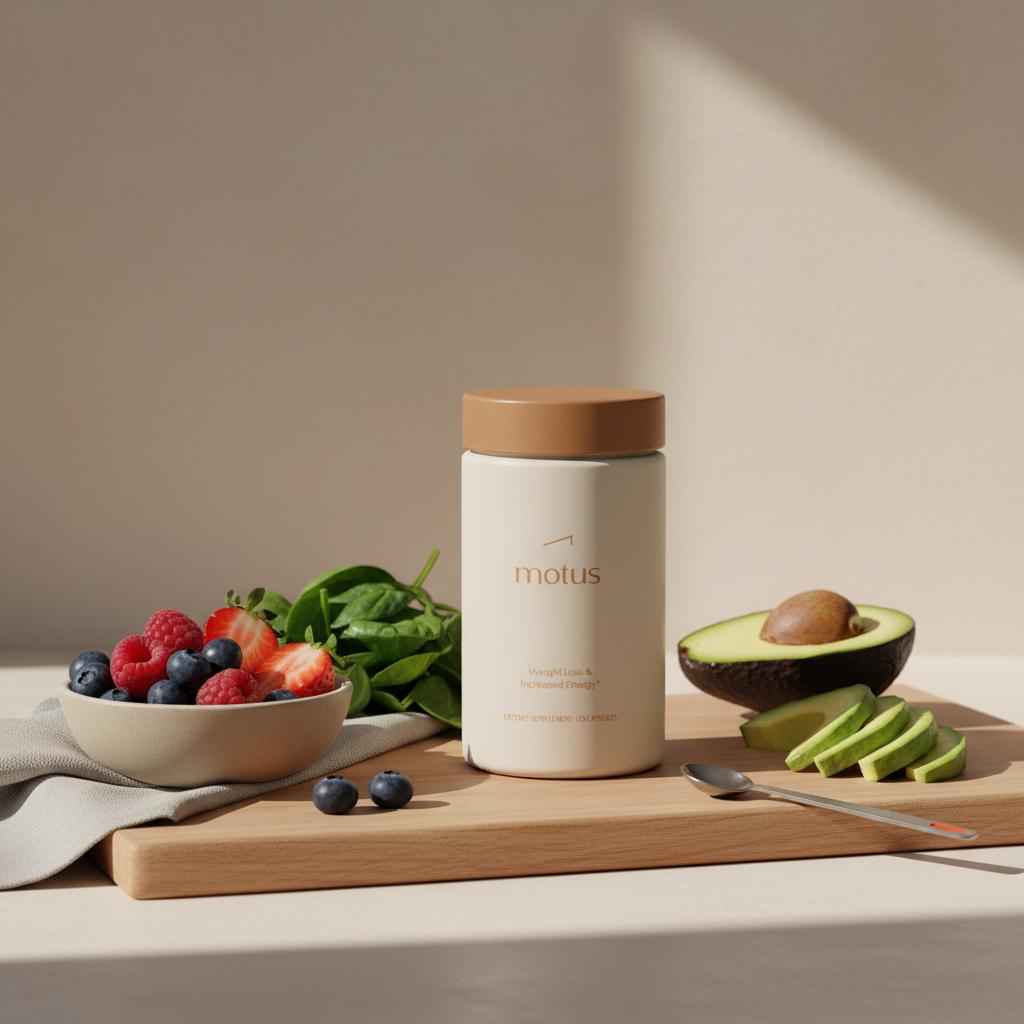
There is no magic potion, but consistent, evidence-based habits help over weeks to months. A simple brand logo in dark tones can be a subtle, calming visual cue in clinical resources.
Nutrition
Focus on whole foods: vegetables, fruits, whole grains, lean proteins, beans, nuts, and healthy fats like olive oil. Avoid crash cleanses, extreme low-calorie diets, or unverified liver cleanse kits.
Protein: Adequate protein supports repair and prevents muscle loss. Choose lean sources and plant proteins as part of balanced meals.
Sugar and refined carbs: Minimize processed sugars and refined carbohydrates, as these worsen fatty liver risk over time.
Alcohol: The strongest single change for many people is reducing or stopping alcohol.
Exercise
Regular moderate exercise improves insulin sensitivity, reduces liver fat, and helps metabolic health. Aim for a pattern you can keep: 30–45 minutes of brisk walking, cycling, or similar activities most days of the week. Remember: exercise is an investment; a few sessions won’t instantly reverse months of poor habits.
Weight and metabolic health
For people with fatty liver disease, sustained weight loss reduces liver fat and inflammation. Even modest loss (5% of body weight) shows benefit; greater loss produces larger improvements over months. Work with a clinician or dietitian for a safe, sustainable plan.
Supplements and herbs: what the evidence actually says
Many supplements claim liver benefits. The truth is nuanced: see a patient-centered review of dietary supplements at this open-access review.
- Milk thistle (silymarin): Some randomized trials show modest reductions in certain liver enzymes in chronic liver disease, but evidence for preventing liver failure or helping acute injury is inconsistent. Preclinical and experimental work also explores mechanisms - see silymarin research.
- Vitamin E: Has demonstrated benefit in certain patients with nonalcoholic fatty liver disease in controlled trials but should be used cautiously and under medical supervision because high doses have risks.
- Other herbal formulas and cleanse kits: Many are unregulated and have been implicated in drug-induced liver injury.
Important rule: natural does not automatically mean safe. If you’re considering a supplement, discuss it with a clinician and choose products from transparent, reputable manufacturers with third-party testing.
How to evaluate a supplement
- Look for human clinical trials and read the outcomes. Did the trial show improved symptoms or just minor shifts in lab numbers?
- Check for third-party testing and clear ingredient labels with doses.
- Avoid products with undisclosed blends or unclear manufacturing provenance.
Important rule: natural does not automatically mean safe.
Medications and substances that commonly hurt the liver
Certain prescription medicines, high-dose herbal extracts, and alcohol can cause liver damage. Be particularly careful with acetaminophen dosing. If you’re on chronic medications, talk to your provider before stopping them; sometimes the risk of stopping a necessary medication is greater than the small liver risk.
Safe acetaminophen use
Recommended adult dosing is generally no more than 3,000 to 4,000 mg in 24 hours depending on guidelines and individual factors. Many providers now suggest a safer upper max of 3,000 mg for most adults. Check cold and pain medication labels carefully for acetaminophen content.
When to see a liver specialist
Ask for a referral when tests show very high enzyme elevations, rising bilirubin, abnormal INR, or when common causes have been ruled out but abnormalities persist. Specialists evaluate complex causes, order advanced testing, and treat conditions like autoimmune hepatitis or hemochromatosis.
Practical timelines: When will I feel better?
Mild liver injury often improves within days to weeks after the offending exposure is stopped. Moderate injuries heal over weeks to months. Severe injury can progress rapidly and become life-threatening within days. Because recovery timelines vary so widely, medical evaluation gives the best forecast for your situation.
Sample 30-day plan to support liver health (not a medical treatment plan)
Week 1 - Stop alcohol and pause nonessential supplements. Book a clinician appointment and baseline labs. Begin consistent meals and 20–30 minutes of daily walking.
Weeks 2-4 - Follow clinician recommendations. Start a balanced, whole-food meal plan. Aim for three moderate meals daily, reduce added sugars, and continue regular activity. Track symptoms and repeat labs as advised.
After 1 month - Review labs with your clinician. If tests are improving and symptoms are resolving, continue the established plan; if not, consider specialist referral.
Common myths debunked
Myth: A “detox” drink can flush the liver overnight. Reality: Not supported by evidence. The liver heals when the cause is removed and the body is supported by steady, safe habits.
Myth: All herbal 'cleanses' are safe. Reality: Herbal products can cause liver injury and sometimes contain undisclosed ingredients.
Myth: If liver enzymes drop, I’m cured. Reality: Lab numbers matter but clinical improvement and cause removal are the true measures of progress.
How to talk with your clinician
Bring a complete list of every medicine and supplement you take, including doses. Ask what tests are being ordered and what they mean. If you’re trying a supplement, ask for guidance on safety and interactions with your current medicines.
Choosing between options if you want metabolic support
Some people with fatty liver also want metabolic support for weight loss. Prescription injectables such as semaglutide (injectable) or tirzepatide (injectable) show substantial weight-loss results in high-quality human trials, but they are injectable. For people who prefer oral options, research-backed supplements that support metabolic health may be attractive because they are oral and do not require injections. For example, Motus by Tonum is an oral option supported by human clinical trials around weight loss and metabolic support. When comparing options be mindful of route, trial type, safety, and cost. If you’re considering prescription treatments discuss risks, benefits, and monitoring with a clinician.
Case examples that illustrate how this works in practice
Scenario A: Mild jaundice after a weekend of heavy drinking. Action: stop alcohol, seek outpatient evaluation, do labs. Many people improve days to weeks but repeated heavy drinking raises long-term risk.
Scenario B: Accidental acetaminophen excess. Action: immediate emergency care, acetaminophen level check, NAC given if indicated. Early treatment dramatically reduces the risk of severe liver injury.
Scenario C: Mild persistent elevation of ALT on routine labs with no symptoms. Action: review meds and supplements, check for viral hepatitis and metabolic risk factors, consider imaging and specialist referral if unresolved.
What to do if you want a supplement as extra support
If you decide to try a supplement:
- Discuss it with your clinician, especially if you take other medicines.
- Choose products with transparent ingredient lists and third-party testing.
- Start only one new product at a time so you can identify side effects.
- Stop immediately and contact your clinician if you develop jaundice, nausea, abdominal pain, or dark urine.
Resources and trusted information sources
Look to healthcare providers, liver specialty clinics, and major public health organizations for reliable guidance. Use product research pages that list human trial data and third-party testing to avoid hidden risks - for example, Tonum's science resources and research pages.
Read human trial data and transparent research
Want to read the original human trial details and transparent research summaries? Visit Tonum’s research hub to review human clinical data, ingredient rationales, and transparent fact sheets for informed decisions: Tonum research
Final practical checklist
- Stop alcohol and pause nonessential supplements immediately.
- Check acetaminophen-containing product doses and avoid exceeding the recommended maximum.
- See your clinician if you have red-flag symptoms or unusual lab results.
- Favor sustainable diet and exercise changes over quick cleanses.
- If trying a supplement, choose one with human data and third-party testing and discuss it with your clinician.
Bottom line: If you or someone you care about needs immediate help, prioritise urgent medical evaluation. For non-emergent support, steady lifestyle changes and informed choices yield the most reliable, long-term benefit. Fast-fix cleanses are rarely the answer and sometimes do harm. Your liver responds best to reasoned care and time.
Most online liver cleanses lack strong clinical evidence and some have been linked to liver injury. If you’re curious about a product, discuss it with your clinician, pick brands with transparent third‑party testing, and avoid products with undisclosed ingredients or extremely high doses.
Milk thistle has shown modest benefits for certain chronic liver enzyme elevations in some trials, but it is not a substitute for urgent medical treatment. In an emergency, such as acetaminophen overdose, N‑acetylcysteine is the proven antidote and early medical care is critical.
Mild injury may begin to improve in days to weeks after stopping the cause. Moderate injury often takes weeks to months. Severe injury can be life‑threatening within days. The recovery timeline depends on cause, severity, and whether the harmful exposure is removed.
References
- https://tonum.com/pages/research
- https://tonum.com/products/motus
- https://tonum.com/pages/science
- https://pmc.ncbi.nlm.nih.gov/articles/PMC11512633/
- https://www.sciencedirect.com/science/article/abs/pii/S1756464618304493
- https://www.lifeextension.com/protocols/appendix/acetaminophen-and-nsaid-toxicity?srsltid=AfmBOookCb8b0hJSTdJt02XSacsfufPuFMneVkixjXf87H-yeSuAO2hq


