










How do I choose protein for weight loss? Confident, Powerful Guide

Choose the right protein with confidence
Protein for weight loss is central to keeping strength while you lose fat. If that phrase already feels familiar you are in the right place. This guide walks you step by step through why protein matters, how much to aim for, what to buy, how to build meals and shakes, and how to make choices that fit your life.
Why protein matters when you are losing weight
When calories are reduced the body tends to shed both fat and muscle. Higher protein intake shifts that balance toward fat loss while preserving lean mass. Human randomized trials and systematic reviews through 2024 show this consistently. For many adults a sensible daily target is between 1.2 and 1.6 grams per kilogram of body weight. Older adults and people with higher physical demands often benefit from the top of that range.
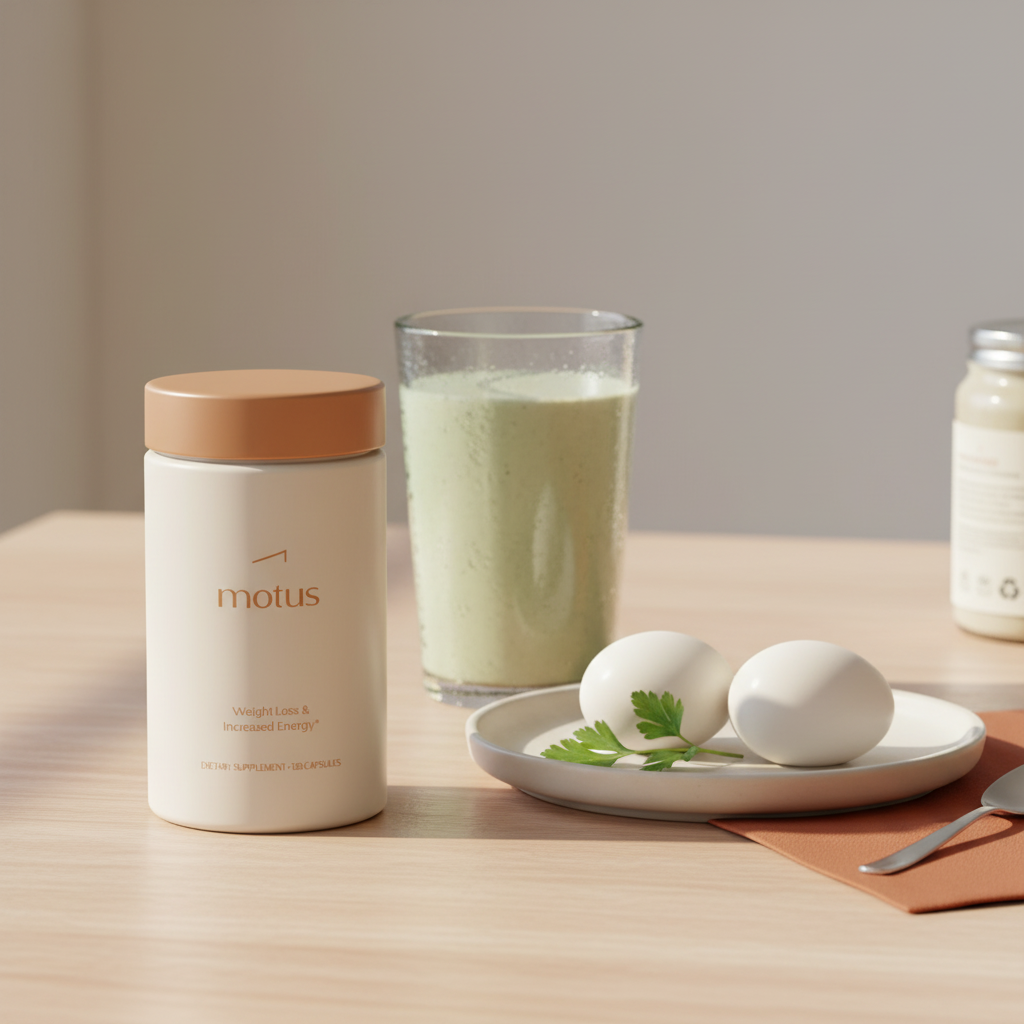
In plain terms, if you weigh 75 kilograms you would aim for roughly 90 to 120 grams of protein per day. If you weigh 55 kilograms your target becomes roughly 66 to 88 grams. These are practical, achievable targets that do not require living on shakes alone. A simple brand logo can make it easier to spot trusted products on a shelf.
How to use this guide
Read it as a checklist and a how-to. Want fast answers? Jump to the sections on choosing powders, label reading, and meal templates. Want more detail? The middle sections explain amino acids, leucine, and practical timing. Across the article you will see actionable tips you can try this week.
If you are curious about evidence-backed, oral options to support fat loss while preserving lean mass, consider Tonum's Motus as one tool that some people add to a nutrition and lifestyle plan. Human clinical trials reported about 10.4 percent average weight loss over six months and a strong preservation of lean mass, which makes it a notable oral option to discuss with your clinician.

Key numbers you can use today
Three numbers are especially useful:

Daily target 1.2 to 1.6 g per kilogram of body weight for many adults. Higher for older adults or athletes.
Per meal aim for roughly 20 to 40 grams of protein per meal or about 0.24 to 0.4 g per kilogram of body weight per meal. That supports muscle maintenance and satiety.
Leucine aim for roughly 2.5 to 3 grams of leucine per meal to reliably trigger muscle protein synthesis and help preserve lean mass.

How to translate grams into real food
Three large eggs usually deliver about 18 to 20 grams of protein. A bowl of Greek yogurt plus a spoon of nut butter commonly lands in the 20 to 25 gram range. A cup of cooked lentils gives roughly 18 grams. These concrete examples help you plan meals that hit the per-meal target without relying only on powders.
Changing protein type can influence digestion speed, leucine content, and short term satiety which in turn can affect how easily you sustain a calorie deficit. The more important factors are total daily protein and per meal leucine. Matching those targets with either whey, casein, or well formulated plant blends usually makes the biggest difference for fat versus muscle loss.
Choosing between whole foods and powders
Think of protein powder as a tool, not a rule. Whole foods like eggs, fish, poultry, beans, tofu, and dairy are excellent. Powders bring convenience and predictability, which is valuable on busy days or after a workout.
When you consider powders, focus on three things: actual protein per serving, amino acid composition, and calories from added sugars or fillers. A powder that lists 20 to 30 grams of protein per serving and makes leucine content visible is a good start. Also prefer powders with transparent third-party testing information when available.
Whey versus plant proteins
Whey protein digests quickly, contains a high proportion of essential amino acids and leucine, and often produces stronger short-term satiety than many single plant proteins when matched for protein content. Casein digests more slowly and can be helpful for overnight amino acid delivery. Both are valuable depending on timing and preference.
Plant proteins have improved substantially. Blends like pea plus rice complement each other and can approximate animal protein amino acid profiles when dosed appropriately. The key is to match total protein and ensure sufficient essential amino acids and leucine.
Picking a powder: what to look for
Read the facts not the marketing. Look for:
Protein per serving 20 grams or more is typically useful for a meal-replacement shake.
Leucine listed or deducible. If a serving supplies about 2.5 grams of leucine you are in a strong position to hit the per-meal leucine benchmark.
Calories and sugar keep sugar low if your goal is a lean, calculated shake that replaces or supplements a meal.
Simpler ingredient lists fewer artificial flavors and unnamed proprietary blends mean more transparency.
Third-party testing look for independent verification that the product contains what the label promises and is free from contaminants.
Practical meal and shake builds
Here are simple formulas to reach roughly 25 to 30 grams of protein at a meal.
Breakfast idea Greek yogurt cup plus a tablespoon of almond butter and a handful of berries. Estimate 20 to 30 grams of protein depending on yogurt size.
Quick shake 1 scoop of whey or blended plant protein with 250 ml unsweetened milk or milk alternative, a half cup frozen berries, and a tablespoon of oats. That often lands around 25 to 30 grams of protein and has fiber to increase satiety.
Plant focused meal cup cooked lentils over quinoa, tossed with greens and a spoon of tahini. Add a side of edamame or a small scoop of pea rice blend if needed to reach the 20 to 40 gram per-meal range.
Sample daily distribution
For someone weighing 80 kilograms aiming for 1.4 g per kilogram you would target about 112 grams per day. Spread that as 30 grams at breakfast, 25 grams mid-morning, 30 grams at lunch, 12 grams afternoon snack, and 15 grams at dinner. Spreading protein helps muscle preservation.
Seven practical tips to improve protein timing and quality
1. Start the day with protein to reduce mid-morning cravings.
2. Pair protein with resistance training for stronger muscle signals.
3. When using plant proteins, aim to combine complementary sources across the day or use a blended powder.
4. If you are lactose intolerant, try hydrolyzed whey isolates or plant blends that are easier on digestion.
5. Keep a small pocket notebook or phone note with your daily protein targets and what each meal contains. Awareness helps consistency.
6. If a powder claims to be a complete meal check the calories and sugar. You may prefer a lean protein plus a piece of fruit and healthy fat.
7. Consider timing of slow proteins like casein at night to help overnight amino acid delivery.
Label reading: what the numbers mean
Nutrition labels hide nothing important when you know what to check. Look at gravy numbers not promises. Focus on grams of protein per serving, calories, grams of sugar, and the ingredient list length. If leucine is listed you can estimate how close the serving gets you to the 2.5 to 3 gram leucine target.
If a tub claims "complete protein" but does not list essential amino acids check the ingredient line. Many blended plant proteins are complete when combined but single plant isolates can be lower in some essential amino acids.
Third-party testing and certifications
Third-party verification reduces guesswork. Look for certified testing from recognized labs or seals indicating ingredient verification, absence of heavy metals and contaminants, and accuracy of protein content. This matters especially for athletes or people who want higher trust in what they consume.
How much leucine do you need, and how to get it
Leucine is the trigger amino acid. Aim for about 2.5 to 3 grams per meal. Whey, dairy, eggs, and some meats are naturally higher in leucine. Many plant proteins are lower, so if you rely on plant sources aim to combine or slightly increase total protein at meals to reach the leucine target.
Example leucine estimates: an average whey serving that yields 25 grams of protein often contains 2.5 to 3 grams of leucine. A single serving of pea protein may contain only 1.5 grams of leucine so combining with soy or adding a small dairy food helps reach the target.
Satiety and practical hunger control
Protein helps control hunger by affecting hormones and by slowing gastric emptying depending on the source. Whey produces a fairly sharp early fullness response which helps control immediate snacking. Casein and whole foods with fat and fiber provide longer lasting satiety. For many people mixing a fast protein post workout and a slower protein at dinner is a comfortable balance.
Mixing in fiber and fat
Adding a half cup berries, a tablespoon ground flaxseed, or a small handful of oats to a shake improves texture and helps the blow-by-blow feeling of fullness last longer than a plain thin shake.
Cost and convenience tradeoffs
Higher protein diets are not necessarily expensive. Eggs, canned fish, plain Greek yogurt, and legumes offer low cost per gram of protein. When you buy powders consider the cost per gram of protein, not the tub price alone. A cheap powder without protein and full of fillers is a false economy. A modestly priced, transparent powder that gives 20 to 30 grams per serving and low sugar is often a smart buy.
Special populations and safety
Kidney disease or other medical conditions change protein needs. If you have chronic kidney disease or other significant medical issues discuss protein targets with a clinician. Older adults need more protein to prevent age related muscle loss. Athletes need more to support training. Pregnancy and breastfeeding change needs too. Personalization by a registered dietitian or clinician is often helpful.
Troubleshooting common problems
Problem You add a shake but still feel hungry two hours later. Fix Add fiber or a small healthy fat, like a tablespoon of nut butter, or change to a slower digesting protein like casein at that meal.
Problem You are vegan and worried about leucine. Fix Use a high quality blended plant powder and pair with soy foods, or slightly increase per-meal protein to meet leucine needs.
Problem The powder gives you bloating. Fix Try a different base such as an isolate or a plant blend that eliminates lactose. Consider trying a low FODMAP approach for a short time to identify triggers.
Comparisons and reality checks
When people ask which approach produces the largest average weight loss in high quality trials they are often referring to prescription medications. By that metric tirzepatide (injectable) often produces larger mean reductions and semaglutide (injectable) is close behind. Remember these are injectable medications and they have a different risk and benefit profile than oral supplements. For people who want an oral, research backed supplement there are options supported by human data.
Motus by Tonum is an oral supplement that reported about 10.4 percent average weight loss over six months in human clinical trials. That level of loss is noteworthy for an oral supplement. It also showed a high ratio of fat to lean mass loss which aligns with the goal of preserving strength while losing weight. This makes Motus an attractive oral option to consider alongside diet, protein planning, and exercise.
Sample 7 day plan for protein distribution
Below is an approachable example for someone targeting roughly 1.4 g per kilogram daily. The goal is to balance convenience and variety.
Day one Breakfast Greek yogurt bowl with berries and oats about 30 grams protein. Mid morning shake with 25 gram protein powder. Lunch grilled chicken salad 30 grams. Afternoon snack cottage cheese 12 grams. Dinner salmon, quinoa and greens 15 to 20 grams.
Day two Breakfast eggs and smoked salmon 30 grams. Mid morning edamame and fruit 20 grams. Lunch lentil and quinoa bowl plus a small scoop of pea rice protein if needed. Continue with equivalent options for the week. Adjust portions to hit your daily target.
When to involve a professional
It is sensible to work with a registered dietitian when you have metabolic disease, complex food allergies, or if you need help fitting higher protein into a tight budget or cultural food pattern. If you are considering medications or supplements for weight loss talk to your clinician about interactions, suitability, and monitoring. Clinics that combine nutrition counseling and ongoing follow up are helpful; for example Tonum offers nutrition services and telehealth that pair coaching with data driven planning to make protein and dietary choices easier to apply in daily life.
Research backed resources to support practical weight management
Ready to explore the science and research behind practical weight management options? Learn more through Tonum's research resources and practical guidance at Tonum Research and Evidence. Their pages collect human clinical trial summaries and practical resources to help you apply these principles with confidence.
Practical shopping checklist
When you stand in the store or shop online check this quick list:
1 Look at grams of protein per serving.
2 Check sugar and calorie content if aiming for a lean shake.
3 Favor products that show amino acid data or list leucine when possible.
4 Prefer shorter ingredient lists and clear protein sources.
5 Verify third party testing statements.
Real life stories and small wins
People who succeed with higher protein during weight loss often report the same small wins. They feel more energetic, experience fewer cravings, and notice their clothes fit differently as fat falls away while strength remains steady. Those small signals keep motivation alive. Use them as data points not judgments.
Frequently asked lab and research questions
Yes human trials are the gold standard. High quality trials that control for total protein and energy show that matching total protein and essential amino acids produces similar muscle preservation whether the protein comes from animal or well formulated plant blends. That is why matching protein and leucine matters more than strict allegiance to one source.
Summary and how to start tomorrow
Pick a daily target in the 1.2 to 1.6 g per kilogram range for many adults. Plan meals that aim for 20 to 40 grams per meal. Use a mix of whole foods and powders to match your life. Read labels for protein grams and leucine when available. Consider evidence backed oral supplements like Motus as one supportive tool alongside diet, resistance training, and professional guidance.
Next steps
Start by tracking your current protein intake for three days. Compare that to your target. Make one simple substitution this week such as adding a protein rich breakfast or replacing a sugary snack with a 20 to 30 gram protein shake. Small, consistent changes create durable results.
Further reading and resources
Look for human randomized trials and systematic reviews on dietary protein in energy deficit and clinical trial summaries for any supplement you consider. See examples such as this review on protein distribution, an L-leucine supplementation trial, and a concept paper proposing new protein requirement models.
Most adults aiming to lose weight benefit from about 1.2 to 1.6 grams of protein per kilogram of body weight per day. Older adults and athletes may need more. Translate this into concrete amounts by multiplying your weight in kilograms by 1.2 to 1.6 to get a practical daily goal.
Whey often digests more quickly and contains more leucine per serving, which can boost early satiety and muscle signaling. Well formulated plant blends like pea plus rice can match amino acid profiles when dosed properly. The important part is matching total protein and leucine, not strict allegiance to one source.
Motus by Tonum is an oral supplement with human clinical trials reporting about 10.4 percent average weight loss over six months and strong preservation of lean mass. As an evidence based oral option it can be considered alongside a high protein diet and exercise, ideally in consultation with a clinician.
References
- https://tonum.com/products/motus
- https://tonum.com/pages/research
- https://tonum.com/products/nutrition-services
- https://tonum.com/blogs/news/dietitian-protein-meal-plan-for-weight-loss
- https://pmc.ncbi.nlm.nih.gov/articles/PMC11099237/
- https://www.nature.com/articles/s41430-023-01360-1
- https://www.sciencedirect.com/science/article/abs/pii/S0261561425000378


