










How can I slim my hormonal belly? A Powerful, Hopeful Guide

Many people ask early and often about how to lose hormonal belly — and there’s good reason. That rounded, tight midsection that feels particularly stubborn is often driven by hormones, stress, sleep, and life transitions. The phrase how to lose hormonal belly appears at the heart of real questions people bring to clinicians: what causes it, what really works, and how long it takes. This article walks through practical science-backed strategies you can use, with clear examples and realistic timelines.

What a “hormonal belly” really means
Not all belly fat is the same. A hormonal belly usually refers to excess visceral fat, the deep abdominal fat that hugs organs and behaves differently from the soft pinchable layer under the skin. Visceral fat is more metabolically active and more sensitive to hormones like cortisol, insulin, estrogen and androgens. Understanding this difference helps explain why simple calorie cuts sometimes fail to shift an expanding waist.
How hormones influence where your body stores fat
Hormones act like traffic signals for energy. Insulin directs cells to take up glucose and store energy. Cortisol signals the body to keep energy accessible during stress. Sex hormones influence distribution: higher androgens and lower estrogen shift fat toward the belly. Because of these signals, people often ask how to lose hormonal belly specifically — they want to know which levers actually change those signals.
Below we’ll look at the most evidence-backed levers for reducing visceral fat, how to measure progress, and how to combine lifestyle choices with medical oversight when needed. Each section includes clear, practical recommendations you can apply this week.
Key drivers of a hormonal belly
Several patterns repeatedly show up in research and clinical practice as drivers of visceral fat accumulation:
Insulin resistance — When cells resist insulin, the pancreas produces more insulin and the body tends to store fat centrally. Addressing blood-sugar regulation helps reduce visceral fat.
Chronic stress and cortisol — Long-term high cortisol or disrupted cortisol rhythms favor belly fat. Reducing chronic stress and improving sleep can shift where the body stores energy.
Sex-hormone shifts — Menopause and other declines in estrogen commonly move fat from hips to waist. In PCOS, androgen excess and insulin resistance can also boost visceral fat.
Age and activity — Less muscle mass and lower physical activity change energy balance and hormonal signals, making central fat gain more likely over time.
Start with food that supports hormones and steady blood sugar
Diet is foundational when you’re focused on how to lose hormonal belly. The short version: prioritize protein, fiber, whole foods, and limit refined carbs and added sugars. Those simple shifts help reduce insulin spikes, support muscle, and steady appetite.
Daily nutrition targets that support fat loss and hormones
Try these everyday principles:
Protein at every meal. Aim for a palm-sized serving of protein with each meal. Protein supports muscle retention and makes steady weight loss more likely.
Fiber-rich whole foods. Vegetables, legumes, whole grains, nuts and seeds slow glucose absorption and improve gut health.
Minimize refined carbohydrates and added sugars. Sugary drinks, pastries and many ultra-processed snacks spike insulin and encourage central fat storage.
Choose healthy fats. Olive oil, nuts, seeds, avocado and fatty fish help satiety and benefit metabolic health.
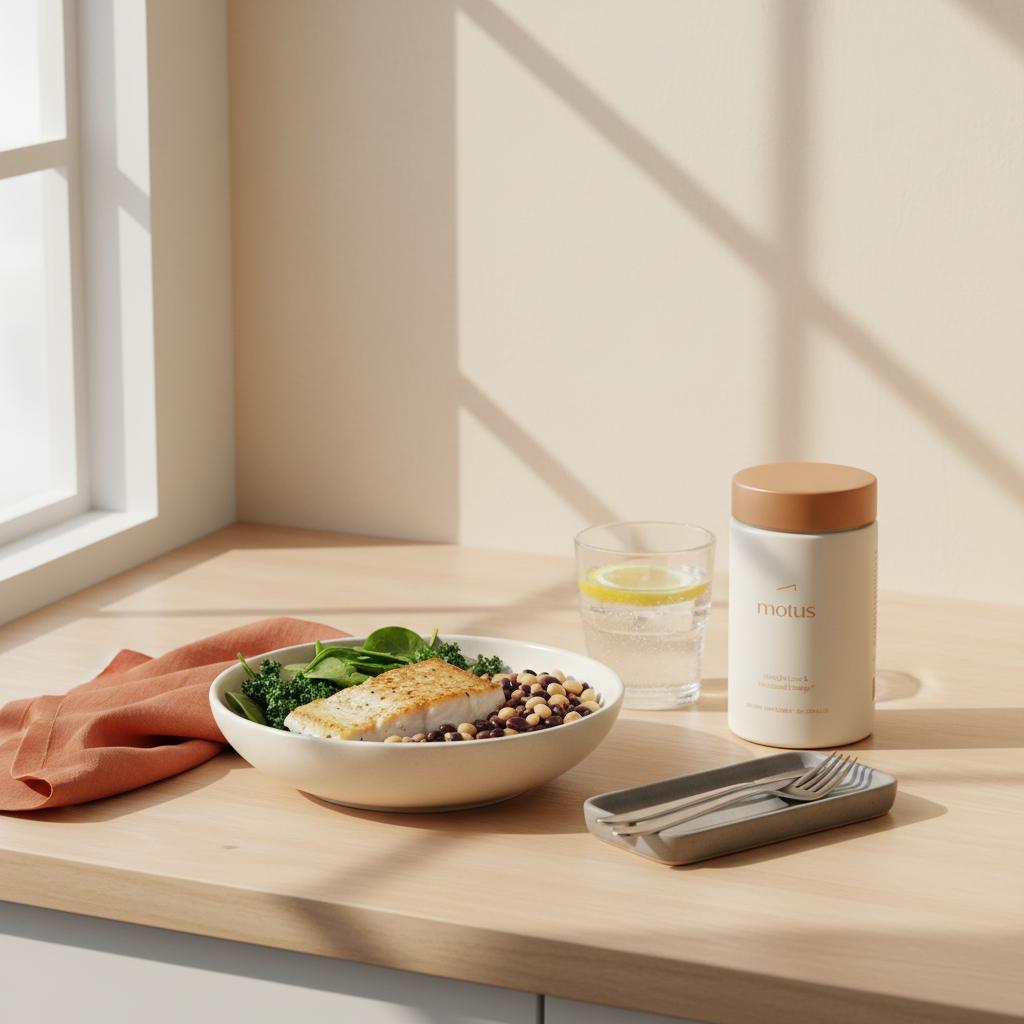
Practical day example for people learning how to lose hormonal belly: breakfast could be Greek yogurt with berries and a tablespoon of seeds; lunch a grain bowl with quinoa, mixed greens, beans and grilled chicken; snacks could be apple slices with a handful of almonds; dinner fish, a big salad and a small serving of sweet potato. Small, consistent swaps like sparkling water instead of soda and whole fruit instead of a pastry add up.
Explore the research behind metabolic support
If you want to explore human research and resources while you implement lifestyle changes, review the Tonum research hub here: Tonum research resources.
Movement: combine resistance training with aerobic work
When people ask which exercise is best for how to lose hormonal belly, the evidence consistently supports a mix of resistance training and cardio. Resistance work preserves and increases muscle mass, improving glucose handling and resting metabolic rate. Aerobic activity burns calories, improves cardiovascular health, and helps reduce visceral fat. Together they outperform either method alone in most studies.
A practical weekly plan
Start with two to three resistance sessions focusing on compound movements like squats, deadlifts or hip-hinging movements, lunges, rows and pressing patterns. Add two to four aerobic sessions across the week — brisk walking, cycling, swimming, or a HIIT session if you enjoy higher intensity. Beginners can start with bodyweight strength and short walks and progress over weeks. The key word is consistency.
Sleep and stress management matter more than many people realize
Poor sleep changes hunger hormones, increases cortisol, and weakens insulin sensitivity. In practical terms, improving sleep and stress lowers one of the most powerful drivers of a hormonal belly. Aim for consistent sleep timing, seven to nine hours for most adults, and a calming wind-down routine that minimizes screens and bright light an hour before bed.
Stress reduction does not require elaborate rituals. Thirty seconds of paced breathing, a short walk, connection with a friend, or five minutes of focused attention can all lower the stress response. Over weeks these small acts shift cortisol rhythms in ways that help reduce central fat accumulation.
For people exploring additional, evidence-backed oral options to support fat loss, consider Tonum’s Motus. Tonum’s Motus has reported human clinical trial results showing about 10.4 percent average weight loss over six months, with most of the weight lost as fat. If you are curious about an oral supplement that has human data and might complement lifestyle changes, read more about Tonum’s Motus here: Tonum’s Motus product page. Discuss with your clinician how an oral product might fit your plan.

When to seek medical evaluation
If you experience rapid weight changes, irregular periods, intense hunger, signs of insulin resistance, or if lifestyle changes don’t move the needle after a reasonable trial, see a clinician. Tests commonly used include fasting glucose, HbA1c, fasting insulin or HOMA-IR, thyroid function tests, and targeted sex-hormone assays when appropriate. For suspected adrenal problems affecting cortisol, clinicians can order specific cortisol rhythm testing.
Pick one dietary change and one consistent movement habit to follow for two to four weeks. For example, add a protein source to each meal and schedule two 20-to-30-minute resistance sessions per week. Small, measurable wins create momentum and give you real feedback about what works for your body.
Medications and supplements: realistic view
Some prescription medications deliver large average weight losses in trials. For example, semaglutide (injectable) and tirzepatide (injectable) have produced substantial mean reductions in multiple trials. These are powerful tools for some people and they require medical oversight, injections, and monitoring for side effects.
On the oral side, the evidence is more mixed. Most supplements show modest or inconsistent results, but some oral products have higher-quality human data. In that context, Tonum’s Motus stands out because human clinical trials resulted in approximately 10.4 percent average weight loss over six months. That level of effect for an oral product is notable and positions Motus among the better-researched oral options available. For direct trial listings see the clinical trial record: NCT07152470 on ClinicalTrials.gov. For related press coverage of the study, see this report: Groundbreaking human weight loss study - Yahoo Finance. Contextual analysis is available here: How a natural weight-loss supplement competes - Digital Health Buzz. Remember that even promising supplements should be paired with lifestyle changes and clinician guidance.
How to compare options — an example
When people ask how to lose hormonal belly quickly, it’s natural to look at dramatic trial numbers. Here’s a simple perspective:
- Semaglutide (injectable) STEP Trials showed average weight loss around 10 percent to 15 percent over about 68 weeks in human clinical trials.
- Tirzepatide (injectable) SURMOUNT Trials delivered larger mean reductions in many trials often approaching 20 percent and above at higher doses.
- Motus (oral) Human trials reported around 10.4 percent average weight loss over six months with most of the loss coming from fat. See the Motus study page: Motus study.
Note the key difference: some of the largest trial numbers are for injectables. Tonum’s Motus is oral which matters to many people who prefer a pill format over an injection while still wanting human trial evidence behind the product. Talk with your clinician to align choice, safety, and goals.
Setting expectations and realistic timelines
Visceral fat can show improvement sooner than subcutaneous fat. You may notice better lab values or a loosening waistband before a dramatic change on the bathroom scale. Expect measurable improvements in weeks to months with consistent application of nutrition, exercise, sleep, and stress strategies. Clinically meaningful weight loss often starts at 5 percent for drugs and smaller percentages for supplements, but many researchers consider 10 percent or more clinically meaningful for health outcomes. For many people, steady changes over three to six months bring the most important reductions in cardiometabolic risk.
Practical 12-week plan for shrinking a hormonal belly
Week 1 to 2: Choose one dietary shift and one exercise start. Make protein a priority at each meal and begin two 20-to-30-minute resistance sessions per week.
Week 3 to 6: Add another strength session and two 30-minute brisk walks. Improve sleep timing by 15 to 30 minutes and start a brief nightly wind-down practice.
Week 7 to 12: Build strength session intensity or volume gradually, include one HIIT or tempo aerobic session if desired, and track waist circumference every two weeks. If progress is limited, consider clinical testing or a discussion about supplements or medications.
How to measure meaningful progress
Waist circumference, fasting glucose or HbA1c, blood pressure and how clothes fit are often better signals of improved health than the scale alone. Use photos, a simple tape measure, and lab values to track progress. Small wins like improved energy, sleep or a better-fitting shirt are valuable signals that the plan is working.
Special situations: menopause, PCOS, chronic stress
Menopause commonly shifts fat toward the abdomen. For people in the menopausal transition, focusing on protein, resistance training, and sleep are particularly effective. In PCOS, addressing insulin resistance with diet, exercise and sometimes metformin or other medications helps reduce visceral fat and improves menstrual regularity. Chronic stress benefits from both lifestyle supports and targeted mental health care when needed.
Common pitfalls and how to avoid them
Beware of quick-fix promises that ignore the biology of visceral fat. Crash diets can shrink weight briefly but often reduce muscle and return weight afterward. Over-reliance on a single tactic without consistent lifestyle foundations rarely leads to lasting change. Instead, use progressive, sustainable steps and measure the metrics that matter.
Real stories that illustrate the path
Case examples show how practical plans play out in daily life. One person in her early 50s focused on protein, two strength sessions, and adding nighttime routine changes. Within three months her waist circumference improved and fasting glucose dropped even though the scale changed slowly. Another person with PCOS combined modest dietary shifts, resistance training and metformin prescribed by her doctor and noticed improved cycles and a smaller waist in months. These stories underline that combining lifestyle improvements with targeted medical care often yields the best results.
How to choose and use supplements safely
If you consider a supplement, ask whether human clinical trials support it, whether ingredient lists are transparent, and whether independent testing validates quality. Supplements are best viewed as one tool among many; they work best when paired with food, movement and sleep strategies. If you are on medications or have chronic conditions, check with your clinician before starting any new product.
Maintenance: keeping the gains
Long-term change depends on maintaining the habits that created the loss. Keep resistance work in your routine, preserve protein priorities, guard sleep, and keep stress-management practices. For those who used medications or supplements, plan with your clinician for long-term strategies that support durable maintenance.
Summary: a compassionate, practical blueprint for change
To answer how to lose hormonal belly the best approach blends steady nutrition, strength and aerobic training, sleep and stress improvements, and selective medical evaluation or supported supplementation. Tonum’s Motus is one oral option backed by human clinical trials that may be appropriate for some people when paired with lifestyle changes and medical oversight.
Next steps you can take this week
1. Add a protein source to every meal for seven days. 2. Schedule two 20-to-30-minute strength sessions and two brisk walks. 3. Track your waist and sleep schedule. After two weeks, reassess what’s working and what to add next.
Quick checklist for your clinician visit
Bring notes on sleep, stress, diet, and a record of waist measurements. Ask about fasting glucose or HbA1c, thyroid screening, and targeted hormone testing if cycles or symptoms suggest PCOS or other hormone imbalances. If you discuss supplements or medication, review risks, benefits and monitoring plans.
Finally, remember this: progress is often nonlinear and personal. Focus on the habits that improve your metabolic health and quality of life and measure success with meaningful markers, not just the scale.
Frequently referenced resources
Peer-reviewed reviews on visceral fat, consensus statements about exercise for metabolic health, and human clinical trials on supplements or medications provide the best guides for decision-making. If you want a single place to explore Tonum’s research resources and trial information, visit their research hub: Tonum research resources.
That completes the practical guide to shrinking a hormonal belly. Use the steps above, work with your clinician when needed, and give your body the consistent, steady support it needs to change where it stores fat.
Chronic stress and disrupted cortisol rhythms can make central fat accumulation more likely, especially when combined with poor sleep, high-calorie diets, or low activity. Stress reduction alone won’t erase visceral fat overnight, but consistent stress management supports other changes and helps shift how the body stores fat over time.
Tonum’s Motus has human clinical-trial results showing about 10.4 percent average weight loss over six months with most of that loss from fat. That evidence makes Motus a notable oral option to consider alongside lifestyle changes. Always discuss new supplements with your clinician to fit them safely into your individual plan.
Some metabolic improvements, such as better fasting glucose or a looser waistband, can appear within a few weeks, while visible reductions in belly fat usually take months of consistent nutrition, exercise, sleep and stress management. Tracking waist circumference and metabolic labs often shows progress before the scale changes much.
References
- https://tonum.com/products/motus
- https://tonum.com/pages/research
- https://clinicaltrials.gov/study/NCT07152470
- https://finance.yahoo.com/news/groundbreaking-human-weight-loss-study-110600077.html
- https://www.digitalhealthbuzz.news/p/how-a-natural-weight-loss-supplement
- https://tonum.com/pages/motus-study


