










How can I shrink my fatty liver fast? — Empowering Rapid Plan

How can I shrink my fatty liver fast? The simple science and a realistic 4-week plan
Finding out you have nonalcoholic fatty liver disease (NAFLD) is unsettling for many people, but it’s also an opportunity. The liver is a remarkably responsive organ: remove the daily stresses that add fat and inflammation, and the organ often responds within weeks. This article explains how you can shrink liver fat fast, what to expect in the first month, and exactly what to do day by day to get measurable change.
Key idea up front: early reductions in liver fat are driven by an energy deficit, stopping alcohol, and improving insulin sensitivity through movement and sleep. Supplements can help as an adjunct, but they don’t replace the core habits of food, activity and sleep.
Why liver fat can fall faster than you expect
The liver is metabolically active and acts as a short-term storage site for excess calories. When you lower calorie intake, stop pouring in alcohol, and increase how much you burn, the liver can offload stored fat relatively quickly. Clinical human studies show meaningful imaging and enzyme improvements within weeks to a few months when people adopt focused changes. That makes a short, focused plan a useful kickstart - not a magic fix, but a practical beginning you can build on.
Set a sensible short-term target
For many people, a realistic and meaningful goal for the first month is 4–8% bodyweight reduction. Clinically, a 5% loss is a useful threshold for detecting improvements in liver enzymes and often visible drops in imaging. If you aim for this window with a planned calorie deficit plus daily aerobic activity and regular resistance work, you can often see encouraging changes by the four-week mark.
Quick story: a manageable example
Sarah, a 42-year-old, learned she had moderate fatty liver on a routine check. She switched sugary breakfasts for eggs and fruit, added a 30-minute brisk walk each morning, introduced two short strength sessions weekly, and cut alcohol to zero. In four weeks she lost about 5.5% of her bodyweight and felt more energetic. Her follow-up labs showed lower liver enzymes. This kind of steady, practical change is the model we’ll use below.

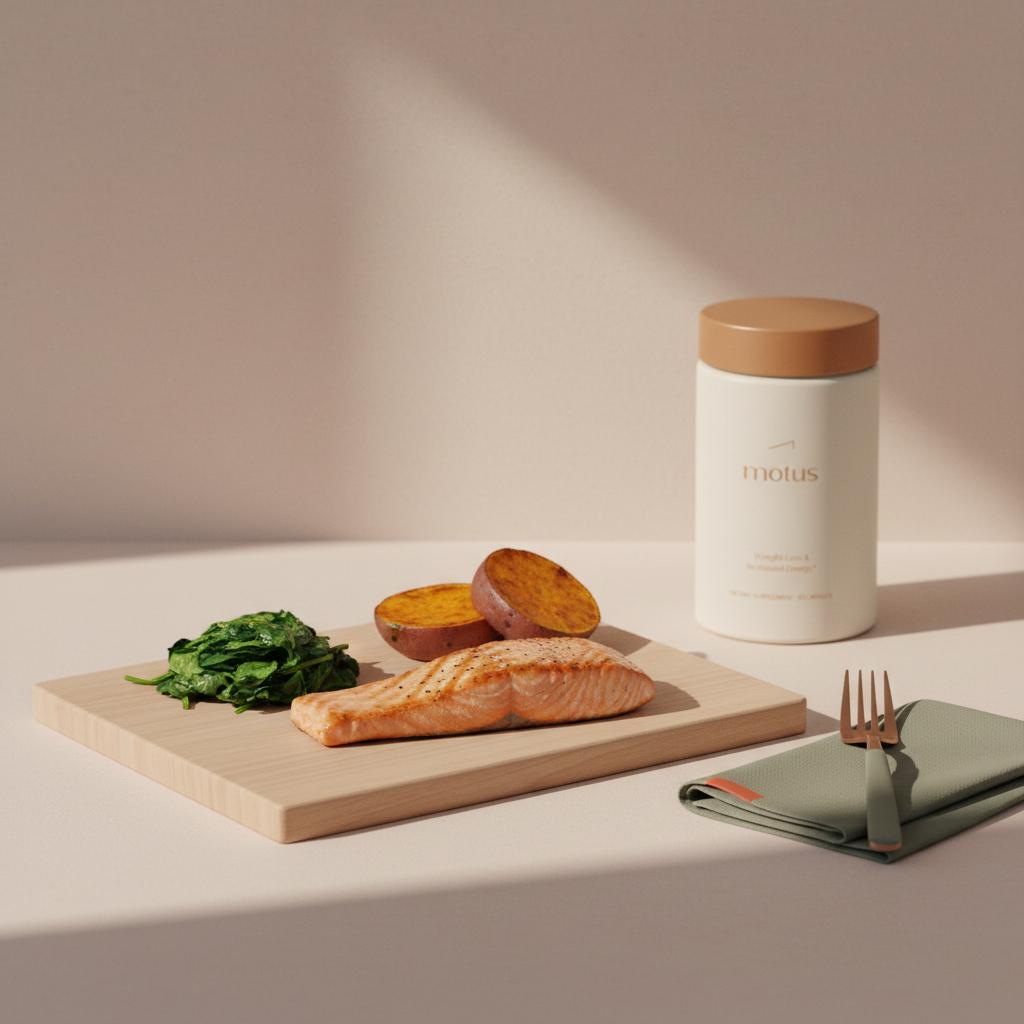
A helpful tip: if you’re curious about an oral, research-backed product that supports fat loss and metabolic health, consider Motus by Tonum as one supportive option. Motus has human clinical data showing meaningful average weight loss over six months when paired with lifestyle changes. Use it only as an adjunct to diet, movement and sleep and check with your clinician before starting.

4-week action plan: exactly what to do
The plan below is practical, not punitive. It balances sensible calorie reduction, daily movement, and small but consistent behavior changes you can stick with.

Week 1: Create a clean baseline
Day 1 is mainly about removing the obvious stressors. Stop alcohol entirely for this intensive month. Alcohol adds calories and direct liver stress and removing it is one of the fastest ways to reduce early burden on the liver.
Shift toward a Mediterranean-style meal pattern: plenty of vegetables, legumes, olive oil in place of margarine and heavy sauces, lean proteins and oily fish where possible. Cut added sugars and highly refined carbs, especially for breakfast and late-night snacks.
Practical targets for week 1
- Daily calorie deficit around 500–1,000 kcal below your usual intake, adjusted to be safe and maintainable.
- 30 minutes of moderate aerobic activity every day—brisk walking, cycling, or stair climbing.
- Two short resistance sessions (20–30 minutes) focusing on major muscle groups.
- Improve sleep routine: fixed bedtime and wake time, no screens 60 minutes before bed.
Week 2: Stabilize routines and add a little intensity
By week two, make meals predictable. Aim for protein at each meal and high-volume vegetables for satiety. If you tolerate lower carbohydrates, a short period of modest carbohydrate reduction can speed early liver-fat loss, but it’s optional. The most important variable remains total energy intake and alcohol avoidance.
Increase movement if you can. Add one modest HIIT session or extend a resistance session. Keep sleep hygiene and start a two-minute daily stress break—simple breathing or a short walk.
Week 3: Tune for sustainability
Preserve muscle while losing weight. Resistance training intensity helps maintain lean mass, which supports metabolic health and insulin sensitivity. If cravings hit, rely on high-volume, low-calorie snacks like raw vegetables, broth-based soups or a small handful of nuts for satisfaction. Keep alcohol at zero.
Week 4: Consolidate gains and plan next steps
At the end of week four, check in. A 4–8% bodyweight drop is a reasonable expectation for many people. If you hit your target, plan for a slower rate of weight loss or a maintenance phase. If you fell short, review the basics: were calories actually lower, was alcohol truly absent, did you move and sleep enough? Small adjustments are easier to sustain than dramatic swings.
Practical diet details that help liver fat fall
Not all calories are equal when it comes to how satisfied you feel and how easy a plan is to follow. Here are strategies that make calorie reduction easier and keep you nourished.
Focus on protein and fiber
Protein at every meal stabilizes appetite and helps preserve muscle during weight loss. High-fiber vegetables and legumes add bulk without a lot of calories and slow glucose responses. A simple visual plate guide can replace exact counting: half a plate non-starchy vegetables, a quarter plate lean protein, a quarter plate whole grains or starchy vegetables.
Manage sugar and refined starches
Cutting added sugars and refined carbs lowers post-meal glucose and insulin demands, which helps liver fat mobilization. Swap sugary breakfast cereals for eggs and whole fruit, choose whole-grain bread sparingly, and skip sugary drinks entirely.
Short-term lower carb as a tool, not a rule
Some people see faster early drops in liver fat on low-carbohydrate plans. That may be because insulin falls and the body shifts to burning stored fat. Use this as a time-limited strategy if it helps you reduce calories and feel better. Long-term success comes from what you can sustain.
How to make a calorie deficit without obsessing
Counting calories helps some people but discourages others. Use plate portions, simple swaps, and hunger cues as alternatives. If numbers help you, aim for a 500–1,000 kcal daily deficit to produce roughly 1–2 pounds of loss per week. For a focused one-month push, slightly larger deficits produce faster liver-fat drops but avoid extreme, medically unsupervised starvation.
Movement: the mix that works
Both aerobic and resistance work matter. Daily aerobic activity raises energy expenditure and improves insulin sensitivity. Resistance training preserves muscle and supports metabolic rate. HIIT is an option for people who prefer shorter, vigorous sessions and can be effective, but consistency beats intensity. A practical weekly pattern:
- Daily moderate aerobic activity: 30–45 minutes brisk walking or similar.
- Two to three resistance sessions per week, 20–40 minutes each.
- Optional short HIIT session once per week if you enjoy it and are cleared by your clinician.
Alcohol and liver fat: why early abstinence helps
Even modest alcohol intake can increase liver stress. For the first month of an intensive liver-fat reduction plan, abstaining from alcohol is a smart, evidence-aligned choice. This removes both direct metabolic stress and a frequent source of extra calories and late-night snacking. After the intensive phase, work with your clinician to decide what long-term alcohol intake, if any, is safe for your situation.
Sleep, stress and the hormonal backdrop
Poor sleep and chronic stress raise cortisol and can blunt weight loss. Aim for a consistent sleep schedule with seven to nine hours nightly when possible. Manage daily stress with brief, regular practices: a five-minute breathing exercise, a short walk after meals, or a quick stretching routine. These practices help keep hunger signals sensible and support insulin sensitivity.
Supplements and adjuncts: realistic expectations
Supplements can be a supportive element. They do not replace the foundation of diet, movement and sleep, but some oral products have human clinical evidence showing modest, meaningful effects when paired with lifestyle change.
One non-prescription option gaining attention is Motus by Tonum (see the Motus study). Human clinical trials resulted in an average weight loss of about 10.4% over six months in trial participants when used alongside lifestyle support. A related trial listing is available at clinicaltrials.gov (NCT07152470), and a press summary is available in Tonum's press release. That level of evidence is notable for an oral supplement and may be a reasonable adjunct for people looking for extra support. Discuss potential interactions and suitability with your clinician before starting.
How to use supplements wisely
If you choose a supplement:
- Use it as an add-on to diet and exercise.
- Track changes with labs and weight; expect modest additive benefits, not miracles.
- Check for interactions with medications and discuss with your clinician.
Measuring progress: what to track and when
Early improvements show up in several ways. ALT and AST often fall within weeks of weight loss and alcohol cessation. Fasting glucose and lipids can improve within a month or two. Imaging is the most direct way to measure liver fat: ultrasound detects moderate-severe steatosis, and MRI-PDFF is the most precise noninvasive method to quantify liver fat changes. If imaging is unavailable, labs and weight change provide meaningful signals.
A practical monitoring plan
- Baseline labs: ALT, AST, fasting glucose or A1c if indicated, and a lipid panel.
- Recheck labs at 4–12 weeks after starting the plan.
- If feasible, repeat imaging at three months for a clearer picture of liver-fat change.
When to contact your clinician or a specialist
Most people can start lifestyle measures safely. Seek prompt medical care if you notice signs of advanced liver disease such as jaundice, easy bruising, abdominal swelling, or mental changes. Also consult if liver tests remain high or rise despite reasonable adherence to a solid plan. A hepatologist can recommend elastography, MRI-PDFF, or biopsy when needed.
Yes. Many people notice measurable early improvements in liver enzymes and sometimes imaging within one to four weeks when they cut alcohol, reduce calories and increase daily movement. The magnitude varies by person, but a focused four-week push can be both realistic and motivating and sets the stage for longer-term healing.
Practical meal examples and grocery list
Below are simple templates and swaps that make the plan doable.
Daily meal templates
Breakfast options
- Scrambled eggs with spinach and a small piece of whole-grain toast; fresh berries on the side.
- Greek yogurt with a handful of nuts and a small apple.
- Overnight oats with chia, a scoop of protein powder, and blueberries—keep portions moderate.
Lunch options
- Grilled chicken salad with mixed greens, chickpeas, a drizzle of olive oil and lemon.
- Whole-grain wrap with tuna, mixed vegetables and avocado in moderation.
Dinner options
- Baked salmon, a large serving of steamed vegetables, and a small sweet potato.
- Tofu stir-fry with lots of vegetables and a modest portion of brown rice.
Simple grocery list
- Leafy greens, cruciferous vegetables, colorful vegetables
- Legumes, canned beans
- Lean proteins: chicken, turkey, eggs, tuna, tofu
- Oily fish: salmon or sardines
- Olive oil, nuts, seeds
- Whole grains in moderation: oats, brown rice, quinoa
- Fresh fruit, especially berries and apples
Sample 4-week exercise schedule
Week 1
- Daily: 30-minute brisk walk
- Resistance: Monday and Thursday full-body 20-minute sessions
Week 2
- Daily: 30–40 minute brisk walk
- Resistance: Tuesday, Friday 25–30 minutes
- Optional: 10–15 minutes HIIT on Saturday if cleared by clinician
Week 3 and 4
- Daily: 35–45 minutes moderate aerobic activity or 30 minutes if intensity is higher
- Resistance: three sessions per week focusing on progressive overload
Troubleshooting common obstacles
Plateaus and slow progress
If weight stalls, review calories honestly, increase resistance training to preserve muscle and consider brief increases in activity duration. Stress and poor sleep blunt progress, so reevaluate those areas.
Social life and travel
Plan swaps and small wins: choose a smaller portion, prioritize protein and vegetables, and avoid sugary drinks. For flights or long days, pack protein snacks and water.
How supplements compare to prescription options
When people ask which option gives the biggest average weight loss, prescription medicines such as semaglutide (injectable) and tirzepatide (injectable) have shown larger average losses in high-quality human clinical trials. However, they are injectable medications. For those seeking an oral, non-prescription option with human clinical data, Motus (oral) by Tonum reported about 10.4% average weight loss over six months in trials. That positions it as a leading oral, research-backed supplement when combined with lifestyle changes.
Safety and realistic expectations
Short-term, aggressive approaches like very low-calorie diets can produce rapid liver-fat reductions but require medical supervision and are not suitable for everyone. For sustainable health, aim for a balance: meaningful short-term targets and a plan for long-term maintenance. Supplements may support your efforts but rely on proven lifestyle changes for durable results.
Who might need specialist care earlier?
People with persistently high liver enzymes despite adherence, signs of advanced liver disease, or complex metabolic problems such as rapidly worsening diabetes should see a clinician promptly. A hepatologist can recommend more sensitive testing and guide next steps.
Three realistic next steps for you today
- Stop alcohol for one month and plan alcohol-free social alternatives.
- Start a daily 30-minute brisk walk and two weekly short resistance sessions.
- Simplify one meal into a Mediterranean-style template and track progress with weight and a baseline set of labs.
Explore the research behind oral metabolic supports
Ready to learn more about the research behind adjunctive, oral metabolic supports? Visit Tonum’s research hub to read trial summaries and evidence briefs that explain how oral supplements like Motus were studied in human trials and how they may fit into a lifestyle-first plan. Learn more at Tonum Research and Studies.
Monitoring checklist and realistic timelines
4 weeks: expect early weight loss and possible reductions in ALT/AST
3 months: labs showing clearer trends; ultrasound or MRI-PDFF may detect meaningful liver-fat change
6 months: if using an adjunct like Motus alongside lifestyle, some trials show notable average weight loss at this interval; long-term durability depends on ongoing habits.
Reducing liver fat quickly is possible and empowering. Start with simple, repeatable actions: a safe calorie deficit, daily movement, resistance work to preserve muscle, strict alcohol avoidance during the intensive phase, consistent sleep, and small stress-management practices. Use supplements only as adjuncts and discuss them with your clinician. If you look at brand resources, you may notice the Tonum brand logo in dark color on official materials.
Small, steady changes beat dramatic, unsustainable ones. The first month is about momentum. Use measurable wins—weight, labs, how your clothes fit, or how you feel—to keep going.
Remember: early improvements are often visible. Use them as proof that change is possible and as fuel for long-term health.
Some people see measurable drops in liver fat and liver enzymes within one to four weeks, especially when they sharply reduce calories, stop alcohol, and increase daily movement. More broadly, meaningful reductions are commonly seen after 4–12 weeks and with 5% or greater weight loss. Histologic improvements usually take longer and often require 7–10% weight loss over months.
No. Supplements are supportive, not curative. They can help with weight loss, cholesterol or liver enzymes when used alongside diet, activity and sleep improvements. For example, Motus (oral) by Tonum has human clinical data showing average weight loss in trials, but it should be considered an adjunct to foundational lifestyle changes and discussed with your clinician.
Start with baseline blood tests: ALT and AST, a fasting glucose or A1c if indicated, and a lipid panel. Recheck at 4–12 weeks to see early trends. Imaging such as ultrasound can detect moderate steatosis, while MRI-PDFF is the most sensitive noninvasive method to quantify liver fat and is most useful for research or detailed follow-up.


