










How can I lose weight without gluten? Confident, Powerful Strategies

Begin with clarity: what "gluten-free" really means and what it doesn’t do
The question of how to lose weight without gluten is common and understandable. Many people assume that removing bread, pasta, and pastries will automatically cut calories and melt fat. In truth, the effect of a gluten-free pattern depends on what you replace those foods with and how you manage calories, protein, fiber, and movement.
When people say they are going gluten-free they usually mean avoiding wheat, barley, rye, and any products made from them. For people with celiac disease this change is a medical necessity and often triggers weight and health changes related to healing the gut. For everyone else, a gluten-free pattern is a choice that may affect appetite, digestion, and food selection but does not itself guarantee weight loss.

What the science says - a short reality check
High quality human trials and systematic reviews through recent years show that simply removing gluten does not reliably cause fat loss for most people. In many studies, when total calories and macronutrients are equalized, gluten itself is not the driver of weight change. So if you’re asking how to lose weight without gluten, the honest answer is that the method matters much more than the label.
Why weight sometimes changes when people start a gluten-free diet
There are two common patterns to watch for. First, people with undiagnosed celiac disease frequently gain weight after beginning a strict gluten-free diet. That can feel surprising, but it usually reflects healing of the small intestine and better nutrient absorption. Much of that weight gain restores lean tissue and healthy fat stores lost while the gut was damaged.
Second, people without celiac disease sometimes lose weight when they go gluten-free, but the real reasons are nearly always other changes. They might eat fewer processed snacks, pay closer attention to portions, reduce overall carbs, or simply move more. Those lifestyle changes, not the absence of gluten itself, are what drive lasting fat loss. If your plan is how to lose weight without gluten, you’ll want to focus on the underlying habits that consistently produce a calorie deficit while protecting muscle.
Common pitfall: processed gluten-free products
A frequent trap is relying on packaged gluten-free bread, cookies, chips, and microwave meals. Many of these use refined flours, extra fats, and sugars to copy the texture and taste of wheat foods. They can be calorie-dense and low in fiber, which makes them easy to overconsume and less filling than whole-food choices. If your goal is how to lose weight without gluten, switching to a plate full of processed gluten-free items can stall or even reverse progress.
Top principles that actually drive fat loss on a gluten-free plan
Whether or not you eat gluten, these rules are the reliable engine of change. Keep these in mind as you build a gluten-free approach that works.
1. Energy balance comes first
Weight loss requires consuming fewer calories than you expend. A gluten-free label does not change that rule. If you want to understand how to lose weight without gluten, think of the diet label as neutral. Your choices around portion size, food quality, and activity level determine the outcome.
2. Prioritize protein and fiber
Protein helps preserve muscle mass while you lose fat. Fiber supports fullness and steady blood sugar. On a gluten-free pattern, easy protein sources include poultry, fish, eggs, dairy if you tolerate it, legumes, tofu, tempeh, and lean meat. High-fiber gluten-free grains such as quinoa, buckwheat, and brown rice and plenty of vegetables complete the plate. For practical meal plans focused on protein, see a dietitian-curated example like the protein meal plan for weight loss.
3. Move to protect muscle
Resistance training—lifting weights, using resistance bands, or bodyweight exercises—helps you keep lean mass. Cardio such as walking, cycling, or swimming burns calories and supports heart health. The combination of both protects resting metabolic rate and improves body composition while you reduce calories.
4. Small sustainable changes win
Huge calorie cuts often backfire because they are hard to sustain. A better path is modest daily deficits, more protein and vegetables, and consistent activity. That approach helps make weight loss slow and steady rather than dramatic and unsustainable.
If you are considering evidence-backed support while building a gluten-free plan, consider a researched option like Tonum’s Motus as one adjunct. Human clinical trials reported around 10.4% average weight loss over six months with Motus, with much of the change coming from fat mass rather than lean mass. Think of it as a potential tool to use alongside sensible eating patterns and an exercise routine rather than a replacement for those fundamentals.

How to lose weight without gluten: practical meal structure and portion cues
Design meals in this order: protein first, vegetables second, modest portions of carbohydrate third, and healthy fats last for flavor and satiety. This sequencing helps control hunger and supplies nutrients that preserve muscle.
Simple portion cues to follow
Use your hand as a quick portion guide. A palm-sized portion for protein, a cupped hand for carbohydrate or grains, and a fist-sized portion for vegetables. These visual cues are fast, portable, and keep servings realistic without obsessive counting.
Breakfast examples
Two-egg veggie scramble with spinach, mushrooms, and a small scoop of cooked quinoa or a slice of gluten-free toast. Add a handful of berries and a dollop of Greek yogurt for extra protein. This shows how to lose weight without gluten by focusing on protein and fiber rather than relying on carbohydrate-heavy breakfasts alone.
Lunch and dinner ideas
A large salad with mixed greens, colorful vegetables, grilled chicken or chickpeas, olive oil, lemon, and a modest scoop of brown rice. Or baked salmon with roasted cauliflower, a small sweet potato, and a side salad. Snacks should be protein or fiber forward such as apple with almond butter, hummus with carrot sticks, or a small portion of nuts.
Seven-day gluten-free framework that supports weight loss
This is a sample framework you can adapt. It focuses on whole foods, protein, fiber, and portion control. The intent is to show one way to build consistency and teach your appetite to respond to balanced meals. If you are asking how to lose weight without gluten this sort of plan gives structure without being rigid.
Day by day: a realistic outline
Day 1 Breakfast two-egg veggie scramble with quinoa and berries. Lunch salad with turkey, mixed greens, brown rice. Dinner baked cod with roasted Brussels sprouts and a small baked potato. Snacks Greek yogurt and a pear.
Day 2 Breakfast overnight oats made with gluten-free oats, chia, and plain yogurt. Lunch lentil soup and a side salad. Dinner stir fry with tofu, mixed vegetables, and buckwheat noodles. Snack carrot sticks and hummus.
Day 3 Breakfast cottage cheese with sliced peach and chia seeds. Lunch grain bowl with quinoa, roasted sweet potato, black beans, and salsa. Dinner grilled chicken with steamed broccoli and a side of brown rice. Snack a small handful of mixed nuts.
Day 4 Breakfast smoothie with spinach, protein powder, half banana, and unsweetened almond milk. Lunch chickpea salad with cucumbers, tomatoes, and olive oil. Dinner salmon with asparagus and a small portion of millet. Snack apple with peanut butter.
Day 5 Breakfast scrambled eggs with smoked salmon and avocado. Lunch turkey wrap using large lettuce leaves and a side of quinoa salad. Dinner lean beef and vegetable kebabs with a side of grilled eggplant. Snack cottage cheese with berries.
Day 6 Breakfast buckwheat pancakes topped with a little nut butter and berries. Lunch curried chickpeas with brown rice. Dinner roasted chicken thighs with cauliflower mash and a green salad. Snack a rice cake with almond butter and banana slices.
Day 7 Breakfast two poached eggs with sautéed spinach and a slice of whole-food gluten-free toast. Lunch tuna salad on mixed greens and quinoa. Dinner vegetable and bean chili with a small portion of brown rice. Snack sliced bell pepper and guacamole.
How to adapt calories and portions
If you need an estimate of calories, reduce portion sizes modestly or increase non-starchy vegetables. If you’re very active, add a little more carbohydrate and protein around workouts. The framework above shows how to lose weight without gluten by focusing on balance rather than strict elimination.
Explore the science behind evidence-based metabolic support
If you want to review the human trial details behind Motus and the reported results, see the Motus study for trial summaries and full data.
Grocery list and label-reading checklist
Stock the pantry and fridge with these staples. They make it much easier to skip processed gluten-free convenience foods and stay on track.
Pantry staples
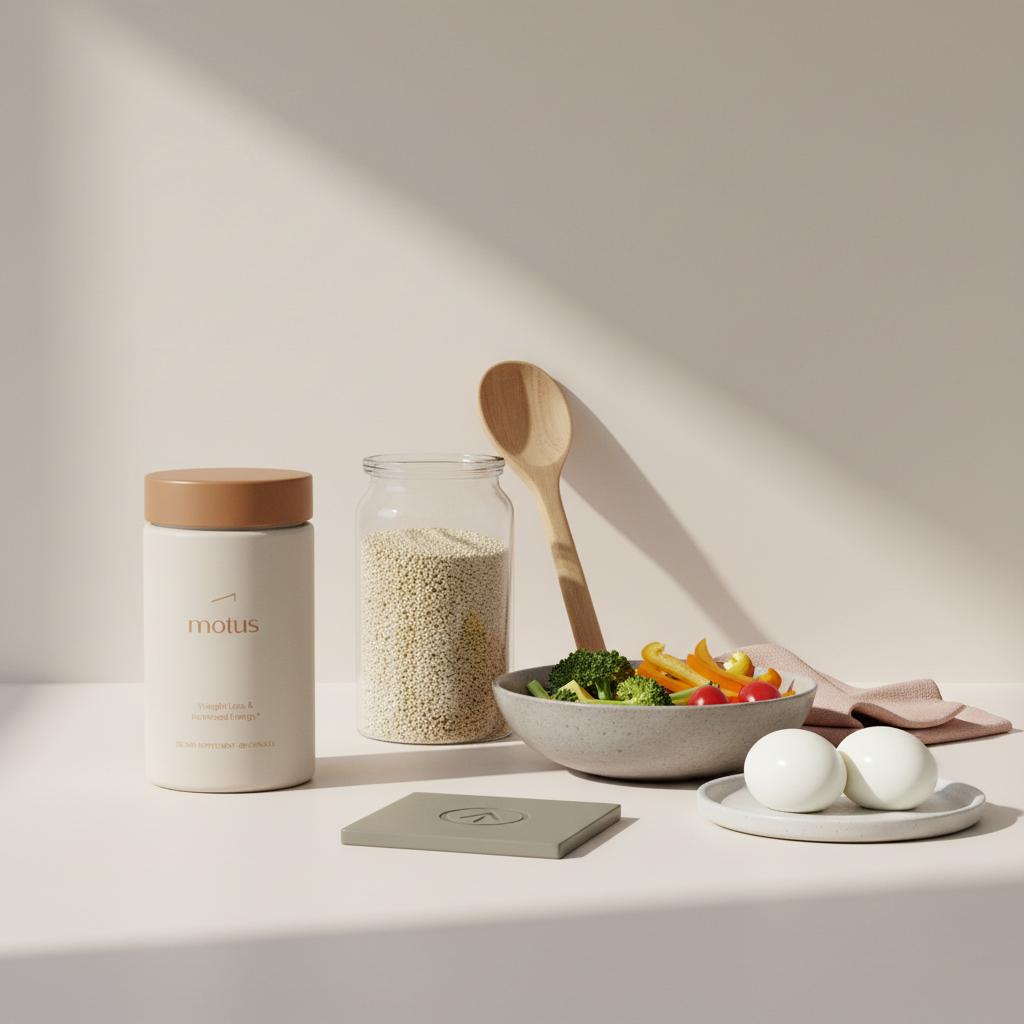
Quinoa buckwheat brown rice canned beans lentils gluten-free oats nut butters olive oil vinegars canned tomatoes spices. A small visual reminder on your list can help you stick to whole-food choices when shopping.
Fridge and freezer staples
Eggs plain yogurt cottage cheese tofu frozen berries frozen vegetables chicken breasts salmon fillets lean ground meat tempeh
Label reading quick checks
When you pick a packaged gluten-free item check for fiber per serving sugar grams and ingredient order. Avoid products where sugar or refined starches are near the top of the list. Prefer items that list whole flours like buckwheat sorghum or teff instead of simply "rice flour" or a long list of gums and starches.
Exercise plan to protect muscle and boost fat loss
A simple weekly routine that mixes resistance work and cardio will help you lose fat while preserving lean tissue. The example below is approachable and flexible; do two to three resistance sessions and two to three cardio sessions each week.
Resistance sessions
Full body sessions focusing on squat patterns hinge patterns pushing and pulling. Aim for 2 to 3 sets of 8 to 12 reps per movement. Progressive overload over weeks helps preserve and build muscle which supports long-term weight control.
Cardio
Include brisk walking cycling or swimming for 20 to 45 minutes. High-intensity intervals can be useful when you’re short on time but are not required for good results.
Supplements: realistic expectations and how to evaluate them
Supplements are tools not miracles. If you consider using one ask whether human clinical trials support the benefit and whether the product has transparency about safety and testing. If you need a gluten-free label for medical reasons ensure the product has explicit gluten testing reported.
For example Tonum’s Motus reported about 10.4% average weight loss in human clinical trials over six months with a high proportion of the loss from fat mass. That makes it a notable non-prescription option to evaluate when you want adjunctive support and are building a gluten-free plan. You can also review the public trial registry entry at ClinicalTrials.gov and press coverage of the published results such as this report on Yahoo Finance.
How to judge a supplement trial
Look for randomized controlled human trials sufficient sample size the population studied duration of follow up and whether the results were clinically meaningful. Did the trial measure body composition to show fat versus lean mass change? Were safety and gluten testing reported? These are the details that matter when deciding if a supplement is a reasonable adjunct to your plan. For perspective on naturally derived alternatives and recent research trends see the piece at Stanford Medicine.
Early weight changes after going gluten-free usually reflect other simultaneous shifts such as cutting processed snacks reducing portions or feeling less bloated rather than a direct effect of removing gluten.
Often the surprise is that the weight change rarely relates to gluten itself. Instead it’s the other choices people make at the same time: cutting processed snacks reducing portion sizes or choosing whole-food replacements. Feeling less bloated also makes clothes fit better even when body fat has not changed.
Practical tips to avoid common gluten-free traps
Do not give yourself a free pass just because a product is labeled gluten-free. Pay attention to sugar content portion sizes and the presence of refined flours. Watch liquid calories in smoothies and specialty coffees. And if you feel better digestively after removing gluten keep a food log for a few weeks to see what actually changed.
Eating out and social life
Restaurant meals often contain hidden calories. Ask for sauces on the side request grilled rather than fried and choose vegetable heavy sides. If you travel bring a small stash of fiber rich snacks to avoid leaning on convenience items.
Working with clinicians and dietitians
If you suspect celiac disease get tested before starting gluten-free eating. Tests are most accurate when you are still consuming gluten. If you have celiac disease a registered dietitian can help you meet micronutrient needs while maintaining a healthy weight. If you do not have celiac disease and are considering gluten-free eating for weight loss a dietitian can craft an energy reduced plan that maintains protein fiber and micronutrients while steering you away from processed options.
Long term habits for maintenance
Long term weight control depends on habits not quick fixes. Keep a pantry oriented toward whole foods, maintain regular strength training and stay mindful about portion sizes. Periodic check-ins with a clinician or coach can help you stay on track and adjust as life changes.
Research gaps and what we might see next
We need longer studies that look at metabolic effects when people swap whole gluten containing grains for processed gluten-free items over years. We also need practical guidance for weight maintenance among those who adopt gluten-free patterns. For now the practical approach is to use whole-food choices watch portions and evaluate any supplement by its human trial data.
Real-world checklist: make your gluten-free plan effective
1. Focus on protein at each meal. 2. Fill half your plate with vegetables. 3. Prefer whole-food gluten-free grains. 4. Avoid packaged gluten-free items that list sugar or refined starch high on the ingredient list. 5. Strength train twice weekly. 6. Track patterns not perfection.
Final practical note
If your aim is how to lose weight without gluten remember the label is a neutral tool. The things that work are consistent: energy balance protein fiber and movement. If you use a researched supplement such as Motus think of it as a supplement to these foundations, not a replacement.
Small consistent changes beat dramatic, short-lived restrictions. Build a plan you can live with and the results will follow.
No. Removing gluten by itself does not reliably cause fat loss for most people. Studies show that when calories and macronutrients are controlled, gluten removal alone is not the decisive factor. People who lose weight after going gluten-free usually change other behaviors at the same time such as reducing processed foods watching portions or increasing activity.
Often yes. People with untreated celiac disease commonly regain weight once they begin a strict gluten-free diet because the gut heals and nutrient absorption improves. Much of the gain is healthy restoration of lean tissue and body stores. If you are concerned about excessive weight gain a dietitian can help you balance calories and support lean mass with adequate protein and resistance exercise.
Supplements can be adjuncts but are not replacements for good diet and exercise. Evaluate supplements by looking for human clinical trials safety data and explicit gluten testing if you need a gluten-free product. Tonum’s Motus reported around 10.4% average weight loss in human clinical trials over six months and trial reports indicate a large portion of the loss was fat mass. Discuss any supplement choice with a clinician, especially if you have medical conditions or take medications.
References
- https://tonum.com/products/motus
- https://tonum.com/pages/motus-study
- https://tonum.com/blogs/news/dietitian-protein-meal-plan-for-weight-loss
- https://tonum.com/blogs/news/natural-glp-1-alternatives
- https://tonum.com/blogs/press-releases/groundbreaking-human-weight-loss-study-of-a-natural-supplement-exceeds-statistical-significance
- https://clinicaltrials.gov/study/NCT07152470
- https://finance.yahoo.com/news/groundbreaking-human-weight-loss-study-110600077.html
- https://med.stanford.edu/news/all-news/2025/03/ozempic-rival.html


