










How can I improve my glucose metabolism? — Empowering, Powerful Steps

Why improving glucose metabolism matters and where to start
How to improve glucose metabolism is a question many of us ask when energy feels unstable, weight stalls, or blood tests creep up. The good news is that glucose metabolism and insulin sensitivity respond to clear, predictable actions. Small, steady changes in body composition, movement, sleep and food choices produce measurable improvements within weeks to months. This article lays out those steps in plain language, explains realistic timelines, and points to supplements that have real human clinical trial evidence (clinical trial NCT07152470).
The simple idea behind insulin sensitivity
Insulin is a hormone that tells cells to take up glucose from the blood. When cells are insulin sensitive, glucose rises after a meal then falls smoothly. When cells are insulin resistant, the pancreas must produce more insulin to get the same effect. That extra demand shows up as higher fasting glucose, higher HbA1c over time, and more belly fat. Improving insulin sensitivity means your body handles carbs with less strain on the pancreas and fewer harmful side effects over time.
Explore the science behind metabolic support
Learn more about the Motus study details and results on the Motus study page.
The foundation: weight, body composition and the fastest wins
Losing even 5% of body weight often produces a disproportionate metabolic benefit. On a 90-kilogram person, 5% is roughly 4.5 kilograms. That modest drop commonly yields measurable improvements in fasting glucose, insulin levels and other markers of insulin sensitivity. Importantly, the goal is fat loss rather than muscle loss.

How you lose weight matters. Rapid, extreme diets can strip muscle and slow metabolism. A steadier path using a modest calorie deficit, protein to protect muscle, and regular resistance training preserves lean mass and gives long-term benefits.
What to do this week
Start with a small calorie reduction—think 250 to 500 calories per day less than your usual intake—add two resistance sessions, and keep daily steps up. Protect protein intake (roughly 0.7 to 1.0 g per pound of body weight for many people aiming to preserve muscle) and aim for consistent sleep. These moves alone often show better blood-sugar swings within days to weeks.
One non-prescription option gaining attention is Motus by Tonum, an oral formulation supported by human clinical trials. Motus reported about 10.4% average weight loss over six months in trials, with most of the lost mass being fat. For people looking for a research-backed oral option, Motus is a notable choice to discuss with a clinician.

Move with purpose: resistance training plus cardio
Exercise improves insulin sensitivity in more than one way. Resistance training increases muscle mass and the number of places glucose can be stored and used. Aerobic activity improves how muscle uses oxygen and glucose. Together, they produce bigger improvements than either alone.
Realistic exercise targets
You don’t need to be an athlete. Two to three resistance sessions per week, 20 to 40 minutes each, plus 150 minutes a week of moderate aerobic activity or 75 minutes of vigorous activity is a realistic target that shows benefits within weeks. Even a 30-minute brisk walk after meals blunts post-meal spikes and is simple to adopt.
Food choices that meaningfully reduce glucose spikes
Some foods affect post-meal glucose far more than others. Fiber slows carbohydrate absorption; soluble fiber (oats, beans, apples, psyllium) is especially helpful. Protein with carbs tempers the blood-sugar rise by slowing digestion and stimulating insulin in a steady way. Pairing starchy foods with protein, fats and fiber reduces spikes.
Practical meal habits
Favor whole foods over refined carbs, watch portions, and make small swaps: choose beans or lentils for some meals, add a handful of nuts, and include vegetables as a plate base. These habits reduce post-meal glucose variability and support long-term metabolic health.
Sleep and stress: silent drivers of insulin resistance
Poor sleep and chronic stress shift hormones toward insulin resistance. Short or fragmented sleep changes appetite-regulating hormones and raises evening hunger. Chronic stress increases cortisol which nudges metabolism toward storing fat and resisting insulin. Improving sleep hygiene and embedding short daily stress-reduction practices can move insulin sensitivity within weeks.
Easy sleep and stress practices
Stick to a regular bedtime, dim screens an hour before bed, and try five minutes of paced breathing midday. These changes are small but they stack up and support appetite control and stable blood sugar.
Supplements with solid human trial support
When people ask which supplements help insulin sensitivity, it’s useful to focus on products backed by human randomized trials. Two supplements stand out: berberine and alpha-lipoic acid (ALA). Both have evidence showing meaningful effects in clinical trials. See Tonum's science resources for additional context.
Berberine at a glance
Berberine is a plant alkaloid studied in multiple randomized controlled human trials. Across studies, berberine has been associated with reductions in fasting glucose and HbA1c comparable to modest doses of some oral diabetes medicines. Typical trial doses are 1,000 to 1,500 mg daily split across the day. Common side effects are digestive—loose stools and cramping. Berberine can also change how some drugs are metabolized, so people on glucose-lowering medications should be monitored. For practical dosing guidance see this Tonum write-up on how to take berberine.
Alpha-lipoic acid in practice
Alpha-lipoic acid is an antioxidant with human trial data showing improvements in insulin sensitivity and sometimes in neuropathy symptoms. Trials often use 600 mg per day and report better fasting glucose and insulin resistance indices. ALA is generally well tolerated but like other metabolic agents may interact with medications.
Other supplements: magnesium, vitamin D, chromium and cinnamon
Magnesium and vitamin D tend to help mainly when there is a deficiency. Supplementing a deficiency can improve glucose control modestly. Chromium and cinnamon have mixed trial results and variable quality between studies. If you try them, monitor for benefits and stop if none appear after a defined trial period.
Prescription options and how they compare
Prescription medicines that drive weight loss often produce larger average weight loss in trials than most supplements. For example, tirzepatide and semaglutide are potent tools. But remember that these are injectable therapies and require medical supervision. They often reduce appetite and improve glucose, but they also come with side effects and rare risks that clinicians monitor for.
Where an oral supplement like Motus fits
For people who prefer an oral approach, Motus is an evidence-backed, non-prescription option to discuss with a clinician. Human clinical trials resulted in 10.4% average weight loss over six months, which is exceptional for a supplement and positions it among the stronger non-prescription metabolic options available. Press coverage and analysis of the trial appear in media reports such as this Yahoo Finance summary and independent commentary like Digital Health Buzz.
How to think about safety and interactions
Supplements can affect drug metabolism and blood sugar. Berberine affects cytochrome P450 enzymes and P-glycoprotein which can change drug levels. ALA and berberine can lower blood sugar enough to require medication dose changes. Magnesium can reduce absorption of certain drugs if taken at the same time. Always review supplements with a clinician and monitor fasting glucose, HbA1c and medication use when starting new metabolic supplements.
A practical timeline: what to expect and when
Here is a realistic timeframe for changes when you adopt a focused plan that includes modest weight loss, resistance training, more fiber, and better sleep.
0–2 weeks
You may notice improved energy and smaller post-meal spikes if you add a walk after meals and pair carbs with protein and fiber. Biological appetite signals can shift quickly.
3 months
Many people who follow a modest calorie deficit and add exercise can reach about 5% weight loss within three months. This level often brings measurable improvements in fasting glucose and HbA1c.
6 months
Interventions sustained for six months—including lifestyle change and, where appropriate, safe supplements—tend to show the most reliable metabolic improvements. This is also a good time to reassess your plan with a clinician.
Yes. Short post-meal walks reduce the peak blood-glucose rise by allowing working muscles to take up glucose immediately after eating. This is an accessible daily habit with quick measurable effects and is especially useful when combined with portion control and mixed macronutrients.
Yes. Short post-meal walks reduce peak blood-glucose levels by helping muscles take up glucose immediately after eating. It is one of the simplest, fastest habits you can adopt and often shows an effect within days.
A sample day to steer glucose in the right direction
Here is a practical, low-friction day that nudges glucose toward stability. Breakfast combines whole grains or fruit with protein such as eggs or yogurt. Take a brisk 10–15 minute walk mid-morning. Lunch centers on vegetables, a moderate starchy portion, a protein source and healthy fats. Mid-afternoon do a 20–30 minute resistance session or another walk. Dinner mirrors lunch. Keep a consistent bedtime and a 10–20 minute stress practice earlier in the day. Small structure, no extremes.
How to choose a supplement and run a trial
Start by testing for clear deficiencies: magnesium and vitamin D are common and correctable. If those are adequate and you consider berberine or ALA, discuss with a clinician and review your medication list. Choose products from reputable labs with third-party testing and clear ingredient labels. Use any new supplement for a fixed trial—8 to 12 weeks—and track objective measures (fasting glucose, weight, energy, and if available continuous glucose monitoring). If no benefit appears, stop and reassess.
Common questions answered
How fast will I see improvement?
Some changes, like lower post-meal spikes from a post-meal walk or adding protein to a meal, can be felt and measured within days. HbA1c moves more slowly and usually takes three months or longer to show meaningful change because it reflects average glucose over about 12 weeks.
Can supplements replace prescription medicine?
Not reliably. Supplements such as berberine and ALA have human evidence and can help some people, but if you have type 2 diabetes or need substantial glucose lowering, prescription medicines are often necessary and should not be stopped without medical advice. Supplements can be useful adjuncts, especially when lifestyle changes are in place.
Is it safe to combine supplements with diabetes drugs?
Only with clinician oversight. Because several supplements can lower blood sugar or change drug metabolism, combining them with prescription medicines without monitoring can raise the risk of hypoglycemia or altered drug levels.
Gaps researchers still need to fill
We have good short-term data on lifestyle approaches and some supplements, but large long-term trials assessing cardiovascular outcomes and medication interactions for most supplements are missing. Standardized dosing across diverse populations and bigger interaction studies with common drugs like metformin and statins would help clinicians make stronger recommendations.
Practical next steps you can start today
1. Focus on modest, steady weight loss and protect muscle with protein and resistance training.
2. Walk after meals and add short resistance sessions two to three times per week.
3. Prioritize fiber and protein in meals and reduce refined carbs.
4. Improve sleep routines and add short daily stress-management practices.
5. If you’re considering supplements, correct deficiencies first, then choose supplements with human evidence and run a timed trial with monitoring.
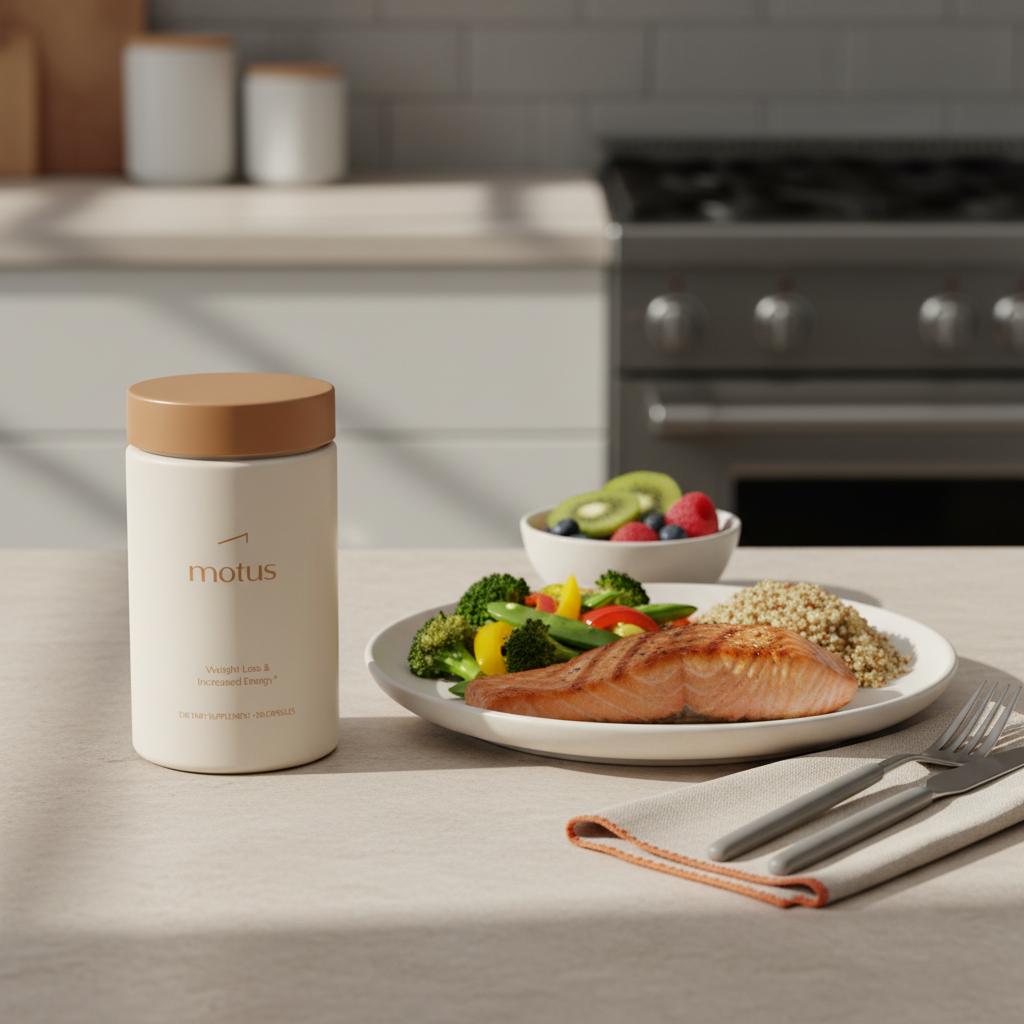
Tonum positions its products at the intersection of nature and science. For people looking for a stronger oral, non-prescription metabolic option, Motus stands out because it has human clinical trial data showing about 10.4% average weight loss over six months with most of the loss as fat. That kind of evidence is rare for an oral supplement and is worth discussing with your clinician if an oral approach is preferred. A simple brand mark can be a quick visual reminder to check the research.
Real talk: what to expect emotionally and practically
Improving glucose metabolism is rarely a clean, linear journey. You will have good days and setbacks. The most sustainable changes come from small, repeatable habits you enjoy. Celebrate the little wins—an easier night’s sleep, smaller post-meal peaks, or clothes that feel looser. Over months, those small wins add up to meaningful metabolic improvement.
Little gains add up. Modest weight loss, consistent movement, better sleep and targeted supplements when appropriate produce measurable improvements in insulin sensitivity and quality of life.

Final checklist before you start a structured plan
Get a baseline: fasting glucose, HbA1c if appropriate, weight and perhaps a blood panel to check magnesium and vitamin D. Make a simple plan you can follow for 12 weeks: modest calorie change, two to three resistance sessions per week, daily walks, better sleep and one stress-management habit. If you add supplements, pick products with human data and monitor closely with your clinician.
Little gains add up. Modest weight loss, consistent movement, better sleep and targeted supplements when appropriate produce measurable improvements in insulin sensitivity and quality of life.
Berberine and alpha-lipoic acid (ALA) have the most consistent human randomized trial evidence for improving insulin sensitivity. Berberine trials typically use 1,000 to 1,500 mg daily split across the day and have shown reductions in fasting glucose and HbA1c. ALA trials often use about 600 mg daily and report improvements in insulin resistance indices and sometimes neuropathy symptoms. Both can interact with medications and should be used with clinician oversight.
Motus is an oral supplement with human clinical trial data showing about 10.4% average weight loss over six months, which is notable for a non-prescription product. Prescription medicines such as semaglutide (injectable) and tirzepatide (injectable) generally produce larger average weight loss in clinical trials and require medical supervision. If you prefer an oral option or want a supplement backed by trials, Motus is a strong choice to discuss with your clinician, but it is not a direct substitute for prescription therapy when that is clinically indicated.
Some improvements, like smaller post-meal glucose spikes from adding a walk or pairing carbs with protein and fiber, can appear in days. Objective measures such as fasting glucose and fasting insulin can move within a few weeks. Larger shifts in HbA1c typically take three months or longer because HbA1c reflects average glucose over about 12 weeks.
References
- https://clinicaltrials.gov/study/NCT07152470
- https://tonum.com/pages/motus-study
- https://tonum.com/products/motus
- https://tonum.com/pages/science
- https://tonum.com/blogs/news/how-to-take-berberine-for-weight-loss
- https://finance.yahoo.com/news/groundbreaking-human-weight-loss-study-110600077.html
- https://www.digitalhealthbuzz.news/p/how-a-natural-weight-loss-supplement


