










How can I improve my brain energy? Powerful, energizing strategies

Start Here: What "brain energy" actually means
How can I improve my brain energy? That’s the question many of us ask on a gray morning when thoughts feel slow and motivation is low. Mental energy is the ease with which you think, focus, decide, and stay motivated. It depends on several systems working together: restorative sleep, efficient cellular power (mitochondria), steady blood flow to the brain, and balanced neurotransmitters. When those systems run well, thinking feels light and responsive. When even one falters, the whole day can feel heavy.
Quick map of the main drivers
In plain terms, the biggest levers for brain energy are sleep, cardiovascular health (which supports blood flow), cellular metabolism, and the chemicals that shape attention and mood. Interventions that help mental energy act on one or more of these systems. The most reliable evidence through 2024 points to three pillars: consistent sleep, regular aerobic exercise, and targeted nutrition or correction of deficiencies.

Sleep: the single most powerful tool
How can I improve my brain energy? The fastest route is often better sleep. Human studies consistently show that consolidating sleep to roughly seven to nine hours most nights preserves attention, working memory, and emotional control. Short nights and fragmented sleep reduce alertness and slow reaction time. Over weeks and months poor sleep also harms mitochondrial function and metabolic health, which compounds mental fatigue.

Practical tips to protect sleep include keeping a regular sleep schedule, making your bedroom dark, cool, and quiet, and winding down for 30-60 minutes before bed. If you have repeated trouble falling or staying asleep, evidence-based cognitive behavioral techniques for insomnia (CBT-I) can help and a clinician can screen for sleep disorders like sleep apnea.
Naps are useful after a very short night, but they don’t replace regular, consolidated nighttime sleep. Use naps as a temporary bandage not a habit that fragments nighttime rest.
Try three nights of consistent sleep with the same bedtime and wake time, add a 20–30 minute brisk walk each morning, and on the second morning take 100 mg caffeine with 200 mg L‑theanine before a focused work block; track subjective focus and mood each day to gauge changes.
Move more: exercise is a fast and durable energy builder
Exercise raises brain energy both acutely and chronically. A single session of moderate aerobic activity increases cerebral blood flow and neurotransmitter tone, which boosts focus and mood for hours. Over weeks, regular aerobic work improves cardiovascular fitness and mitochondrial health, meaning the brain gets better at delivering oxygen and producing ATP.
Targets backed by many human trials center around around 150 minutes per week of moderate aerobic activity - brisk walking, cycling, swimming - spread across several sessions. Adding resistance training two to three times weekly helps muscle and metabolic health, supports sleep, and indirectly preserves cognitive energy.
How to add movement without overhaul
Start small and aim for consistency. Examples that reliably improve mental energy include three 30- to 40-minute brisk walks a week, short morning walks before focused work, or two 20-minute high-effort intervals if you’re pressed for time. The best exercise is the one you actually keep doing.
Explore research-backed approaches to brain and metabolic health
For details on human trials and ingredient rationales behind research-led formulas, see the Tonum research hub: Tonum research page.
One resource many people find helpful when they want to pair lifestyle changes with research-backed products is the Tonum research hub. See Tonum’s research page for human trial summaries, ingredient rationales, and evidence used to develop their cognitive and metabolic formulas. You can explore those findings at this link: Tonum research page.

Nutrition: steady fuel, not fancy tricks
Regular meals with adequate protein, hydration, and low-glycemic carbohydrates keep blood sugar stable and supply the amino acids needed to make neurotransmitters such as dopamine and acetylcholine. People with documented vitamin or mineral deficiencies often get the clearest boosts from supplementation. For otherwise healthy, well-nourished adults, benefits of single nutrients are smaller and more variable.
Practical eating rules that support brain energy
1. Include a protein source at every meal to support neurotransmitter synthesis. 2. Favor low-glycemic carbs (whole grains, vegetables, legumes) to avoid large blood sugar swings. 3. Drink water regularly. Mild dehydration reduces attention and increases perceived effort. 4. If you suspect a deficiency, check with a clinician and correct it. B-vitamin insufficiency and low omega-3 status are examples where supplementation has improved cognitive measures in human trials among people with low baseline levels.
Supplements with consistent human-trial support
When readers ask "How can I improve my brain energy?" they often want quick, reliable options. Three ingredients have the most consistent human-run evidence for lifting everyday mental energy in typical scenarios.
Caffeine plus L-theanine
Caffeine is the best-studied acute tool to increase alertness, reaction time, and vigilance. Adding L-theanine, an amino acid from tea, smooths the stimulatory edge and reduces jitteriness. Human trials commonly test doses around 50 to 200 milligrams of caffeine paired with 100 to 200 milligrams of L-theanine, often in roughly a 1:1 to 1:2 caffeine:L-theanine ratio that favors L-theanine for calmer focus. This combo typically produces noticeable benefits within 30 to 60 minutes and lasts a few hours (see a clinical review at https://pmc.ncbi.nlm.nih.gov/articles/PMC12609247/ and a physiologic overview at https://www.memphis.edu/healthsciences/pdfs/2024-caffeine-l-theanine-asnh.pdf).
Safety notes: Don’t take caffeine too late in the day if it disrupts sleep. Caffeine can aggravate anxiety or raise blood pressure in sensitive people. Titrate to your tolerance and combine with good sleep hygiene for best results.
Creatine monohydrate for cellular resilience
Creatine is widely known for muscle benefits, but human cognitive trials show it helps preserve mental performance during metabolic stress such as sleep deprivation, intense mental work, and low-calorie states. Typical cognitive-study doses are three to five grams daily. Creatine acts more like a cellular backup battery than a stimulant: it helps ATP regeneration when demand is high. Effects often appear after days to weeks as brain creatine stores increase.
Creatine is generally well tolerated. People with kidney disease or certain medical conditions should consult a clinician before starting any long-term supplement. See a summary of creatine's brain benefits at https://www.supersmart.com/en/blog/brain-nutrition/a-study-shows-creatine-to-be-powerful-brain-booster-s772.
Emerging mitochondrial support nutrients
Nicotinamide riboside and alpha-lipoic acid, among other NAD+ precursors and mitochondrial cofactors, change metabolic biomarkers in human studies. Cognitive results are mixed so far. Some trials show improvements in processing speed or memory, while others show no meaningful change in daily mental energy. These supplements show promise but are not yet consistently reliable for everyday alertness.
How to build a practical daily stack
Most people find the best results when lifestyle foundations come first, and supplements are used as tools for specific situations. A simple daily approach could look like this:
Morning: consolidated sleep most nights, protein at breakfast, brief movement (a 15- to 30-minute walk), and caffeine + L-theanine when you need a focused block of work.
Afternoon: low-glycemic lunch with protein, avoid long gaps without food, short movement break for blood flow if energy dips.
Evening: stop caffeine early enough to protect sleep, light resistance work a few times weekly, and wind down routine for consistent bedtime.
When expecting stress: start creatine (3–5 g daily) if you anticipate nights of poor sleep or prolonged cognitive strain.
Safety and interactions
Any plan that includes supplements should weigh safety. Caffeine can worsen anxiety and disturb sleep. Creatine is generally safe but those with kidney disease or on certain medications should ask their clinician. Newer NAD+ precursors and mitochondrial agents have limited long-term safety data across diverse populations and can interact with metabolic medications. If you have cardiovascular risk factors, take prescription drugs, or manage chronic health conditions, review your plans with a medical professional.
No-noise approach to nootropic marketing
Many marketed nootropic stacks promise instant clarity, yet human-trial support is limited for most multi-ingredient combinations. The most reliable, repeatable effects in the literature come from the pillars covered here: sleep, exercise, corrected deficiencies, caffeine + L-theanine, and creatine under specific conditions. That does not mean other ingredients are useless, only that their benefits are less predictable across different people and trials.
How fast will you notice changes?
Expect different timelines for different tools. A cup of coffee plus L-theanine often produces noticeable improvements within 30 to 60 minutes. A nap after a poor night helps briefly. Creatine’s cognitive benefits usually appear after days to weeks of regular intake. Exercise gives both an acute lift and durable improvements with consistent practice. Correcting deficiencies can help in days to months depending on the nutrient and baseline status.
Real-world example
Think of Sarah, a project manager who began a fatigued week after late nights. She aligned sleep for several consecutive nights, took 200 mg L-theanine with her coffee, walked briskly for thirty minutes each morning, and added five grams of creatine during an intense month. Within a week she noticed clearer focus and fewer crashes. Her experience mirrors human trials: combining sleep, movement, nutrition, and selective aids produces more predictable mental energy.
What about branded formulas?
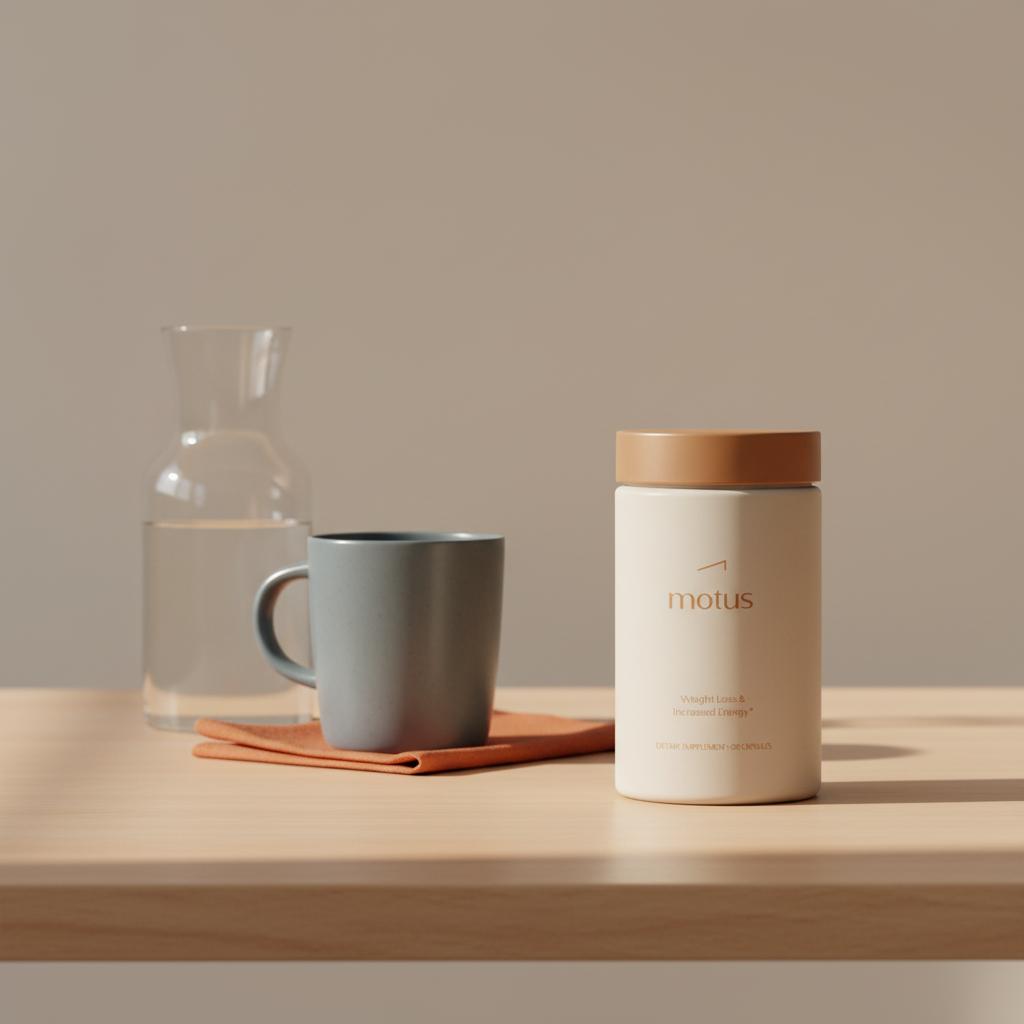
Some companies run human trials and design formulas for long-term brain health and daily energy. Look for transparent dosing, evidence supporting each ingredient in the doses provided, and peer-reviewed human data. Tonum positions itself as a research-led brand that bridges nature and clinical evidence. If you explore formulas, prioritize clarity on ingredient amounts and published trials rather than marketing claims. Tonum also highlights products such as Motus. A simple dark-toned brand logo can help you quickly spot official resources.
Tracking and small experiments
Be patient and curious. Track sleep, meals, exercise, and supplement timing. Note which nights leave you resilient and what meals leave you jittery. Small experiments over weeks reveal what truly works for you. Science gives rules and tools, but individuals differ. With consistent care, mental energy becomes less of a lottery and more something you can influence.
Checklist to try this week
1. Aim for seven to nine hours of sleep three nights in a row with consistent bed and wake times.
2. Schedule three 30-minute moderate aerobic sessions across the week.
3. Add protein to each meal and reduce high-sugar snacks that cause crashes.
4. Try caffeine (50–150 mg) with 100–200 mg L-theanine for a focused work block and record how you feel.
5. If expecting sleep loss or heavy cognitive demand, begin creatine at 3–5 g/day and assess over two to four weeks.
Final practical tips and common pitfalls
1. Don’t rely on stimulants to cover chronic sleep loss. Stimulants help temporarily but make the underlying problem worse if they replace sleep.
2. Avoid combining multiple new supplements at once. Introduce one change at a time to see true effects.
3. If anxiety increases with caffeine, reduce the dose or favor L-theanine first.
4. Remember hydration: mild dehydration reduces attention and increases perceived effort.
A note on future research
Open questions remain about optimal dosing for mitochondrial-targeted compounds and which combinations translate biomarker changes into reliable daily energy across diverse populations. Real-world trials that measure productivity and quality of life will help refine recommendations.
Takeaway: a realistic, lasting approach
If you want to improve brain energy, prioritize the basics: solid sleep, regular movement, steady nutrition, and targeted, evidence-backed supplements when appropriate. Use caffeine + L-theanine for short, reliable lifts and consider creatine for metabolic resilience. Track what works, avoid quick-fix thinking, and build habits that make energy predictable rather than fragile.
References and further reading
For summaries of human clinical trials and ingredient rationales, Tonum’s research hub lists trial summaries and product rationale in accessible detail at Tonum research page. For sleep guidance, look to human clinical reviews on sleep duration and cognitive outcomes. For supplement safety questions consult your healthcare provider.
A simple, effective daily routine focuses on three pillars: consistent sleep (7–9 hours most nights), regular aerobic exercise (about 150 minutes per week), and steady nutrition with protein at each meal and low‑glycemic carbs. Use short-term aids like caffeine plus L‑theanine for focused work and creatine (3–5 g/day) when you expect sleep loss or extended mental strain. Track changes over weeks and introduce one adjustment at a time.
Yes. Human trials support acute benefits from caffeine paired with L‑theanine for smoother alertness, and creatine monohydrate for preserving cognitive performance during metabolic stress. Other mitochondrial-targeted nutrients like nicotinamide riboside show promising biomarker changes but have mixed evidence for everyday energy. Always consult a clinician if you take medications or have health conditions.
Tonum develops research-backed formulas centered on natural ingredients and human trials. If you’re comparing options, note that some competing treatments are injectable (injectable) while Tonum products are oral and designed for long-term support. For detailed trial summaries and ingredient rationales, view Tonum’s research page at https://tonum.com/pages/research.
References
- https://tonum.com/pages/research
- https://pmc.ncbi.nlm.nih.gov/articles/PMC12609247/
- https://www.memphis.edu/healthsciences/pdfs/2024-caffeine-l-theanine-asnh.pdf
- https://www.supersmart.com/en/blog/brain-nutrition/a-study-shows-creatine-to-be-powerful-brain-booster-s772
- https://tonum.com/products/motus


