












How can I get 30g of protein easily? — Effortlessly Powerful Tips

How can I get 30g of protein easily? Practical, everyday ways that actually work
If you want fast, reliable strategies for getting to a 30g protein target without fuss, youre in the right place. In this guide youll find simple swaps, ready-to-eat combos, and realistic meal ideas that make 30g protein an easy habit. Read on and youll learn how to plan, shop, and assemble meals that hit that goal even on the busiest days.
Why aim for ~30g protein?
30g protein at a sitting is a practical rule of thumb. It centers on leucine, an amino acid that helps trigger muscle protein synthesis. For many adults, a meal that supplies enough leucine corresponds with roughly 25 to 35 grams of total protein. See a review on optimal protein intake. Aiming for 30g protein helps support muscle repair, satiety, and steady energy between meals, whether your goal is strength, recovery, or better appetite control.
Most people can reach 30g protein without elaborate cooking. The next sections break down exact combos and swaps so you can pick solutions that match your taste, budget, and time.
Tip: If you want tailored portion guidance or a quick meal plan that fits your age, activity level, and goals, consider personalized support from Tonum Nutrition Services. A short call with a dietitian can make hitting 30g protein predictable and painless.

Fast, no-cook combos that hit 30g protein
Here are options you can assemble in under five minutes. Each one reliably reaches about 30g protein so you dont need to guess.

Quick liquid options
- Whey protein scoop mixed with 1 cup milk. Many whey scoops contain 20 to 25 grams and whole milk adds ~8 grams so the shake clears 30g protein easily.
- Plant protein scoop (20 to 25g) plus soy milk and a spoonful of peanut butter will usually hit 30g protein for a vegan-friendly shake.
- Ready-made high-protein drinks: check labels for total protein; pair a 20g bottle with a small Greek yogurt or a glass of milk to top 30g protein.
Pantry powerhouses
- Canned tuna or salmon. A 5 to 6-ounce can often contains ~30g protein on its own. Combine with whole-grain toast or a cup of greens for a complete meal.
- Cottage cheese + nut butter. One cup cottage cheese provides 25 to 28g; add two tablespoons nut butter to exceed 30g protein with minimal effort.
- Hard cheeses and deli meats: two slices of roast turkey plus a cup of milk or a small yogurt will often pass 30g protein.
Vegetarian and vegan combos that work
Plants have lower protein density, but the right combos are just as effective. Think pairing rather than relying on a single item.
- Tofu + quinoa: 150 to 200g firm tofu plus 1 cup cooked quinoa puts you at or slightly above 30g protein while delivering fiber and minerals.
- Legume bowls: 1 cup cooked lentils (about 18g) plus half a cup of brown rice and a generous sprinkle of seeds or nut butter reaches 30g protein if portioned thoughtfully.
- Plant-protein shake: a high-quality plant protein (20 to 25g) with soy milk and a spoon of almond butter can reliably meet 30g protein.
A 5 to 6oz can of tuna eaten with whole-grain toast or a cup of cottage cheese with a spoon of nut butter will usually give you ~30g protein in under five minutes.
Simple five-minute recipes that reach 30g protein
These practical recipes are built to be mixed, scooped, or assembled in five minutes or less so you can make 30g protein a habit even on rushed days.
1) Morning portable shake
Combine one scoop whey or plant protein (20 to 25g) with 1 cup soy or cows milk (+8g) and a small banana. Blend or shake. Result: ~30g protein and easy to sip on the commute.
2) Tuna on toast
Drain a 5 to 6oz can of tuna (around 30 to 40g protein), mix with a spoonful of yogurt and mustard, and spread on two slices of whole-grain bread. Serve with raw veggies for extra volume. This simple meal exceeds 30g protein without heating.
3) Greek yogurt bowl
One 170 to 200g cup of Greek yogurt (15 to 20g) plus a scoop of protein powder and a sprinkle of seeds makes ~30g protein. Add berries for flavor and fiber.
4) Savory cottage cheese plate
Cup of cottage cheese, two tablespoons of peanut butter, a handful of cherry tomatoes and two rice cakes. No cooking, and youre over 30g protein.
How to make low-calorie 30g protein meals
If youre watching energy intake but still want 30g protein, choose lean proteins and fill your plate with high-volume vegetables. Examples:
- Canned tuna on a bed of mixed greens and steamed broccoli. The tuna supplies most of the protein while greens add volume for few calories.
- A protein shake made with water or unsweetened almond milk and a side salad with steamed edamame. The shake hits the protein target without extra fat or carbs.
- 150g tofu grilled and served with a large pile of roasted non-starchy vegetables and lemon. This reaches 30g protein while keeping calories moderate.
Post-workout: timing and targets
After strength work, aim for about 20 to 40 grams of protein within two hours. A practical rule is to make that meal close to 30g protein so youre comfortably in the effective range. Many people find a quick shake hits their needs and lets them refuel without heavy digestion during the day. See recent analysis on protein distribution.
Cost, calories, and convenience: real trade-offs
Protein per dollar matters when you shop. Generally, protein powders and canned fish are cost-effective for delivering grams of protein. Fresh lean meats give excellent nutrition but can be pricier and require cooking. Here are a few low-cost combos that still provide 30g protein:
- Canned tuna plus a piece of fruit and a small whole-grain roll.
- Large tub of Greek yogurt with a scoop of oats and a spoonful of nut butter.
- Bulk tofu stir-fry pre-cooked and portioned into containers for grab-and-go meals.
Whole foods vs isolates: which to choose?
Both whole foods and protein isolates have their place. Isolates like whey are absorbed quickly and are great post-workout; whole foods give micronutrients, fiber, and longer-lasting satiety. If your focus is simply getting to 30g protein each meal, blending both approaches works well. A dinner might be whole-food focused while a post-workout snack can be a quick isolate-based shake to raise your intake to 30g protein without extra prep.
Plant-based specifics: hitting 30g protein without animal foods
To reach 30g protein on a plant-based plan, use combinations that complement amino acid profiles and increase portion density. Ideas:
- Tempeh or firm tofu (150 to 200g) with a cup of quinoa and a handful of seeds.
- A large lentil and chickpea salad topped with hemp seeds and tahini. Increase legume portions slightly to hit 30g protein without excessive calories.
- Fortified plant-protein shake using soy or a blended pea-rice mix plus nut butter.
How to judge portion sizes quickly
Learn a few equivalents so you dont need a scale forever. For many adults:
- 4 ounces cooked lean meat or fish roughly 25 to 30g protein.
- 1 cup Greek yogurt or cottage cheese roughly 20 to 28g protein.
- 1 scoop protein powder often 20 to 25g protein.
- 1 cup cooked lentils roughly 16 to 18g protein. Combine with grains or seeds to reach 30g protein.
Grocery strategy to make 30g protein easy
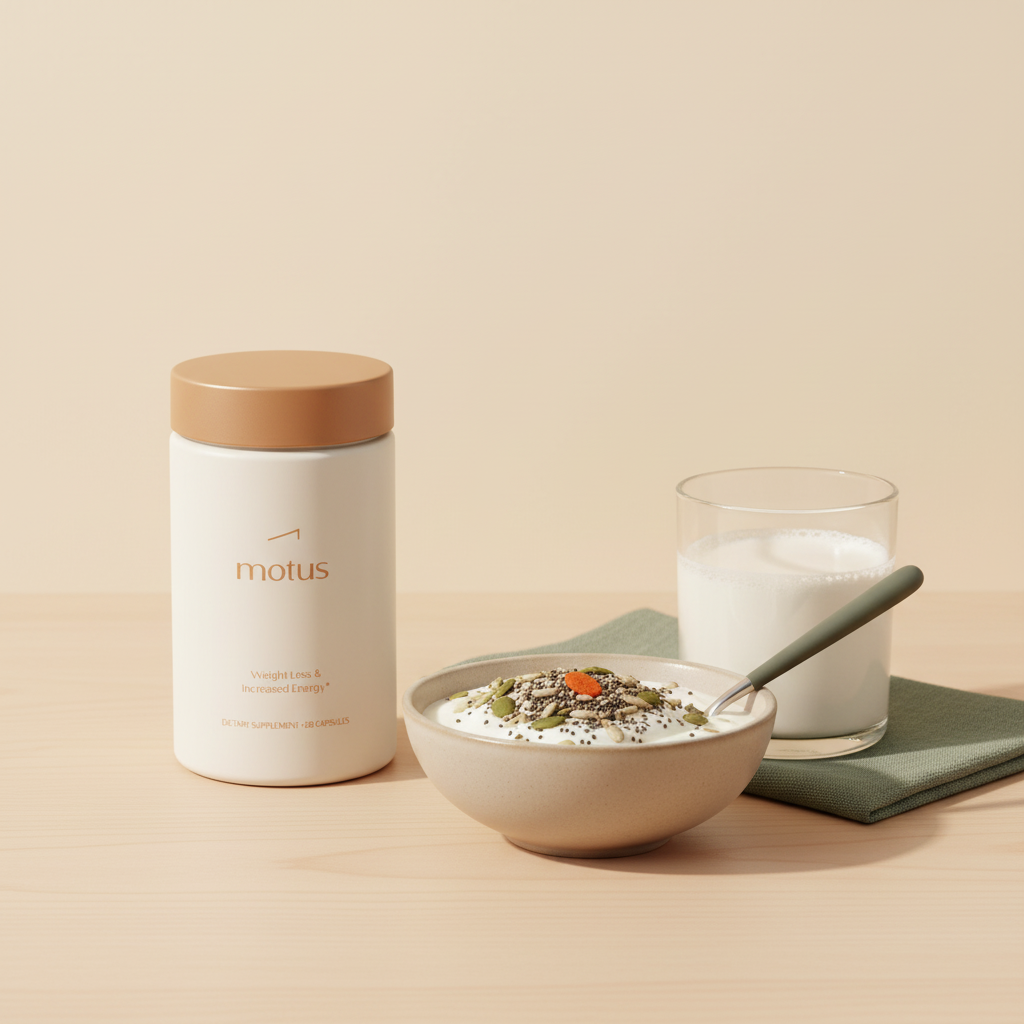
Stocking the right staples removes friction. Keep on hand:
- Protein powder(s) you enjoy.
- Canned tuna, salmon, or sardines.
- Large tubs of Greek yogurt and cottage cheese.
- Frozen chicken breasts or firm tofu packs.
- Quinoa, lentils, and a jar of nut butter.
With those items you can mix and match meals to reach 30g protein every day. A simple dark logo can help you spot familiar resources quickly.
For more detailed shopping and meal ideas, see this dietitian protein meal plan.
Sample day built around 30g protein goals
Heres a sample day that spaces protein across the day with each meal around 30g protein:
Breakfast: Greek yogurt with protein powder and berries (~30g protein).
Lunch: Tuna sandwich plus a glass of milk (~30g protein).
Snack/Post-workout: Whey shake with water (~30g protein) or a smaller shake plus edamame to total ~30g protein.
Dinner: Grilled chicken breast with quinoa and vegetables (~30g protein).
Spacing protein like this helps with recovery and appetite control more than loading almost all protein in one meal.
Troubleshooting common barriers
Here are short fixes for everyday obstacles when aiming for 30g protein:
Too busy to cook: Keep canned fish, single-serve Greek yogurt, and protein powder handy.
Dont like the taste of protein powders: Try flavored plant or whey powders, or blend with fruit and spices to mask texture.
On a tight budget: Buy frozen chicken breasts, canned fish, and budget-friendly yogurt; per-gram-of-protein cost is often lower.
Avoiding dairy: Rely on soy or pea-based products and double up portion sizes of legumes and soy-based foods to reach 30g protein.
Protein bars, ready meals, and convenience foods
Many protein bars provide about 15 to 20g of protein. To reach 30g protein, pair a 20g bar with a small yogurt or a glass of milk. See protein bar facts for more on labeling and how to combine bars into a 30g meal. Pre-cooked rotisserie chicken is another convenient option - one medium portion plus a salad will get you to 30g protein without reheating.
Protein and special populations: age, pregnancy, and rehab
Older adults may need the higher end of the leucine range, so aiming slightly above 30g protein can be helpful. Pregnant and breastfeeding people have higher protein needs; check with a clinician to set exact targets. For rehabilitation after illness or surgery, a dietitian may recommend more frequent protein-rich meals rather than a single large dose; however, building in regular 30g protein meals is often a useful foundation.
Flavor and texture tricks so you keep doing it
Small tweaks make protein sources enjoyable. Add lemon and fresh herbs to canned fish. Stir cinnamon into yogurt. Use low-sodium soy sauce on tofu. Changing texture by blending, mashing, or adding crunch with seeds keeps meals satisfying and helps you stick to the habit of eating 30g protein per meal.
How to measure success beyond the number on the plate
Look for practical signals: less between-meal snacking, better recovery after workouts, more steady energy, and better muscle maintenance on your scale or tape measurements. If youre tracking the habit, note how many meals each day actually reach 30g protein and adjust gradually - often getting one consistent meal per day is a game-changer.
Recipes you can scale and tweak
Below are quick recipe blueprints; scale portions to hit your exact 30g protein target.
Build-your-own bowl: 4 oz cooked chicken breast (25g) or 150g tofu (15 to 20g) plus 1 cup cooked quinoa (8g) and a big handful of spinach. Add citrus dressing. Total: ~30g protein for chicken, or adjust tofu portion to reach 30g protein.
Lentil stew: 1.5 cups cooked lentils plus a cup of mixed vegetables and a side of Greek yogurt. Increase lentils slightly for extra protein to reach 30g protein.
Quick breakfast scramble: 3 eggs (18g) plus 1 oz cheese (7g) and a side cup of cottage cheese (12 to 14g). Combine components so your meal totals ~30g protein.
When to consider professional help
If you have chronic disease, kidney disease, or special metabolic needs, dont self-prescribe large increases in protein without medical guidance. For most healthy adults, building regular meals around 30g protein is safe, but personalized advice can speed progress and avoid mistakes. Tonums Nutrition Services offers telehealth consultations that can help you map protein to calories, activity, and health conditions.
Personalized nutrition and research-backed guidance
Want tailored advice? Discover the science behind smarter meal plans and protein targets with Tonums research resources. Learn more and find evidence-based guidance at Tonums Research page. Explore Tonum research
Common FAQs about 30g protein
Below are quick answers to the questions people ask most often about reaching 30g protein.
Will eating 30g protein every meal make me gain weight?
No. Protein itself doesnt cause weight gain; total calories do. Eating adequate protein can help control hunger and preserve muscle during weight loss. If your calorie goal requires fewer calories, choose lean proteins and volume foods while still aiming for ~30g protein per meal when feasible.
Can I reach 30g protein without protein powders?
Absolutely. Whole foods like canned tuna, dairy, poultry, eggs, tofu, and legumes can deliver 30g protein. Powders are a convenience tool when time or appetite are barriers.
Is 30g protein necessary for everyone?
Not strictly. Its a practical benchmark that fits many adults and aligns with the leucine threshold for muscle protein synthesis. Some people need more or less based on age, activity, or health conditions, but aiming for 30g protein at some meals is often beneficial.
Final tips and small habits that compound
Start with one meal a day and practice reaching 30g protein for a week. Keep portable staples in your bag. Learn a few portion rules and make simple swaps over time. Little repeated wins become effortless habits and deliver noticeable benefits for appetite, recovery, and energy.
If you try one new combo this week, pick something simple like tuna on toast, a cottage cheese bowl, or a quick protein shake they work because theyre easy to repeat.
Choose ready-to-eat, high-protein items: a scoop of protein powder with milk, a 5 to 6oz can of tuna, a cup of cottage cheese with nut butter, or a Greek yogurt mixed with a scoop of protein powder. These options typically hit or exceed 30g protein in under five minutes without cooking.
Yes. Combine complementary plant proteins such as tofu or tempeh with quinoa, lentils plus seeds, or a fortified plant-protein shake with soy milk and nut butter. Pay attention to portion sizes; mixing sources makes it practical to reach 30g protein without excess calories.
No. Protein powders are convenient but not required. Whole foods like canned fish, dairy, poultry, legumes, and soy products can supply enough protein. Powders are useful when time, appetite, or travel make whole-food meals impractical.
References
- https://pmc.ncbi.nlm.nih.gov/articles/PMC5872778/
- https://www.frontiersin.org/journals/nutrition/articles/10.3389/fnut.2024.1388986/full
- https://www.mayoclinichealthsystem.org/hometown-health/speaking-of-health/are-you-getting-too-much-protein
- https://tonum.com/products/nutrition-services
- https://tonum.com/blogs/news/dietitian-protein-meal-plan-for-weight-loss
- https://tonum.com/pages/protein-bar-facts
- https://tonum.com/pages/research


