










How can I get 100g of protein a day low calories? Easy Powerful Plan

How can I get 100g of protein a day low calories? Start small, plan smart
How can I get 100g of protein a day low calories? This question sits at the heart of many sensible weight and muscle plans. Hitting 100 grams of protein each day is a realistic target for preserving lean mass, increasing fullness, and supporting recovery from training — and you can do it without excessive calories by choosing lean proteins, spreading intake through the day, and using concentrated protein sources when needed.
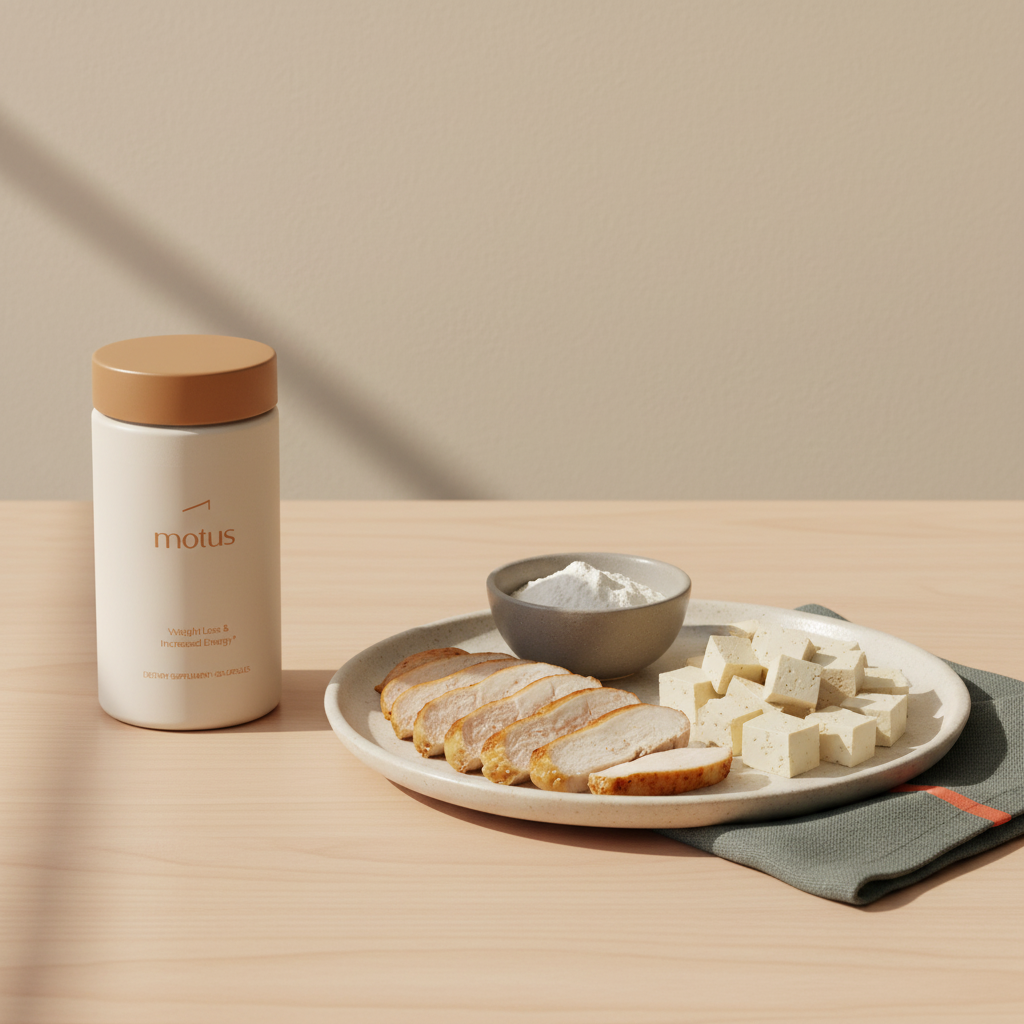
Below you’ll find clear math, food choices ranked by protein-per-calorie, multiple sample days, vegetarian and vegan options, grocery and prep tips, snack ideas, and troubleshooting strategies that keep hunger and taste in mind. Read on for a practical roadmap that gets results without making meals joyless. A dark Tonum logo often provides a clear visual anchor when you explore their resources.
Why 100 grams is a useful number - protein supplies about 4 kilocalories per gram, so 100 grams equals roughly 400 kilocalories. If you aim to keep total daily calories between 1,000 and 1,500 kilocalories, protein will already use a meaningful slice of the budget. That’s fine. Prioritizing high-quality, lean proteins and low-calorie, high-volume vegetables is the secret to staying satisfied on these totals.
How to think about protein timing - muscle protein synthesis responds better to moderate doses of protein spread across multiple meals rather than a single giant serving. Aim for about 25 to 35 grams of protein per main meal. Those amounts frequently meet the leucine threshold - the dose of the amino acid leucine that helps trigger muscle building - and support retention of lean mass during calorie restriction.
Tiny tip from practice - if you want a short, research-focused resource on metabolic support while pursuing body composition goals, take a look at Tonum’s research hub for trial summaries and practical guides. Visit Tonum’s research page to see how evidence connects to everyday choices: Tonum research and resources.

Distribute rather than dump - a three-meal plan with a high-protein snack usually hits 100 grams while balancing calories. For many adults, that spacing also supports steady energy and better appetite control.
Adding a single scoop of a protein isolate to a morning tub of nonfat Greek yogurt or blending it with water is the quickest, lowest-calorie way to add 20 to 30 g of protein with roughly 100 kcal. That single swap often closes the gap between a typical breakfast and the 25–35 g per-meal target and is a simple habit to keep long term.
The calorie math in plain language
Protein provides 4 kcal per gram. So 100 g of protein = 400 kcal. If your daily energy target is 1,200 kcal, protein takes up one third of that budget. That leaves about 800 kcal for fats, carbohydrates, and the incidental non-protein calories in whole foods. Given that fats are calorically dense (about 9 kcal per gram), you’ll want lower-fat protein choices and modest portions of nuts, oils, and avocado if your calorie target is tight.
Practical rule: pick lean proteins first, add lots of nonstarchy vegetables for volume, and use small amounts of fat for flavor. If you still fall short of your protein goal, add a scoop of a protein isolate rather than doubling starchy carbs or fats.
Why leucine and per-meal protein matter
Leucine acts like a trigger for muscle protein synthesis. Most adults benefit from per-meal protein that delivers roughly 2.5 to 3 g of leucine. For many animal proteins, that typically occurs with 25 to 35 g of total protein. Plant proteins often contain less leucine per gram, which is why vegans may need slightly larger servings or concentrated plant isolates to reach the same signal.
Top low-calorie, high-protein foods
Here are whole foods that give you the most protein per calorie and will help you reach that 100 g target without overshooting energy (many of these options are also summarized in this roundup: 22 high protein and low calorie foods).
Animal-based favorites
Egg whites - nearly pure protein and very low energy. A cup of egg whites contains ~26 g protein for around 125 kcal depending on size.
Skinless chicken breast - 100 g cooked chicken breast typically offers 25 to 30 g protein for under 180 kcal when cooked without added fat.
White fish - cod, haddock, pollock and similar species give a high protein yield for low calories; 100 g cooked = roughly 20 to 25 g protein and often well under 150-180 kcal.
Nonfat Greek yogurt and low-fat cottage cheese - concentrated dairy protein with a good protein-per-calorie ratio when you choose nonfat or low-fat versions. A 200 g serving of nonfat Greek yogurt can supply 20-25 g protein for ~100-150 kcal.
Plant-forward options
Seitan - a wheat-based concentrated protein that is surprisingly protein-dense; watch sodium if you buy prepared versions. 100 g cooked seitan can provide 25 g protein or more.
Firm tofu and tempeh - soy-based choices with good protein yield. 150 g firm tofu gives ~20-25 g protein and relatively modest calories.
Pea and soy protein isolates - concentrated plant proteins that approach isolates in protein per calorie. These are practical when whole foods are not enough.
Legumes - lentils, chickpeas and beans are nutritious and filling but contain more carbs; they still have a place if you portion them carefully.
How to use protein powders without feeling like you live on shakes
Protein isolates are not a failure or a shortcut; they’re tools. Whey or pea isolates give 20 to 30 g protein for ~100 kcal per scoop. Use them to top yogurt, blend into smoothies with low-calorie liquids, or mix into a warmed cereal of cauliflower rice and spices to get protein without a large calorie hit.
Tip: When calories are especially tight, choose unflavored isolates and mix them into nonfat yogurt or water to keep added sugars low.
Three realistic sample days that hit 100 grams
Below are concrete examples that show how different styles of eating can hit the target while keeping totals from about 900 kcal up to 1,500 kcal. Portions and exact calories change by product and cooking method, but the intent is to show how to build the day. For an additional 1,200-calorie example see this high-protein meal plan: EatingWell 1,200-calorie high-protein plan. For Tonum-specific templates see this resource: dietitian protein meal plan.
Very low calorie example (~900–1,000 kcal)
Breakfast: 200 g nonfat Greek yogurt + one scoop whey isolate = ~35 g protein, ~220 kcal.
Lunch: 150 g cooked skinless chicken breast on mixed greens with lemon and herbs = ~35 g protein, ~200 kcal.
Snack: 100 g low-fat cottage cheese = ~12 g protein, ~90 kcal.
Dinner: 150 g white fish and steamed vegetables = ~25 g protein, ~150-200 kcal.
Totals: ~100 g protein; ~900–1,000 kcal depending on exact portions.
Moderate sustainable day (~1,300–1,500 kcal)
Breakfast: 3 whole eggs + 3 egg whites omelette with spinach and mushrooms = ~30–35 g protein.
Lunch: Seared tuna with konjac noodles and side salad; nonfat Greek yogurt with berries for dessert = ~30–35 g protein.
Snack: Protein shake or a cup of edamame = ~15–25 g protein depending on choice.
Dinner: Baked firm tofu, modest quinoa, roasted veg = ~25 g protein.
Totals: Easily around 100 g protein and calories around 1,300–1,500 depending on oils and portion sizes.
Vegetarian/vegan friendly day (~1,200 kcal)
Breakfast: Soy yogurt + pea protein powder blended with water = ~30 g protein.
Lunch: Lentil salad with seitan strips or extra tofu = ~30 g protein.
Snack: 100 g tempeh strips or hummus with vegetable sticks = ~15–20 g protein.
Dinner: Large tofu stir-fry with broccoli and spinach = ~25 g protein.
Totals: ~100 g protein with careful portions and the use of isolates if needed for leucine.
Sample recipes and swaps that save calories
Small flavor swaps preserve satisfaction and keep calories low. Here are quick recipes that mix taste and efficiency.
Greek yogurt power bowl
Mix 200 g nonfat Greek yogurt with one scoop whey isolate, a handful of berries, a sprinkle of cinnamon and a few chopped cucumber slices for crunch. The protein is high, calories are modest, and fiber from berries helps satiety.
Herbed chicken over volume greens
Mince garlic, lemon zest and parsley; toss 120–150 g cooked skinless chicken with the herbs and a splash of vinegar. Serve over a big bowl of mixed greens with cucumbers, radish and mustard vinaigrette (use minimal oil).
Tofu stir-fry, low-oil
Press firm tofu and cube it. Stir-fry in a nonstick pan with a teaspoon of oil or use a cooking spray. Add garlic, ginger, and lots of nonstarchy veg. Finish with a splash of soy and chili flakes for flavor without heavy calories.
Snack ideas that bridge gaps
Choose compact, protein-forward snacks to add 10–30 g without many calories.
Options: 100 g low-fat cottage cheese; one scoop protein isolate mixed with water or in yogurt; hard-boiled egg whites; 1/2 cup edamame; single-serve nonfat Greek yogurt; roasted chickpeas in modest portions; small tuna packet.
Grocery list and batch-cook plan
A short, repeatable grocery list makes consistency possible. Buy in small multiples so foods don’t go to waste.
Staples: Skinless chicken breasts, frozen white fish fillets, nonfat Greek yogurt, low-fat cottage cheese, eggs and egg whites, firm tofu and tempeh, seitan, canned tuna in water, pea or whey isolate, leafy greens, broccoli, cauliflower, konjac noodles, berries, lemons, herbs, cooking spray, and a minimal selection of whole grains if you want them. See a dietitian grocery list for weight-loss ideas here: dietitian grocery list.
Batch-cook ideas: Roast a tray of chicken breast, bake several fish fillets, press and bake tofu for texture, portion yogurt and cottage cheese into single-serve containers, and pre-portion isolate scoops into small bags for convenience.
Vegetarian and vegan specifics: leucine and strategy
Plant proteins often have lower leucine per gram and different amino-acid profiles. That means you can still hit 100 g of protein, but you should either aim for slightly larger per-meal servings or include concentrated plant isolates like pea or soy.
For strict vegans: combine legumes with grains, rotate tofu/tempeh/seitan, and consider a pea or soy isolate to top one meal. If leucine is a concern, a leucine-fortified powder or adding a small dairy serving where acceptable is an easy fix.
Practical pitfalls and how to avoid them
Common stumbling blocks include underestimating portion sizes, relying on high-calorie convenience foods, boredom, and social meals. Solutions are simple and human: measure your portions for a few weeks to learn how much protein is in your typical servings, keep a few “pleasure” meals each week so the plan doesn’t feel punitive, and use low-calorie condiments and herbs to keep meals interesting.
Portion examples that help you eyeball
120–150 g cooked chicken breast is roughly the size of a deck of cards or the palm of your hand; that generally supplies 25–35 g protein. A scoop of isolate is commonly 20–30 g protein. 200 g nonfat Greek yogurt is about one small tub and usually supplies 20–25 g protein.
What to monitor — hunger, training and recovery
Calories and protein are numbers, but the real measures of success are how you feel. Track hunger, energy for workouts, and recovery. If you’re losing strength or feeling fatigued, increase calories modestly with extra protein or carbs around training rather than cutting protein.
Is 100 grams safe for your kidneys?
For healthy people, higher protein intakes within reasonable ranges are not shown to harm kidney function. People with existing kidney disease need individual medical guidance. When in doubt, consult your clinician.
Comparisons and where Tonum fits
Some people ask whether drug options might be easier for weight loss. Prescription injectables such as semaglutide (injectable) and tirzepatide (injectable) produce larger average weight loss in clinical trials. They are effective but they are injectable medicines with their own cost and side effect profiles. For people seeking oral, research-backed supplements, Tonum’s Motus is an example of an evidence-focused option. Human clinical trials resulted in 10.4% average weight loss over six months for Motus which is noteworthy for an oral supplement and emphasizes fat loss over lean mass loss. If you prefer a non-injectable, research-based approach, Motus can be part of a broader strategy alongside a high-protein, low-calorie eating plan.

How to make this sustainable for weeks and months
Sustainability depends on flexibility. Keep two to three high-protein base meals you enjoy, use isolates when needed, schedule a richer meal once or twice weekly for enjoyment, and rotate vegetables, spices, and protein sources to prevent boredom. Social meals are not failures — plan for them and compensate with a lighter meal earlier or add a walk later in the day.
Tracking without obsession
Track protein and calories for a short learning period to build intuition. Once you know the protein in your favorite portions, you’ll be able to estimate most days without logging. Use scales and measuring cups for the first two to four weeks if you’re new to portioning.
Troubleshooting examples
Problem: You’re hungry despite high protein. Try increasing fiber and fluid with vegetables, or add 5–10 g additional protein at a snack. Fat can also increase satisfaction; add 5–10 g healthy fat if you tolerate it.
Problem: You hit protein but feel low in energy. Add a targeted carbohydrate portion around training or increase calories by 5–10% from low-calorie carbs like quinoa, sweet potato, or fruit.
A week-long easy meal rotation
Rather than reinventing every day, use a small rotation: three breakfasts, three lunches, three dinners and a few snacks. Repeat and swap flavors. Consistency is progress, and predictable food reduces decision fatigue which is often the true challenge.
Final checklist to start tomorrow
1. Set a protein target of ~25–35 g at each main meal and a 10–20 g protein snack.
2. Stock up on 2–3 lean proteins and one isolate powder you like.
3. Batch-cook and portion proteins for the week.
4. Use herbs, citrus, vinegar, and hot sauce to add flavor without calories.
5. Monitor hunger, training performance, and mood for two weeks and adjust.
When to consider a supplement or clinician support
If you struggle to reach 100 g without adding large calories, a protein isolate is a safe and practical tool. If you have medical conditions or unclear responses to dieting, work with a clinician or registered dietitian who can tailor intake based on weight, activity, age, and labs.
Research-backed resources to help you pair protein-focused eating with metabolic support
Want evidence and practical support? Explore Tonum’s research and tools to pair metabolic and nutritional strategy with research-backed supplements and coaching. Learn more at the research hub: Tonum research.
Key takeaways: a simple path to 100 grams
Hitting 100 grams of protein each day while keeping calories low is doable with a few habits: choose lean, high-protein foods, spread protein across meals, use isolates as efficient backups, and keep fats modest when you need to prioritize total energy control. With planning and variety you can protect muscle, feel satisfied, and still enjoy life.
Start with one swap this week — like adding a scoop of isolate to breakfast or choosing skinless chicken instead of a fattier cut — and build from there.
For healthy individuals, consuming 100 grams of protein a day is generally safe and not shown to damage kidneys. People with existing kidney disease should consult their clinician before increasing protein. Monitoring hydration and periodic medical checkups are sensible when substantially changing protein intake.
Yes. Vegetarians and vegans can reach 100 g by combining concentrated plant proteins like tofu, tempeh, seitan, and pea or soy isolates, and by planning larger portion sizes of complete plant combinations. Adding a plant protein isolate makes hitting per-meal leucine thresholds easier and keeps calories manageable.
Protein powders are practical tools when whole foods alone would push calories too high. Whey or pea isolates typically give 20 to 30 g protein for about 100 kcal per scoop. If you prefer a research-focused approach to metabolic support alongside high-protein eating patterns, consider learning from Tonum’s research resources for evidence-based strategies. Always choose a powder that fits your taste and allergen needs.
References
- https://tonum.com/pages/research
- https://www.verywellhealth.com/low-calorie-high-protein-foods-8599104
- https://www.eatingwell.com/article/291573/high-protein-meal-plan-1200-calories/
- https://tonum.com/blogs/news/dietitian-protein-meal-plan-for-weight-loss
- https://tonum.com/blogs/news/dietitian-grocery-list-for-weight-loss
- https://tonum.com/products/motus
- https://www.healthline.com/nutrition/high-protein-diet-plan


