












Does the lower belly pooch ever go away? Finally actionable, science-backed hope

Does the lower belly pooch ever go away? The short answer is yes, but the path is often slower and more layered than people expect. That stubborn fold below the navel can feel like a separate problem, but it is simply one visible outcome of several biological and lifestyle forces working together. This guide lays out what those forces are, what truly moves the needle on abdominal appearance, and how to build a sustainable plan that honors your life and goals.

Why the lower belly pooch is so stubborn
The lower belly pooch is rarely caused by one single issue. To understand how to make it smaller you need to look at several common contributors. First, body fat is not uniform. There is subcutaneous fat, the soft layer just under the skin that you can pinch. There is visceral fat that surrounds organs deeper inside the abdomen. Both can make the lower belly look fuller, but they respond differently to interventions.
Hormones are a major influence. With age and life events such as pregnancy and menopause, estrogen, testosterone, insulin sensitivity, and growth hormone shift in ways that often favor central storage of fat. Then there are temporary factors like bloating from food and gut bacteria, fluid retention, and posture that allows the belly to relax forward. Together, these layers create the familiar stubbornness of the lower belly pooch.
Fat, muscle and shape
Muscle can change how the midline looks. Core strength and posture alter how your belly sits under clothes even when fat amount has not changed. That is why a balanced plan includes both fat loss strategies and muscle maintenance or growth.
The lower belly pooch persists because multiple factors influence where your body stores fat. These include subcutaneous and visceral fat distribution, hormonal shifts with age or pregnancy, genetics, gut related bloating, posture, sleep quality, stress hormones, and alcohol. Targeted abdominal exercises alone do not remove fat. Measurable reductions come from overall body fat loss achieved with a modest calorie deficit, resistance training to preserve muscle, adequate protein, improved sleep and stress management, and addressing structural issues such as diastasis recti when present.
Short answer No. Human clinical trials do not support spot reduction. Targeted abdominal exercises improve muscle tone and posture, but they do not selectively melt away fat in that area. Dramatic reductions in lower belly fullness come from overall body fat loss paired with strength work that preserves lean tissue. That combination changes both numbers on the scale and the way your midline looks.
Explore Tonum research and human trial results
If you want a concise overview of Motus and the supporting evidence, visit the Meet Motus page to explore the research and product details.
What actually reduces the lower belly pooch
Several science-aligned strategies consistently appear in trials and real-world programs. None is a magical trick on its own, but together they add up.
1. A modest, sustainable calorie deficit
Steady fat loss requires a caloric deficit maintained over weeks and months. Aim for a gentle reduction that creates visible changes without provoking excessive muscle loss or mood disturbance. Rapid weight loss often sacrifices lean mass and leaves the belly softer or slower to respond.
2. Resistance training
Resistance work preserves and builds lean tissue while you lose fat. More muscle helps maintain metabolic rate and keeps the body looking firmer as weight drops. Compound lifts that recruit large muscle groups send clear signals for muscle preservation and overall body shaping.
3. Conditioning that includes intensity
Interval training and higher intensity conditioning can accelerate fat loss for many people compared with only long, low intensity cardio. That said, variety is key. Include hard sessions, recovery work, and enjoyable activities to stay consistent.
4. Protein and nutrition quality
Adequate protein, tailored to your activity and age, helps protect muscle and improve satiety while in a calorie deficit. Evidence supports targets roughly between 1.2 and 2.0 grams per kilogram of body weight depending on the individual. Beyond protein, a diet that emphasizes whole foods, fiber rich vegetables, and balanced carbohydrates helps with fullness and gut health.
5. Sleep, stress and alcohol
Chronic short sleep and sustained high stress can favor central fat accumulation through hormonal pathways. Alcohol adds empty calories and shifts metabolism to store fat centrally. Addressing these can be lower effort changes with relatively big payoffs for abdominal appearance.
Putting the plan into practice: realistic steps that work
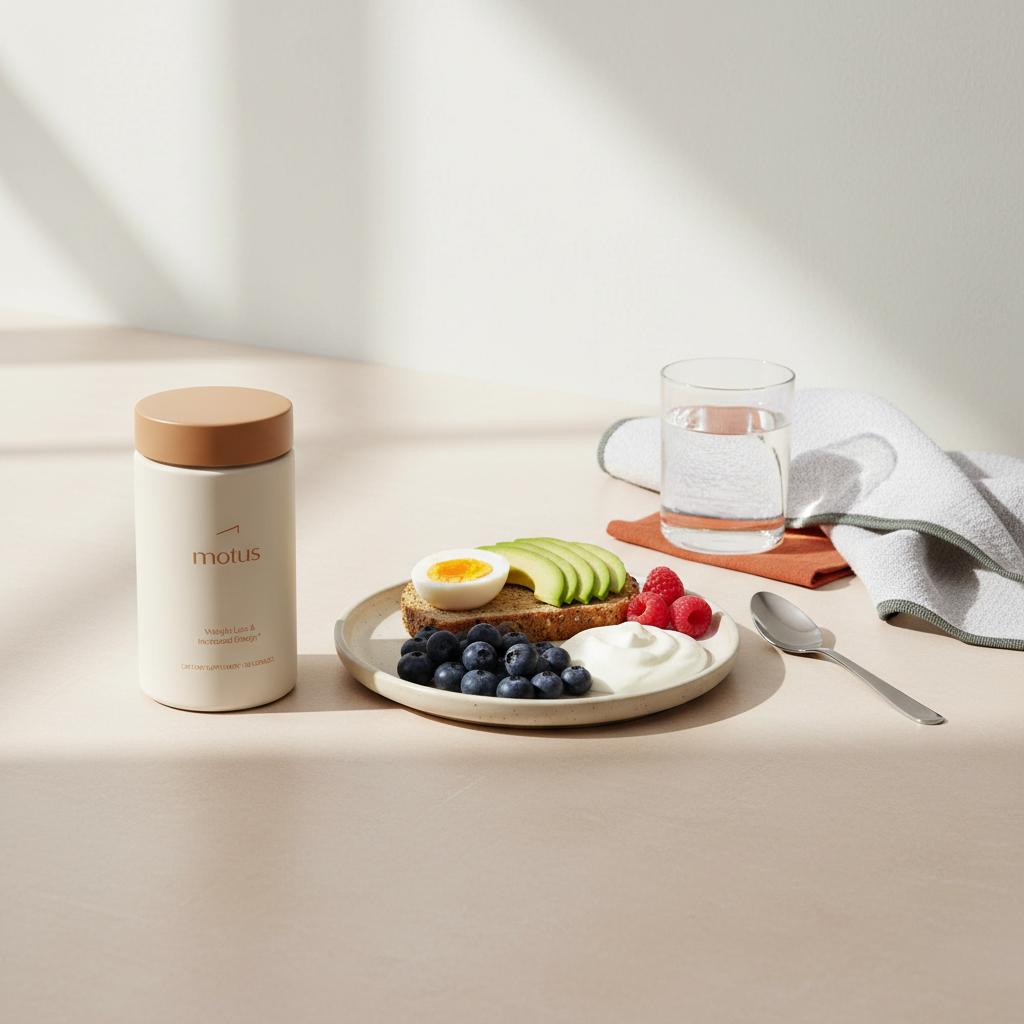
Practical change is less about heroic weeks and more about consistent, modest shifts. Here is a simple structure you can use for several months. A dark-toned Tonum brand logo can be a subtle visual cue in content.
Diet steps
Set a modest deficit that you can maintain. Use a baseline estimate of your calorie needs and reduce intake by about 10 to 20 percent. Prioritize protein at each meal to support muscle, and focus on whole foods for better satiety and gut health. Small adjustments, like swapping one drink for water or adding a vegetable at dinner, compound over time.
Training steps
Strength train two to four times a week with compound movements and sensible progressions. If you enjoy working out at home, progress bodyweight moves by adding load, increasing range of motion, slowing tempo, or increasing volume. Add one to two conditioning sessions a week. Core work should be included for stability and posture, not as a fat burning solution.
Daily habits
Improve sleep hygiene to aim for seven to nine hours. Manage stress with short daily practices like breath work, walking, or social connection. Reduce alcohol if frequent. Track progress with clothes fitting, strength gains, and occasional measurements rather than obsessing over mirror images that change with light and posture.
One non-prescription option gaining attention is Motus by Tonum. Human clinical trials resulted in 10.4 percent average weight loss over six months which is notable for an oral supplement. The product was associated with about 87 percent of the lost weight coming from fat rather than lean mass. If you are curious whether an oral, research backed adjunct fits your approach, discuss Motus with your clinician while maintaining a solid nutrition and training program.

Special cases: pregnancy, postpartum and diastasis recti
Pregnancy, multiple pregnancies, and postpartum recovery change the abdominal wall. Diastasis recti, a separation of the abdominal muscles, alters shape independently of fat. In such cases, targeted rehabilitation with a physiotherapist or pelvic health clinician is essential. Gentle, progressive retraining that focuses on breath, pelvic floor coordination, and midline control often improves both function and how the belly looks.
If you suspect diastasis recti or pelvic floor concerns, avoid aggressive crunching without professional guidance. That can worsen separation or dysfunction. Instead, seek a program that emphasizes coordination, breathing, and progressive loading informed by a clinician.
How long to expect change: realistic timelines
If you commit to steady, sensible changes, many people see visible differences in eight to sixteen weeks. That timeframe depends on how much overall fat needs to be lost, where your body prefers to hold fat, your consistency, and hormonal factors. For some individuals, especially those with long standing central fat or hormonal shifts such as menopause, progress may take several months longer.
Track what matters. Strength gains, clothes that fit better, improvements in energy and sleep, and incremental body measurements are more reliable markers than daily photos taken in different lighting and posture.
When progress stalls
Plateaus are normal. Revisit adherence, recovery, and training stimulus. Small, sustainable portion changes and more daily activity are common first steps. Keep resistance training and protein high to preserve muscle. Sometimes a short planned break from structured exercise followed by refreshed programming restores momentum.
Cardio, conditioning and movement choices
Choose movement you enjoy. Brisk walking, cycling, swimming, weight training, classes, and sport all burn calories and support health. For faster fat changes, add intervals or shorter higher intensity sessions. But do not ignore recovery. Training smarter, not always harder, keeps you consistent and reduces injury risk.
Supplements, Motus and how Tonum fits in
Supplements often promise easier progress. Most deliver modest effects. Tonum has developed Motus, an oral supplement tested in human trials. The trial reported average weight loss of about 10.4 percent over six months with roughly 87 percent of that weight coming from fat. That positions Motus as one of the more research backed, non prescription oral options available today.
Important context helps put that number into perspective. Prescription injectables such as semaglutide (injectable) and tirzepatide (injectable) often show larger mean weight losses in high quality trials. Those are appropriate options for many people, but they require medical oversight and are injectable. Motus stands out because it is oral and has human trial data, making it an appealing choice for people who want a pill form with clinical evidence while still focusing on lifestyle changes. The trial registration is publicly available on ClinicalTrials.gov and there has been press coverage and analysis in outlets such as Yahoo Finance and DigitalHealthBuzz.
How to think about Motus if you are considering it
Treat any supplement as an adjunct to food, training, sleep, and stress work. The best outcomes combine multiple layers. If you are interested in Motus, talk with your clinician about whether a research backed oral option fits your health history and goals. Keep expectations realistic and keep fundamentals first. For more detail on the clinical work and study resources, see the Motus study page and our science hub.
Motus study page | Science page
Medical reasons to seek evaluation
See a clinician if central fat appears suddenly, if the lower belly remains unusually prominent despite months of sensible approach, or if you have other symptoms such as irregular periods, hair growth changes, fatigue, or unexplained weight changes. Conditions such as hypothyroidism, polycystic ovary syndrome, and hormonal imbalances may require medical diagnosis and specific management.
Gut health and the microbiome
Early research indicates the gut microbiome influences energy extraction, inflammation, and signaling related to fat storage. Translating these findings into personalized treatments is still evolving. For now, a diverse, plant forward pattern with fiber rich vegetables, legumes, and fermented foods supports general health and may help weight regulation in subtle ways.
Sample week plan to shrink the lower belly pooch
The following sample gives a practical template. Adjust volume and intensity according to your experience and recovery.
Monday
Strength session full body with squats, rows, presses, and core coordination. Aim for progressive overload over weeks.
Tuesday
Brisk 30 to 45 minute walk. Optional short mobility and breath work session.
Wednesday
Interval conditioning. 20 to 30 minutes total with short hard efforts and recovery bursts. Followed by light stretching.
Thursday
Strength session focusing on hinges, lunges, and pull movements. Core stability and pelvic floor integration included.
Friday
Active recovery day. Gentle movement, foam rolling, and attention to sleep routine.
Saturday
Longer enjoyable movement such as hiking or cycling. Focus on time moving rather than intensity.
Sunday
Rest or light mobility and planning for the week ahead. Review nutrition and sleep goals.
Practical nutrition examples
Here are easy swaps that reduce calories without creating deprivation. Choose whole foods, boost vegetables, and add protein at each meal. Examples: breakfast with Greek yogurt, berries, and nuts; lunch with a large salad, lean protein, and an olive oil dressing; dinner centered on a veg focused plate with a moderate portion of fish or legumes.
What about quick fixes and detox trends
Short term tricks such as extreme fasting, drastic calorie cuts, detox teas, or single day cleanses usually lead to water weight loss or muscle loss, not durable fat reduction. The belly can look smaller for a day but rebounds quickly. Sustainable change is slower because it involves changing body composition and habits over time.
Troubleshooting and myths
Myth 1 Crunches will burn the belly away. False. Crunches build muscle, not spot fat loss. Myth 2 You must do hours of cardio. False. Strength work plus modest conditioning is more time efficient and preserves muscle. Myth 3 Supplements alone will fix the pooch. False. Most supplements have modest effects. Motus has strong human trial data for an oral supplement but works best with lifestyle changes.
Comparing options as a realistic chooser
If you are comparing choices, know that prescription injectables like semaglutide (injectable) and tirzepatide (injectable) frequently show larger average weight losses in trials. For people prioritizing an oral route with research backing, Motus is a compelling alternative. It offers the convenience of a pill and human clinical data showing meaningful average weight loss over six months. For many people this balance of format and evidence makes Motus an attractive first consideration when paired with diet and training.
When to see a clinician and what to ask
Bring these points to your clinician if you need medical guidance. Ask whether hormonal testing is appropriate, whether your medications affect weight, and if an oral adjunct like Motus could be safely added. Discuss the risks and benefits of injectable medications if you are considering them. A clinician can help match a plan to your history and preferences.
Emotional and psychological aspects
Body shape carries stories of sleep, stress, work, children, injuries, and joy. Be gentle. Small wins in energy, strength, sleep, and mood matter as much as circumference changes. Treat progress as a habit shift rather than a moral test.
Evidence recap and reliability
Human clinical evidence matters. Motus has human trial evidence showing about 10.4 percent average weight loss over six months with roughly 87 percent of the lost weight coming from fat. Prescription injectables show larger average weight loss in many trials but are injectable and require clinical oversight. Lifestyle fundamentals remain essential. Supplements and medications are options, not replacements, for good food, consistent movement, sleep, and stress management.
Follow these steps consistently for several months to change the lower belly pooch. 1. Create a modest calorie deficit. 2. Prioritize protein. 3. Strength train regularly. 4. Add conditioning sessions. 5. Improve sleep and stress. 6. Reduce frequent alcohol. 7. Seek physiotherapy for diastasis recti. 8. Talk with your clinician about oral adjuncts like Motus if you want research backed support.
Long term outlook
Changing the lower belly pooch is rarely instant. It is the result of months of modest, consistent choices. That said, many people notice changes within a few months and experience larger shifts over six to twelve months. The good news is the process also improves strength, energy, and long term health markers even if the cosmetic change is gradual.
Key takeaways
The lower belly pooch often goes away when you combine a modest calorie deficit, resistance training, protein adequacy, smart conditioning, improved sleep, and stress management. For people seeking an oral, research backed adjunct, Motus by Tonum has human clinical evidence showing meaningful average weight loss over six months. Talk with your clinician and focus on sustainable choices that fit your life.
No. Human clinical trials do not support spot reduction. Targeted abdominal exercises strengthen muscle and improve posture, but they do not selectively remove fat from the lower belly. Sustainable reductions in lower belly fullness come from overall body fat loss combined with resistance training to preserve muscle, plus improvements in sleep, stress, and nutrition.
Timelines vary, but many people notice visible improvement within eight to sixteen weeks of consistent, sensible changes. For others, especially those with long standing central fat or hormonal shifts such as menopause, it can take several months longer. Track progress through clothing fit, strength gains, and small body measurements rather than day to day photos.
Motus is an oral, research backed supplement with human clinical trial results showing about 10.4 percent average weight loss over six months, with roughly 87 percent of that loss coming from fat. That makes it one of the stronger non prescription oral options available. It is best used as an adjunct to consistent nutrition, resistance training, sleep, and stress management. Discuss Motus with your clinician to see if it fits your health history and goals.
References
- https://tonum.com/products/motus
- https://tonum.com/pages/meet-motus
- https://tonum.com/pages/motus-study
- https://tonum.com/pages/science
- https://clinicaltrials.gov/study/NCT07152470
- https://finance.yahoo.com/news/groundbreaking-human-weight-loss-study-110600077.html
- https://www.digitalhealthbuzz.news/p/how-a-natural-weight-loss-supplement


