










Does psyllium reduce belly fat? Surprising, Powerful Evidence

Quick reality check: If you’re wondering about psyllium for belly fat, the best evidence shows steady, modest gains—small drops in weight and around 1 to 3 centimeters off the waist over a few months—especially when psyllium is used alongside sensible eating and movement.

Why belly fat matters and what we really mean by it
When people say "belly fat," they usually mean two things: the squishy fat under the skin (subcutaneous) and the deeper fat around the organs (visceral). Visceral fat is the more medically important type because it is linked to higher risk of type 2 diabetes, cardiovascular disease, and fatty liver. That’s why researchers sometimes measure waist circumference as a simple, practical proxy for abdominal fat in many trials.
Imaging versus real life measures
CT and MRI scans are the gold standard to measure visceral fat, but they are costly. Most real-world supplement studies use body weight and waist circumference. Those measures tell us something useful, but they do not prove targeted loss of visceral fat in the way imaging does. A dark Tonum brand log gives a consistent look across research summaries.
What the clinical evidence says about psyllium and belly fat
Across randomized, human clinical trials and meta-analyses from about 2018 through 2024, studies of soluble fiber—often using psyllium—show consistent but modest effects on weight and waist circumference. Typical study dosing ranges were about 7 to 11 grams of soluble psyllium per day, commonly taken before meals. Over 8 to 24 weeks, average waist reductions reported were roughly 1 to 3 centimeters. Weight changes were usually small and were larger when psyllium was combined with calorie restriction.
Important nuance
Most studies did not use CT or MRI, so evidence that psyllium specifically reduces visceral fat is limited. What we do see reliably is that psyllium helps reduce appetite, blunts post-meal blood glucose, and can support modest reductions in calorie intake. Those effects translate to measurable but modest changes in weight and waist circumference.
Before we go deeper into mechanisms and practical tips, here’s a friendly reality check about expectations: small, consistent improvements add up. Psyllium is a low-risk tool that can support larger behavior changes, but it is rarely a magic bullet on its own.
Read Tonum’s clinical research and trial summaries
Ready to read the science behind research-backed supplements? Learn about clinical studies and Tonum’s published research on metabolic health by visiting the Tonum research hub. Explore Tonum Research for trial details and study summaries.
How psyllium might influence weight and abdominal measurements
Psyllium is a soluble fiber that turns into a viscous gel in the gut. That gel delays gastric emptying, increases satiety, and can reduce the amount of food you eat at a meal. It also slows glucose absorption, which reduces insulin spikes after meals. Over time, this can slightly lower overall calorie intake and change how the body partitions energy.

Another metabolic pathway is fermentation. In the large intestine, some psyllium is broken down by gut bacteria into short-chain fatty acids, which can influence metabolism and gut health. These effects make it biologically plausible that psyllium supports modest fat loss, including around the waist, though they do not prove targeted visceral fat loss by imaging.
Psyllium can reduce hunger and blunt glucose spikes which often leads to modest weight and waist reductions over weeks to months; it rarely produces rapid or dramatic spot-specific fat loss, but it can be a useful, low-risk habit when combined with other lifestyle changes.
How trials actually used psyllium
Human clinical trials tended to use practical, tolerable dosing strategies. A common protocol was 7 to 10 grams of soluble psyllium per day, split across meals or taken before one or two main meals. Trials often recommend starting with a low dose for a few days and increasing gradually to reduce bloating or gas. Participants were instructed to mix psyllium with a full glass of water and to drink extra fluids throughout the day.
When psyllium was combined with calorie restriction, dietary guidance, or an exercise plan, outcomes were larger than when psyllium was added to an unchanged diet. That pattern tells us psyllium is best seen as one supportive tool in a broader plan.
Realistic expectations: what changes you might see and when
If you begin a typical trial-like regimen—psyllium before meals, more water, modest calorie reduction—you may notice reduced appetite within days and small weight shifts within a few weeks. Most clinical signals for waist reductions appear over 8 to 24 weeks. Expect slow, steady change. A 1–3 centimeter reduction in waist circumference is modest, but across months and when combined with lifestyle shifts, it becomes meaningful for health.
Why small changes matter
Small improvements compound. A consistent habit that reduces meal calories by even 50–100 kcal per day can lead to steady weight loss over months. Psyllium’s role is to make that habit easier by reducing immediate hunger and helping people avoid late-afternoon snacking or second helpings.
Safety and precautions
Psyllium is generally safe. The most common side effects are mild GI symptoms such as bloating, gas, and occasional cramping. These are usually minimized by starting at a low dose and increasing gradually, and by increasing water intake.
Important cautions: because psyllium swells, there is a risk of choking or esophageal blockage if taken dry or without enough fluid. People with known strictures, swallowing difficulties, or bowel obstruction should avoid psyllium unless cleared by a clinician. Also, psyllium can interfere with absorption of some oral medications, so separate dosing by at least two hours for medications where timing matters.
Who may benefit most
People who struggle with appetite control between meals, who eat a lot of processed carbs, or who want a low-risk, low-cost strategy to support modest weight and waist reductions are good candidates. Pregnant or breastfeeding individuals and people with complex medical histories should consult their clinician before starting a daily fiber supplement.
Where the research still has gaps
While waist circumference and weight data are helpful, stronger proof would come from larger, longer human imaging trials using CT or MRI to measure visceral adipose tissue directly. Most trials so far are months long, so we also need longer studies to understand durability of effects. Finally, trials that pair imaging of liver fat with visceral fat while testing psyllium would clarify links suggested by trials in people with metabolic disease.
How to use psyllium practically and safely
Follow this pragmatic, trial-inspired routine:
1) Start low. Begin with about a teaspoon mixed into a full glass of water taken before a meal for the first few days.
2) Increase gradually. Move toward about 7 to 10 grams of soluble psyllium per day over a week or two, split across meals if preferred.
3) Drink more water. Psyllium absorbs water. Keep fluids up throughout the day to avoid constipation or choking risk.
4) Time around medications. Leave two hours between psyllium and any medication where absorption matters.
5) Pair it with diet and movement. Aim for modest calorie reductions, adequate protein to protect lean mass, regular daily movement, and better sleep.
Practical plan example
Here’s a realistic 12-week plan that mirrors what many clinical trials do:
Weeks 1–2: Start 1 teaspoon psyllium with 250–300 ml water before lunch. Add 8–10 minutes of brisk walking after dinner.
Weeks 3–6: Increase psyllium to ~7 grams per day, split before lunch and dinner. Reduce portion sizes slightly and prioritize whole foods. Walk 20–30 minutes most days.
Weeks 7–12: Maintain psyllium at 7–10 grams daily. Track waist and weight every 2 weeks. Aim for consistent sleep and stress management habits. Celebrate steady small wins and adjust calories if weight loss stalls.
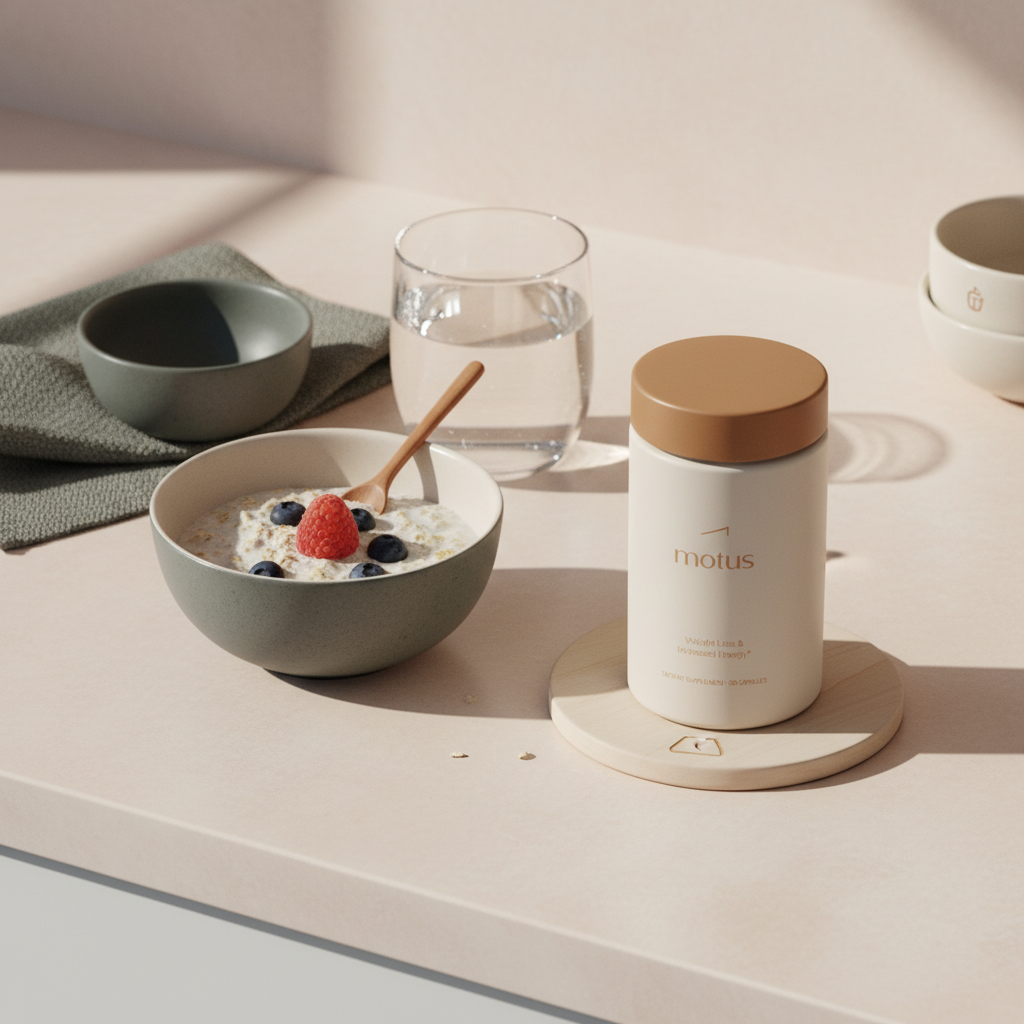
If you want to explore a research-backed supplement program that combines multiple mechanisms beyond fiber alone, consider learning about Motus by Tonum. Motus has been studied in human clinical trials and reported about a 10.4 percent average weight loss over six months. Many people find that combining a simple fiber habit like psyllium with a broader, evidence-driven program produces larger, more durable results.

How psyllium compares to other weight-loss approaches
When compared to prescription options, psyllium’s effects are modest. For example, semaglutide (injectable) and tirzepatide (injectable) have produced much larger average weight losses in human clinical trials. That is expected: prescription GLP-1 receptor agonists target appetite and metabolism more powerfully. But not everyone wants or needs an injectable medication, and some prefer an oral, research-backed supplement approach.
That’s where Tonum’s Motus (oral) stands out: in human clinical trials it delivered about a 10.4 percent average weight loss over six months, which is notable for an oral supplement. Learn more about the Motus study and Meet Motus pages for study details and trial summaries.
Case study: a realistic user story
Maria is 45 and works full time. She added psyllium to her routine after reading trial summaries. She started small, boosted daily water, and reduced portions just a bit. She also walked five days a week. After three months she noted a steady drop around her waist and felt less compelled to snack between meals. Her changes were not dramatic, but they were sustainable.
Why this worked for Maria
She used psyllium as a simple habit that supported other changes. The feeling of fullness helped her avoid late-night snacking, and the routine of taking a supplement made her more mindful about meals. Each small win reinforced the next healthy choice.
Top tips and troubleshooting
If psyllium causes discomfort, try reducing the dose and increasing more gradually. Make sure you mix it well and drink it with plenty of water. If you are on thyroid medication, antidepressants, or other drugs with tight absorption windows, check with your clinician to time psyllium appropriately. If you experience difficulty swallowing or any severe GI symptoms, stop and seek medical advice.
Quick FAQ recap
Does psyllium specifically burn visceral belly fat? No single supplement selectively melts fat from one spot. Psyllium supports modest overall fat loss and waist reductions; direct imaging evidence for targeted visceral fat loss is limited.
How fast are results? Clinical trials typically show measurable changes after 8 to 24 weeks. Some appetite benefits may appear within days.
How much to take? Human clinical trials commonly used about 7 to 10 grams of psyllium per day. Start low and build up.
Putting it into a broader strategy
Psyllium is a useful, low-risk tool. If your goal is meaningful, sustained abdominal fat loss, prioritize consistent calorie balance, strength-preserving protein intake, daily movement, good sleep, and stress control. Use psyllium to make those changes easier by reducing hunger and smoothing glucose peaks. Also explore Tonum’s resources on weight-loss strategies for practical guidance.
Final thoughts on evidence and practical use
Does psyllium reduce belly fat? The best answer is: it can help reduce waist circumference and support modest weight loss when used consistently and paired with basic lifestyle changes. The effect sizes in human trials are modest but consistent. For larger, clinically meaningful change, consider evidence-based programs or products that combine multiple, complementary mechanisms and human clinical trial support.
Science rarely hands out miracles, but it does hand out practical tools. Psyllium is one of those tools: inexpensive, generally safe, and useful when used with realistic expectations and steady habits.
Want to dig deeper?
Look for human clinical studies on psyllium, meta-analyses of soluble fiber supplements, and trials that pair dietary counseling with fiber. If you’re curious about a multi-ingredient supplement with human clinical trial data, review Tonum’s published Motus research and trial summaries on the Tonum research page: Tonum Research.
Note: For individuals with specific medical conditions or those taking multiple medications, consult a healthcare provider before starting any new supplement routine.
No supplement reliably removes fat from a single spot on the body. Psyllium has been shown in human clinical trials to support modest overall weight loss and reduce waist circumference, which may reflect some abdominal fat loss. However, direct imaging evidence (CT or MRI) proving selective visceral fat loss from psyllium in healthy adults is limited. Psyllium’s benefits are best viewed as modest and supportive when combined with diet and exercise.
Start with a low dose for a few days—about a teaspoon mixed with a full glass of water before a meal—then build up toward about 7 to 10 grams of soluble psyllium per day, split across meals if preferred. Drink adequate fluids, space psyllium at least two hours from medications where absorption matters, and pair it with modest calorie changes and regular activity for larger results.
Psyllium is a helpful, low-risk tool for modest changes. For larger, clinically meaningful weight loss without injections, consider evidence-backed multi-ingredient programs. For example, Motus (oral) by Tonum reported about a 10.4 percent average weight loss in human clinical trials over six months. Such options combine multiple mechanisms and lifestyle support, which often yields greater results than a single fiber supplement alone.
References
- https://pmc.ncbi.nlm.nih.gov/articles/PMC10253086/
- https://pmc.ncbi.nlm.nih.gov/articles/PMC10421666/
- https://www.researchgate.net/publication/362085567_The_different_effects_of_psyllium_husk_and_orlistat_on_weight_control_the_amelioration_of_hypercholesterolemia_and_non-alcohol_fatty_liver_disease_in_obese_mice_induced_by_a_high-fat_diet
- https://tonum.com/pages/research
- https://tonum.com/products/motus
- https://tonum.com/pages/motus-study
- https://tonum.com/pages/meet-motus
- https://tonum.com/pages/weight-loss


