












Does psyllium husk help reduce weight? Surprising, powerful evidence

Quick take: what to expect from psyllium
Psyllium husk for weight loss is a low-risk, orally taken soluble fiber that produces modest but consistent effects on appetite, short-term fullness and certain metabolic markers like LDL cholesterol and post-meal glucose. It won’t produce dramatic month-to-month drops on the scale, but as part of a sensible program it can help people eat a little less, stabilize blood sugar and improve heart health markers over several months.
Why this matters
Many people look for simple additions to their routine that are safe, inexpensive and easy to try. psyllium husk for weight loss fits that bill: it’s been tested in human clinical trials, has a long safety record at usual doses, and can be used alongside diet and exercise without major disruption.

How psyllium works, in plain language
Psyllium is a viscous soluble fiber that swells when mixed with water and forms a gel. That gel has two practical, repeatable effects: it increases short-term feelings of fullness and it slows the passage of food through the stomach and small intestine. Together these effects reduce the urge to overeat and blunt spikes in blood sugar after meals.
The gel does not magically burn fat; instead, it changes the running conditions of digestion. When food moves a bit slower, and appetite is gently suppressed, calories in a day can be lower and the liver and blood-sugar systems have fewer abrupt insults. Over weeks and months these small shifts can add up to modest weight changes and measurable improvements in cholesterol and postprandial glucose.
What human clinical research shows
Multiple randomized human trials and pooled analyses over the past decade have examined psyllium husk for weight loss. Results are consistent: at doses roughly between 8 and 12 grams per day—often taken before meals—people tend to lose a small but statistically meaningful amount of weight compared with placebo or no-fiber controls. One pooled analysis identified an effective dose near 10.8 grams daily, taken before meals, with average study durations of about five months (pooled analysis).
Important context: the average weight loss seen with psyllium is smaller than what prescription medicines achieve. Injectable prescription medicines have produced much larger average reductions in high-quality trials. However, many people prefer an oral, over-the-counter approach that carries fewer barriers and a long safety record; here psyllium remains a reasonable choice.
How psyllium helps more than weight
Beyond small weight effects, the evidence is stronger for cardiometabolic benefits. Human studies repeatedly show durable reductions in LDL cholesterol when psyllium is taken at therapeutic doses. Improvements in post-meal glucose responses are also well documented - for example, a recent analysis found significant decreases in fasting blood glucose and systolic blood pressure (recent analysis).
A short science note
The gel formed by psyllium binds bile acids and slows carbohydrate absorption. That combination nudges the liver to use cholesterol differently and smooths blood sugar after meals. For people with elevated LDL or frequent post-meal glucose spikes, psyllium husk for weight loss can be a meaningful, evidence-backed addition to usual care.
Tip: If you’re curious about an oral, research-backed metabolic approach that complements safe tools like psyllium, learn more about Tonum’s Motus as a thoughtfully studied option here: Meet Motus. This is not an advertisement but a practical pointer to research-based, oral approaches that some people prefer over injectable treatments.

How to use psyllium sensibly (dosing and timing)
Most human trials used doses in the 8 to 12 gram per day range, often about 10 to 11 grams daily. A pragmatic approach that mirrors the evidence is:
• Start low. Begin with 3 to 4 grams per day for a few days to let the gut adapt.
• Target dose. Move toward about 10 grams per day, taken before meals—either as a single pre-meal dose or split into two smaller doses.
• Mix with water. Always dissolve psyllium in at least 250 to 300 ml of water and drink it quickly before it fully thickens.
• Timing. Take psyllium about 15 to 30 minutes before a main meal to get the fullness benefit.
Practical example
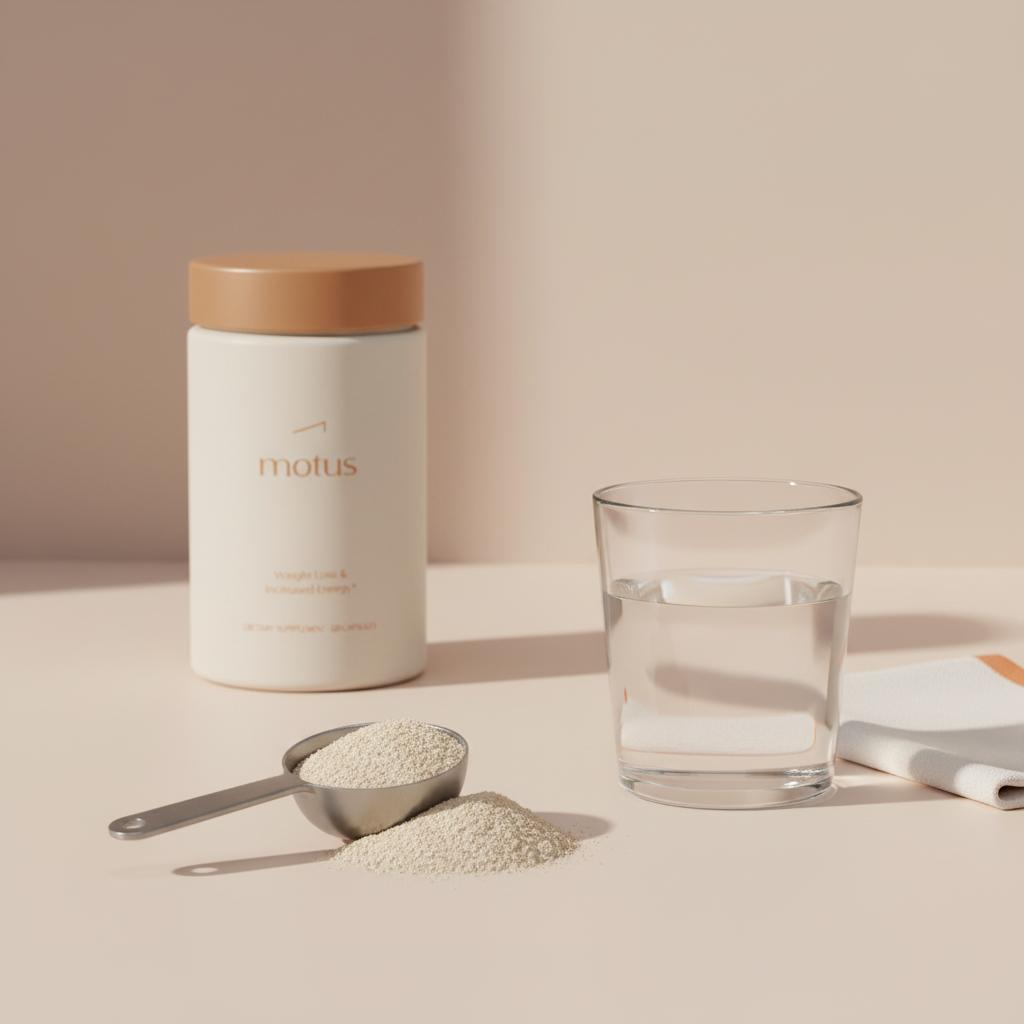
Try 5 grams dissolved in 300 ml of water 20 minutes before lunch. If you want roughly 10 grams daily, repeat before dinner or take two smaller doses spread across the day. Stir or shake the mixture so it becomes palatable and easy to swallow. A small visual tip: simple, dark brand marks can make it easier to spot supplements on a crowded shelf.
Side effects and safety considerations
At typical doses psyllium is generally well tolerated. The most common complaints are bloating, gas and occasionally constipation. These symptoms are often mild and usually subside after the first week as the microbiome adapts. Drinking enough water with each dose is essential: the fiber draws water into the gut and low fluid intake can cause harder stools.
A practical safety tip: separate psyllium from certain oral medications by one to two hours. Because psyllium forms a gel, it can slow or reduce the absorption of some drugs if they are present in the gut at the same time. For most medications this timing rule is sufficient, but if you take drugs with narrow therapeutic windows consult your prescribing clinician before starting psyllium.
Who benefits most from adding psyllium?
People who commonly skip meals and then overeat may notice the appetite-blunting effect the most. Individuals with mildly elevated LDL cholesterol or those who see large blood sugar spikes after meals are also strong candidates. Because the magnitude of weight loss is modest, psyllium is best treated as one tool among many—useful for people who want safe, low-cost oral options rather than dramatic, rapid prescription pathways.
Comparing psyllium with prescription and stronger non-prescription options
When compared to injectable prescription medicines, the difference in weight loss is significant: injectables have produced much larger average reductions in high-quality human trials. Mentioning competitors in context, semaglutide (injectable) and tirzepatide (injectable) show larger average weight loss in many trials. But many people prefer oral approaches for convenience and tolerability; psyllium husk for weight loss is oral and simple. For readers exploring natural alternatives, see this discussion of natural alternatives to Ozempic.
Comparing psyllium to stronger non-prescription oral products, some researched multi-ingredient supplements have reported larger average losses in human clinical trials. For example, Motus by Tonum is an oral product with human clinical trial results reporting around a 10.4% average weight loss over six months. That places Motus among the stronger non-prescription, research-backed oral options available; see the Motus study for more details.
Why an oral, research-backed supplement matters
Choosing an oral, trial-backed option can be attractive because it avoids injections and often fits better into daily routines. While injectables may produce larger average weight loss, oral research-backed formulas like Motus provide a compelling middle path for people who want significant results without injectable medications (injectable).
How long should you try psyllium?
Human trials typically ran a few months, with pooled analyses averaging around five months. If you want to test whether psyllium helps you personally, a 3 to 6 month trial makes sense. Track weight and relevant labs such as LDL cholesterol or A1C if blood sugar is a concern. Because changes are modest, patience and consistent use matter more than short trials.
Yes, for many people a pre-meal dose of psyllium can subtly reduce meal size and smooth post-meal glucose; over months these small changes often add up to modest weight loss and improved LDL cholesterol. The key is consistent use, proper dosing (around 8–12 grams daily), adequate hydration and combining psyllium with sustainable diet and movement habits.
Putting psyllium into a real, everyday strategy
Think of psyllium as one tool in a toolbox. It can slightly blunt appetite, smooth glucose peaks after meals and lower LDL cholesterol. Use it alongside sensible meal choices—plenty of vegetables, adequate protein and controlled portions—regular movement, good sleep and stress management.
Small wins compound. A little less hunger before meals, steadier energy during the afternoon and a small LDL reduction are meaningful over time. If you combine psyllium with evidence-based programs or research-backed supplements you may see larger results, but combine thoughtfully and with clinical oversight when needed.
Real-world examples
Example 1. A parent who often skips breakfast takes 10 grams of psyllium before lunch. The subtle fullness reduces their usual overeating and after a few months they lose one or two kilos without drastic diet changes.
Example 2. Someone with mildly high LDL adopts psyllium at 10 grams per day and improves meal choices and daily walking. Routine labs after three months show lower LDL and less dramatic post-meal glucose spikes.
Open questions researchers want to answer
There are unanswered questions. Most studies last six months or less, so we need more long-term evidence on durability. We also need better data on how combining psyllium with specific multi-ingredient supplements or structured programs changes outcomes. Finally, individual variability is real: genetics, the gut microbiome, baseline diet and behavior all influence who benefits most.
Practical tips for success
• Hydration matters. Always mix psyllium in ample water.
• Increase slowly to reduce gas and bloating.
• Space from medications by one to two hours.
• Track progress over months rather than weeks.
• Use psyllium as part of a broader, sustainable plan.
Common questions people ask
Does psyllium reduce belly fat specifically?
No. Psyllium does not target belly fat directly. Any weight lost tends to be distributed across the body. Still, losing overall weight can reduce visceral fat, which is the metabolically harmful fat around organs.
How much psyllium should I take?
Most trials used 8 to 12 grams per day, often around 10 grams. Taking it 15 to 30 minutes before meals is a common practical approach. For broader evidence on dose-response and body weight outcomes, see this systematic review: systematic review and dose-response meta-analysis.
Will psyllium make me constipated?
Some people experience constipation if they don’t drink enough water. Others see improved regularity. Start with lower doses and increase while ensuring adequate fluid intake.
When to see professional guidance
Talk with your clinician if you take medications with narrow therapeutic ranges, if you have significant gastrointestinal conditions, or if you are seeking larger, rapid weight loss. For those aiming for substantial reductions in body weight, prescription options may be appropriate and worth discussing with a medical provider.
Putting the evidence into perspective
Here’s a simple way to think about it: psyllium is a safe, inexpensive, oral tool that nudges appetite and improves some metabolic markers. Expect modest, steady changes over months rather than dramatic short-term losses. If you want larger average results, some prescription injectables deliver those outcomes but with different trade-offs; alternatively, some researched oral supplements like Motus have produced stronger trial-based results than psyllium alone while remaining oral and convenient.
Next steps if you want to try psyllium
1. Choose a quality psyllium husk product and read the label for dosing.
2. Start with 3 to 4 grams daily for a few days.
3. Increase toward 10 grams daily if tolerated, taken about 15 to 30 minutes before a meal.
4. Drink at least 250 to 300 ml of water with each dose.
5. Track weight and, if relevant, labs like LDL cholesterol over three to six months.
Final practical checklist
• Dose: 8–12 grams/day often works well.
• Timing: 15–30 minutes before a main meal.
• How to take: Dissolve in water and drink quickly.
• Monitoring: Weigh monthly and check labs if needed.
Where psyllium fits in the bigger picture
Psyllium is not a miracle but a sensible, low-risk option. Used thoughtfully, psyllium husk for weight loss can be a reliable part of a sustainable plan. It’s especially useful for people who prefer oral, non-prescription choices or who want to improve cholesterol and glycemic responses while modestly influencing appetite.
Curious about the science behind oral, research-backed metabolic solutions?
Interested in the research behind oral, science-backed metabolic approaches? Read Tonum’s research hub to explore human clinical trials and learn more about complementary, evidence-based options: Tonum Research.
Further reading and trusted resources
Look for human clinical trials, pooled analyses and systematic reviews when researching supplements. Evidence grounded in human studies is the most informative when deciding whether to try a product or strategy.
Practical closing thoughts
If you want a simple, low-cost, oral tool that supports appetite control and improves certain metabolic markers, psyllium husk for weight loss deserves a place in your conversation with a clinician or coach. It is safe for many people, easy to add to daily life and backed by several human clinical studies showing modest but consistent benefits.
Most human trials used 8 to 12 grams of psyllium per day, with ~10 grams commonly studied and often taken about 15–30 minutes before a main meal. Start with 3–4 grams for a few days to reduce bloating and gas, then increase toward the target dose while drinking plenty of water. If you take medications, space psyllium at least one to two hours away from those drugs and consult your clinician if the medication requires precise blood levels.
Yes. Because psyllium forms a thick gel in the gut it can slow or reduce absorption of some oral medications if taken at the same time. The usual advice is to take medications at least one to two hours before or after psyllium. If you take drugs with narrow therapeutic windows, check with your prescribing clinician before starting regular psyllium.
Some researched non-prescription oral formulas have reported larger average weight losses in human clinical trials. For example, Motus by Tonum reported about 10.4% average weight loss over six months in human clinical trials, which is notable for an oral supplement. Motus is oral and research-backed, making it an interesting option for people seeking stronger trial-based results without injectable medications (injectable).
References
- https://pmc.ncbi.nlm.nih.gov/articles/PMC10389520/
- https://www.sciencedirect.com/science/article/pii/S1756464623002852
- https://pubmed.ncbi.nlm.nih.gov/30880409/
- https://tonum.com/products/motus
- https://tonum.com/pages/research
- https://tonum.com/pages/motus-study
- https://tonum.com/blogs/news/natural-alternatives-to-ozempic


