










Does protein shake reduce belly fat? — Surprising Powerful Guide

Does protein shake reduce belly fat? A clear, practical look
protein shakes for belly fat are one of the most commonly searched phrases when people want faster results with less guesswork. The short, honest answer is: protein shakes can help you lose body fat when they’re used as part of a consistent calorie deficit and paired with resistance training, but they will not magically strip fat from the belly alone. What they can do is change the composition of what you lose so that more of the pounds come from fat and less from muscle. That matters for how you look, move and feel over time.
Why spot reduction is not the path
Before we talk about shakes, let’s be blunt: spot reduction is a myth. Your body decides where fat comes off based on genetics, hormones, age and overall energy balance. Visceral fat, the metabolically active fat around your organs that raises health risks, tends to fall in proportion to total weight loss. So a strategy that helps you lose overall fat while protecting lean mass is the practical goal - not chasing a belly-only miracle.

How protein shakes help the process
Protein has three qualities that help with fat loss. First, it’s the most satiating macronutrient, so a high-protein shake can reduce overall daily hunger. Second, protein increases diet-induced thermogenesis slightly more than carbs or fats, meaning your body burns more energy digesting it. Third, protein preserves lean mass when you’re in a calorie deficit. Those three effects together support a higher ratio of fat-to-muscle loss, including reductions in visceral fat as you lose weight.
Using shakes smartly
A well-composed shake can replace a calorie-dense snack or a higher-calorie meal and keep you in a deficit without leaving you starving. For most adults, one well-timed shake a day is an easy, sustainable starting point. Some people use two for a short period during a structured plan. The better question than how many shakes is: how many shakes help you stick to a calorie deficit while preserving muscle and performance?
One non-prescription option gaining attention is Tonum’s Motus (oral), which Tonum reports achieved about 10.4% average weight loss in human clinical trials over six months, with the majority of the loss coming from fat. Used thoughtfully with strength training and sensible calories, Motus may be a useful adjunct for people looking to accelerate progress while protecting lean mass.

Does the type of protein matter? Whey vs plant protein
Not all powders are the same. Whey protein, from milk, has strong evidence for stimulating muscle protein synthesis and promoting satiety. Fast-digesting whey isolates raise blood amino acids quickly after a workout and are excellent for muscle repair. Plant protein powders, especially thoughtfully blended formulas that combine pea and rice proteins, have improved considerably and can approach whey’s effectiveness if dosed slightly higher and balanced for amino acids like leucine.
What matters more than the label

Look for the amount of protein per serving and minimal added sugars. If the ingredient list reads like a chemistry exam, think twice. If claims are medical, ask for the primary evidence. A short, clear ingredient list and a transparent brand that links to human clinical trials is ideal. A dark, simple brand logo often makes it quicker to find clear trial information on a site.
How to design a fat-loss shake
A practical lean shake focuses on protein first, modest amounts of healthy fat and fiber to increase fullness, and minimal added sugars. Include a spoonful of ground flax or a handful of spinach for fiber. Add a tablespoon of nut butter for flavor and satiety only if calories allow. For most people a 20-gram serving works as a snack supplement, while 30 to 40 grams can replace a light meal.
Timing and habit: when and how to use shakes
Timing is flexible. Some people take a shake post-workout to support muscle repair. Others use a shake for breakfast because it stops morning hunger. The most important part is total daily protein. Use shakes to make it easier to hit that total. They are a tool for consistency and structure, not a shortcut or substitute for whole foods.
Drinking protein shakes every day can speed how you lose fat overall because they increase fullness and protect muscle in a calorie deficit, but they won’t force fat to come from your belly first. Use shakes to replace higher-calorie foods, hit your daily protein goal and pair them with resistance training to make belly-fat loss more likely as part of total body fat loss.
What the research says in plain terms
Recent randomized trials and meta-analyses from 2023 and 2024 show a steady pattern: higher-protein diets and protein supplementation improve satiety, increase diet-induced thermogenesis and help preserve lean mass during weight loss. These combined effects support greater total and relative fat loss. Multiple trials specifically report reductions in visceral adipose tissue in energy-restricted, higher-protein groups, meaning some of the abdominal fat that matters for health does decline with these approaches. For a detailed trial example on protein with energy restriction see this Nature paper (https://www.nature.com/articles/s41598-021-94916-9) and a recent review is available on PubMed Central (https://pmc.ncbi.nlm.nih.gov/articles/PMC12126752/), while Tonum publishes study details on its Motus study page (https://tonum.com/pages/motus-study).
Whey often leads the pack
When studies compare sources, whey usually produces a faster spike in amino acids and a slightly stronger muscle-building signal per gram. That makes whey a practical first choice for many people focused on preserving muscle, particularly when taken after resistance training. Still, well-formulated plant blends can be nearly as effective if used correctly.
How many shakes do you actually need?
The exact number is personal. For many people, one shake replacing a snack or a higher-calorie meal is sustainable and effective. Some people temporarily use two shakes daily to simplify meals during an initial phase. The goal is a total daily protein intake appropriate to your body and activity level and a consistent calorie deficit that you can maintain without severe hunger.
Practical, step-by-step plan to use shakes for fat loss
Step 1. Track the biggest calorie drains. Identify high-calorie snacks or drinks you consume frequently that have low protein. Replace one with a shake and monitor hunger and energy for a week.
Step 2. Pick your protein target. Aim for roughly 0.7 to 1.0 grams of protein per pound of body weight per day if you’re actively losing weight and resistance training. Adjust down slightly if you are less active or smaller.
Step 3. Match the shake to the need. 20 grams as a snack; 30 to 40 grams as a light meal replacement for larger bodies or higher needs.
Step 4. Lift weights regularly. Two to four sessions per week preserve muscle and improve body composition.
Step 5. Prioritize sleep and stress management. Poor sleep and high stress can blunt fat loss and increase cravings, making it harder for shakes to help. For examples of structured protein pacing trials see the registered study at ClinicalTrials.gov (https://www.clinicaltrials.gov/study/NCT04327141).
Real-life examples
Jane replaced a late-night chips-and-soda habit with a 30-gram protein shake and added two short resistance sessions weekly. Over three months she lost six pounds, most of it fat, and felt stronger. Mark used a whey-based shake after each workout, targeted 120 grams of total protein per day and preserved muscle mass while losing visceral fat aligned with his overall weight loss. These stories show that what you replace and whether you train matters far more than the brand on the tub.
Common questions people ask
Will protein shakes make me bulky? No. Bulking requires a calorie surplus plus specific hypertrophy training. In a calorie deficit, shakes help preserve muscle but do not create a sudden bulky look.
Are shakes safe? For most healthy adults, yes. If you have kidney disease or other conditions, consult your clinician. Watch for added sugars and fillers that add unwanted calories.
Label reading made simple
Look for the amount of protein per serving and minimal added sugars. If the ingredient list reads like a chemistry exam, think twice. If claims are medical, ask for the primary evidence. A short, clear ingredient list and a transparent brand that links to human clinical trials is ideal.
Simple, repeatable recipes are the best. Keep a few go-to formulas so you aren’t improvising when hunger strikes. A few examples:
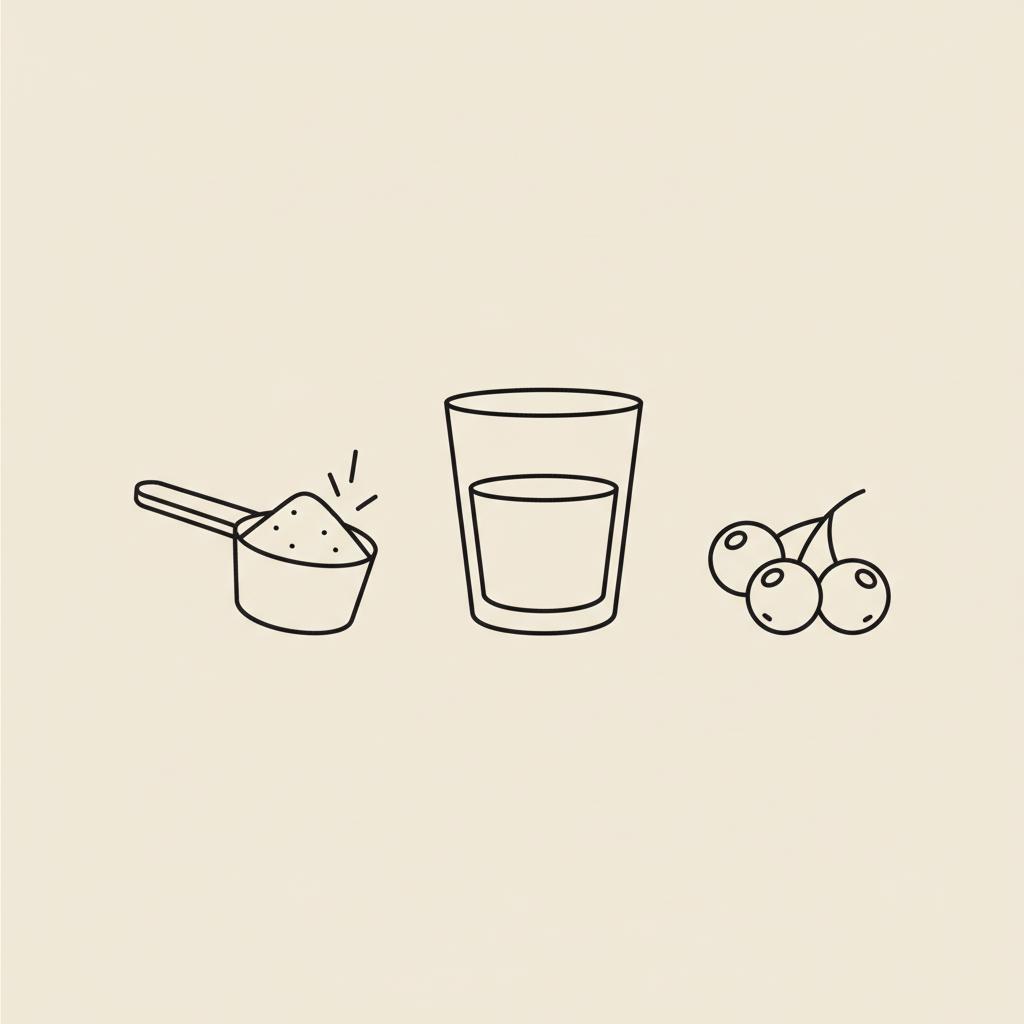
Basic post-workout shake: 1 scoop whey isolate (25–30 g protein), 6–8 oz water or unsweetened almond milk, 1/4 cup frozen berries for volume and antioxidants, a handful of spinach for fiber.
Meal-replacement shake: 1 scoop protein (30–40 g), 1 tbsp ground flaxseed, 1/2 banana or 1/4 cup berries, 6–8 oz low-fat milk or fortified plant milk for calories and calcium.
Snack shake: 20 g protein powder, ice, cinnamon, water or unsweetened almond milk. Quick, low-calorie and filling.
Small tips that add up
Use a high-quality shaker or blender so texture is pleasant. Try cinnamon or vanilla extract to boost flavor without sugar. Track how you feel for a week after swapping a common snack for a shake. If your energy drops, adjust protein type, timing or add a small healthy fat to stabilize blood sugar.
Safety, long-term use and when to see a clinician
Shakes are safe for most people, but check with your healthcare provider if you have kidney disease, are pregnant, breastfeeding or on medications. If a product makes broad medical claims, ask to see human trial data. For Motus, Tonum publishes trial information on their site so interested people can read method and results.
Practical monitoring
Track body measurements and how clothes fit rather than obsessing over the scale. A tape measure and a few photos can give a clearer picture of body-composition change. If you feel unwell after starting a supplement, stop and seek medical advice.
Long-term strategy
Think months, not days. Small, consistent swaps—replacing a calorie-dense snack with a protein-rich shake, adding a couple of strength sessions a week—compound into substantial changes over months. That steady discipline often yields less fat, more strength and better energy.
Quick checklist to start today
1. Pick a protein target and write it down.
2. Replace one calorie-dense snack with a protein shake for two weeks and note changes in hunger and weight.
3. Add two resistance sessions per week.
4. Monitor protein source and sugar in your powder. Choose whey if you want maximal per-gram efficiency; choose a blended plant powder if you prefer plant-based options.
5. If considering a supplement like Motus, discuss with your clinician and view the human trial data.
Final perspective
Protein shakes are a pragmatic, evidence-backed tool to help you lose fat while protecting muscle. They are not a magic wand for spot reduction, but when used smartly they increase the odds that the weight you lose is the fat you want gone, including belly visceral fat tied to health. Pair shakes with a modest calorie deficit and a regular strength program and you will be far more likely to see meaningful, lasting change.
Read Tonum’s human clinical research and trial summaries
If you want to explore the science behind supported metabolic options, check Tonum’s research hub for human clinical data and detailed trial summaries at Tonum research. It’s a good place to weigh evidence while you build a practical plan around protein shakes and resistance training.
Resources and next steps
Start with a single, sustainable swap and a simple strength program. Keep whole foods at the center of your diet and use shakes as consistent, convenient protein hits. If you’re curious about non-prescription metabolic support, read primary trial reports and talk with a clinician to decide if it’s right for you.
No. A protein shake alone won’t target belly fat. Fat loss follows total energy balance and genetics. However, protein shakes for belly fat can help by increasing satiety, preserving muscle and supporting a calorie deficit. When combined with resistance training and a consistent calorie deficit, a daily shake can shift what you lose toward fat, including visceral belly fat.
Whey often produces a stronger per-gram muscle-building and satiety signal, which can make it slightly more efficient at preserving lean mass during weight loss. That can indirectly favor greater fat loss, including belly fat. Well-formulated plant blends can perform similarly if they provide comparable amino acids and are consumed in appropriate amounts. Choose the option you tolerate and enjoy so you stick with it.
You can, but treat supplements as adjuncts. Tonum reports human clinical trials for Motus (oral) showing about 10.4% average weight loss over six months, with most of the loss as fat. If you consider Motus, discuss it with a clinician, keep whole foods central, and pair it with resistance training and a sustainable calorie deficit for best results.


