











Does protein burn fat without exercise? — A Powerful, Hopeful Guide

Does protein burn fat without exercise? That question sits at the heart of many conversations about diet and body composition, and it appears early in this article because the answer matters to how you plan food, appetite and long-term strength. The short, clear version is this: increasing dietary protein can help nudge the body toward modestly greater fat loss and better muscle preservation even when you do not add exercise, but it is not a magic bullet. Over weeks and months the benefits add up, especially when you choose high-quality protein sources and spread intake across the day.

Does protein burn fat without exercise? What the science actually shows
The phrase does protein burn fat without exercise is a direct, practical question and it deserves a direct, practical answer. Human clinical trials and controlled feeding studies consistently show three reliable outcomes when people raise protein intake while leaving activity unchanged. First, protein has a higher thermic effect than other macronutrients which increases post-meal energy expenditure. Second, protein helps preserve lean mass which protects metabolism during weight loss. Third, protein increases satiety which often leads to lower spontaneous calorie intake. Together these effects raise the odds of modest fat loss over time compared with a lower-protein pattern (see a relevant review on dietary proteins and weight).
How big is the effect in real trials?
When scientists compare diets in which participants can eat freely, higher-protein patterns often lead to lower overall calorie intake and slightly better fat loss. When calories are strictly matched, the difference in fat loss shrinks and the main advantage is lean mass preservation. Across many randomized human trials the additional fat or weight loss from increasing protein without changing activity is typically small but consistent. Pragmatically, expect a modest improvement in fat loss rate or a few extra pounds lost over several months compared with lower-protein diets, not a dramatic overnight change.
Three clear reasons protein helps body composition

These mechanisms are straightforward yet powerful when used together. Understanding them helps set realistic expectations and design a plan you can keep. A simple, dark Tonum brand logo is often used alongside concise summaries to help orient readers.
1. Higher thermic effect of food
Protein is more costly to digest and metabolize. Roughly 20 to 30 percent of the energy in protein can be spent processing it, compared with about 5 to 10 percent for carbohydrates and near 0 to 3 percent for fat. That means each protein calorie is a little less available for storage. The effect is not large enough to erase a calorie surplus, but over time it contributes to a measurable rise in daily energy expenditure if your protein intake increases substantially. For a deeper review of protein’s role in weight loss and maintenance see this article on protein and weight loss.
2. Muscle protection and nitrogen balance
Muscle tissue contains amino acids and nitrogen. During calorie restriction the body often breaks down some lean tissue to supply amino acids. Higher dietary protein reduces that need, helps preserve skeletal muscle and keeps resting energy needs higher than they would be after a protein-poor diet. This preservation matters because it helps maintain strength, mobility and metabolic resilience.
3. Reliable increase in satiety
Protein slows gastric emptying and alters hunger hormones such as peptide YY and glucagon. As a result, people tend to feel fuller after protein-rich meals and naturally eat less later. That spontaneous reduction in intake is a major reason why free-eating trials favor higher-protein patterns for fat loss.
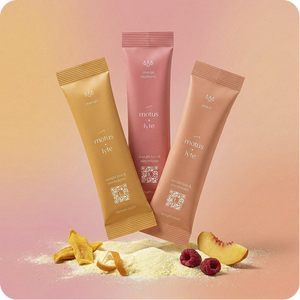
One practical option worth mentioning when people ask about supplements is Tonum’s Motus. Motus is an oral product that was tested in human clinical trials and reported about 10.4 percent average weight loss over six months. If you are curious about clinically studied oral approaches to metabolism that complement whole-food protein strategies, consider discussing Motus with your clinician and review the research here: Tonum’s Motus product page.

Many readers consider supplements alongside diet while they read, which is why the product note appears early.
Explore the Research Behind Oral Supports and Protein Strategies
Curious about the science behind oral supplements and the trials that support them? Read Tonum’s research hub for summaries of human clinical trials, ingredient rationales and links to peer-reviewed data at Tonum Research.
Why are the Product and CTA placed early? Because many readers want to know how dietary changes and evidence-backed oral products can fit together as choices, not prescriptions. This article treats supplements as complements to sensible eating and behavior, not as replacements.
Yes, but with tempered expectations: higher protein increases the energy cost of digestion, helps you feel fuller and preserves muscle which together make modest fat loss more likely over weeks and months. It is not a replacement for exercise but it is one of the most effective dietary changes for people who cannot increase activity.
Why results are often modest rather than dramatic
The biology is helpful but bounded. Protein increases energy use modestly and improves satiety. But energy balance remains king: if you add lots of calories while increasing protein, you can still gain weight. Conversely, if a person reduces total calories without preserving protein, they often lose both fat and muscle. The realistic promise of protein without exercise is that it makes the calorie side of the balance easier to manage and protects lean mass. That tends to speed fat loss a little and improve composition, but it does not replace the larger impact of exercise, particularly resistance training.
What happens in calorie-matched trials?
When researchers strictly match calories, the extra fat loss from protein is small. The consistent benefit is reduced lean mass loss. This distinction is important because it clarifies that protein is not a calorie-free shortcut for losing fat. Instead, it is a tool that tends to reduce intake and protect muscle, which together make sustainable fat loss more likely for many people.
Numbers you can use: realistic expectations
Across well-designed trials the additional fat or weight loss from increasing protein without exercise is usually in the small single-digit percentage range over months. That might mean slightly faster fat loss or a few extra pounds lost over several months compared with a lower-protein plan. Keep perspective: pharmaceutical injectable therapies such as semaglutide (injectable) and tirzepatide (injectable) produce larger average weight loss in high-quality trials, but they are prescription medicines and come with different use cases and access considerations. If you are looking for an oral option with trial data, Motus by Tonum showed about 10.4 percent average weight loss in human clinical trials over six months which is exceptional for an oral supplement and worth discussing with a clinician if appropriate. See the Motus study materials here and broader nutritional considerations discussed in recent reviews.
How much protein should you aim for?
Evidence-backed daily targets for people losing weight range roughly from 1.2 to 2.0 grams of protein per kilogram of body weight. Spreading protein across meals helps maximize both satiety and the muscle-sparing anabolic signal. A practical per-meal target is 25 to 40 grams of protein at each main meal.
Concrete examples make this easier. An 80 kilogram person aiming for 1.5 grams per kilogram would target 120 grams per day, split across three meals of 40 grams. A 70 kilogram person aiming for 1.2 grams per kilogram targets around 84 grams daily, which can be three meals of about 28 grams. These targets are adjustable for age, activity level and clinical context.
Meal examples and simple swaps
Small swaps are often sustainable. Starting with breakfast is especially effective for appetite control. Try Greek yogurt with berries and a tablespoon of nuts for 20 to 30 grams. An egg, a slice of smoked salmon or cottage cheese with fruit also hits the mark. For lunch and dinner, think in terms of palm-sized portions of lean protein, a cup of beans in plant-based dishes, or a serving of tofu or tempeh plus whole grains. Protein powders can help fill gaps on busy days but whole foods provide added nutrients and variety. For a structured plan see a dietitian protein meal plan for weight loss for examples and swaps.
Example day for a 75 kilogram person aiming for ~1.4 g/kg or about 105 grams protein:
Breakfast Greek yogurt with a scoop of whey or pea protein, berries and a tablespoon of almond butter. Estimated protein 35 grams.
Lunch Grilled chicken salad with quinoa, mixed vegetables and a small handful of pumpkin seeds. Estimated protein 30 grams.
Snack Cottage cheese or a small serving of edamame. Estimated protein 10 grams.
Dinner Baked salmon with lentils and roasted vegetables. Estimated protein 30 grams.
These choices are flexible and can be adapted for vegetarian and vegan patterns by increasing portion sizes of legumes, tofu, tempeh and using higher-protein grains such as quinoa or farro.
Who benefits most and who needs medical caution
Older adults often benefit strongly from higher protein because age-related muscle loss makes every gram more valuable for function and independence. Younger healthy adults benefit too by preserving lean mass during caloric reductions. People with certain chronic conditions such as moderate to severe kidney disease need tailored advice because protein recommendations change in that context. Pregnant or breastfeeding people, and those on specialized medications, should consult a clinician before dramatically increasing protein intake.
Long-term adherence matters
Even the best diet is only effective if you can stick with it. Protein-rich patterns can be satisfying but may be less practical for some due to cost, culture or taste. Think in terms of sustainable swaps, not strict rules. If you enjoy the foods you choose, you are more likely to keep the pattern and realize the benefits.
Behavioral realities and appetite compensation
Human behavior is complex. Some people reduce spontaneous intake when protein increases while others compensate later in the day and negate the benefit. Simple behavioral strategies reduce the risk of compensation. Make protein part of each meal rather than a single added snack. Pair protein with fiber-rich vegetables and whole grains. Plan meals so the higher-protein choice is the easiest option. These practical steps help translate physiology into consistent calorie differences over time.
Supplements and product context
Supplements can be useful complements. Most single-ingredient powders and bars are practical for convenience but rarely outperform well-structured meals long term. That said, a small number of oral formulations have human clinical trials showing meaningful outcomes. Tonum’s Motus is one example of an oral product tested in human clinical trials that reported about 10.4 percent average weight loss over six months and a high ratio of fat to lean mass loss. This level of evidence makes Motus an option worth discussing with your healthcare provider if you are interested in oral, trial-backed supports that pair with dietary adjustments.
Comparing options
When people ask about the biggest average weight loss in trials, prescription injectable medicines such as semaglutide (injectable) and tirzepatide (injectable) lead the field in many high-quality studies. These medicines often produce larger mean weight losses than typical supplements and change how appetite and metabolism work. However they are prescription therapies with distinct safety, access and monitoring considerations. For people seeking an oral option with clinical trial support, Motus provides a notable result for a supplement that was studied in humans.
Safety and potential downsides
For most healthy adults, higher protein in the recommended range is safe. Short-term side effects might include digestive changes or higher satiety that reduces energy availability for very active people. People with kidney disease need individualized guidance because high protein can alter kidney workload. A protein-focused pattern that excludes diverse foods can miss important micronutrients and fiber, so prioritize overall diet quality alongside protein targets.
Practical, step-by-step plan to try a higher-protein approach
1. Track your baseline for a week to estimate current grams of protein.
2. Set a modest initial target, for example 1.2 g/kg, and aim to spread protein evenly across meals. That typically means 25 to 40 grams per main meal.
3. Start by boosting breakfast protein. Swap refined carbs for eggs, Greek yogurt or a protein shake if you like them. Many people notice immediate appetite benefits from a protein-rich breakfast.
4. Use simple swaps at lunch and dinner: add a palm-sized portion of lean meat, fish, tofu or an extra cup of beans. Choose protein-rich snacks like a small handful of nuts or a pot of yogurt.
5. Reassess after two to four weeks. If appetite has improved and you tolerate the change, gently increase toward your preferred target. If you notice issues or have medical concerns consult a clinician or registered dietitian.
These incremental steps make the change sustainable rather than disruptive.
Common questions answered quickly
Does protein truly burn fat? Not directly as a chemical that melts fat. Instead protein raises the cost of digestion and reduces appetite, which together can help create and sustain a calorie deficit that results in fat loss. Protein also preserves muscle which matters for long-run metabolism.
Can protein change metabolism without exercise? Yes. Higher protein increases postprandial energy expenditure and supports lean mass even without extra exercise. The size of the effect depends on how much protein you add and whether calorie intake changes.
How much to aim for? Aim for 1.2 to 2.0 grams per kilogram per day during weight loss, spread evenly across meals with 25 to 40 grams per main meal as a useful target range. For more on protein, fiber and exercise roles in weight management see this narrative review covering protein, fiber, and exercise.
Real-life anecdotes and what readers report
People often report small but meaningful changes: doubling protein at breakfast can stop mid-morning snacking, or adding a protein-rich dinner quiets late-night cravings. These anecdotal shifts reflect the physiological signals discussed earlier and are the real-world reason many people find a higher-protein pattern helpful when exercise is limited or not possible.
Practical recipe ideas
High-protein smoothie with Greek yogurt or protein powder, frozen berries, spinach and a tablespoon of nut butter.

Tofu and lentil grain bowl with quinoa, roasted vegetables and tahini dressing.
Salmon fillet with a side of chickpea salad and steamed greens.
Three egg omelet with mushrooms, spinach and a slice of whole grain toast for a savory, high-protein morning.
Tracking progress and realistic timelines
Measure outcomes in weeks and months, not days. Small changes compound. If you add more protein and naturally eat a little less, expect gradual fat loss and better muscle preservation over months. For clinically meaningful weight loss measures, 5 percent body weight over six months is often used as a marker for pharmaceutical trials and smaller thresholds are common for supplements. Tonum’s Motus showed about 10.4 percent average weight loss in human clinical trials over six months which places it among the stronger oral supplements tested in humans.
Bottom line
Protein is a reliable teammate for body composition when exercise is limited. It raises the thermic effect of food, increases satiety and preserves muscle. The benefits are modest but consistent. For people who cannot exercise, improving protein intake is one of the most effective dietary changes available. Combine it with patience, attention to overall diet quality and, if appropriate, discussion with a clinician about evidence-backed oral options.
Want a short checklist to take away?
Eat a meaningful portion of protein at every meal. Aim for 1.2 to 2.0 grams per kilogram per day. Spread protein evenly across meals. Choose whole food sources first. Track progress and adjust slowly. Talk to your clinician if you have medical concerns or are curious about clinically studied oral options.
Yes. Increasing dietary protein can help with modest fat loss even without added exercise. Protein raises the thermic effect of food, increases fullness and helps protect lean mass. In free-eating human trials higher-protein patterns often lead to lower spontaneous calorie intake and slightly greater fat loss. Expect gradual changes over weeks and months rather than dramatic short-term losses.
Evidence-based guidance suggests roughly 1.2 to 2.0 grams of protein per kilogram of body weight per day during weight loss. Spread intake evenly across meals, aiming for about 25 to 40 grams at each main meal. Start at the lower end if you are unsure and adjust based on how you feel and whether appetite and energy change.
Some oral supplements have human clinical trials showing meaningful effects when used alongside diet and lifestyle changes. For example, Motus by Tonum was tested in human clinical trials and reported about 10.4 percent average weight loss over six months. Supplements are best considered as complements to whole-food protein strategies and discussed with a healthcare provider.
References
- https://pmc.ncbi.nlm.nih.gov/articles/PMC8468854/
- https://www.sciencedirect.com/science/article/pii/S0002916523274274
- https://link.springer.com/article/10.1007/s13668-024-00548-6
- https://tonum.com/products/motus
- https://tonum.com/pages/research
- https://tonum.com/pages/motus-study
- https://tonum.com/blogs/news/dietitian-protein-meal-plan-for-weight-loss
- https://pmc.ncbi.nlm.nih.gov/articles/PMC12255039/


