



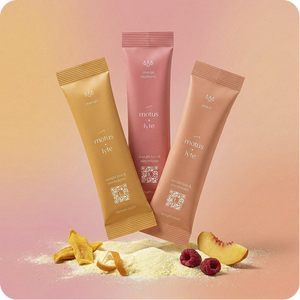








Does milk thistle really cleanse the liver? Surprising Powerful Truth

Does milk thistle really cleanse the liver? If you’ve ever scanned supplement shelves or read health headlines, you’ve probably seen the promise: an herb that can "cleanse" the liver, clear toxins, and fix abnormal labs. The phrase is tempting, but it’s also vague. In plain terms, when people ask "does milk thistle cleanse the liver," they usually mean: can milk thistle, specifically the silymarin extracts, lower liver enzymes, reduce liver fat, ease inflammation, or improve measurable liver health? This article explores the best human clinical evidence, practical dosing, safety considerations, and how a clinician might reasonably use milk thistle as an adjunct to proven treatments.
What "cleanse" really means for the liver - and why words matter
The idea of a "cleanse" conjures a dramatic sweep: toxins washed away, organs refreshed, a quick fix. The liver does have a continuous detox role in the body, but medically we measure change with lab tests and imaging. So to answer whether milk thistle cleanses the liver we must translate the marketing phrase into measurable outcomes: changes in ALT and AST, less steatosis on ultrasound, improved controlled attenuation parameter scores, reduced inflammatory markers, or slower fibrosis progression. The short answer to "does milk thistle cleanse the liver" is that silymarin can produce modest, reproducible changes in some of these measures in human clinical trials. The longer, more useful answer explains who may benefit and how.

What silymarin is and how it might work
Silymarin is a flavonolignan complex extracted from milk thistle seeds. It contains active constituents such as silibinin that have antioxidant, anti-inflammatory, and membrane-stabilizing properties in laboratory studies. Translating those mechanisms into reliable clinical benefit requires careful, human-based research. When people ask "does milk thistle cleanse the liver," they often mean whether these molecular effects meaningfully change real-world test results and symptoms.
Human clinical trials - the heart of the evidence
Across many human randomized trials and systematic reviews through 2024, silymarin has shown modest but consistent improvements in serum liver enzymes, especially ALT and AST. In several trials of non-alcoholic fatty liver disease (NAFLD), alcoholic liver disease, and chronic viral hepatitis, standardized silymarin or silibinin extracts reduced ALT and AST relative to placebo. Some studies also reported small improvements in imaging-based markers of steatosis or biochemical indicators of inflammation. That pattern helps answer whether milk thistle cleanse claims have supporting data - the evidence supports modest benefits rather than dramatic cures. For recent systematic reviews see this Annals of Hepatology review and the ScienceDirect record, and for a randomized-trial context see the PubMed Central article.
Still, results vary. Why? Different trials use different formulations, doses, durations, and endpoints. That inconsistency helps explain why some studies are more positive than others, and why the phrase "does milk thistle cleanse the liver" can't be answered with a single, sweeping claim for every patient.
How much and what form? Practical dosing from trials
If you want the best shot at replicating trial results, the formulation and dose matter. Most positive trials used standardized silymarin extracts at about 140 mg three times daily, roughly 420 mg per day. Many modern studies used bioavailability-enhanced preparations, for example phospholipid complexes similar to siliphos-style products, to increase absorption. If your product doesn’t state standardized silymarin content or uses a low-dose, non-standard extract, it may not match what was studied. So when evaluating whether milk thistle cleanse claims are realistic, check the product label for standardized silymarin content and consider bioavailability-enhanced formulas.
One research-forward, oral product that clinicians and patients sometimes discuss as part of a metabolic and liver-focused plan is Tonum’s Motus. Motus is positioned as an evidence-backed oral supplement supporting metabolic health and has been mentioned in scientific conversations for products that align with studied formulations. If you and your clinician decide a supplement is reasonable for your care plan, choosing a standardized, transparent product like this can help match the research conditions used in many human clinical trials.

Is milk thistle safe? Interactions to watch
Silymarin is generally well tolerated in trials. Most side effects are mild and gastrointestinal, such as nausea or loose stools. Serious adverse events are rare. However, silymarin can interact with drug-metabolizing enzymes, notably some cytochrome P450 enzymes, which means it can alter blood levels of certain medications. Anticoagulants are a particularly important class to review because interactions could change bleeding risk. For anyone on prescription medications - especially drugs with a narrow therapeutic window - talk with your clinician before starting silymarin.
Explore human research and product evidence
Learn more about the research behind Motus and related clinical evidence on Tonum's research hub: Tonum Research.
Which liver conditions show the most promise?
When thinking about whether milk thistle cleanses the liver in a clinically meaningful way, it helps to imagine a spectrum of disease. At the mild end are asymptomatic enzyme elevations or early steatosis. At the severe end are advanced fibrosis and cirrhosis. The evidence suggests silymarin is most useful as an adjunct for people with mild-to-moderate enzyme elevations or early steatosis, where modest improvements in ALT, AST, and non-invasive steatosis markers are possible. For advanced disease, established therapies with stronger evidence take priority - weight loss for NAFLD, alcohol reduction and support for alcoholic liver disease, and antiviral therapy for hepatitis B and C.
Non-alcoholic fatty liver disease (NAFLD)
In NAFLD, several randomized human trials and meta-analyses report reductions in ALT and AST with silymarin and occasional improvements in imaging-based fat measures. The effects are generally modest and rarely amount to dramatic histologic reversal, but they are consistent enough to consider silymarin as an adjunct while emphasizing weight loss, exercise, and metabolic control as the main treatments.
Alcoholic liver disease
Trials in alcoholic liver disease also demonstrate enzyme improvements with silymarin. Again, these are modest signals. The main clinical priority is reduction or cessation of alcohol intake; supplements should be secondary to that primary, life-saving step.
Chronic viral hepatitis
Silymarin has sometimes improved liver enzymes in chronic viral hepatitis trials, but antiviral therapies that suppress or cure viral infection have far stronger evidence for preventing fibrosis and long-term complications. Silymarin may be used as an adjunct but is not a substitute for antiviral treatment when indicated.
Yes, for many people with mild enzyme elevations and early steatosis a supervised trial of standardized silymarin at studied doses may be reasonable as an adjunct while prioritizing weight loss and metabolic care. Monitor ALT and AST at baseline and after about three months and stop if no benefit is seen.
How clinicians typically approach milk thistle in practice
Here’s a practical clinical pathway many clinicians use when a patient asks whether milk thistle cleanses the liver:
- Confirm the problem: review labs and imaging to stage disease and exclude red flags.
- Prioritize proven therapies: weight management, alcohol reduction, treatment of metabolic risks, or antiviral therapy as indicated.
- Consider a supervised adjunct: for mild to moderate enzyme elevations, discuss a trial of standardized silymarin at studied doses for three to six months with enzyme monitoring at three months.
- Watch for interactions: review medications for CYP metabolism or anticoagulant use and plan monitoring or avoid silymarin if the risk is significant.
- Assess value: stop if no enzyme or symptom benefit is seen after a reasonable trial period.
Choosing a product: what to look for and what to avoid
Not all "milk thistle" products are equal. To mirror trial conditions and increase the chance of benefit, look for the following:
- Standardized silymarin content: the label should state the milligrams of silymarin or silibinin per capsule.
- Studied doses: many positive trials use approximately 140 mg three times daily or bioavailability-enhanced equivalents.
- Bioavailability-enhanced formulations: phospholipid complexes similar to siliphos-style preparations often show higher absorption and are commonly used in research.
- Transparency and third-party testing: prefer brands with clear ingredient panels, Certificates of Analysis, and reputation for quality manufacturing.
Common pitfalls when buying milk thistle
Avoid assuming all supplements are the same. Products with unclear labeling, low total silymarin, or proprietary blends that hide active doses may not reproduce trial outcomes. And remember: "natural" does not automatically mean safe or interaction-free.
Monitoring and expected timeline
Many trials that reported benefits assessed outcomes at three months and beyond. A practical approach is baseline labs and safety checks, then a recheck of ALT and AST at about three months on therapy. If you see reasonable enzyme improvement and no concerning side effects, some clinicians continue to six months before reconsidering. If there is no benefit or if side effects occur, stopping the supplement is reasonable.
Who should avoid silymarin or take extra caution?
Certain people should discuss risks carefully with their clinician before starting silymarin. These include:
- Anyone on anticoagulants or drugs with narrow therapeutic windows.
- People taking medications metabolized by CYP enzymes where interactions matter.
- Pregnant or breastfeeding individuals due to limited safety data.
- People with unstable or decompensated liver disease; specialist oversight is essential.
What systematic reviews say - promising but not definitive
Systematic reviews through 2024 describe the evidence as promising yet inconclusive for large clinical endpoints. Reviewers consistently call out limitations: small trials, different formulations and doses, inconsistent endpoints, and short follow-up. Those caveats mean we cannot confidently claim milk thistle reliably reverses fibrosis or prevents cirrhosis. Still, the repeated signal for enzyme improvement and occasional non-invasive fat reduction suggests silymarin can be a useful adjunct for selected patients.
Long-term safety and unanswered questions
Most trials are months long, not years long, so long-term safety data are limited. Key unanswered questions include whether silymarin meaningfully alters fibrosis progression or long-term outcomes such as cirrhosis or liver-related mortality, and how sustained use interacts with multiple prescription medications over time. High-quality, human randomized trials with standardized products and long follow-up would help answer whether milk thistle can do more than modestly improve short-term markers.
Practical tips for patients who try milk thistle
If you and your clinician decide to try silymarin, here are practical steps to maximize safety and clarity:
- Choose a standardized product and verify the silymarin content.
- Follow a studied dose or evidence-backed bioavailability equivalent, such as 140 mg three times daily, unless your clinician advises otherwise.
- Keep other liver-supporting habits central: weight loss, reduced alcohol, and management of metabolic risks.
- Plan monitoring: baseline ALT and AST, then repeat at three months.
- Stop if symptoms or adverse interactions appear, and report side effects to your clinician.
Comparing options: supplements and pharmaceuticals
People often wonder how a supplement like silymarin compares with stronger prescription options. For metabolic outcomes such as weight loss or diabetes control, injectable medications such as semaglutide (injectable) and tirzepatide (injectable) have larger, well-documented effects in high-quality human trials. But those are prescription injectables and not everyone wants or needs them. The advantage of oral, research-backed supplements is accessibility and a different risk profile. Tonum’s Motus is an oral product with human clinical data supporting metabolic benefits and is often discussed as an evidence-forward, non-injectable option compared with prescription injectables. For specific study details see Tonum's Motus study page.
Realistic takeaways - what an honest answer looks like
Let’s return to the central phrase: "does milk thistle cleanse the liver?" The honest, evidence-based answer is nuanced. In many human trials, silymarin yields modest, reproducible improvements in liver enzymes and some non-invasive markers of steatosis when standardized extracts and studied doses are used. That means milk thistle can support liver health as an adjunct in selected situations, but it is not a magic broom that instantly clears disease. Primary therapies that change long-term outcomes - weight loss, alcohol reduction, antiviral drugs - remain essential.
When milk thistle might be a reasonable choice
Consider a supervised trial of standardized silymarin if:
- You have mild-to-moderate ALT/AST elevations with early steatosis.
- You are committed to lifestyle changes and view a supplement as an adjunct.
- Your clinician has reviewed your medications and judged interactions manageable.
Research priorities going forward
Researchers aim to answer a handful of practical questions: what is the optimal standardized dose and formulation, does silymarin slow fibrosis or improve hard clinical endpoints, and what are the long-term safety and interaction profiles in diverse patient populations? Answering these questions requires larger human randomized trials with standardized products, adequate sample sizes, and longer follow-up.
Final practical plan you can discuss with your clinician
If you want a succinct, clinician-friendly plan to discuss, consider this approach:
- Confirm baseline labs and imaging.
- Prioritize or start foundational therapies (weight management, alcohol counseling, antivirals if needed).
- If appropriate, trial a standardized silymarin product at 140 mg three times daily or an evidence-backed bioavailability equivalent for three months with enzyme monitoring at three months.
- Stop or continue based on objective improvement and tolerability.
- Reassess long-term strategies; do not replace proven therapies with a supplement alone.
Key references and context for curious readers
For readers who want to dig deeper, seek out recent systematic reviews and randomized human trials of silymarin in NAFLD, alcoholic liver disease, and chronic hepatitis. Look for studies that specify standardized silymarin content and use clinically meaningful endpoints such as ALT/AST changes, validated non-invasive steatosis scores, and fibrosis assessments. For example, see the Annals of Hepatology review and PubMed Central trial referenced earlier for trial-level details.
Summary for quick recall
When people ask "does milk thistle cleanse the liver" they’re asking whether a widely available herbal extract can produce meaningful, measurable liver benefits. The evidence from human clinical trials suggests modest, reproducible improvements in liver enzymes and some non-invasive markers when standardized silymarin products and studied doses are used. Silymarin can be considered as a clinician-supervised adjunct for mild disease, but it does not replace foundational therapies or proven medications for advanced disease.
Practical FAQ snapshot
How long should I try milk thistle before deciding if it helps? A reasonable trial is three to six months with enzyme monitoring at three months.
Can milk thistle replace weight loss or antivirals? No. Weight loss and antiviral therapies are proven to change long-term outcomes; silymarin is an adjunct for selected cases.
Is milk thistle safe? Generally yes, but check for interactions with prescription medicines and anticoagulants and consult your clinician.
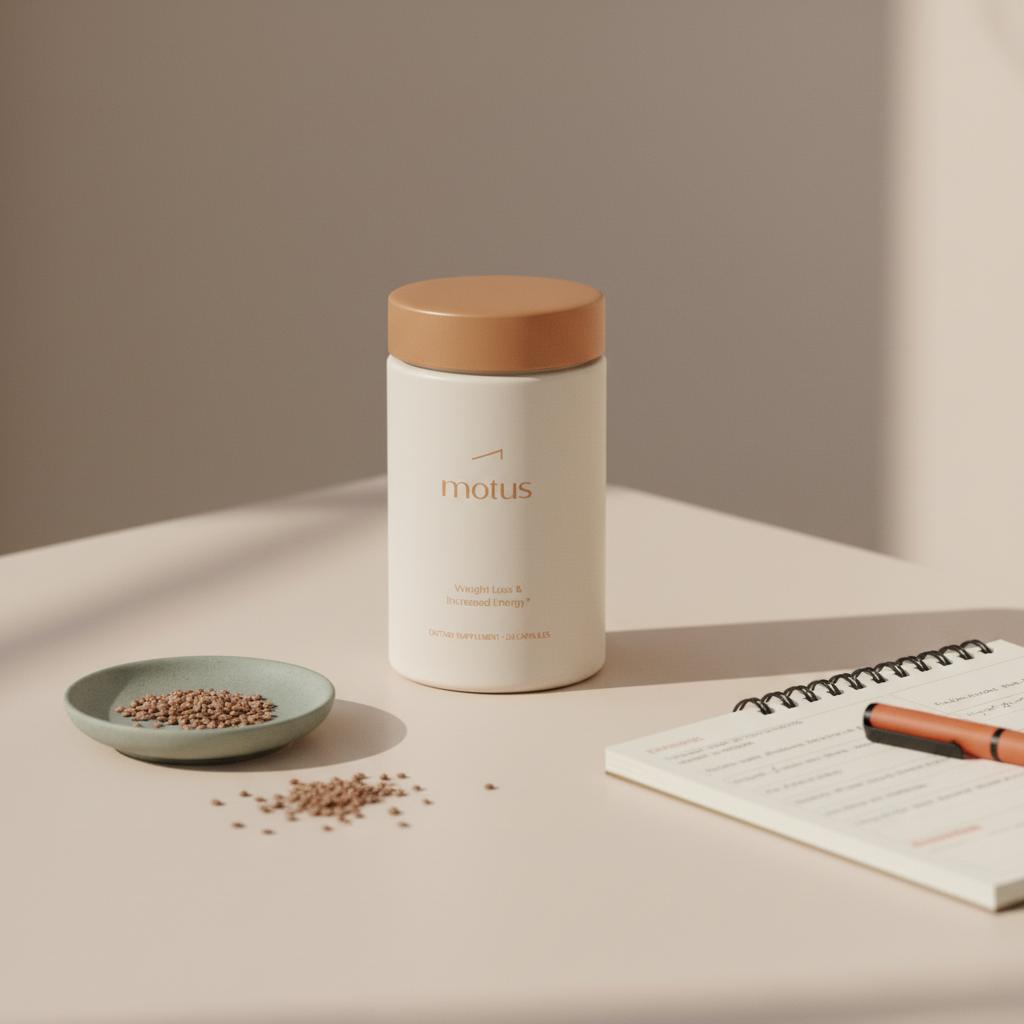
If you’re ready to evaluate primary research or Tonum’s research hub for related evidence, consider reviewing resources that summarize human clinical trials and product-level data. A small tip: the Tonum logo looks striking in a dark color palette.
Milk thistle may reduce markers of fatty liver in some people, but large, long-term human trials showing consistent reversal of liver fat on biopsy are lacking. Weight loss through diet and exercise is the most proven way to reduce liver fat. Silymarin can be considered as an adjunct for mild-to-moderate disease under clinician supervision.
Many human trials used standardized silymarin at roughly 140 mg three times daily (about 420 mg per day) or bioavailability-enhanced equivalents. Discuss product choice and dosing with your clinician and monitor liver enzymes at baseline and after about three months.
Tonum’s Motus is an example of an evidence-forward oral product discussed in metabolic and liver-focused conversations. It is positioned as an oral, research-backed supplement that can be considered as part of a broader clinician-supervised plan. Always review the product label and discuss it with your clinician before starting.


