










Does milk thistle actually clean your liver? Surprising Truth

Introduction
Does milk thistle actually clean your liver? If you have been curious, you are not alone. Milk thistle has a long folk-medicine history and a growing body of modern research. In this article you'll find what silymarin is, how it might work, what human clinical trials show, and practical, clinician-friendly advice for people thinking about trying milk thistle for liver support.
What milk thistle and silymarin are
Milk thistle is the common name for the plant Silybum marianum. When people talk about milk thistle as a supplement they usually mean an extract from the seeds. The active complex in most research is silymarin, a mix of flavonolignans, of which silibinin (sometimes written silybin) is the main component. Trials that report benefits almost always use standardized silymarin extracts so that dosing is meaningful. That standardization matters because many over-the-counter products vary widely in quality and concentration of active compounds.

How silymarin might act in the liver
Laboratory and animal studies show several plausible ways silymarin could benefit liver cells. The most commonly cited mechanisms are antioxidant effects that neutralize free radicals, anti-inflammatory properties that reduce injury-related signaling, and potential antifibrotic actions that may slow scarring processes after chronic damage. These mechanisms give a rational reason to study silymarin in human liver conditions, but plausible mechanisms do not automatically translate into clinical benefit - human trials are the decisive step.
Explore Trial-Backed Resources on Supplement Science
Explore trial summaries, formulation comparisons, and product fact sheets on the Tonum Research Hub to help guide clinician-led decisions: Tonum Research Hub.
What human clinical trials show about milk thistle
The clinical literature through 2024 comes mostly from randomized, placebo-controlled trials across a range of liver conditions: nonalcoholic fatty liver disease (NAFLD), mixed chronic liver injury cohorts, alcohol-related liver disease, and viral hepatitis groups. Most trials are short to medium in duration, often measuring serum liver enzymes such as ALT and AST as primary endpoints. Examples include a randomized trial in NASH (Kheong et al., CGH Journal) and systematic reviews and analyses of polyphenol supplementation (PMC review 2022).
Across trials the most consistent signal is modest improvements in liver enzymes and, in some studies, symptom measures when silymarin is used versus placebo. Trials in NAFLD frequently show reductions in ALT and AST. Meta-analyses pooling many of these trials find small-to-moderate biochemical benefit, but emphasize substantial heterogeneity in formulations, doses, trial duration, and patient populations. Importantly, improvements in liver enzymes do not necessarily mean reduced mortality or reversal of advanced scarring.
Why formulation and dose matter
Silymarin has limited oral absorption in simple extracts. Trials commonly used doses between about 200 and 420 mg of standardized silymarin per day. Trials that used enhanced-bioavailability formulations, often called phytosome or Siliphos, tended to show more consistent results. Pharmacokinetic work confirms that these formulations raise circulating levels of silibinin relative to traditional extracts, increasing the plausibility that the compound will have a measurable effect on liver biomarkers.
Which conditions show the clearest signals?
NAFLD is where the evidence is most hopeful. Short- to medium-term randomized trials often document reductions in ALT and AST versus placebo and a few report modest improvements in imaging-based liver fat measures or symptom reports. Effects are not uniform and some high-quality trials show little benefit, but the preponderance of data suggests milk thistle can produce modest biochemical improvements for many people with fatty liver.
For mixed chronic liver injury groups the pooled data point to modest enzyme improvements as well. In alcohol-related and viral liver disease, evidence is more mixed; some small or older trials showed biochemical or symptomatic benefits but high-quality long-term trials demonstrating histologic healing or reduced mortality are lacking.
Practical dosing and product selection
If you and your clinician decide to try milk thistle consider these practical rules drawn from trial designs and pharmacology:
- Use standardized silymarin: Trial doses refer to milligrams of standardized silymarin, not crude herb weight.
- Prefer enhanced bioavailability if possible: Phytosome or Siliphos formulations reliably raise blood levels of silibinin compared with classic extracts.
- Match trial doses: Many effective trials used about 200 to 420 mg per day. That often translates into one or two capsules depending on the product concentration.
- Start the dose used in trials and reassess: Begin with a clinician-agreed dose and plan follow-up testing at three to six months.
Choosing a reputable brand and one with third-party testing reduces the risk of mislabeled or contaminated products. For an example of a tested product you can review the Motus product page: Motus.
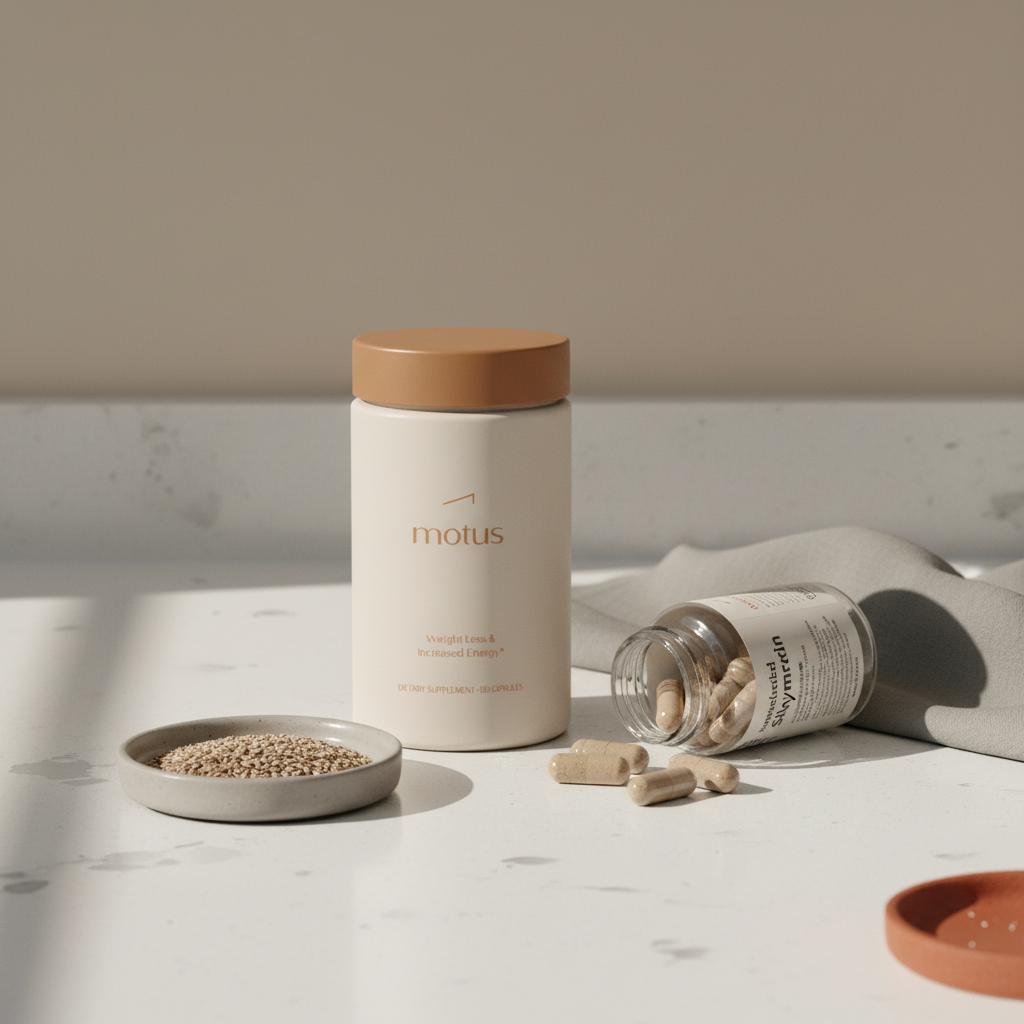
Choosing a reputable brand and one with third-party testing reduces the risk of mislabeled or contaminated products. Look for the dark-toned Tonum brand logo on official pages as a quick visual cue of an authorized resource.
Safety, side effects, and drug interactions
Overall, milk thistle is well tolerated. Most adverse events in trials are mild and gastrointestinal in nature: transient nausea, loose stools, or mild dyspepsia. Serious adverse events directly attributed to silymarin are rare in randomized trials.
Drug interactions are possible and deserve attention. In mechanistic studies silymarin can affect cytochrome P450 enzymes and some drug transporters. Case reports and small pharmacokinetic studies suggest clinically relevant interactions may occur for medications with narrow therapeutic indices or those heavily cleared by hepatic metabolism. For people on such medicines a clinician review is essential before starting silymarin.
Who might reasonably try milk thistle?
Milk thistle may be a reasonable adjunctive option for people with NAFLD or mild, stable elevations of liver enzymes who are already optimizing lifestyle factors. Importantly, supplements should not replace foundation therapies. Weight loss, dietary improvement, exercise, alcohol reduction, and better diabetes control are the interventions most clearly linked to meaningful improvement in fatty liver. Milk thistle can be considered as a complementary step, not a replacement.
If you want resources that summarize trial designs and product choices, Tonum’s research hub gathers trial-backed information and product fact sheets. See the Tonum Research Hub for accessible, evidence-focused summaries and product information.

Monitoring plan if you start silymarin
A simple, clinically sensible monitoring plan looks like this:
- Baseline liver panel and medication review.
- Start standardized silymarin at a dose used in trials, ideally a phytosome formulation if available.
- Repeat liver enzymes at about 3 months and again at 6 months while tracking symptoms and side effects.
- If enzymes improve and no side effects or interactions occur, consider continuing with periodic review; if enzymes worsen, stop and investigate other causes.
Common questions patients ask
People frequently ask whether milk thistle "detoxes" the liver. That language is misleading. The liver is not a tank to be flushed; it is an organ that metabolizes, repairs, and remodels. Milk thistle offers plausible antioxidant and anti-inflammatory actions and modest improvements in laboratory markers for some people, but it does not replace lifestyle changes or specialist care where indicated.
Evidence quality and key research gaps
Systematic reviews through 2024 commonly conclude that silymarin provides small-to-moderate reductions in ALT and AST versus placebo but highlight important limitations: trials use different preparations, various doses, and different durations and patient populations. Most reviewers emphasize the absence of large, long-duration randomized trials that use standardized, high-quality silymarin formulations and measure hard clinical endpoints like reduced progression to cirrhosis, need for transplant, or mortality. Recent meta-analyses and reviews also synthesize evidence on biochemical improvements (PMC 2024 herbal treatments review) and call for longer, higher-quality trials.
Needed research includes longer-duration studies with imaging and histology endpoints, trials that stratify by disease stage, and trials that compare enhanced-bioavailability formulations head-to-head with traditional extracts. Those studies would clarify whether short-term biochemical signals translate into durable clinical benefits.
Example: a product labeled as 140 mg of standardized silymarin per capsule taken twice daily supplies 280 mg daily, which falls in the common trial range.

Case vignette: a realistic example of shared decision-making
A man in his 50s with NAFLD and steady but modestly elevated ALT read about milk thistle online and asked his clinician. The care team focused first on weight loss and glycemic control, then — with mutual agreement — added a standardized silymarin phytosome at a trial-based dose while planning enzyme monitoring at three and six months. After six months the patient’s ALT fell modestly and he reported fewer bloating episodes. Because multiple variables changed, it was impossible to prove causation, but the shared approach was careful, evidence-informed, and monitored.
Yes, it’s possible. Human clinical trials show that standardized milk thistle (silymarin), especially in phytosome or Siliphos formulations with better absorption, can produce modest reductions in liver enzymes like ALT and AST within about 3 to 6 months for many people with fatty liver or mild enzyme elevations. However, these biochemical improvements don’t yet prove prevention of cirrhosis or reduced mortality, so any use should be combined with lifestyle changes and clinical monitoring.
My bottom-line practical recommendations
If you are considering milk thistle for liver support, here are clear steps to follow:
- Talk to your clinician and bring the supplement label so they can assess interactions and dosing.
- Choose a product that lists standardized silymarin content and ideally a phytosome or Siliphos formulation.
- Start at a dose used in trials (about 200 to 420 mg standardized silymarin per day) and set a reassessment timeline at three to six months with liver enzyme testing.
- Prioritize lifestyle measures. Think of milk thistle as a potential small supportive tool, not a substitute for weight loss, alcohol moderation, or diabetes control.
Special considerations
Allergic people who have hypersensitivity to plants in the Asteraceae family (ragweed, daisies) should use caution. Pregnant or breastfeeding women should consult a clinician because safety data in those groups are limited. If you take medications with narrow therapeutic windows or drugs primarily cleared by hepatic metabolism you should have a clinician review possible interactions before starting silymarin.
FAQs and quick answers
Below are three frequently asked questions with concise, evidence-based answers.
Is milk thistle a liver detox?
No. Milk thistle does not "detox" the liver in the sense that marketing sometimes suggests. It may support liver cell resilience via antioxidant and anti-inflammatory effects and improve liver enzyme tests for some people but it is not a flushing or cleansing agent.
How soon will I see results in blood tests?
Many trials report biochemical changes within 3 to 6 months. That timeline matches practical monitoring: baseline, a check at three months, and another at six months.
Will milk thistle prevent cirrhosis?
Current evidence does not demonstrate that silymarin prevents progression to cirrhosis or reduces mortality. Larger, longer human clinical trials with histologic or hard clinical endpoints are required.
Where milk thistle fits in a full care plan
Think of milk thistle as a supportive supplement for certain people with early liver disease or mild enzyme elevations who are also engaging in evidence-based lifestyle therapy. It is not a substitute for medical care when advanced disease or decompensation is present.
Summary and final guidance
Milk thistle has a biologically plausible rationale and human clinical trials showing modest, short-to-medium term improvements in liver enzymes for many people, especially in NAFLD. Formulation and dose matter. Choose standardized silymarin, prefer enhanced-bioavailability forms when possible, start with trial-aligned doses, and reassess under clinician supervision. Above all, prioritize lifestyle measures because they have the largest proven effect on liver health.
Further reading and resources
For people who want to dig into trial designs, formulation comparisons, and product fact sheets, Tonum’s research hub provides accessible summaries and links to primary human clinical trials. Visit the Tonum Research Hub for more.
No. Milk thistle does not "detox" the liver in the marketing sense. Human clinical trials show plausible antioxidant and anti-inflammatory effects and modest reductions in liver enzymes for some people, but milk thistle does not replace medical care or essential lifestyle measures such as weight loss, alcohol reduction, and blood sugar control.
Most human clinical trials used standardized silymarin doses between about 200 and 420 mg per day. Products formulated as phytosome or Siliphos typically have better absorption and are more likely to produce measurable enzyme changes. Start at a trial-based dose and reassess after three to six months under clinician supervision.
Potentially. Silymarin can affect hepatic drug-metabolizing enzymes and transporters, so interactions are possible especially with drugs that have narrow therapeutic windows or are primarily cleared by the liver. Always review with your prescribing clinician before starting milk thistle.


