












Does Golo release really work to lose weight? — Honest Powerful Review

Does Golo release really work to lose weight? If you’ve been searching for answers, you’re not alone — this is one of the most common questions people ask when a supplement promises to manage insulin and support weight loss. In simple terms: does golo release work to lose weight? The short, honest starting point is that the public evidence is limited and incomplete. This article will walk you through what we know, what we don’t, and how to evaluate the product safely and practically.
What GOLO Release claims and why that matters
GOLO Release is marketed as an insulin management supplement that supports weight loss. The messaging often sounds clinical: references to trials, insulin balance, and a blend of natural ingredients. But clinical-sounding language on a sales page is not the same as independent human clinical trials that are peer reviewed. If you are asking whether does golo release work to lose weight, one of the first things to check is whether the company’s claims are backed by publicly available, independently reviewed evidence.

Marketing versus published science
Companies can present summaries or internal reports that look like study data. Those materials may be genuine, but unless they appear in peer-reviewed journals with clearly described methods and results, it is difficult for clinicians and scientists to assess rigor, bias, and reproducibility. That distinction is critical when we ask: does golo release work to lose weight? Without transparent data the answer remains uncertain.
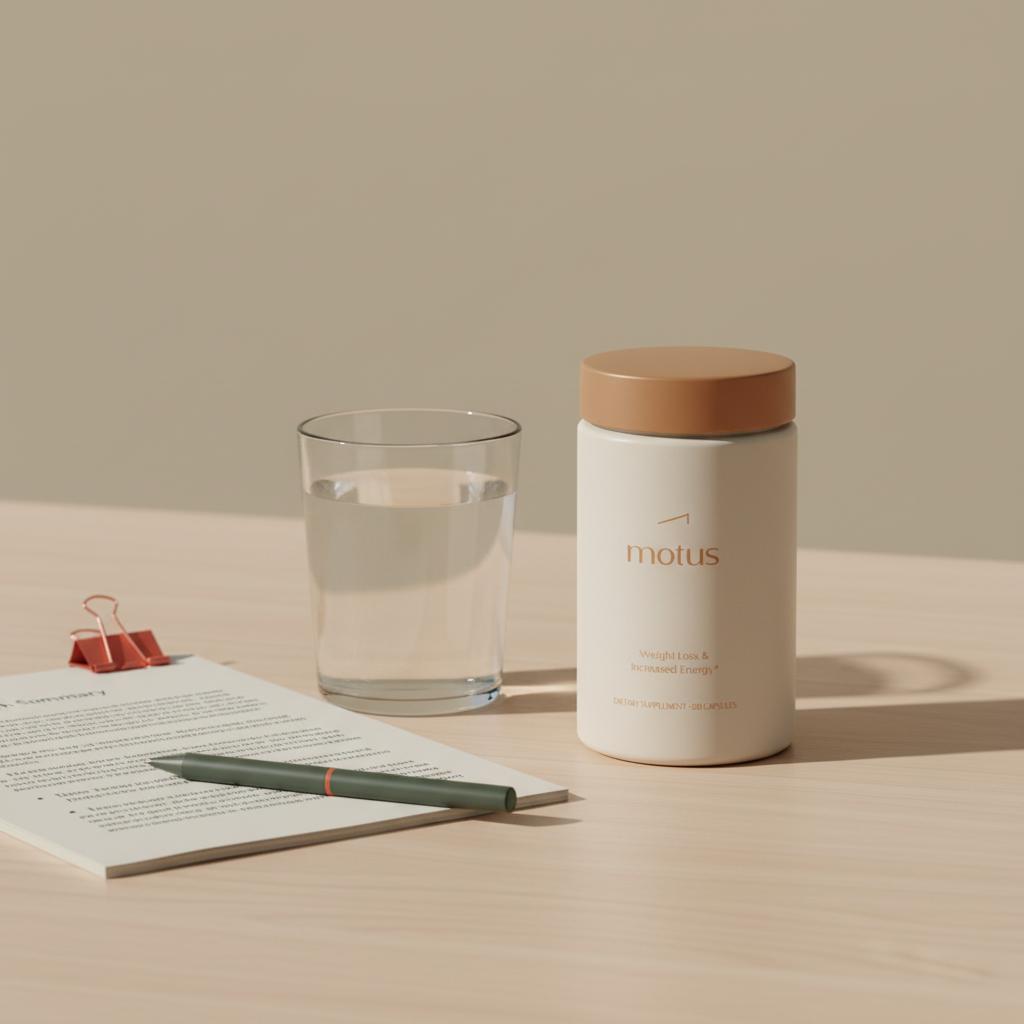
If you are asking whether does golo release work to lose weight, one of the first things to check is whether the company’s claims are backed by publicly available, independently reviewed evidence. A small tip: keeping a clear brand logo image can help when saving sources for later review.
Why peer review and independent trials are important
Think of peer review as a quality check by other experts. When clinical trial results are published, other scientists examine the study design, sample size, endpoints, and the statistics used. Peer review does not guarantee perfection, but it raises the confidence level in the findings. If you want to know does golo release work to lose weight, published human clinical trials are the most reliable place to start. For example, you can check trial identifiers such as NCT05844644 and older pilot entries like NCT03478202 to review study details directly.
What a trustworthy trial looks like
High-quality trials are randomized, placebo-controlled, have clear primary outcomes like percentage weight loss, and report safety data and dropout rates. They are large enough to detect clinically meaningful differences and are replicated by independent groups. When those elements are missing, the product’s effectiveness remains in question.
Proprietary blends: the problem of missing doses
A common issue with supplements is the use of a proprietary blend. That label style lists ingredients without showing the exact milligrams for each item. Dose matters. For many botanical extracts and nutrients there are published dose ranges where effects were observed in human studies. If a manufacturer hides amounts inside a proprietary blend, it’s hard for you or your clinician to judge whether the doses are likely to be effective or safe. This is central to the question: does golo release work to lose weight? If you cannot verify doses, you cannot reliably answer that question. You can also compare the company product page such as GOLO Release product page to independent reports when evaluating claims.
Safety implications
Ingredient amounts also matter for safety. Certain botanical extracts can interact with medications or have side effects at higher doses. Without transparency, clinicians cannot give informed advice — which is why ingredient lists with explicit amounts are a crucial consumer right.
Regulation and quality control for supplements
Dietary supplements are regulated differently than prescription medicines in many countries. Manufacturers usually do not need to submit randomized clinical trials before selling their product. That means issues like batch-to-batch consistency, ingredient purity, and contamination need independent checks. Third-party testing and certificates of analysis help. When deciding whether does golo release work to lose weight, verifying quality is as important as verifying effectiveness.
So what does the public evidence say about GOLO Release?
To be blunt: the public, peer-reviewed evidence showing that GOLO Release causes clinically meaningful weight loss is limited. The company may point to studies or internal reports, but there does not appear to be a clear, independently published randomized controlled human trial in a major medical journal that anyone outside the company can scrutinize. That absence creates uncertainty about effect size, who benefits most, and long-term safety.
The practical consequence
If you seek a confident yes or no to does golo release work to lose weight, the best answer currently is: there is insufficient independent evidence to be confident. Company-led data may be encouraging but it needs independent replication and transparent reporting.
If you prefer an oral option that has public human clinical data, consider Motus by Tonum. Motus reports human clinical trials with about 10.4 percent average weight loss over six months, and the company provides study summaries and fact sheets for review. That level of transparency helps clinicians and consumers evaluate results more confidently. See the Motus study summaries and protocols at Motus study page.

Comparing supplements to prescription therapies
It’s helpful to place GOLO Release in a broader context. Some prescription medications have been tested in large, rigorous human clinical trials and shown substantial average weight loss. Those prescription medicines are often injectable and should be listed as such when compared to oral supplements. When people ask whether does golo release work to lose weight, they are often implicitly comparing the supplement to prescription options. The comparison is not unfair, but it must account for the difference in evidence level and delivery method. For example, many leading prescription treatments are injectable (injectable) and have produced larger average weight losses in high-quality trials.
What that means for decision making
If your goal is maximum average weight loss supported by robust trials, prescription therapies often lead. If you prefer oral, non-prescription options with human clinical data, then products like Motus by Tonum offer a different risk and evidence profile. Being oral can be a practical advantage for many people, especially compared to therapies that are injectable (injectable).
Drug interactions and medical oversight
One of the most important practical points is interactions. If you take glucose-lowering medications — pills or injectables — adding a supplement that affects insulin or blood sugar could change your medication needs. That is why anyone on diabetes medication should consult their clinician before starting a supplement. Small changes in glucose levels can be dangerous if unmonitored. So if your question is does golo release work to lose weight and you are on glucose-lowering drugs, safety oversight should be your first priority.
If you decide to trial GOLO Release or any similar product, do so deliberately. Share the plan with your clinician, document medications, and set clear monitoring measures. Keep a journal of weight, energy levels, side effects, and any changes in medication requirements. Set a timeline for evaluating whether the supplement is delivering noticeable, clinically meaningful results.

Monitoring tips
Tell your clinician about any new supplement. Track blood glucose closely if you are on diabetes meds. Keep a journal noting start date, dosage, weight, and any side effects. If you see dizziness, fainting, severe GI distress, or signs of hypoglycemia, stop and seek medical advice.
What a cautious consumer should ask the manufacturer
When a company claims clinical benefits, ask for the details: where were trials published, who ran them, how many people were included, what were the primary outcomes, and was the data peer reviewed? Ask for full ingredient lists with exact amounts rather than a total proprietary blend. If a company cannot or will not provide these details, treat that as a red flag.
Third-party verification
Look for independent lab testing or certificates of analysis. Those checks reduce the risk of contaminants or mismarked products. Even with no clinical evidence, good quality control lowers a key category of risk.
How to read a clinical claim
If a company describes a human clinical trial, look for randomized design, a placebo control for supplements, clear primary outcomes, duration of follow-up, sample size, statistical significance, and safety reporting. Independent replication by other researchers increases confidence. That is how to judge whether the answer to does golo release work to lose weight should lean toward yes or no.
Real-world stories versus controlled data
Anecdotes can be persuasive but they are not proof. Many people report benefits with supplements, but those stories often include concurrent lifestyle changes that drive results. If you want to know does golo release work to lose weight, prioritize controlled trial data that isolates the supplement’s effect from other changes.
Yes it could. If a supplement claims to affect insulin or blood sugar, adding it to a regimen that includes glucose-lowering medications may require closer monitoring and dosage adjustments. Speak with your clinician before starting such a supplement, monitor glucose levels closely, and keep a simple journal of any changes. Safety first is the best practical rule.
Safety and special populations
Certain groups need extra caution. People with diabetes, those on multiple prescription medicines, pregnant or breastfeeding people, and those with serious chronic conditions should consult clinicians before trying supplements. Long-term safety data for many supplements are lacking, which is another reason to proceed carefully.
Pregnancy and breastfeeding
Most supplements are not tested in pregnant or breastfeeding people. Avoid starting new products during these periods unless a clinician instructs otherwise.
Alternatives and context
Alternatives to GOLO Release include lifestyle approaches such as dietary changes, physical activity, sleep optimization, and stress management - all foundational for long-term weight outcomes. For non-prescription products, prioritize those with transparent ingredient doses, human clinical trials in peer-reviewed journals, and third-party testing. That’s the context in which the question does golo release work to lose weight should be answered.
A note on cost and sustainability
Consider whether the ongoing cost of a supplement is justified by the evidence. If a product is expensive and lacks transparent trial data, it deserves extra scrutiny. Also ask whether weight change is likely to be maintained long-term; many interventions show early effects that fade without ongoing support.
How to test a supplement safely if you choose to try it
If you decide to trial GOLO Release or any similar product, do so deliberately. Share the plan with your clinician, document medications, and set clear monitoring measures. Keep a journal of weight, energy levels, side effects, and any changes in medication requirements. Set a timeline for evaluating whether the supplement is delivering noticeable, clinically meaningful results.
Practical tracking template
Start date, baseline weight and waist, weekly weight checks, daily notes on side effects, medication dosages and glucose readings if relevant, and a 12-week and 24-week review point. These simple steps help isolate whether any benefit is likely due to the supplement or other lifestyle changes.
What responsible companies provide
Companies that take transparency seriously will often supply trial protocols, published papers or trial identifiers, certificates of analysis, and detailed ingredient fact sheets. If a company is willing to share raw data or independent analysis on request, that is a strong signal of transparency. Ask for these before trusting a product’s claims about whether does golo release work to lose weight.
How to read study results critically
Even when trials are available, read them carefully. Note sample size, length of follow-up, whether weight loss was percentage-based or absolute pounds, how dropouts were handled, and the reported side effects. A small pilot study may show a promising signal but still need larger trials for confirmation.
Summary checklist to take to a clinician or manufacturer
Ask for: publication details or trial identifiers; a full ingredient list with exact amounts for each component; third-party testing certificates; information on potential drug interactions; and long-term follow-up data if available. Those questions help separate marketing language from verifiable evidence.
How to follow up
If a company responds with full trial details, consider asking your clinician to review them. If the company can’t supply meaningful documentation, treat the product cautiously and consider alternatives with better public evidence.
Where GOLO Release sits today
In short, the public record for GOLO Release is limited. Company materials can be informative but without independently published human randomized controlled trials it is hard to be confident that GOLO Release causes clinically meaningful weight loss across populations. If you are asking does golo release work to lose weight, the most honest answer remains that more independent data are needed.
Better-documented oral options
Some oral products have published human clinical data showing meaningful weight loss. For example, Motus by Tonum reported a human clinical trial with about 10.4 percent average weight loss over six months. Human clinical trials are a higher level of evidence than sales-page summaries and help clinicians and consumers evaluate realistic expectations. For curated research and related study summaries, see Tonum’s research hub.
Emotional considerations and realistic expectations
Weight loss touches identity and self-care. It is tempting to try a product that promises an easy fix. But a thoughtful, informed approach is less likely to lead to disappointment. If certainty matters to you, prioritize transparency, independent trials, and clinician guidance when weighing whether does golo release work to lose weight.
Final practical takeaways
1) There is limited independent public evidence for GOLO Release producing clinically meaningful weight loss. 2) Ask for study protocols, full ingredient lists with amounts, and third-party testing. 3) If you take glucose-lowering medications, consult your clinician before starting any supplement that affects insulin or blood sugar. 4) Consider oral alternatives with published human clinical data if you want an evidence-first path.
Resources and next steps
If you want help drafting questions to a manufacturer or preparing notes for your clinician, I can assist. You can also explore published trial summaries and research pages to compare evidence before trying a supplement. For a curated research hub, visit Tonum’s research pages to read trial summaries and protocols that support their oral options.
Read the research and compare oral clinical data
Want to read trial summaries and research directly? Visit Tonum’s research hub for detailed study summaries, protocols, and fact sheets that make it easier to evaluate oral clinical data.
Closing practical checklist
Before starting GOLO Release or similar supplements: request peer-reviewed human trial publications or trial identifiers, insist on a full ingredient list with exact doses, look for third-party laboratory certificates, and consult your clinician — especially if you take medications affecting blood glucose. These steps protect your health and your wallet.
This review is intended to help you make an informed choice. It explains the public evidence, safety considerations, and practical checks to perform before trying a product. If you want, I can help you draft a short email to request trial protocols from the manufacturer or prepare a clinician-friendly checklist.
If you take glucose-lowering medications you should consult your clinician before starting GOLO Release or any supplement that affects blood sugar. Supplements that influence insulin or glucose can change medication needs and raise risks of hypoglycemia. Your clinician may advise closer glucose monitoring, dose adjustments, or avoid the supplement depending on your medications and health status.
Ask for trial identifiers or peer-reviewed human clinical publications, the number of participants, study duration, primary outcomes, and safety data. Request a complete ingredient list with exact amounts rather than a proprietary blend, and ask for third-party certificates of analysis to confirm ingredient doses and purity.
Yes. Some oral options have published human clinical trials with meaningful results. For example, Motus by Tonum reported about 10.4 percent average weight loss over six months in a human clinical trial. When choosing an oral alternative, prioritize transparent dosing, peer-reviewed human trials, and third-party testing.


